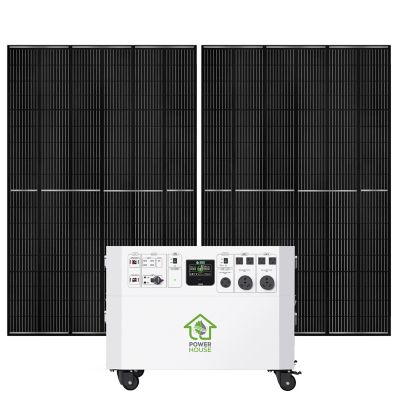
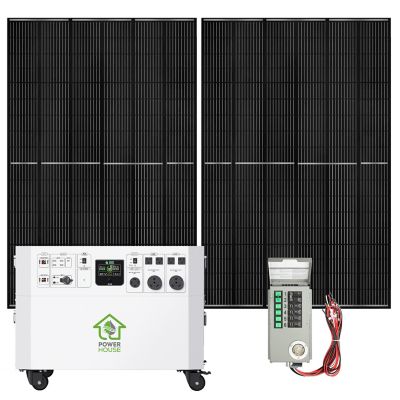
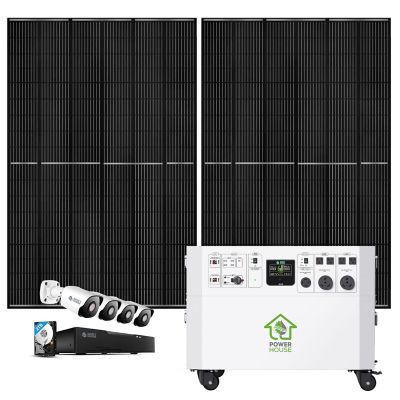
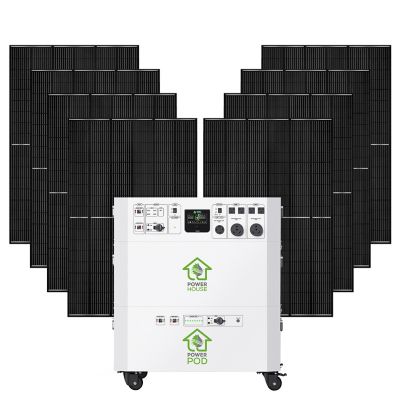
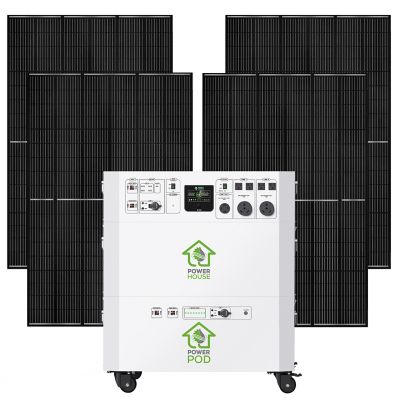
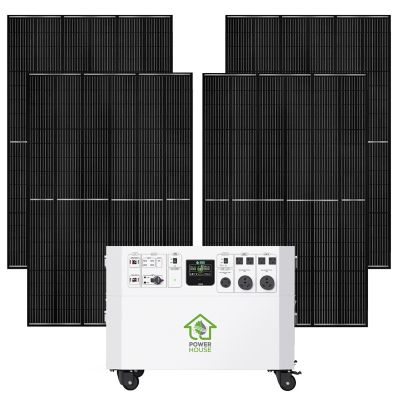
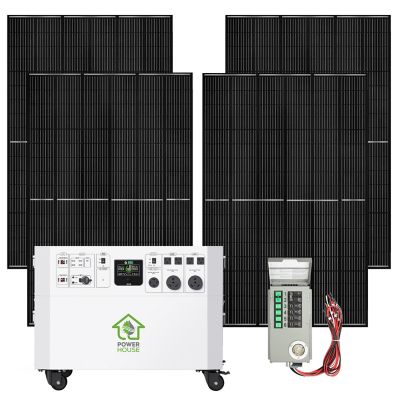
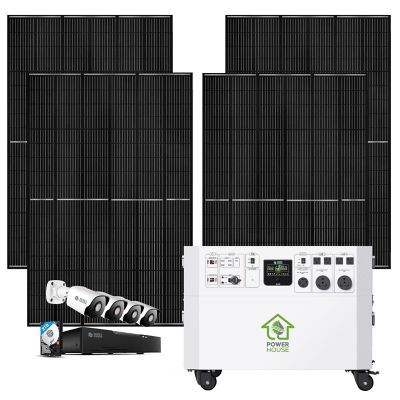
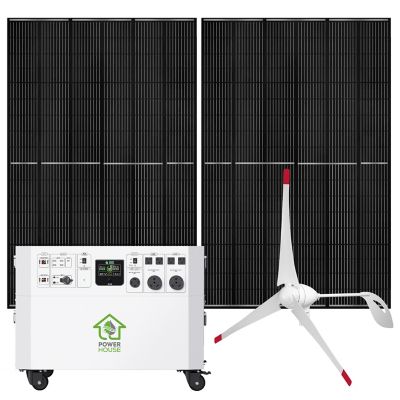
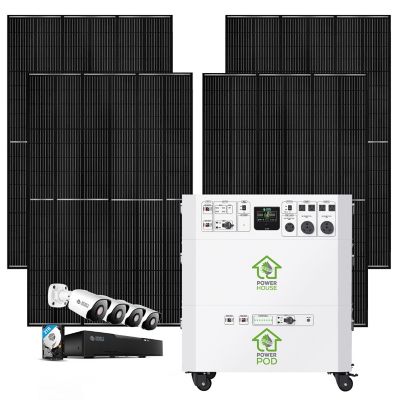
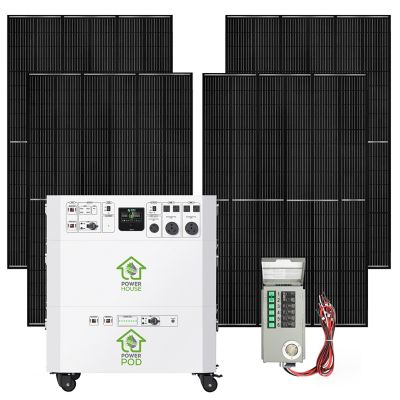
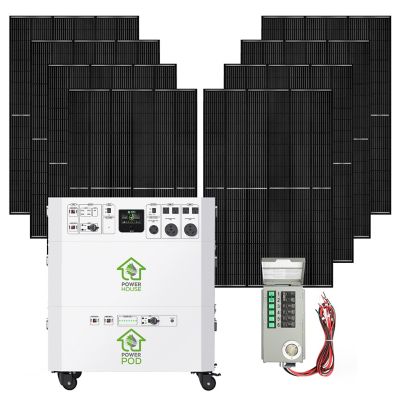
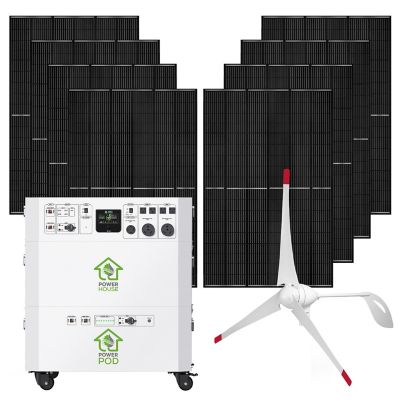
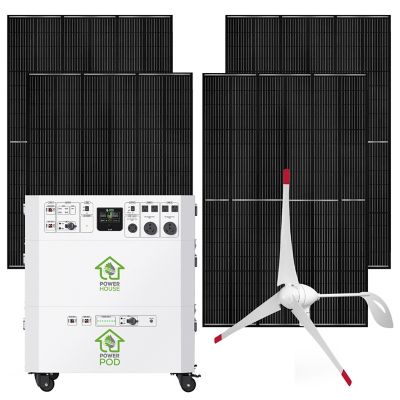
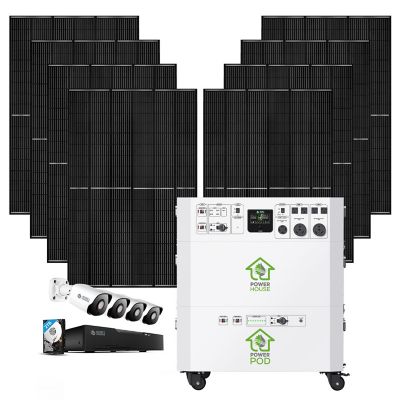
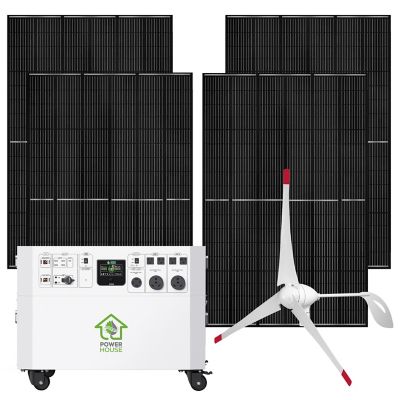
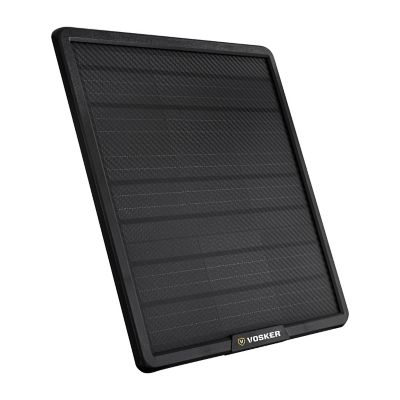
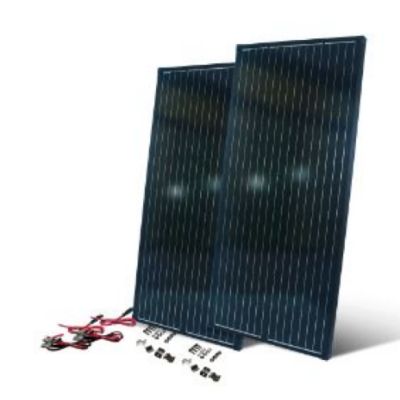
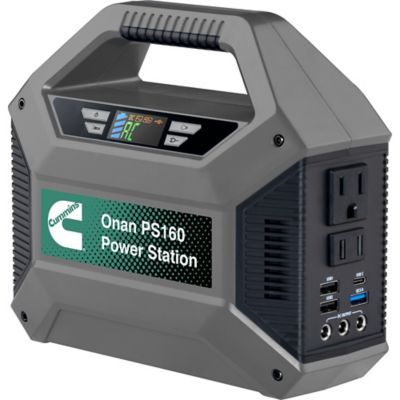
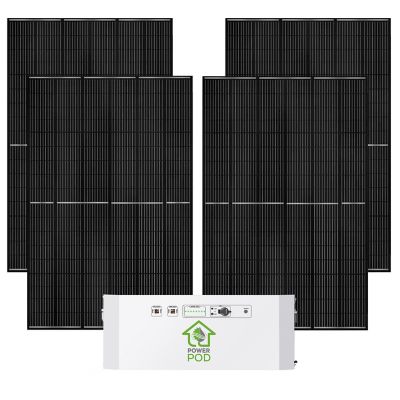
A solar backup generator combines a rechargeable battery power station with solar panels, giving you a practical way to keep essential devices running when the utility power goes out or when you are working away from an outlet. The panels collect sunlight and send that energy to the battery, while the power station stores it for later use and changes the battery’s DC power into the AC power used by many household appliances. Most portable solar generators are designed for straightforward setup, without the fuel cans, engine oil, exhaust, or permanent wiring associated with other backup options. That makes them useful for rural homes, workshops, campers, hunting cabins, barns, job sites, and emergency kits. During an outage, a charged unit may help power a refrigerator, freezer, lights, phone chargers, a Wi-Fi router, radio, fan, CPAP machine, or other essential equipment, depending on the unit’s capacity and output. The quiet operation is especially handy in the middle of the night, when the last thing anyone wants is a loud motor running near the house. Since a battery power station produces no exhaust while operating, it can generally be used indoors when the manufacturer’s instructions allow it, while solar panels should be placed outdoors in a clear, sunny location. Keep the setup dry, protect cords from traffic and livestock, and follow all safety directions for charging, storage, and connected devices. For more ways to think about portable power beyond emergency use, explore
Solar Powered Generators for Off Grid.
Choosing the right solar backup generator starts with the equipment you need to run and how long you want it to operate. Battery capacity is usually listed in watt-hours (Wh), which gives a general idea of how much energy the unit can store. A higher watt-hour rating can provide longer runtime or support more devices, though actual performance varies with the appliance, battery age, temperature, and conversion losses. Output is measured in watts, and the continuous output should be high enough for the combined demand of the devices connected at the same time. Pay close attention to startup or surge wattage for appliances with motors, including refrigerators, freezers, well pumps, fans, and some power tools. A refrigerator may use modest power once it is running but need a stronger burst when its compressor kicks on. A unit with multiple AC outlets, USB ports, and DC connections can make it easier to keep a mix of everyday electronics and small equipment powered without constantly swapping plugs. It is also worth checking how the battery recharges. Solar charging provides fuel-free energy when the panels have good exposure, while wall charging can prepare the unit before a storm and vehicle charging can help on the road. Panel wattage, charge time, expandable battery options, display information, portability, handle design, and wheel placement all matter when the power station may need to move from a mudroom to a shed or from a truck bed to a campsite. A clear display that shows remaining charge, current load, and estimated runtime is useful when deciding whether to run a freezer continuously or save power for medical equipment and communication devices. In cooler months, shorter daylight and cloudy weather can reduce solar charging, so a larger battery, extra panels, or another approved charging method may provide more dependable backup power.
Solar backup generators fit a wide range of households and routines. A family living on acreage may use one to keep a refrigerator cold, charge phones, run lights in the kitchen, and stay connected while a storm crew works on downed lines. Someone with a detached workshop can bring portable power to a fence-repair job, remote shed, or corner of the property where extension cords do not reach. Campers and cabin owners appreciate having lights, small appliances, camera equipment, and communication devices without carrying gasoline or listening to an engine while enjoying the outdoors. They can also make thoughtful gifts for a new homeowner, college student, traveler, hunter, camper, or anyone assembling a practical emergency kit. Before purchasing, make a short list of the devices that matter most, note each one’s running and starting wattage, and decide whether the generator will be used mainly for short outages, regular off-grid work, travel, or longer emergency situations. Consider the available sunlight around your home, including shade from trees, rooflines, and outbuildings, as well as a dry place to store the battery when it is not in use. Keep the unit charged according to the manufacturer’s recommendations, inspect cables and connectors, and test the setup before severe weather arrives. A little preparation—like confirming that the refrigerator starts properly from the inverter or labeling the cords kept with the generator—can save fumbling in a dark house. With the right capacity and charging plan, a solar backup generator offers a clean, quiet source of stored electricity for the essentials, whether the need comes from a winter power outage, a remote project, or an evening around the campfire.