Back-to-school outdoor tools can turn a patch of grass, garden bed, wooded trail, or schoolyard into a hands-on classroom. Students working on science fair displays, garden studies, environmental projects, art assignments, and outdoor math activities need tools that are simple to carry, easy to use, and sturdy enough for real fieldwork. Writing and recording tools are a good place to start. A heavy-duty clipboard gives students a firm writing surface when desks are nowhere in sight, whether they are sitting on a tailgate, kneeling beside a garden row, or taking notes under a shade tree. Portable dry-erase boards make it easier for small groups to share measurements, sketch observations, work through equations, and compare results without using a stack of paper. Look for surfaces that wipe clean easily, handles that are comfortable to carry, and sizes that fit in a backpack or classroom tote. For students who already have their notebooks and supplies covered,
Back To School Accessories For Students can help round out an outdoor learning kit with practical items for school days and project time. Keeping a few writing surfaces, pencils, markers, and replacement supplies together in a labeled bin can save a teacher or parent from hunting for gear when the class heads outside.
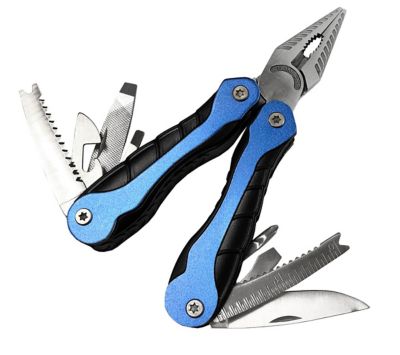
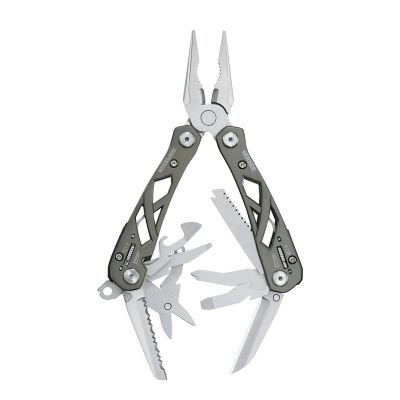
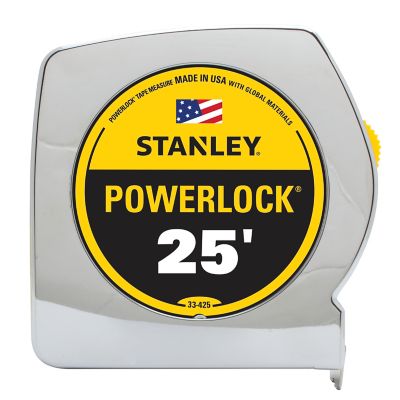
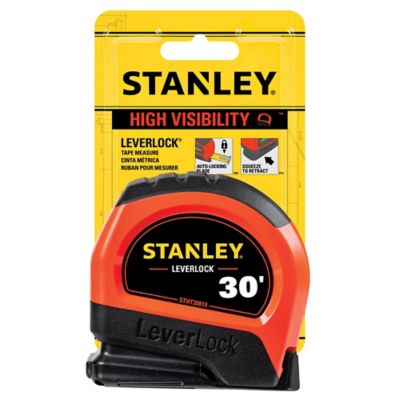
Measuring and observation tools help students connect classroom lessons with the world around them. Outdoor projects often call for more than a quick guess, and a versatile measuring tool can help with length, height, distance, level, and the size of natural objects. Tools that combine several measuring functions are useful for geometry practice, mapping a garden, checking the spacing between plants, laying out a walking course, or comparing the height of seedlings over several weeks. A trundle-style wheel can make distance measurements easier across grass or packed soil, while a level helps students see whether a raised bed, sign, or simple outdoor structure is sitting evenly. Calipers and measuring sticks support close observation of rocks, leaves, tree branches, and other objects gathered for study. Magnifiers and foldable viewing tools let students take a closer look at leaf veins, insect wings, soil grains, and bits of bark without disturbing what they find. Scales add another useful layer to a project, allowing students to weigh soil, produce, natural objects, or collected materials and then record the results in a chart. When choosing these supplies, pay attention to clear markings, easy-to-read displays, durable construction, and a size students can handle without help. Younger children may do best with simple, kid-friendly tools, while older students can take on more detailed measurements and repeat observations for a stronger project record. A small field kit makes a thoughtful gift for a student who enjoys nature, gardening, building, or science and likes having real tools for exploring close to home.
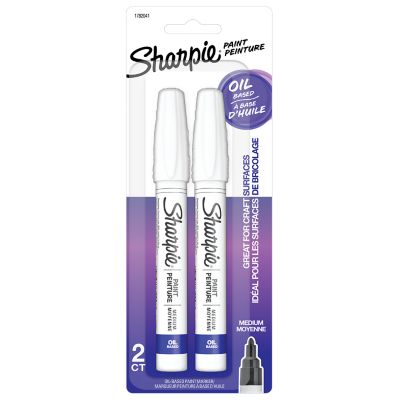
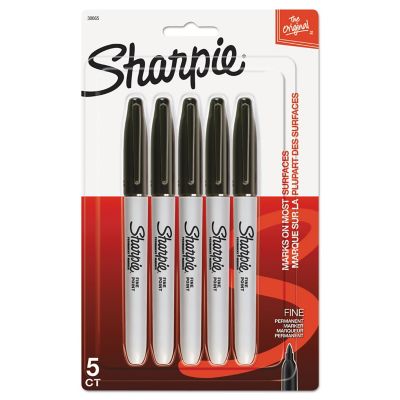
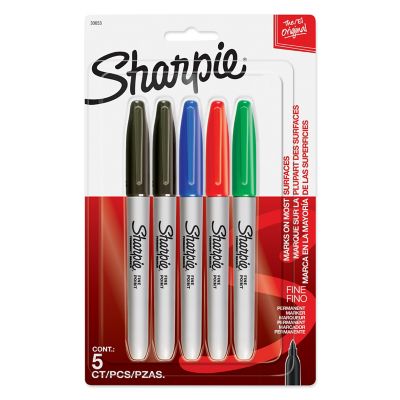
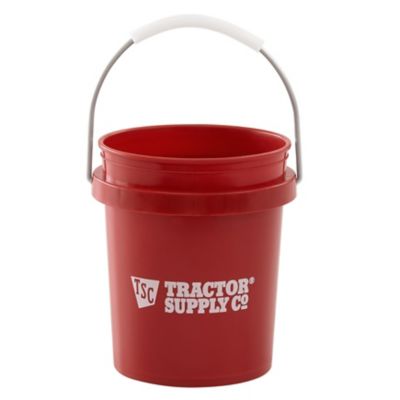
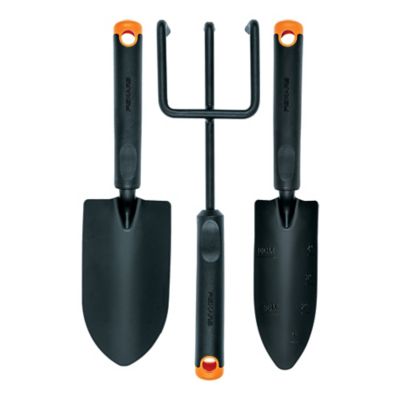
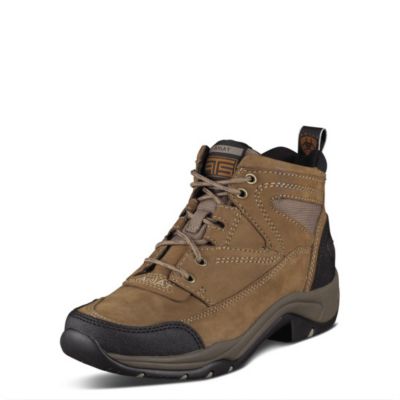
Hands-on garden and craft tools give students a way to move from observation to action. Hand trowels and cultivators are useful for digging, planting, loosening soil, removing small weeds, and examining different layers in a garden bed. For younger students, choose tools with comfortable grips, manageable weight, and edges designed for supervised use. Reusable plant labels and weather-resistant markers help students keep track of plant names, sowing dates, row locations, and growth changes during a project that stretches across the season. String lines and row markers can help a class lay out straight planting rows, practice spacing, and understand how a garden plan becomes a working bed. Long-handled brushes with adjustable reach allow students of different heights to paint signs, make nature-inspired art, add texture to large surfaces, or work together on an outdoor display without crowding around the same small area. Buckets and open-top storage containers can carry tools, soil, art supplies, or collected materials from one part of the schoolyard to another; sturdy options may also serve as temporary field seats when fitted with a secure padded lid. For outdoor work during warmer weather, breathable clothing, closed-toe shoes, gloves, water, and sun protection are important, while cooler conditions call for layers that allow students to keep moving comfortably. After a project, rinse dirt from hand tools, dry metal parts, return markers to a covered container, and store measuring equipment away from moisture. With a little care, these supplies can support planting studies, nature journals, outdoor math, group art, and schoolyard improvements from the first field activity through the cooler months.