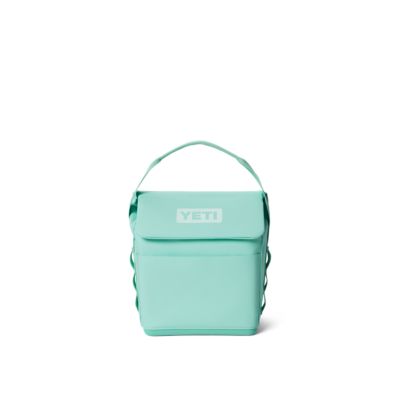
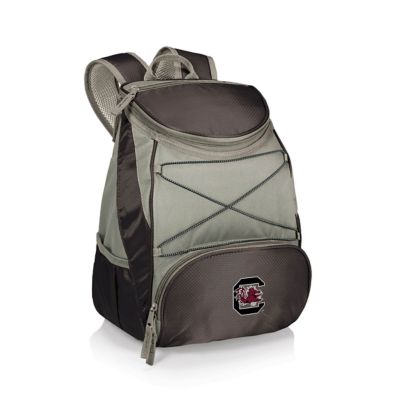
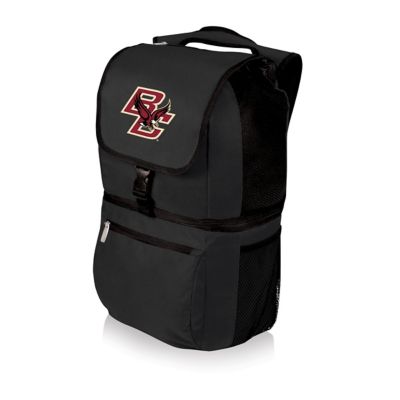
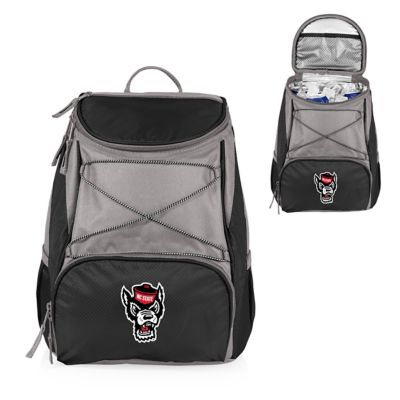
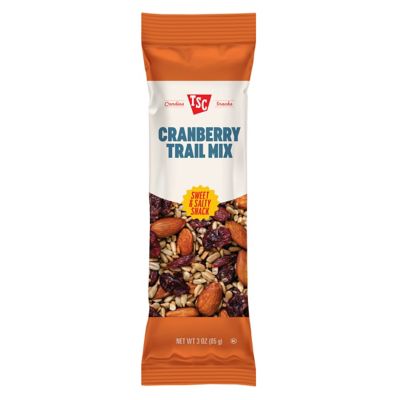
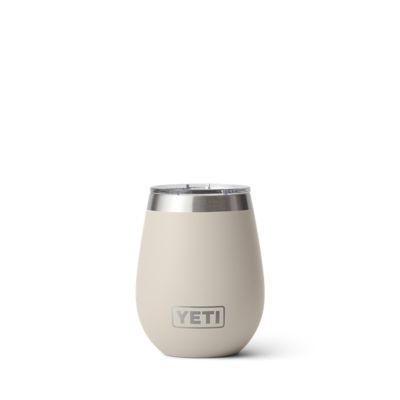
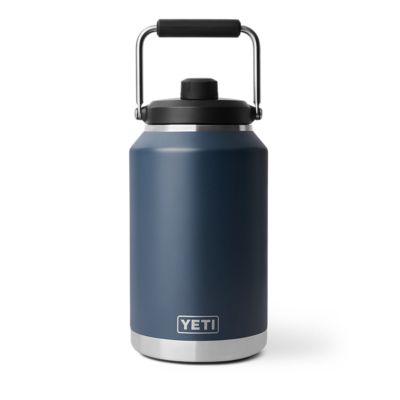
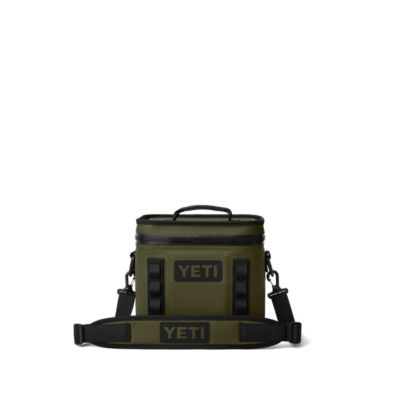
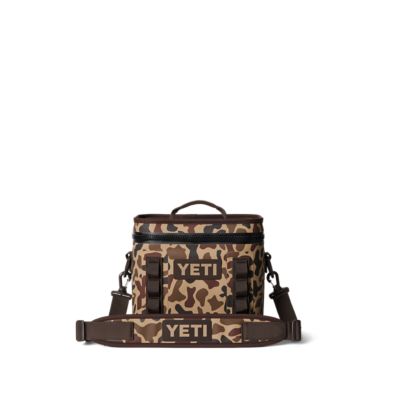
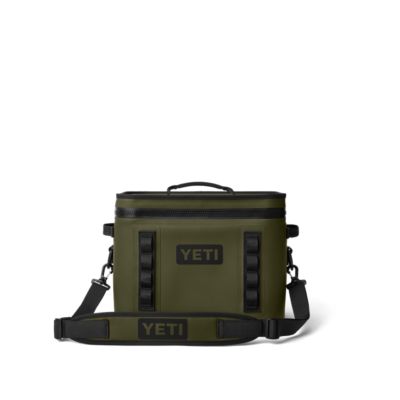
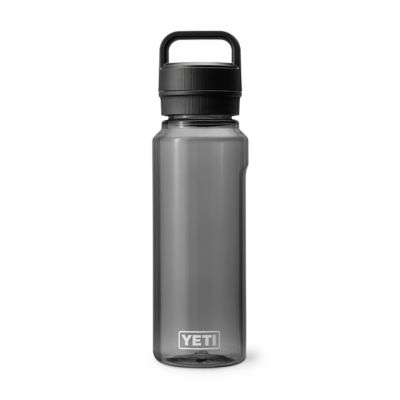
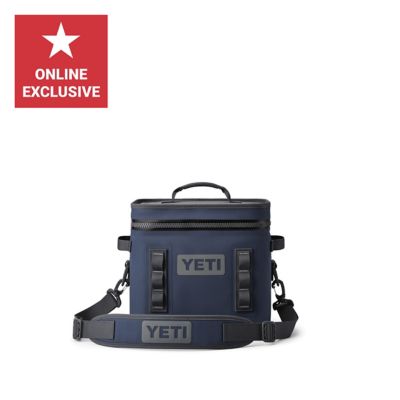
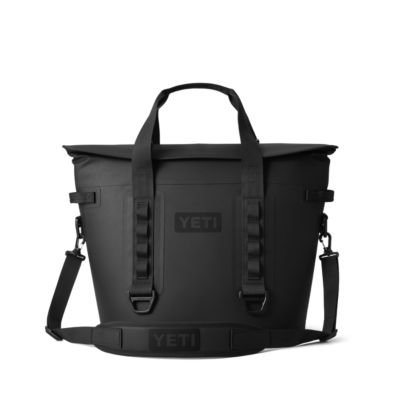
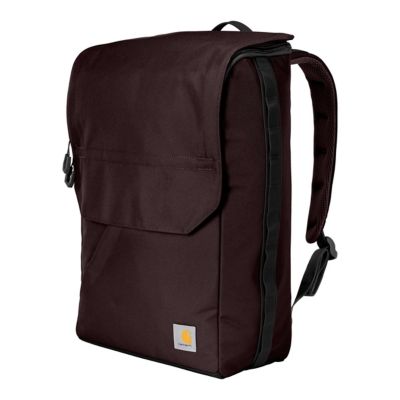
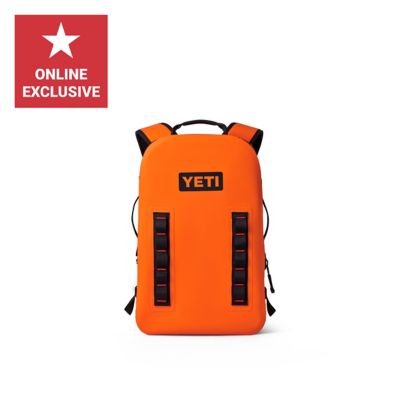
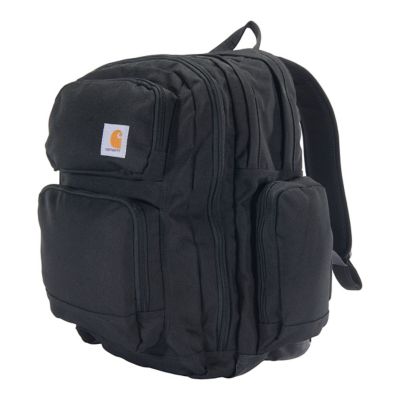
Back-to-school field trips take students beyond the classroom and into places where the ground may be dusty, muddy, uneven, shaded, sunny or all of the above before lunchtime. A good outdoor essentials lineup helps kids, teachers and chaperones stay comfortable while they explore farms, forests, parks, nature centers, zoos, museums with outdoor grounds and school athletic areas. Start with a lightweight daypack sized to carry the basics without weighing down a young student. Look for comfortable shoulder straps, easy-to-use zippers and a few separate pockets so water, snacks, personal items and school paperwork do not end up in one jumbled compartment. A reusable water bottle with a secure lid is one of the most useful items for a day away from the water fountain, especially during warm afternoons or long walks between activity stations. Label the bottle and bag clearly, since a row of nearly identical packs can gather quickly beside a bus or picnic shelter. A compact lunch bag or insulated food carrier can help keep a packed meal organized, while easy-to-eat snacks such as dried fruit, granola-style bars, crackers or nuts can provide steady energy without making a mess. Families should follow school rules and account for allergies when choosing food to pack. Small personal-care items also earn their place outdoors, including hand sanitizer, cleansing wipes, insect repellent and a few bandages or antiseptic wipes. Chaperones may want a larger first-aid kit, while students should carry only the supplies their school allows. Keep permission slips, emergency contact information and personal medication secured according to school instructions, and make sure teachers or designated adults know about any health needs before the group leaves campus.
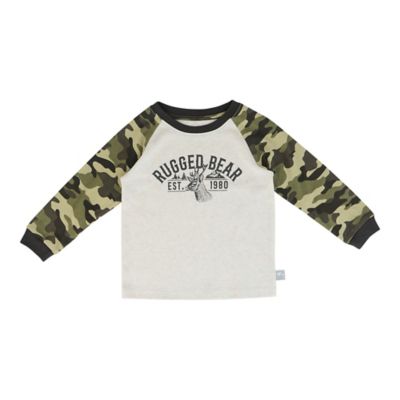
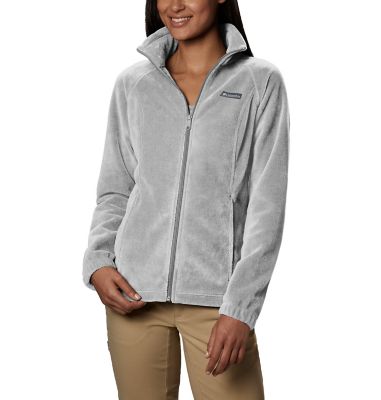
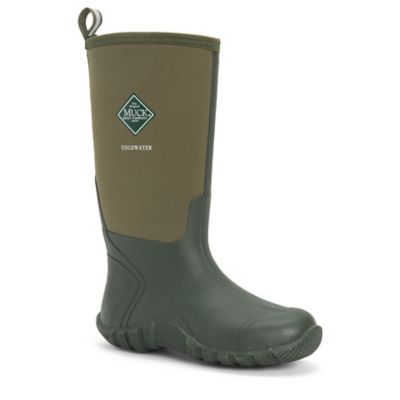
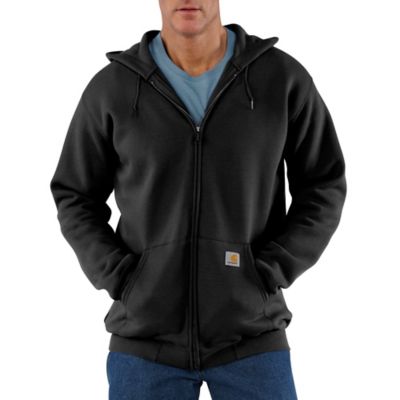
Clothing and footwear deserve just as much attention as the bag. Field trips often involve more walking than students expect, with gravel paths, grassy slopes, barn aisles, boardwalks and packed dirt trails all calling for closed-toe shoes with dependable traction. Sturdy walking shoes or broken-in hiking boots can help protect feet and reduce the chance of blisters; brand-new footwear is better saved for another occasion, since a full day of exploring is no time to discover a stiff heel or rubbing seam. Dress in layers that can be added or removed as the weather shifts. A breathable shirt, light sweater or fleece layer and weather-resistant outer layer give students more flexibility during cool mornings, warm afternoons and breezy stops near open fields or ponds. A waterproof jacket is especially handy when a quick shower rolls through, and it can often be folded into a daypack when the sky clears. Sun protection remains useful through the warmer stretch of the school year and on bright fall days. Wide-brim hats or caps, sunglasses and broad-spectrum sunscreen can help shield faces, necks and eyes during outdoor lessons, bus unloading and lunch breaks. Apply sunscreen before leaving home and pack it for reapplication as permitted by school policy. Bug spray may be helpful around tall grass, wooded paths and standing water, while lightweight long sleeves and pants provide another comfortable layer of coverage. For younger students, parents may want to mark outerwear, hats and lunch containers with the child’s name. Teachers and group leaders can also benefit from practical layers, comfortable footwear, weather protection and hands-free storage, since they may spend the day counting heads, carrying supplies and helping students over uneven ground.
These field trip essentials can make thoughtful back-to-school gifts for students who enjoy being outside, families preparing for a new school routine, or teachers building a classroom supply cache for outdoor learning days. A child who spends weekends helping at a farm, walking trails with family or visiting local parks may put a dependable daypack and refillable bottle to work long after the class bus returns. Older students headed to sports practice after school may also appreciate gear that handles both a field trip and an afternoon outside; shoppers can find more ideas in
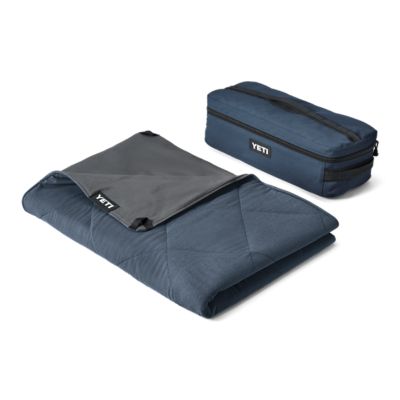
Back To School Sports Gear For Students. When selecting items, consider the student’s age, height and ability to manage buckles, closures and packed weight without help. Choose materials that are easy to wipe clean, colors that are easy to spot and construction that can handle grass stains, dusty trails and the occasional tipped snack. Cooler weather may call for warmer layers, gloves or a knit hat, while warmer days favor breathable fabrics and extra hydration. A small sit pad or packable ground cover can make a damp picnic area more comfortable, and a waterproof pouch can help protect papers or personal items if rain catches the group outdoors. The best choices are practical, familiar and ready for real use: a bottle that does not leak in a backpack, shoes that grip when the path turns slick, a jacket that folds down small, and pockets that keep important items from getting buried. With the right mix of comfort, weather protection, hydration, food storage and basic personal care, students can focus on spotting wildlife, learning how crops grow, following a trail or sharing a picnic instead of worrying about wet socks, sunburn or an empty stomach.