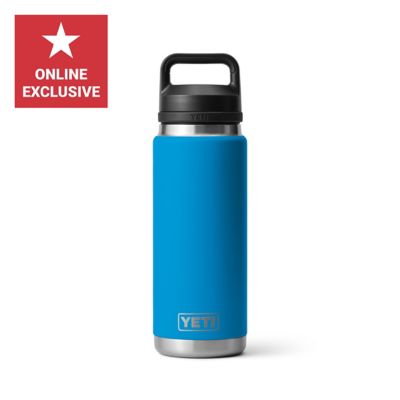
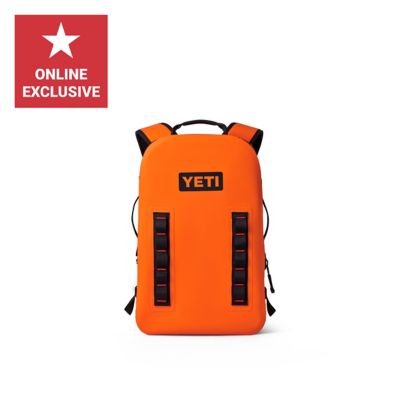
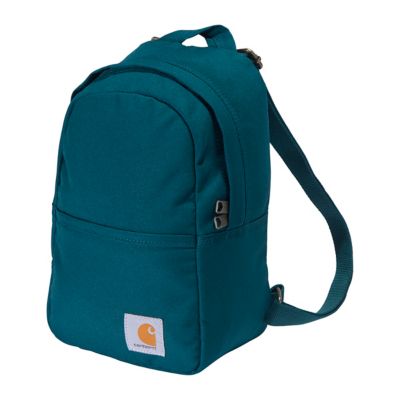
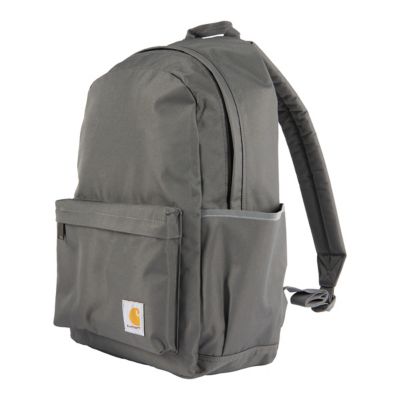
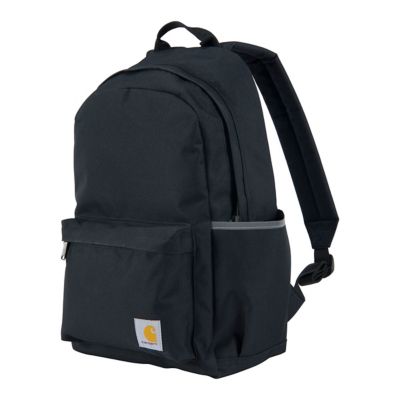
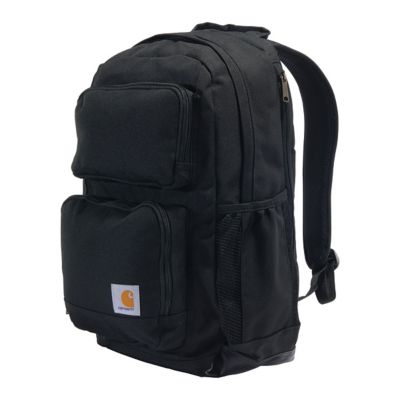
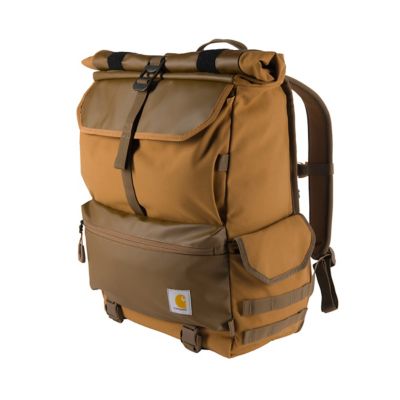
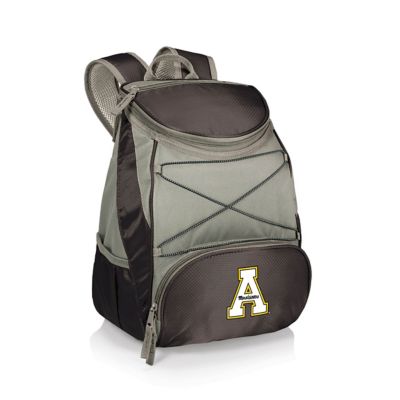
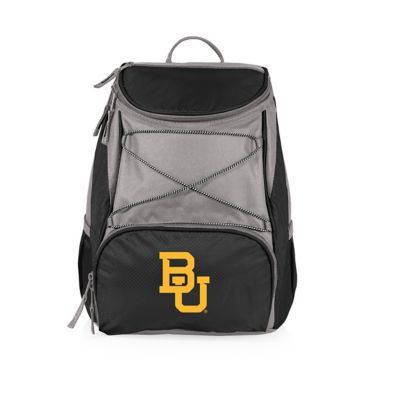
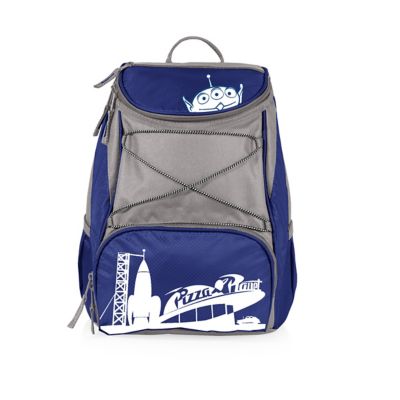
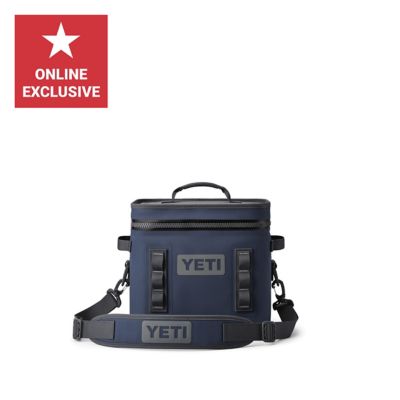
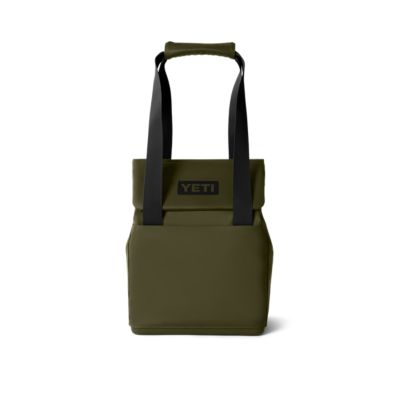
Back-to-school days do not always start at the classroom door. Many students walk or bike to school, cross wet fields on the way to the bus, spend recess outdoors, join forest or nature programs, or head straight from the last bell to a trail, farm, practice area, or after-school activity. The right outdoor gear helps them stay comfortable through all of it. A dependable backpack is a good place to start, especially for students carrying books, folders, lunch, a water bottle, and extra layers. Look for a pack with sturdy fabric, reinforced seams, comfortable shoulder straps, and enough room for the day without being oversized for the child wearing it. A padded back panel can make a full load easier to carry, while a ventilated design helps keep the back more comfortable during warm walks. Multiple pockets give wet gear, snacks, and small essentials their own place, and a chest strap can help keep the load steady on longer walks. For younger students, a smaller pack with simple compartments may be easier to manage; older students may appreciate added capacity and outdoor-friendly features. A weather-resistant finish is useful when a passing shower catches a student between the bus stop and home, though a separate rain cover or waterproof storage pouch can offer extra protection for papers and clothing. Bright colors, reflective details, and an easy-to-spot name label add practical touches for early mornings and busy pickup areas. Reusable hydration bottles are another everyday essential. A leak-resistant lid, a size that fits the backpack’s side pocket, and insulation for keeping drinks cool during warmer walks can make the bottle more likely to come home and get used again the next day. These basics also make thoughtful gifts for students heading into a new school year, whether they are starting kindergarten, moving to middle school, or spending more time outdoors through a nature-based program.
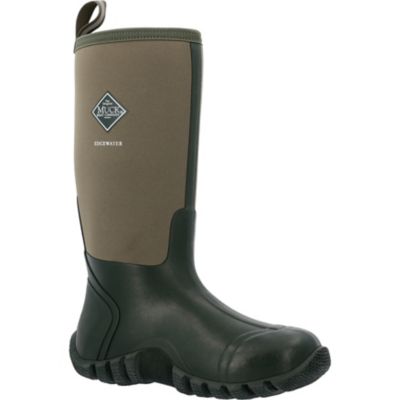
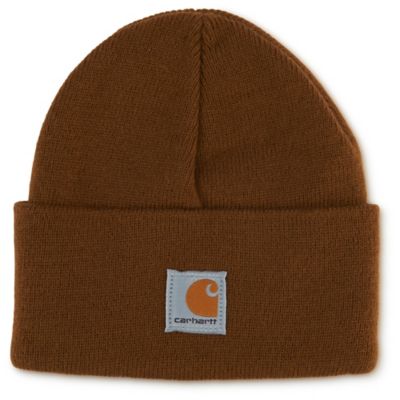
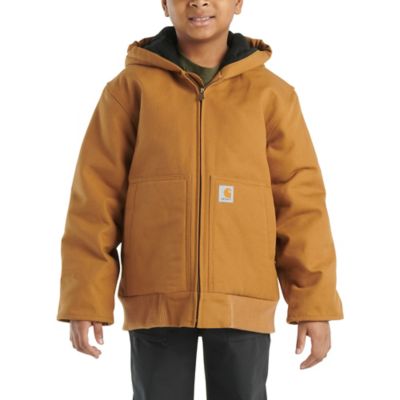
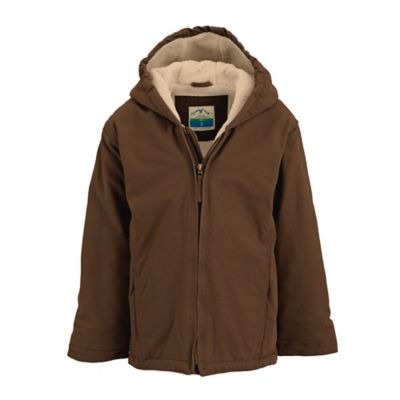
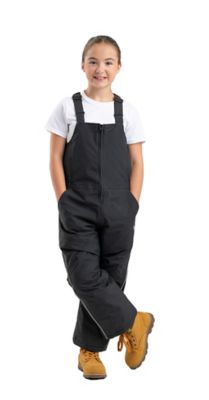
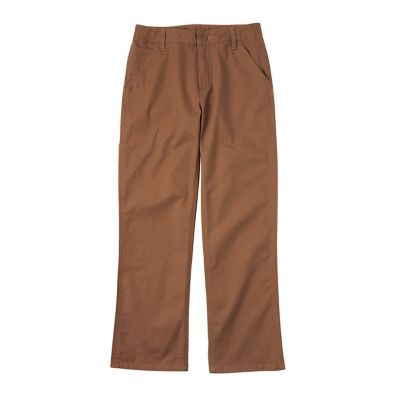
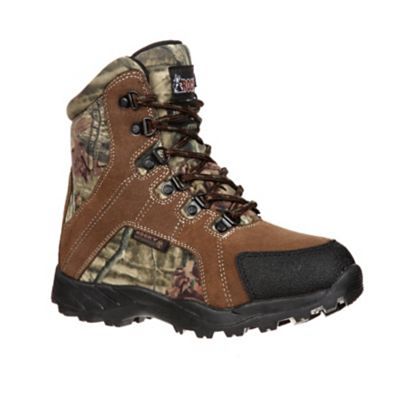
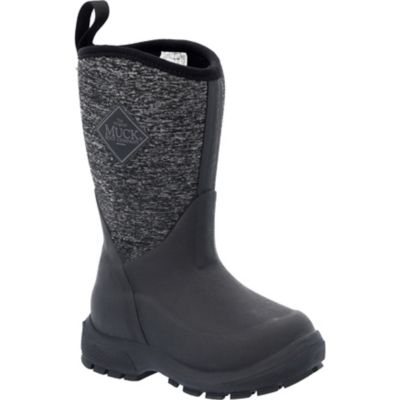
Clothing choices matter just as much when the weather shifts from warm afternoons to cooler mornings and damp days. Layering gives students a little more control than relying on one heavy coat. A lightweight fleece layer can add welcome warmth over a shirt without feeling bulky in a backpack, while a packable insulated layer is handy for chilly bus stops, field trips, and sudden cold snaps. Base layers and moisture-wicking socks help move sweat away from the skin during active walks, outdoor lessons, or games, keeping students drier when the temperature rises and warmer when the air turns cool. Look for materials that hold up to repeated washing and allow comfortable movement, since school clothes often see muddy knees, grass stains, playground dust, and a hard day of ordinary wear. Fit is especially important: sleeves should cover the wrists, waistbands should stay in place, and layers should leave enough room for reaching, climbing, and carrying a full pack. Waterproof or water-resistant footwear can be a real help during wet weather. Sturdy hiking-style shoes may suit students who walk on gravel, packed dirt, or uneven paths, while rubber rain boots are useful for puddles, muddy yards, and outdoor classrooms. Good traction is worth paying attention to, particularly when leaves, loose soil, or wet pavement make surfaces slick. Boots should have enough room for comfortable socks without sliding around, and students should have time to wear them before a long day so tender spots can be noticed early. A warm hat or beanie helps hold in heat during cooler mornings, while weather-resistant gloves protect hands on cold walks and outdoor chores. For younger children, label hats, gloves, and extra layers before they head to school; small pieces have a way of disappearing under a bench or in the bottom of a lost-and-found bin. Keeping a spare pair of socks or an extra layer in the backpack can also turn a soggy morning into a manageable school day.
Outdoor school gear should match the student’s daily routine, the local weather, and the amount of time spent away from home. A student who walks several blocks may need more rain protection and reflective details than one who rides a bus, while someone in an outdoor or forest program may need durable footwear, moisture-wicking layers, and a pack that can handle frequent use. Families shopping for a gift can build a useful set around a few dependable pieces: a comfortable backpack, a reusable bottle, warm socks, a versatile mid-layer, or weather-ready footwear. These items are practical for school, but they also carry over to weekend hikes, camping trips, county fairs, farm chores, and trips to the ball field. Students who play organized sports may need a different mix of bags, clothing, and accessories, and families can find more activity-focused options in
Back To School Sports Gear For Students. For everyday outdoor use, check that zippers open smoothly, buckles are easy for the student to operate, and heavier items sit close to the back instead of pulling the pack away from the shoulders. Consider how gear will be cleaned, dried, and stored between uses, too. Machine-washable layers, quick-drying fabrics, wipe-clean footwear, and a pack with a wide-opening main compartment are all helpful when mornings are rushed. As the weather warms, students can leave heavier layers at home or stash them in a pack; during the cooler months, those same layers make early starts and outdoor breaks more comfortable. With a few well-chosen essentials, students can be ready for changing conditions, active school days, and the everyday adventures that happen on the way there and back.