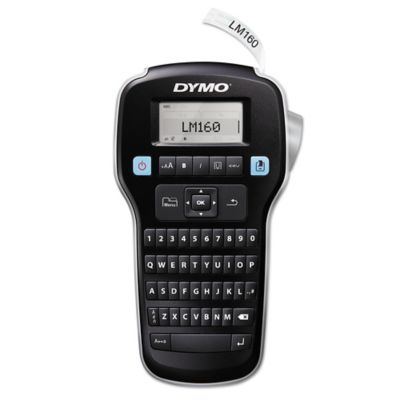
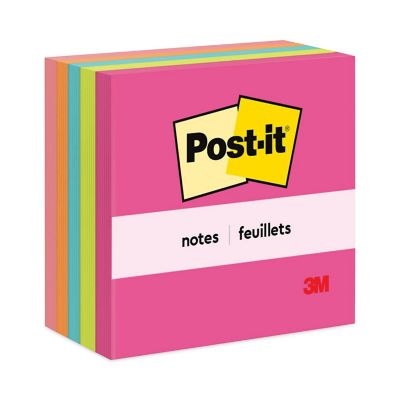
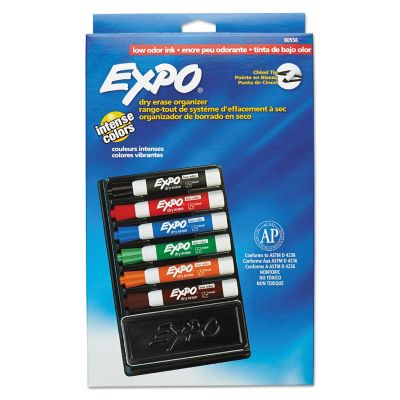
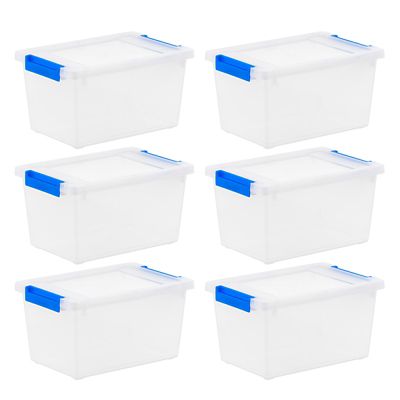
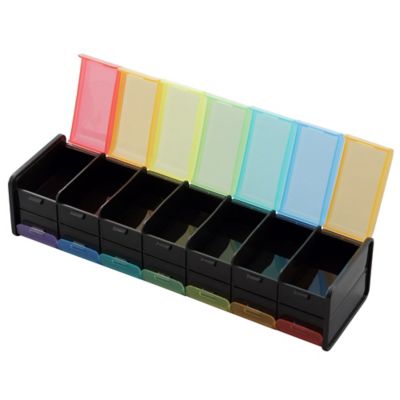
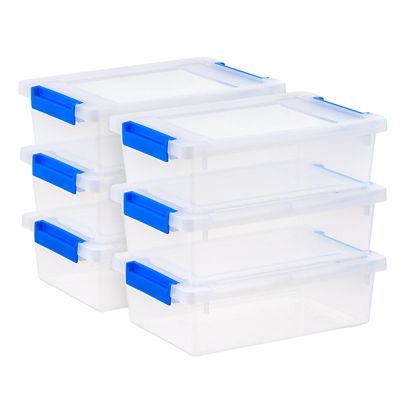
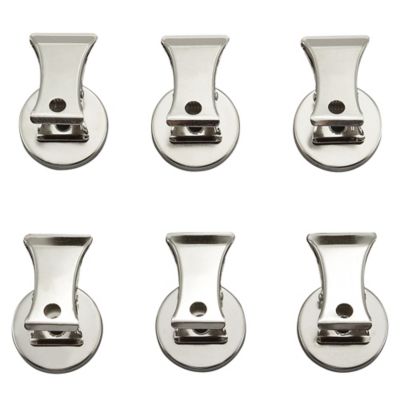
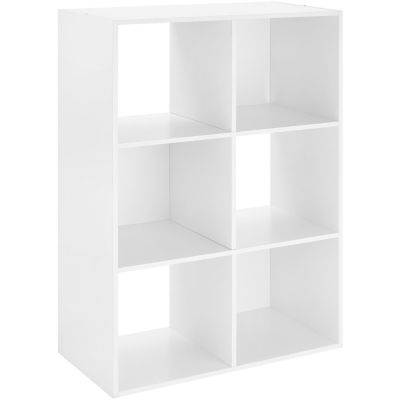
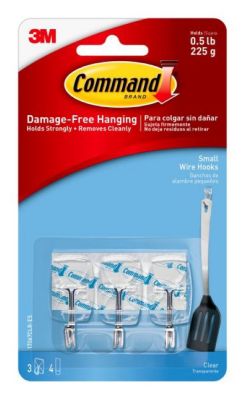
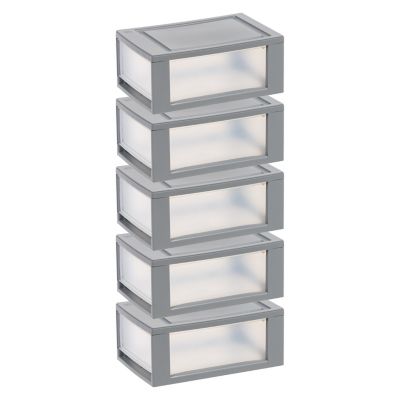
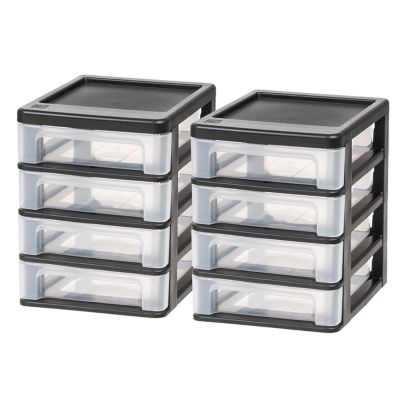
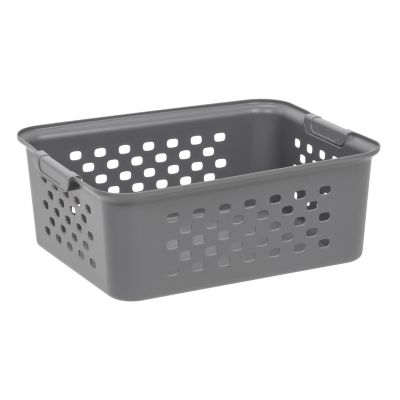
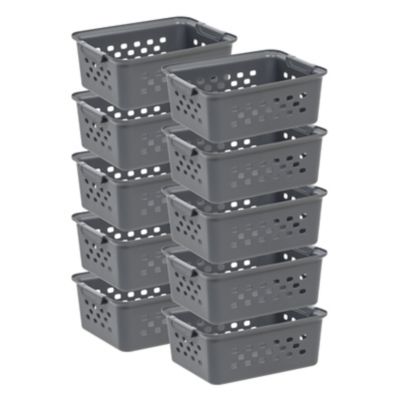
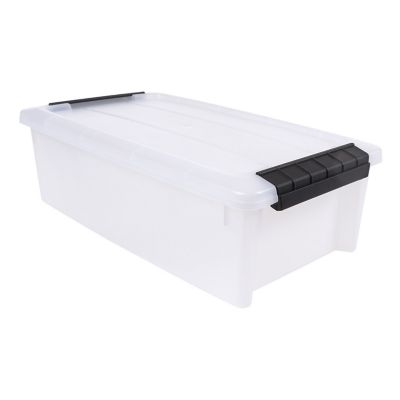
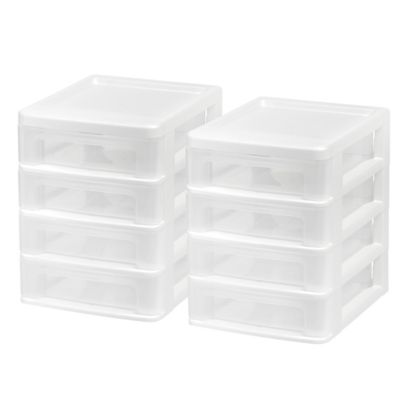
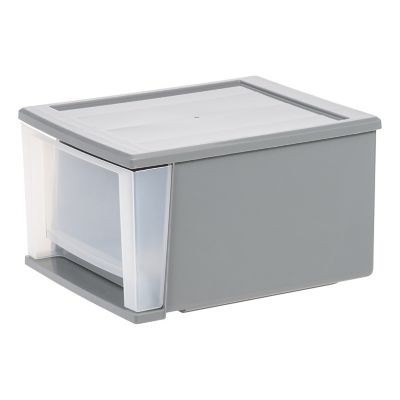
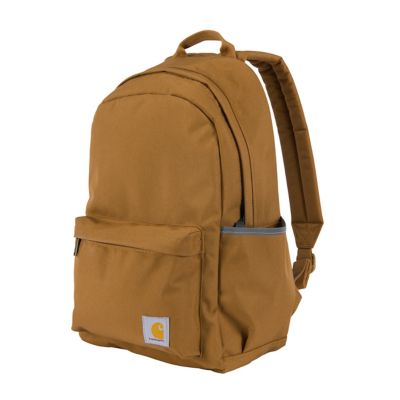
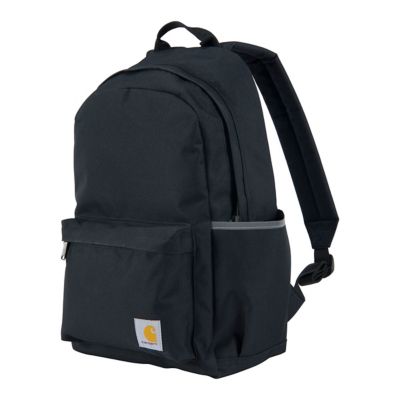
Getting back into a school routine is a whole lot easier when every item has a place to land. A few dependable back to school organization tools can help students keep track of papers, supplies, schedules and daily responsibilities from the first busy morning through the cooler months ahead. Start with the entryway, where backpacks, lunch bags, jackets and shoes tend to pile up. Wall hooks, cubbies, bench storage and sturdy bins can turn that scatter into a simple drop zone that works for the whole household. Choose storage that fits the student’s height and is easy to use without much fuss; a young child is more likely to hang up a backpack when the hook is within reach, while older students may appreciate a larger space for sports equipment, work clothes or outdoor layers. Labeled bins can hold art supplies, extra notebooks, seasonal clothing or small items that are easy to lose in a bedroom or mudroom. Clear containers make it easier to see what is on hand, while solid-color bins can give each child or school subject its own spot. For shared family spaces, look for durable materials that can handle muddy shoes, damp coats and the everyday wear that comes with farm, home and school life. A school-to-home folder with separate sections for completed work, papers that need a signature and items headed back to class can keep important notes from getting crumpled at the bottom of a backpack. Color-coded folders, notebooks and labels also make it quicker to find the right materials when the morning clock is moving fast. Families with more than one student may find it useful to assign a color to each child or to each class, creating a system that is easy to recognize at a glance.
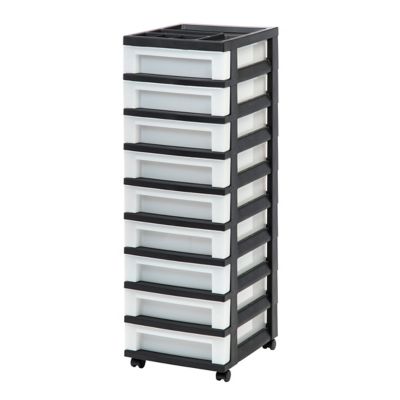
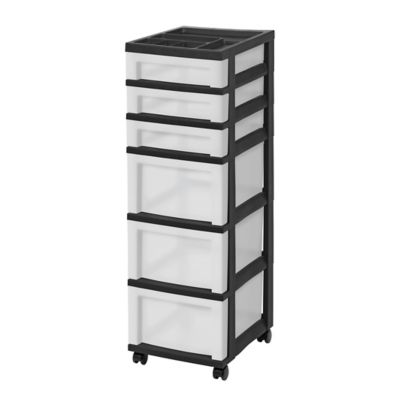
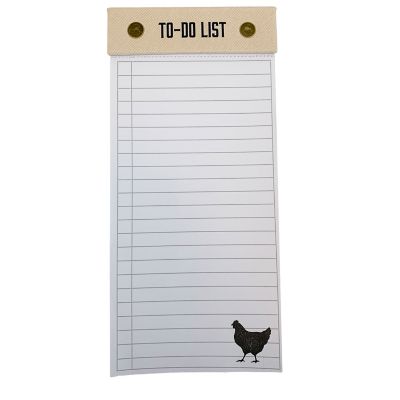
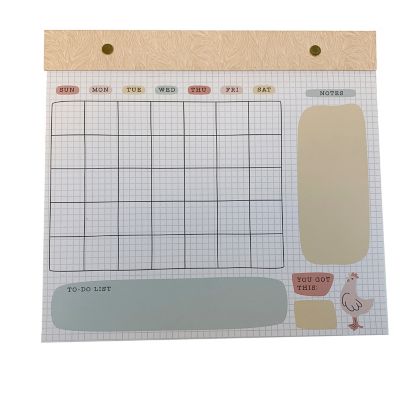
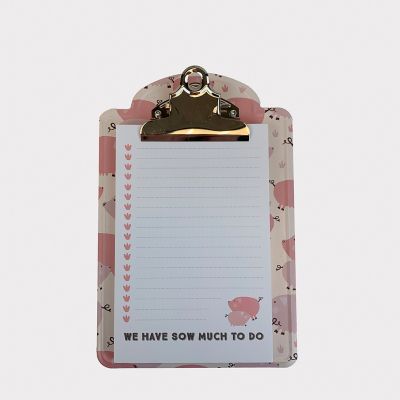
A homework station does not need to take over an entire room. A small desk, cleared corner of the kitchen table or rolling cart can give a student a reliable place to settle in after the bus ride home. Homework caddies and portable supply bins are handy for keeping pencils, pens, erasers, rulers, scissors, glue and other frequently used items together, especially when schoolwork happens in different rooms. Choose a caddy with a comfortable handle and compartments that keep smaller supplies from disappearing beneath larger ones. For a student who moves between the kitchen, bedroom and living room, a lightweight option may be more practical than a larger organizer. Older students may need deeper storage for calculators, chargers, index cards, craft materials or project supplies. Planners, desk calendars and wall calendars can help turn a long list of assignments into manageable steps, while a shared digital calendar can keep caregivers, students and other family members on the same page about school events, practices, appointments and pickup times. A visual timer may help younger children understand how long to work before taking a short break, and it can be useful for reading practice, chores or getting ready for the next day. When choosing organization tools for a particular student, consider age, grade level, learning style, available space and how much supervision is part of the routine. A first grader may benefit from picture labels and open-top bins, while a middle or high school student may prefer a planner, file organizer and charging area that support a fuller schedule. Tools that are simple to reset are often the ones that last: a folder with clearly marked pockets, a bin that slides neatly beneath a desk and a calendar with enough room for real notes tend to earn their keep. These items can also make thoughtful gifts for students, teachers, college-bound young adults or families settling into a new home, especially when paired with notebooks, writing supplies or other practical school necessities.
Organization is not about making a home look perfectly tidy every minute of the day. It is about creating small, repeatable habits that save time and reduce the scramble when everyone is trying to leave the house. A labeled drop zone can keep a child from searching under the couch for a missing shoe. A homework caddy can prevent a late-night hunt for a pencil sharpener. A two-pocket folder can keep a permission slip dry and easy to find. Before purchasing, measure shelves, desks and closets so bins and organizers fit the space instead of becoming another item to work around. Check handles, hinges, zippers and seams for sturdy construction, particularly if the tool will be carried between school, home and activities. Consider wipe-clean surfaces for younger students and compact designs for lockers, dorm rooms or crowded bedrooms. For digital planning tools, look for easy sharing, clear reminders and settings that fit the family’s comfort level with screens. It can also help to leave a little room for growth; a backpack drop zone may eventually hold sports bags, library books or job-related gear, and a file organizer may need to handle more papers as classes become more demanding. Students who spend time outside can keep school-day essentials together with
Back To School Student Outdoor Gear, making it easier to move from the classroom to the bus stop, ball field, trail or family chores. As the weather warms and later as cooler days settle in, having a ready place for hats, rain layers, gloves and other everyday gear helps keep routines moving. With the right mix of storage, labeling, planning and portable organization, students can take more responsibility for their belongings while caregivers spend less time sorting through clutter and more time enjoying the rhythm of the school year.