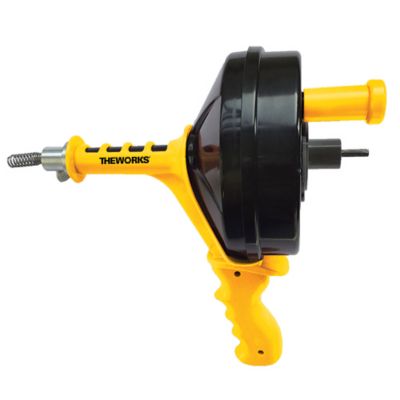
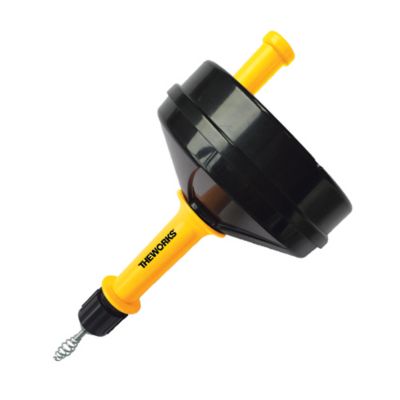
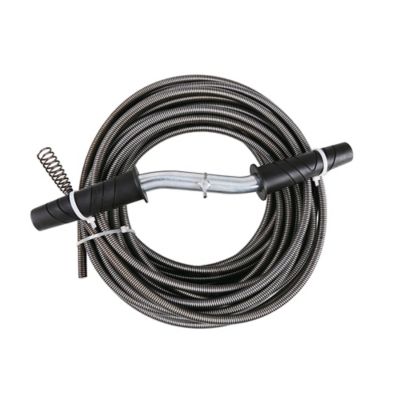
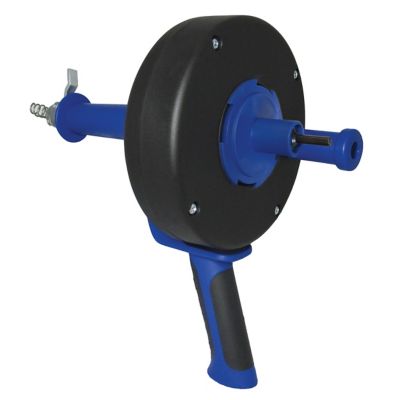
Auger cables can refer to two different kinds of replacement and repair parts, so it helps to know which job you have in mind before choosing one. In plumbing, an auger cable is the flexible steel spring, often called a drain snake, that travels through a pipe to loosen, break apart, or pull out clogs. These cables are useful for sinks, tubs, floor drains, laundry lines, and other household or farm-building plumbing where a plunger cannot reach the blockage. A short handheld cable may be a practical choice for routine drain work around the house, while longer cables are better suited to reaching farther into large lines or working from a drum-style machine. Cable diameter matters, too. Smaller cables can move more easily through tight household bends, while heavier cables offer added strength for stubborn buildup and larger pipes. The right head style also depends on the kind of blockage you are dealing with. A bulb-shaped end can help catch hair and soft debris, a drop head can work its way through bends, and a cutter-style end may be used for tougher buildup or roots. Before buying, check the drain auger or machine’s specifications for the proper cable length, diameter, end fitting, and connection style. A cable that is too large may not pass through bends, and one that is too small may twist or fatigue when it meets a hard obstruction. Wear gloves and eye protection during drain work, keep your hands clear of moving parts, and avoid forcing a cable around a sharp bend. Feed it steadily, turn it at a controlled pace, and pull it back slowly so debris does not splash or scatter. After use, rinse away grime, wipe the cable dry, and apply a light protective oil when recommended. Store it loosely and neatly rather than leaving it kinked in a corner of the shop. Rust, flattened sections, sharp burrs, deep bends, and weak spots are signs that a plumbing auger cable should be replaced. Keeping a properly sized spare on hand can save a trip into town when a backed-up drain shows up during a busy stretch of chores, especially in an older farmhouse, workshop, rental property, or outbuilding where plumbing gets regular use.
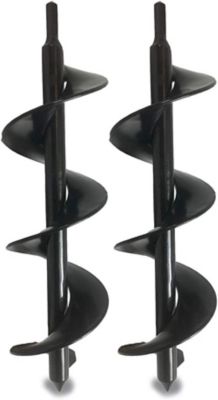
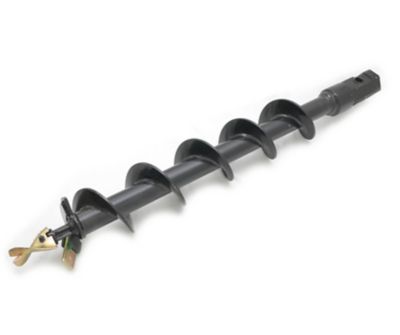
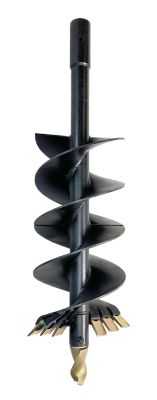
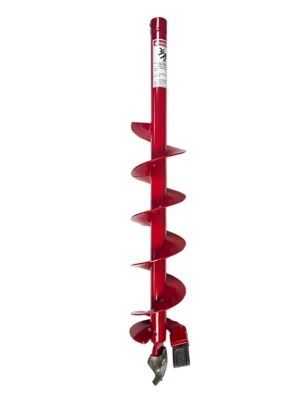
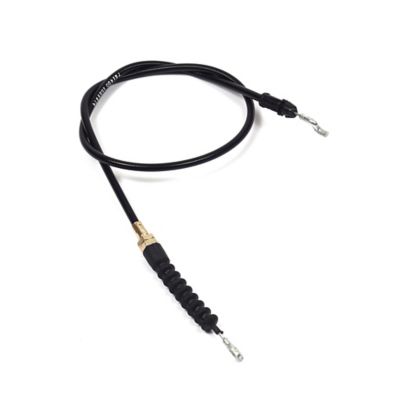
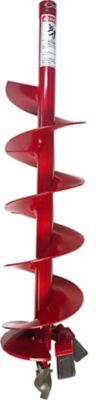
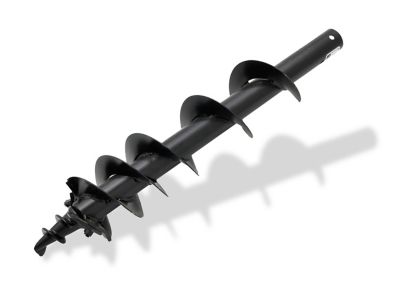
On outdoor power equipment, an auger cable serves a different purpose. This type is a mechanical control cable that connects the operator’s handle to the engagement mechanism on a snowblower or similar machine. When the control lever is squeezed, the cable pulls on the linkage or idler arm, tightens the drive system, and allows the front auger to turn. A worn, stretched, frozen, or broken cable can make the auger difficult to engage, cause it to slip, or keep it from stopping as it should. As colder weather approaches, checking this small part along with the belt, shear pins, skid shoes, and other snow equipment can make winter cleanup go more smoothly. Replacement auger cables vary by equipment, so match the cable to the exact machine model and compare the overall length, housing length, end fittings, bends, mounting points, and adjustment hardware. The cable should follow the original routing without rubbing against a pulley, belt, housing, or sharp edge. Before beginning any inspection or replacement, shut off the engine, remove the ignition key or disconnect the spark plug wire as appropriate, and wait for all moving parts to stop. Never put your hands near the auger or discharge area, even when the machine appears to be off. Installation commonly involves removing a protective cover, unhooking the old cable from the handle and lower linkage, routing the replacement through the same guides, and securing both ends. Use the built-in barrel adjuster or turnbuckle to set the correct tension, following the equipment instructions. Too much slack may keep the auger from engaging fully, while too much tension can make the auger stay engaged or place unnecessary strain on the belt and linkage. Test the control with the machine safely shut down before operating, then make sure the auger starts and stops properly in an open area. An auger cable can be a handy item for a property owner, maintenance worker, small farm operator, or do-it-yourself equipment owner who prefers to handle straightforward repairs in the shed. It can also make a thoughtful, practical gift for someone who keeps snow equipment ready for a long driveway, livestock area, rental property, or rural lane, although fit and compatibility matter more than appearance. For shoppers comparing auger-related parts, remember that a cable controls movement, while the cutting components that move snow, soil, or other material are a separate category; shoppers looking for those components can also browse
Auger Blades. Whether you are clearing a stubborn drain during the warmer season or preparing a snowblower for the cooler months, choosing the correct cable, keeping it clean and protected, and replacing it at the first sign of damage helps equipment work with less fuss when the job is waiting.