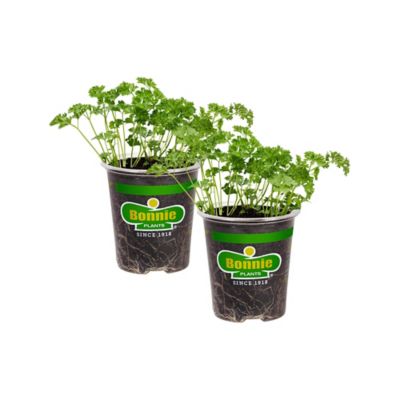
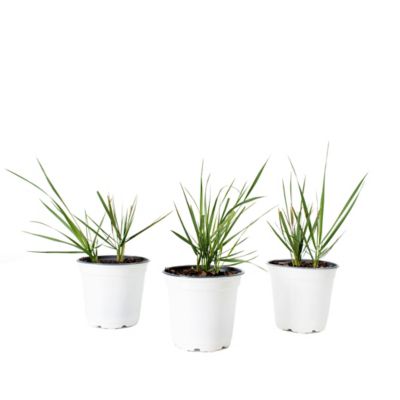
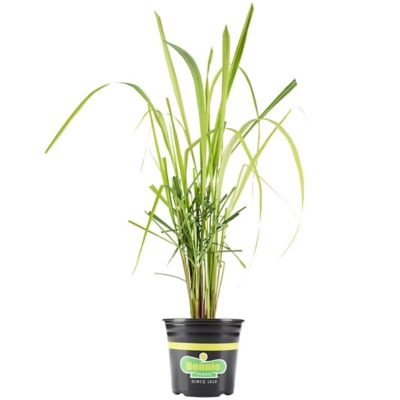
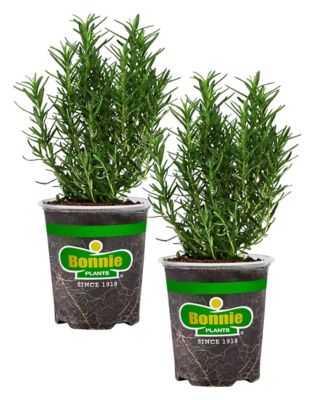
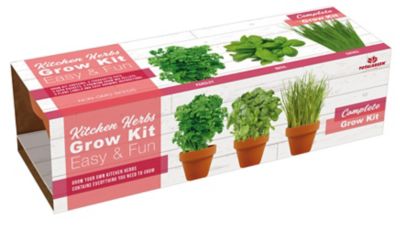
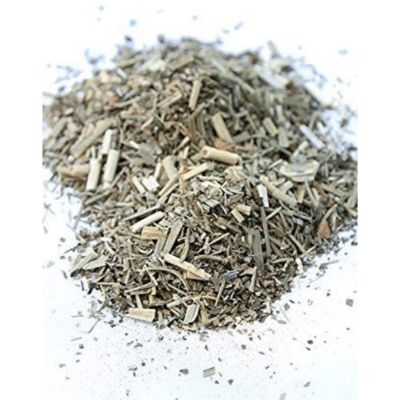
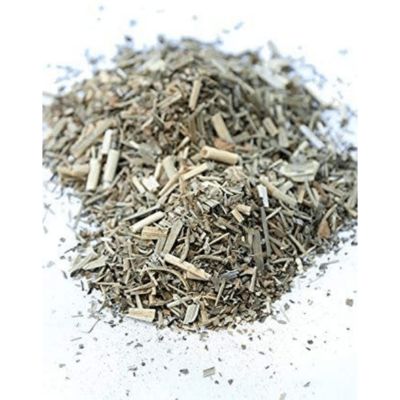
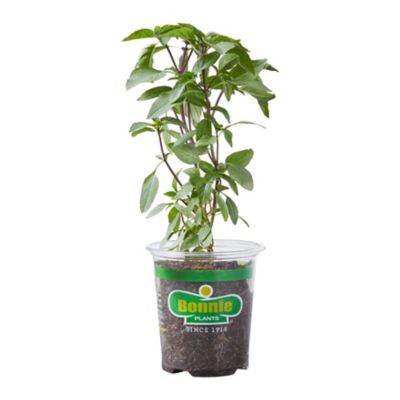
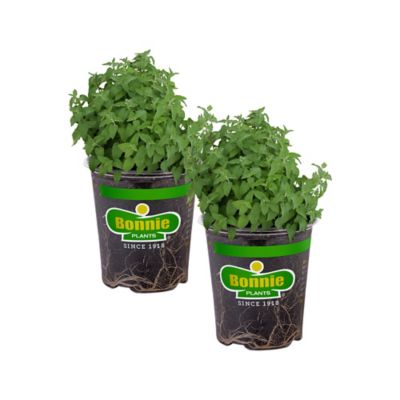
Aromatic herbs are plants with strong, pleasing scents that become more noticeable when their leaves are brushed, crushed, chopped, or warmed. They bring a little extra life to a kitchen windowsill, backyard garden, porch planter, or worktable, and they can be useful in plenty of everyday ways. Basil has a sweet, pungent fragrance that fits right in with tomato dishes, pasta sauces, pesto, and summer salads. Rosemary carries a woody, pine-like scent that stands up well beside roasted meats, potatoes, breads, and hearty vegetables. Lavender offers a soft floral aroma for teas, baking, sachets, and simple home décor, while mint has a cool, refreshing scent that works nicely in drinks, fruit salads, grain dishes, and garnishes. Thyme has an earthy character with a subtle mint-and-lemon note, making it a dependable choice for soups, stews, beans, poultry, and other meals that simmer for a while. When choosing aromatic herbs, think about how you plan to use them, how much sunlight and room you have, and whether you prefer fresh growth, dried material, or a ready-to-use form. A sunny window can be enough for a small indoor planting, while outdoor herbs generally appreciate well-drained soil, good air movement, and regular attention without sitting in soggy ground. Look for healthy plants with richly colored leaves, sturdy stems, and a clean, lively scent. If you are buying seeds or young plants, consider the mature size and whether the herb will be grown in a container, raised bed, kitchen garden, or mixed border.
Aromatic herbs are useful well beyond the dinner table. Gardeners often tuck them near walkways or seating areas, where a passing hand or warm breeze can release their fragrance. Many flowering herbs provide nectar for bees, butterflies, and other helpful pollinators, adding movement and color to a growing space during the warmer part of the season. Some strong-smelling herbs may also help discourage certain nuisance insects when planted around patios or vegetable beds, though they work best as part of a broader garden routine rather than as a stand-alone pest solution. Fresh herbs can be snipped close to mealtime and added to sauces, marinades, roasted vegetables, eggs, and homemade dressings. To preserve a harvest, bunches can be air-dried in a warm, dry place with good ventilation, or leaves can be stored for later use according to the needs of each herb. Dried herbs are more concentrated than fresh ones, so a small amount often goes a long way. Fragrant leaves and flowers can also be used in simmering blends, drawer sachets, bath additions, and simple craft projects. A few sprigs tied with natural twine can dress up a pantry shelf or serving table, and dried stems can add texture to seasonal arrangements alongside
Natural Wreaths. Keep anything intended for cooking separate from materials treated with pesticides, preservatives, fragrance oils, or other substances not labeled for food use.
Aromatic herb products can suit just about anyone who enjoys cooking, gardening, homemaking, or spending time outdoors. They make a thoughtful gift for a new homeowner, a backyard gardener, a friend who likes to cook from scratch, or someone setting up a sunny apartment window for the first time. A small collection of different scents can help a beginning gardener learn what grows best in their space, while a seasoned grower may appreciate herbs chosen for a particular cooking style, fragrance, or planting area. During the cooler months, fragrant herbs can bring a welcome reminder of the garden indoors, especially when fresh growth is limited and hearty meals are back on the menu. Before purchasing, check growing requirements, hardiness information, container size, light needs, and watering preferences. Some herbs prefer dry conditions once established, while others need more consistent moisture, and crowded pots can lead to weak growth or poor air circulation. If you plan to use herbs around pets or livestock, identify each plant carefully and keep unfamiliar varieties out of reach until you have confirmed they are suitable for your animals. For culinary use, choose clearly labeled, food-safe herbs and follow any preparation directions provided. With a little sunlight, a sharp pair of snips, and a spot where their fragrance can be enjoyed, aromatic herbs can add flavor, character, and a touch of country charm to everyday routines.