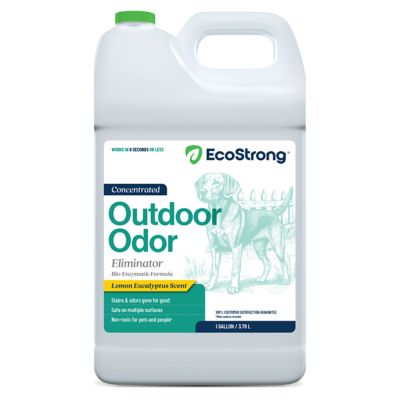
Air fresheners add fragrance to indoor spaces and vehicles, and some formulas also help reduce unwanted odors. They can make a difference in everyday places: the mudroom where work boots land, the bathroom off the hallway, or the pickup that carries everything from groceries to fishing gear. The main distinction is how a product handles a smell. A fragrance-focused air freshener adds a pleasant scent, while an odor-neutralizing formula works on certain odor-causing compounds. Absorbent materials, such as activated charcoal or baking soda, can help capture some odors without adding much fragrance, if any. Those differences matter when choosing between a lightly scented room and a space that simply smells more neutral. For smells that need attention beyond an added fragrance,
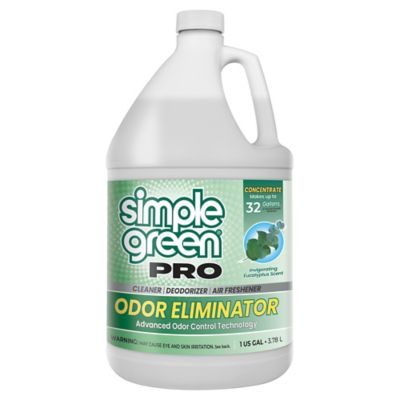
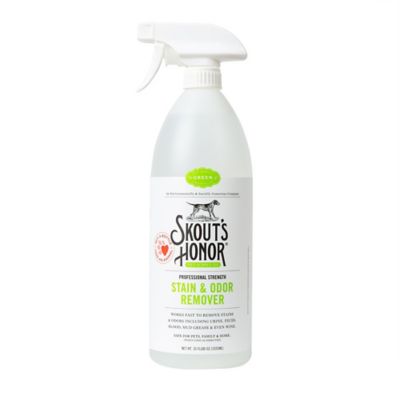
Odor Removers include options intended to tackle unwanted odors, with applications that depend on the formula. Neither fragrance nor odor control takes the place of emptying the trash, washing pet bedding, cleaning a spill, or tracking down persistent moisture. Once the source gets attention, an air freshener can help keep the space more pleasant between regular cleanups. Scent preference is personal, too. Citrus can bring a bright note to a kitchen or entryway, linen-inspired scents tend to feel familiar in laundry areas, and woodsy or herbal fragrances may suit a den or home office. A strong scent in a small room can quickly become more noticeable than intended, so fragrance intensity matters as much as the scent itself. In a shared household, a lighter fragrance or a fragrance-free odor absorber may be a better fit than a bold scent that follows everyone down the hall. Keep expectations grounded in the label: a pleasant smell does not establish that a room is clean, and an ordinary air freshener is not a disinfectant. The goal is a comfortable space, not a cloud of fragrance covering up something that still needs cleaning.
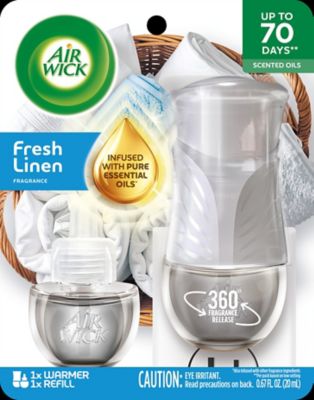
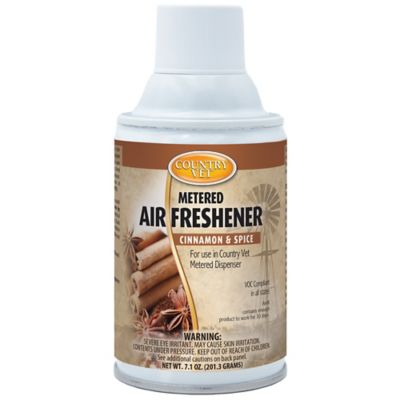
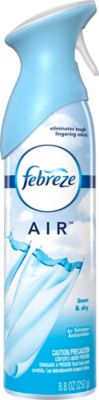
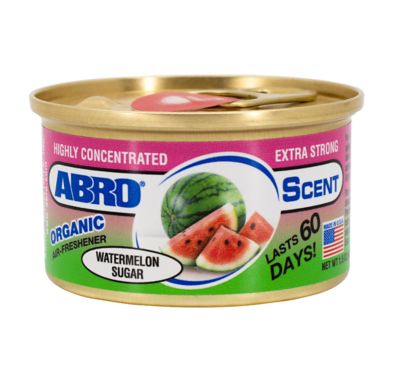
Different air freshener formats suit different routines. Room sprays offer fragrance on demand, making them handy for an occasional refresh rather than a steady scent throughout the day. Manual pumps and aerosol containers dispense their contents differently, and the directions identify where and how each formula belongs. A room spray is not automatically suitable for upholstery, carpets, clothing, or pet bedding; those applications need explicit label directions. Automatic spray dispensers release mist at set intervals, with settings and refill requirements that vary by design. Their placement needs enough clearance to keep the spray away from faces, food, and nearby surfaces. Plug-in air fresheners provide ongoing fragrance through a warmer and a compatible refill, often with an adjustment for scent output. The refill shape, connection, and operating position matter, so a bottle that looks close is not necessarily a match for the warmer. Gel and solid air fresheners release scent gradually without a powered dispenser, making them an option for a bathroom shelf or another permitted location where an outlet is not convenient. Some have adjustable covers that expose more or less of the scented material. Reed diffusers draw scented liquid through porous reeds, while other passive designs hold fragrance in a pad, block, or similar material. Glass bottles, plastic housings, metal spray cans, absorbent inserts, and liquid refills each bring different handling needs. An open liquid container needs a level spot where it will not get knocked over, and fragrance oils can mark some finished surfaces if they spill. Enclosed designs still need placement beyond the reach of children and pets. How long any format lasts depends on its contents, output setting, airflow, and frequency of operation, not just the size of the package. A stated service life is most useful when read alongside the conditions on the label. For ongoing care, compatible refills, a clean dispenser exterior, and an unobstructed opening help keep the setup working as intended. Refillable equipment also needs inspection for leakage or damage before the next refill goes in.
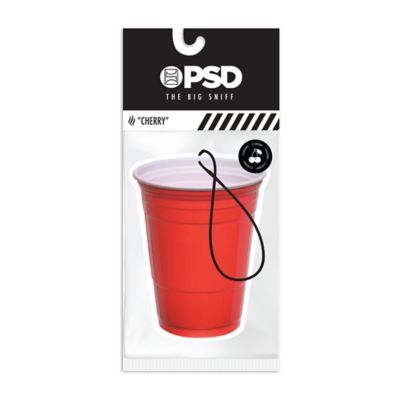
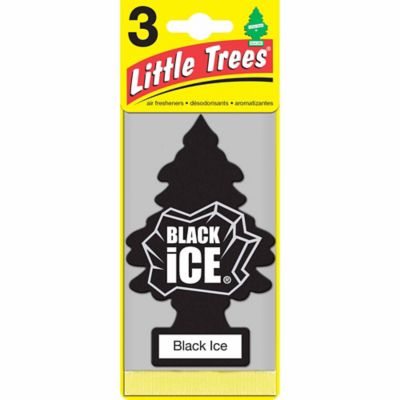
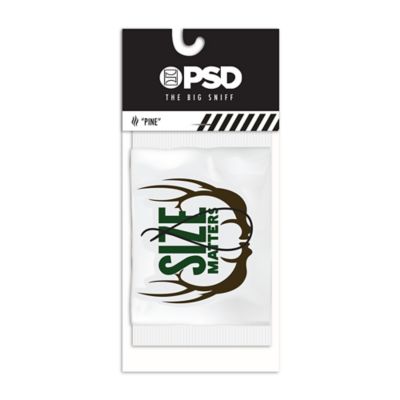
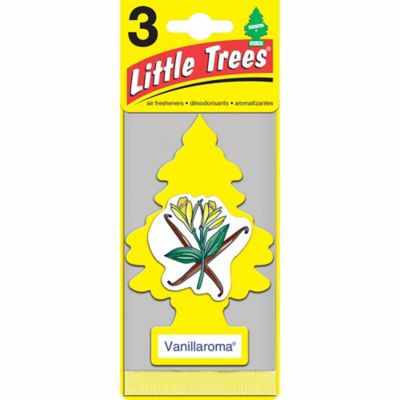
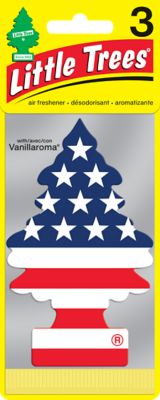
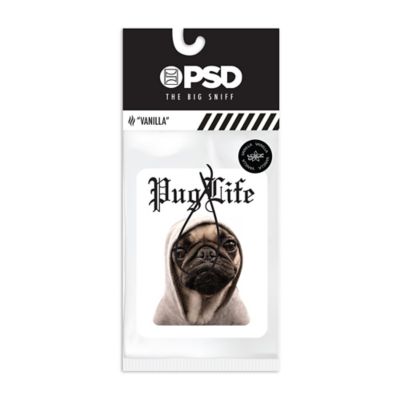
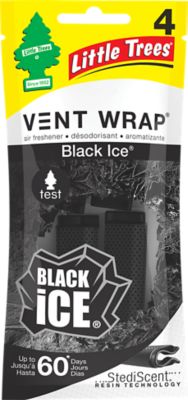
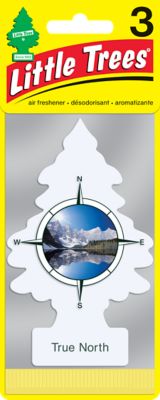
Vehicle air fresheners have their own fit considerations, especially in a pickup cab that doubles as a lunchroom and a place to pull off muddy boots. Hanging designs, vent clips, and contained scent holders take up space differently, and their placement should leave the driver's view, controls, pedals, and airbags clear. A vent-mounted design needs a clip that fits the vent without forcing or bending its slats. Air moving through the vent can change how noticeable the fragrance becomes, so an adjustable opening may be helpful in a compact cab. Hanging designs should not swing against finished surfaces, and scented liquids need particular care around dashboards, consoles, and upholstery. Fragrance is the finishing touch after removing food wrappers, wiping cup holders, and cleaning floor mats—not a substitute for those jobs. The same thinking carries over to the house. A busy back entry may need a different approach than a small guest bathroom, and a scent that seems mild in an open living area may feel overpowering beside a desk. Placement should follow the product's directions rather than putting fragrance directly beside someone's chair or where animals eat and sleep. Homes with scent-sensitive people or pets may call for fragrance-free options or no air freshener at all; fragrance ingredients, including essential oils, are not automatically suitable around animals. Follow pet-related precautions, and ask a veterinarian when suitability is uncertain. Routine care stays straightforward: wipe spills promptly as directed, keep containers upright when required, replace depleted contents according to the label, and store sprays and refills away from children, pets, flames, and ignition sources. Never combine air freshener liquids with cleaners or pour them into equipment meant for another formula. With the right format and sensible placement, freshening the bathroom, mudroom, or truck cab can stay a small part of the regular cleanup routine, without making fragrance the first thing anyone notices when they walk in.