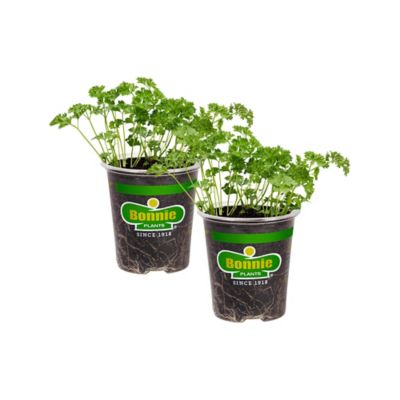
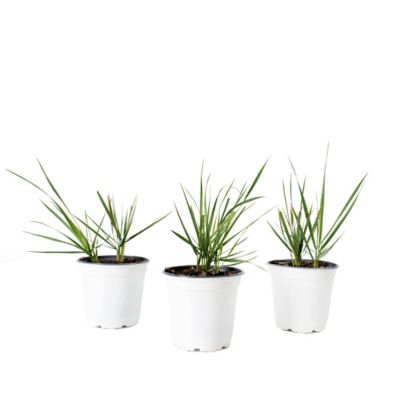
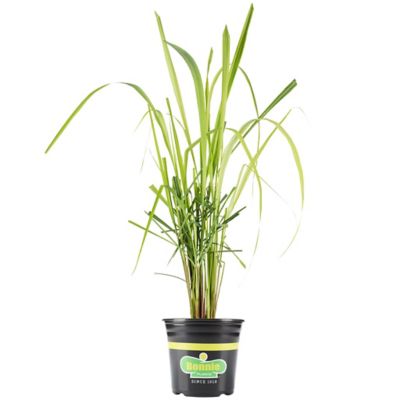
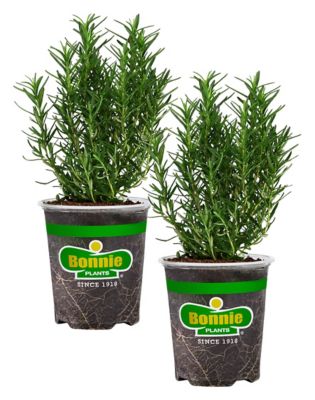
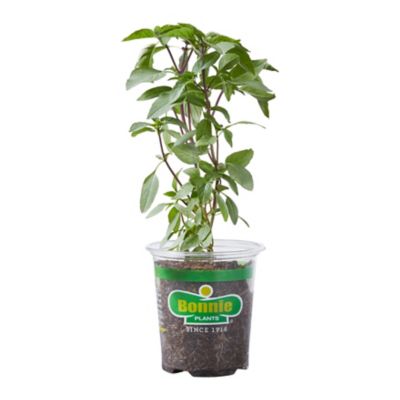
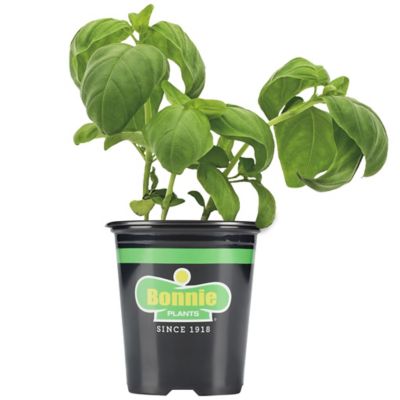
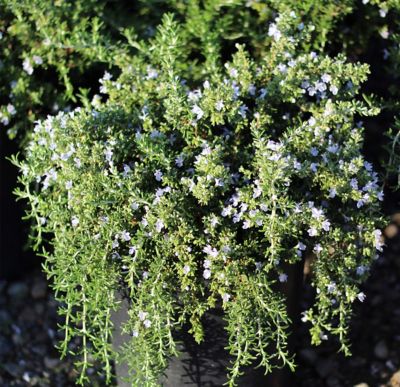
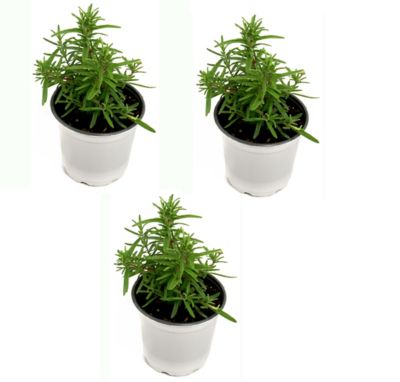
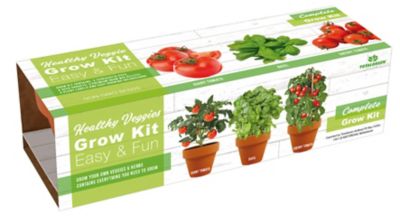
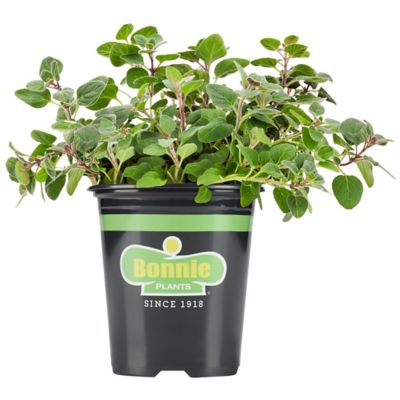
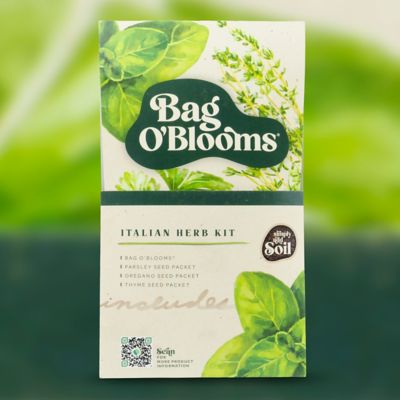
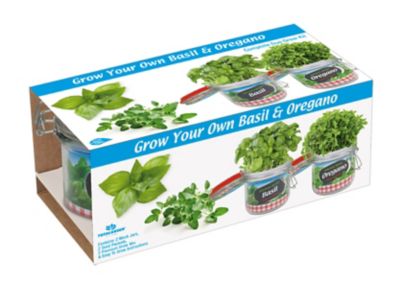
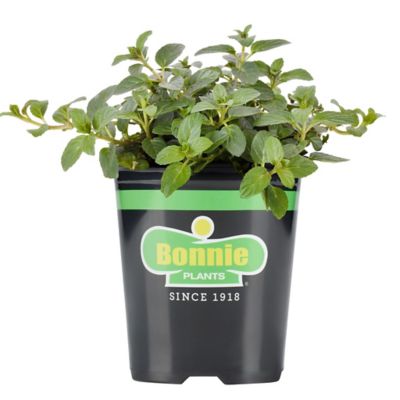
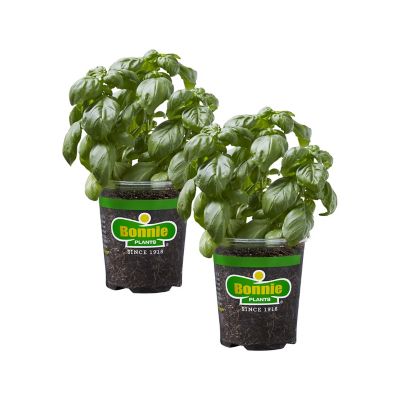
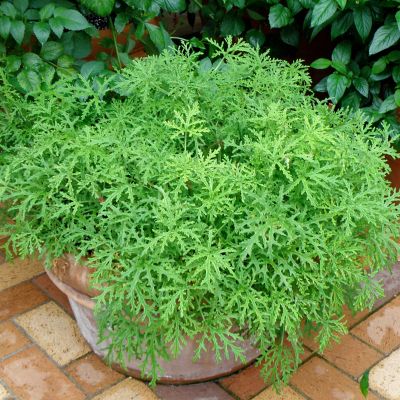
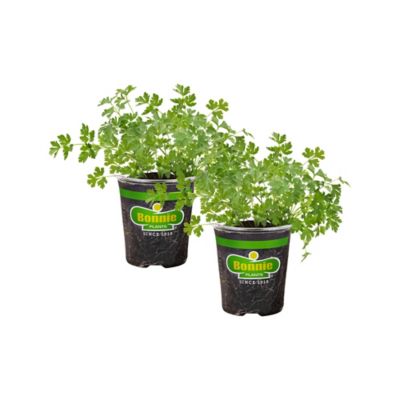
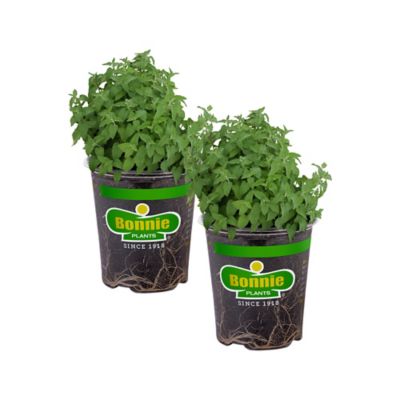
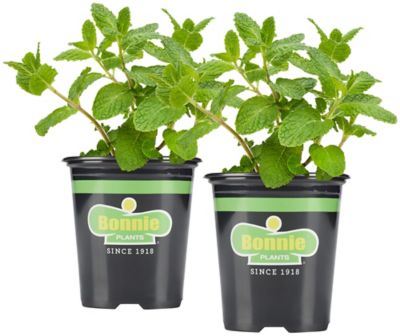
Herb plants bring fresh flavor, familiar scents, and a little working greenery to spaces ranging from a farmhouse kitchen to a backyard garden bed. These leafy or flowering plants are grown for purposes such as seasoning food, preparing herbal teas, and enjoying fragrant foliage, with each kind offering its own growth habit and care needs. Culinary herbs make everyday meals feel a bit more personal: a few basil leaves over sliced tomatoes, parsley scattered across potatoes, or thyme tucked into a pot of beans. Choosing herb plants starts with the flavors you reach for and the space you have to grow them. Basil has tender leaves and an upright, branching habit, while parsley forms leafy clumps that fit neatly into pots and bed edges. Rosemary develops firm stems and narrow, fragrant leaves, and thyme generally stays lower, making it a practical choice where taller growth would get in the way. Mint brings a bright scent and vigorous growth, so a separate container helps keep its spreading roots from taking over neighboring plants. Most culinary herbs grow best with about six or more hours of direct sunlight a day, though the right exposure depends on the plant. Mint and parsley can tolerate some partial shade, while rosemary and thyme generally need stronger light and soil that drains freely. An indoor location needs more than a convenient spot beside the sink; the amount of light reaching the leaves matters more than how bright the room looks. A suitable grow light can help when window light falls short. For cooking and drinks, choose plants clearly identified for culinary use, since a pleasant fragrance alone does not establish that a plant is edible. The best fit is an herb you enjoy, in a spot that supports its growth, with enough room to reach in and gather leaves without disturbing the rest of the planting.
Plant size, root condition, and the growing container all matter when choosing herbs for a home garden. Look for foliage and stems that match the plant’s normal appearance, along with a clear label explaining its identity and basic care. A compact starter plant can settle into a small growing area, but its mature spread is a better measure of the room it will eventually need. Upright herbs need clearance above the pot, while spreading or trailing plants need space around the rim. Containers should have drainage holes so excess water can escape rather than collect around the roots. A saucer protects the surface beneath a pot, but standing water should be emptied instead of left against the container’s base. Material makes a difference, too: porous terracotta allows moisture to evaporate through its sides, while plastic and glazed containers generally hold moisture longer. A larger pot also tends to dry more slowly than a small one, so watering needs depend on the whole setup, not just the plant name. Container potting mix provides a different root environment than dense soil scooped from a yard, which can compact in a pot and restrict drainage. Basil and parsley generally prefer more consistent moisture than rosemary and thyme, making shared containers most practical when the plants have similar needs. Checking the soil before watering gives a better picture than following the same schedule for every herb. Depending on the plant, the surface may need to dry slightly before more water goes in, while the root area should not remain waterlogged. Harvesting habits also shape how a plant fills out. Small, regular snips can encourage branching on herbs such as basil, provided enough healthy foliage remains to support growth. Woody herbs need a gentler approach, with cuts kept in leafy growth rather than deep into bare stems. Clean snips, room between plants, and occasional checks beneath the leaves make it easier to spot changes before a small concern affects the whole container.
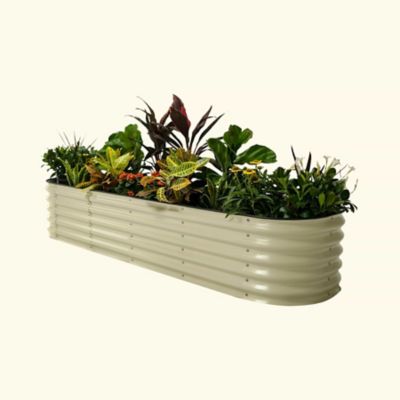
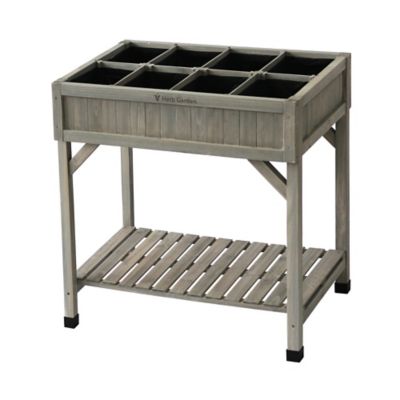
Herb plants fit plenty of everyday routines, whether dinner comes together at the kitchen counter or ingredients travel out to a grill beside the house. A cook who reaches for fresh leaves several times a week may prefer a few separate pots within easy reach, while someone with a roomy garden bed may want a larger planting with clear paths between groups. Keeping herbs near a frequently traveled doorway can make harvesting less of a chore, as long as that location provides the light and drainage the plants need. Pots on sturdy stands or benches can reduce bending, while stable, broad-based containers are a better match for busy spots where people carry groceries, watering cans, or garden tools. Indoors, a washable tray and a little clearance from curtains, food preparation surfaces, and electrical outlets help keep the growing area tidy and practical. Outdoors, herbs can share a broader planting plan without being crowded beneath larger plants. For beds that need a larger framework, browse
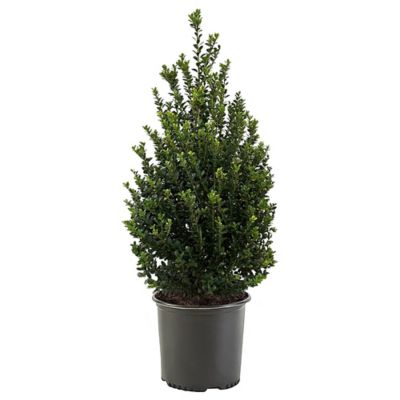
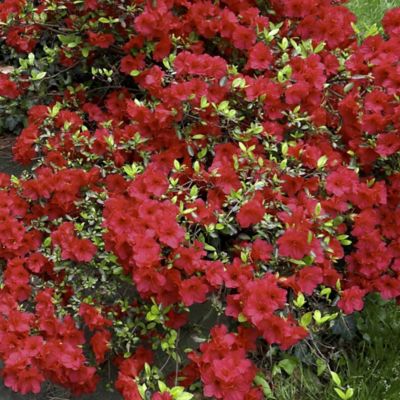
Shrubs Plants while allowing enough distance for herbs to receive light and remain easy to reach. Flowering herbs can also attract pollinators, although allowing a plant to bloom may change its leaf flavor or shift growth away from the foliage gathered for cooking. Households with children or animals should check each plant’s suitability before placing it within reach, since culinary use for people does not mean every herb is appropriate for pets. As a gift, an herb plant makes sense for a home cook, a neighbor who enjoys tending a garden, or someone settling into a place with a bright growing spot. Matching the plant to the recipient’s space and care routine matters more than choosing the biggest pot. A clearly labeled herb with manageable growth and familiar kitchen uses gives its next caretaker something useful to tend, trim, and enjoy.