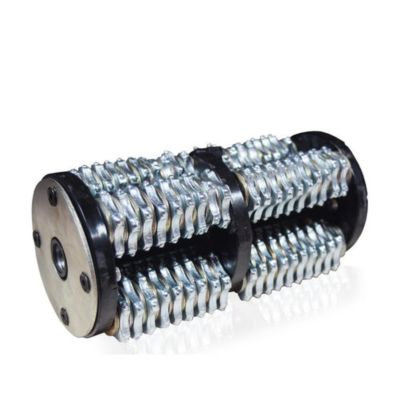
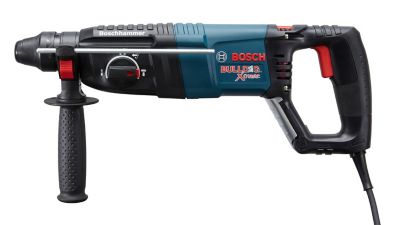
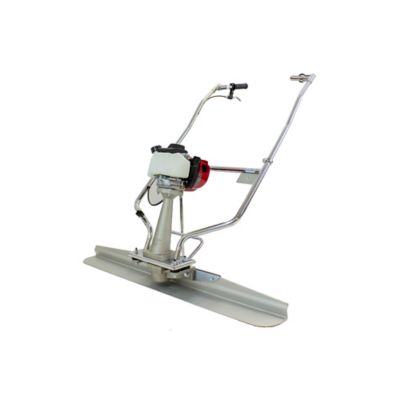
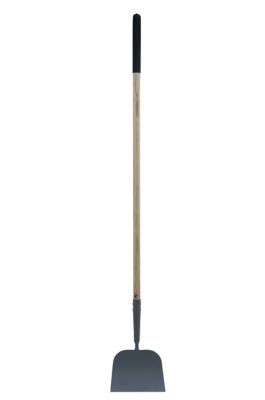
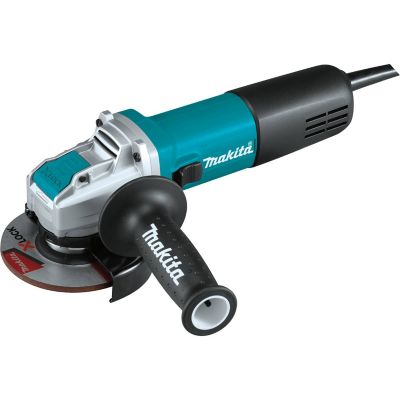
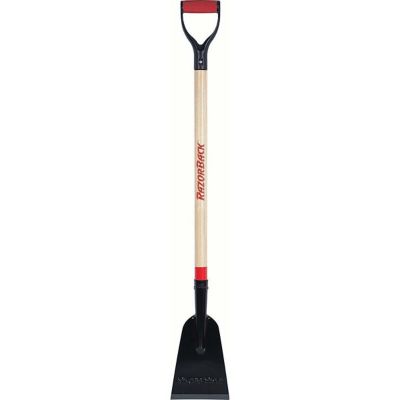
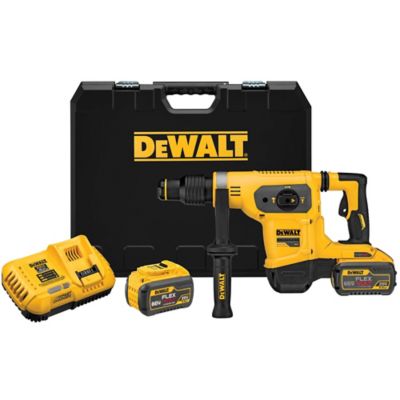
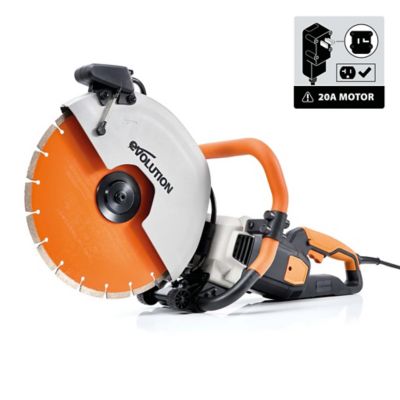
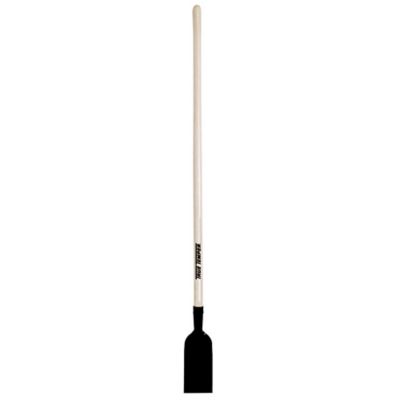
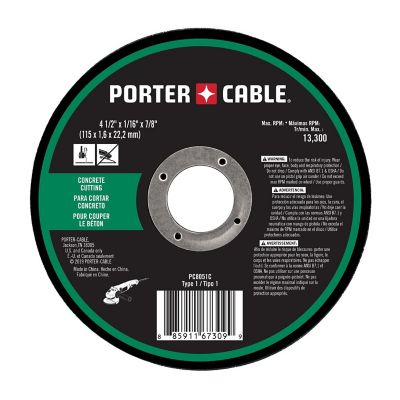
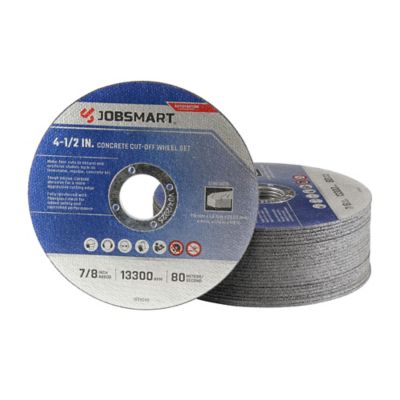
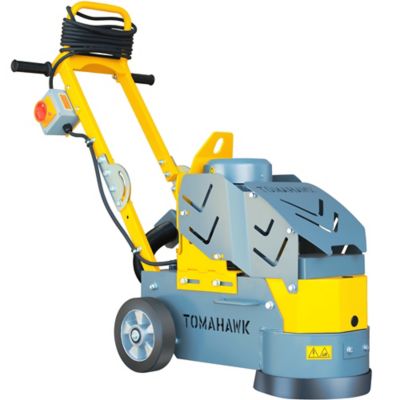
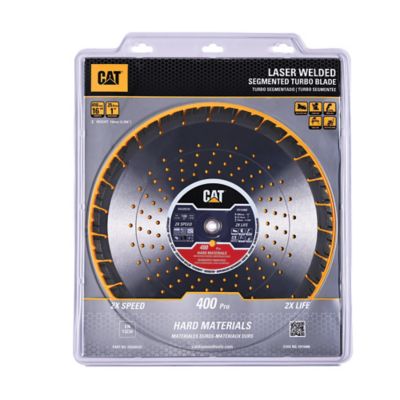
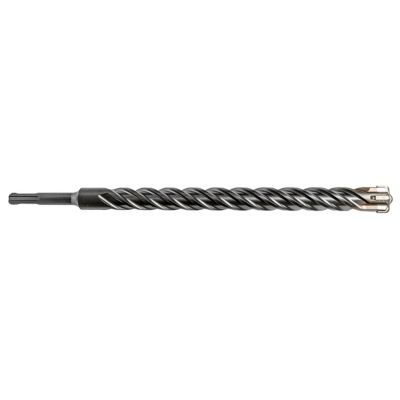
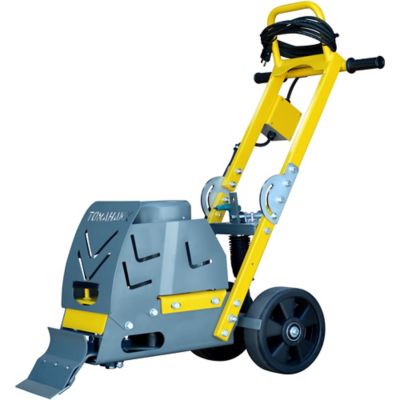
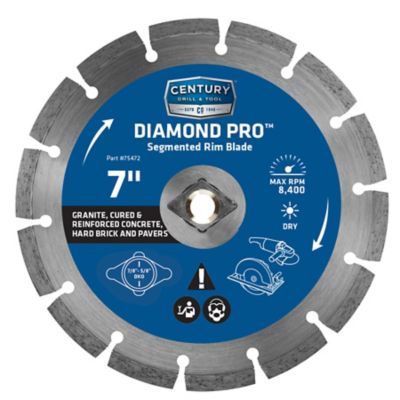
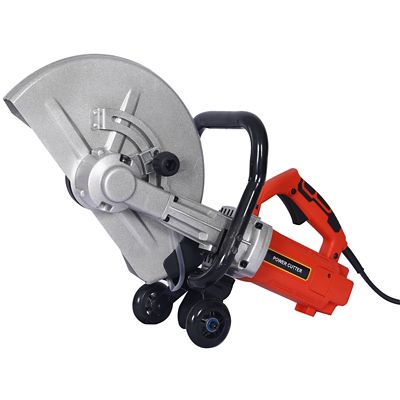
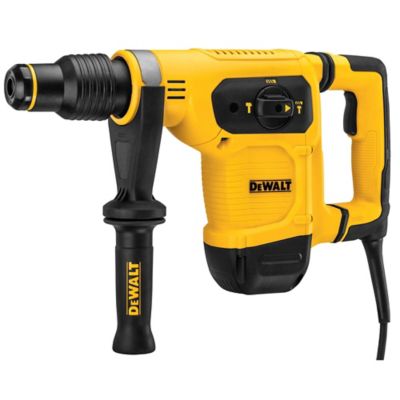
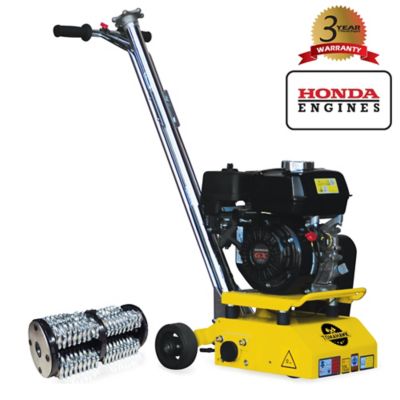
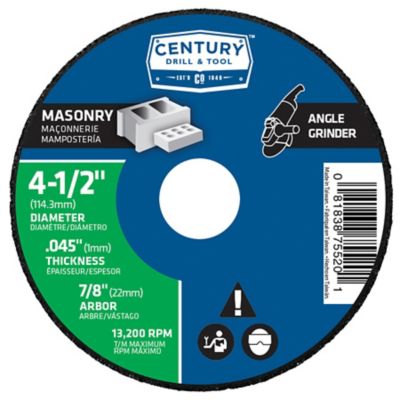
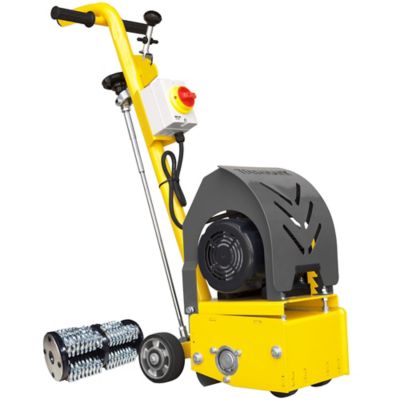
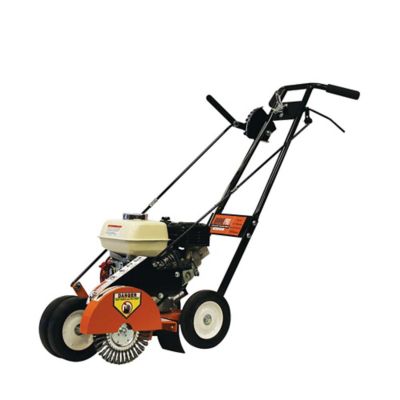
Concrete removal tools help turn a tough tear-out job into a more manageable part of the project, whether you’re clearing an old walkway, opening space for a fence post, replacing a cracked patio, or taking out a section of slab around the farm. The right tool depends on the concrete’s thickness, the total square footage, how firmly it is tied together, and the room you have to work. For thin, badly cracked, or weakened concrete in a tight spot, a sledgehammer and cold chisel can give you steady control without bringing in large equipment. A demolition hammer or electric jackhammer delivers much more impact for thicker slabs, footings, masonry, and stubborn patches, while a rotary hammer offers added versatility for chipping edges, breaking up mortar, and drilling anchor holes. A concrete saw can score a clean line before demolition, helping keep cracks from spreading into the section you plan to leave in place. For corners, shallow cuts, flush edges, and narrow joints, an angle grinder fitted with the proper diamond cutting wheel can handle detail work that larger tools cannot reach. Larger outdoor jobs may call for a walk-behind saw, hydraulic breaker, or other attachment used with a skid steer or excavator. Concrete crushers and pulverizers are suited to major demolition and rubble processing, especially when broken material must be reduced in size or separated from reinforcing steel. As you compare concrete removal tools, consider the tool’s impact strength, operating weight, vibration control, bit or blade compatibility, power source, cord length, battery runtime, and the availability of replacement accessories. A heavier tool may break concrete faster, but it also takes more effort to handle and transport. A lighter tool is easier to guide around steps, walls, posts, and landscaping. For a small repair, buying a compact tool may make sense if it can serve you on future fence, deck, tile, or masonry work; for a single large driveway or foundation removal, rental equipment or a machine-mounted attachment may be more practical. Keep the job location in mind, too. Corded tools need a safe power supply and heavy-duty outdoor-rated extension cords, while gas-powered saws and machines require ventilation and proper fuel handling. Battery-powered options can be handy where outlets are scarce, particularly around outbuildings and remote sections of a property, though runtime and charging time matter on long tear-outs.
These tools are useful for homeowners, farmers, ranchers, fence installers, landscapers, concrete crews, maintenance workers, and anyone tackling repairs around a homestead. They can also make a practical gift for a handy person who spends weekends improving a property, though the best choice should match the recipient’s experience, storage space, power setup, and typical projects rather than simply choosing the biggest tool on the shelf. Before breaking ground, mark the section to be removed and check for buried electrical lines, plumbing, irrigation, septic components, and other utilities. Score the concrete when a cleaner edge matters, then work in manageable sections instead of trying to lift or drag a large slab all at once. Use the correct chisel, point, bit, blade, or attachment for the material and tool, and inspect accessories for wear before starting. Concrete dust can travel farther than expected, so eye protection, hearing protection, sturdy gloves, a dust-rated respirator, long sleeves, work pants, and steel-toe footwear are important parts of the setup. Use water control or dust collection when the tool and work area allow it, but keep electrical connections protected from moisture. Keep bystanders, children, pets, and livestock well away from the demolition zone, and be especially mindful of flying chips and shifting chunks when working near barns, kennels, garden beds, or driveways. Let the tool do the work instead of forcing it, maintain a balanced stance, and take regular breaks when using a vibrating hammer. During the warmer part of the season, early starts can help avoid the hottest portion of the day; as cooler weather settles in, good lighting and dry footing become more important around shaded slabs and muddy work areas. Once the concrete is broken, pry pieces apart carefully, watch for exposed rebar, and use a hand truck, cart, or equipment suited to the load rather than lifting awkward chunks alone. Broken concrete can be reused as base material for some drainage, landscaping, or farm projects when local requirements and site conditions allow, but haul-off may be the better choice when pieces contain excess soil, wire, or other debris. If the project also includes clearing sod, roots, or overgrown ground around the work area, browse
Tools For Grass Removal to find equipment for preparing a clean, workable surface. Shop concrete removal tools with the full job in mind, from the first scored line to the final cleanup, so the tool fits the material, the space, and the work you’re ready to take on.