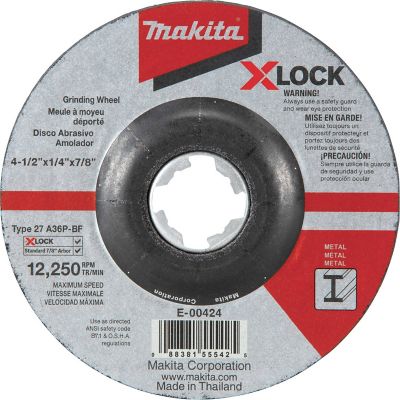
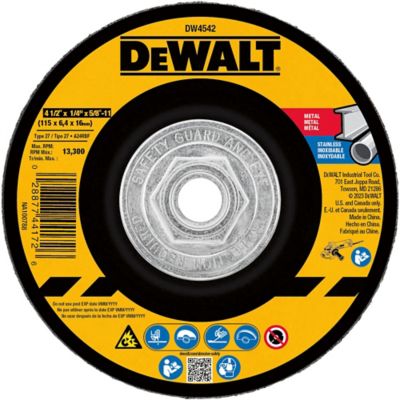
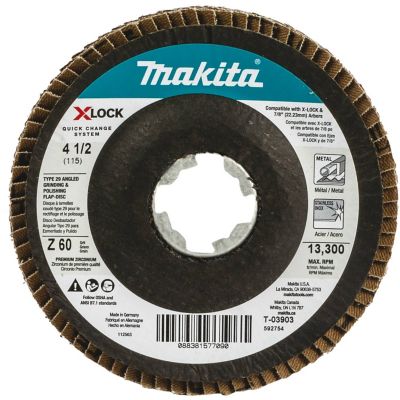
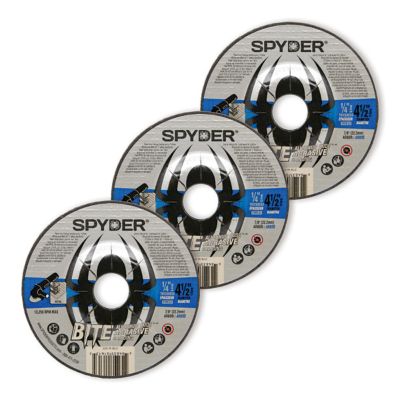
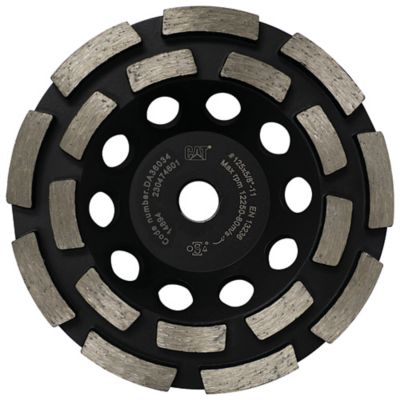
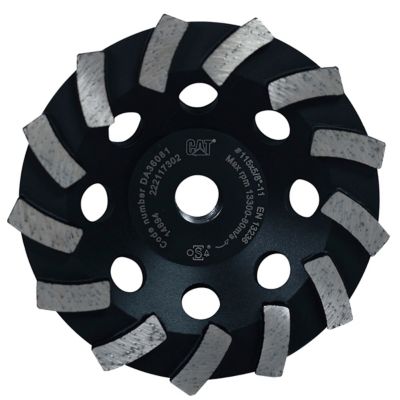
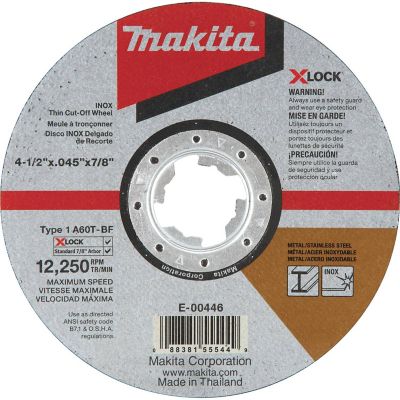
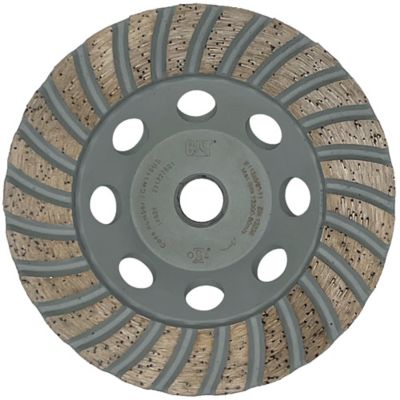
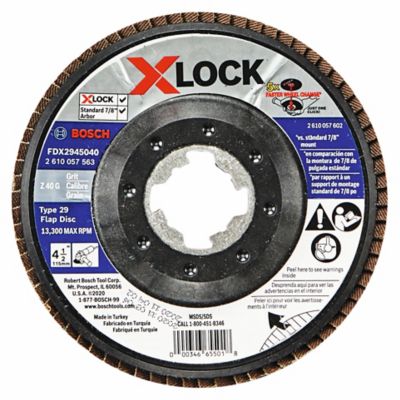
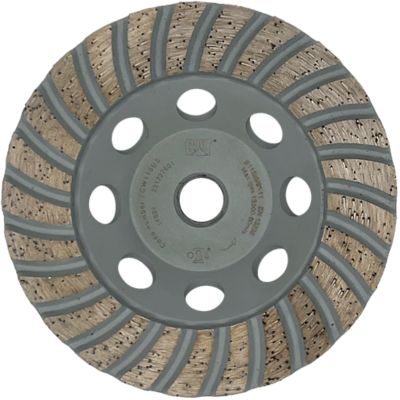
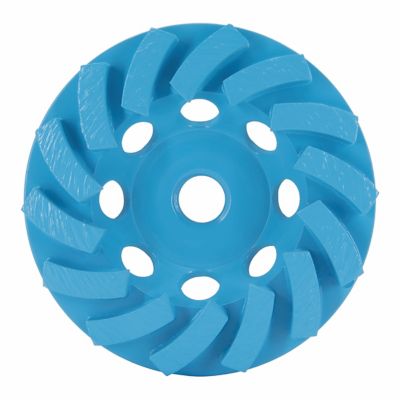
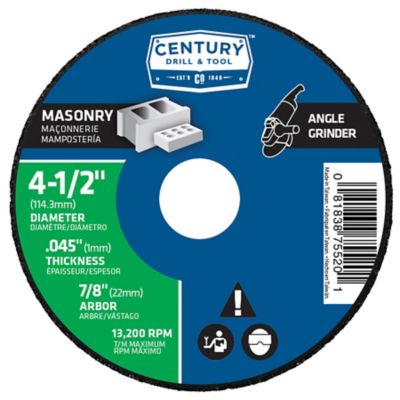
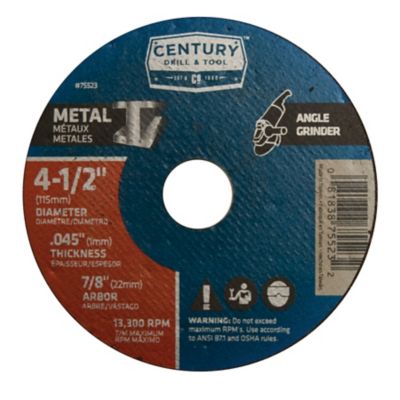
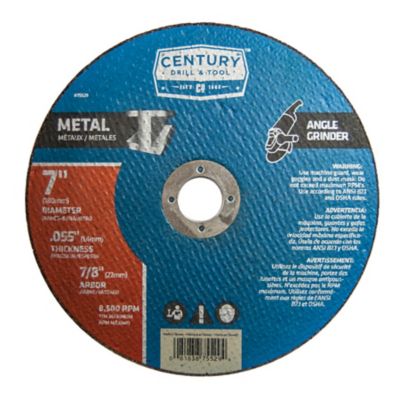
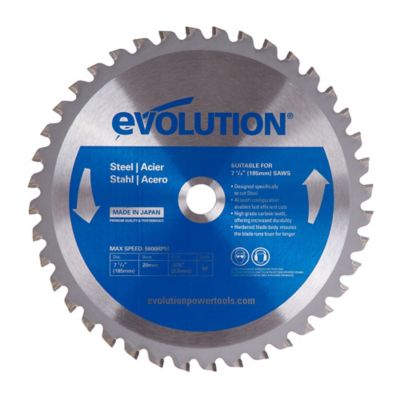
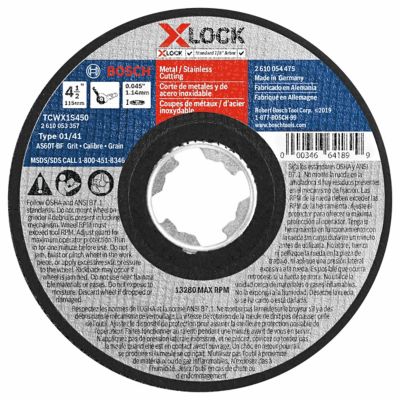
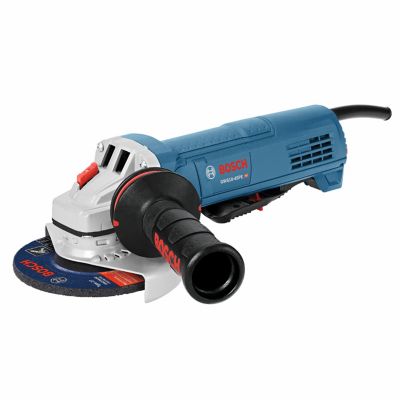
Angle grinder grinding wheels are thick, bonded abrasive discs made for removing metal, shaping edges, beveling plate, and grinding down welds. Their rigid construction suits jobs that call for more material removal than a light finishing pass, whether that means knocking down a rough weld on a trailer bracket or dressing the edge of a steel repair plate. Around a farm shop, garage, or fabrication bench, these wheels help turn rough metalwork into parts that fit together and surfaces ready for the next operation. The abrasive grain, bonding system, and wheel shape all influence how a wheel cuts and where it belongs. Aluminum oxide is a common abrasive for grinding steel and other ferrous metals, while zirconia alumina and ceramic alumina options can support demanding metal removal when matched to the tool and application. Silicon carbide wheels may suit masonry, stone, or certain nonferrous materials, but the wheel’s stated material compatibility matters more than its color or appearance. Aluminum needs particular attention because it can load an unsuitable wheel with soft metal, reducing cutting action and creating heat. A wheel specifically labeled for aluminum is the right category for that work; a general steel-grinding wheel is not an automatic substitute. Stainless steel also calls for attention to wheel labeling and contamination, especially when the finished surface needs to resist corrosion. Where grit information is provided, coarser abrasive generally favors faster removal and a rougher surface, while finer abrasive favors a less pronounced scratch pattern. Grit alone does not determine performance, though: the abrasive type, bond, grinder power, and material all play a part. A heavy grinding wheel belongs on substantial removal work, not every finishing task. Taking a weld nearly flush with surrounding steel is different from blending its final scratch marks, and grinding too far can thin the base metal or compromise a joint. The intended result helps separate a wheel for rough shaping from an accessory meant for the last finishing pass.
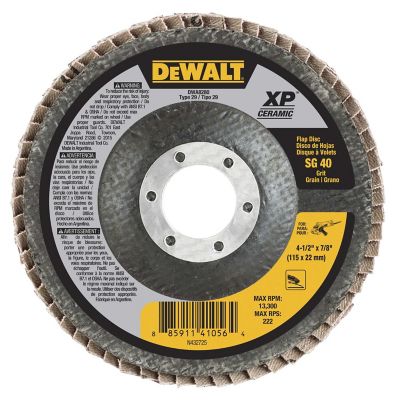
Fit starts with the grinder’s approved wheel diameter, arbor arrangement, guard, and speed rating. Common angle grinder sizes include 4-1/2 and 5 inches, but matching diameter alone does not establish compatibility. The center hole or threaded hub must match the mounting system, and the specified flanges and guard need to suit the wheel type. A wheel’s maximum rated speed must meet or exceed the grinder’s maximum speed; a wheel with a lower rating does not belong on a faster tool. Larger wheels are not a shortcut to more reach on a smaller grinder, and removing a guard to make one fit creates a serious hazard. Depressed-center grinding wheels provide clearance around the mounting area and are designed for work at the contact angle specified by their manufacturer. Wheel thickness and profile also affect access: an open section of plate offers room that a tight bracket corner may not. Thick grinding wheels, thin cut-off wheels, and flap discs serve different purposes even when they fit the same grinder. A cut-off wheel is intended for cutting along its edge, not side grinding, while a flap disc carries overlapping abrasive flaps for grinding and blending as its labeling permits. The right accessory keeps a rough weld-removal job from turning into unnecessary rework on the surrounding steel. Tool control matters just as much as fit. A firmly supported workpiece, the proper side handle, and steady contact help keep the wheel working without excessive pressure or twisting. Forcing a wheel can build heat and strain both the accessory and the grinder rather than improve removal. Sparks and airborne particles make safety glasses, a face shield, hearing protection, and task-appropriate respiratory protection important considerations. Grinding dust varies with the base material and any coating on it; masonry can create respirable silica, while painted metal may introduce other hazards. Suitable dust controls and the tool and wheel manufacturers’ safety instructions belong with the job, along with a work area cleared of fuel, dry bedding, and other materials that sparks could ignite.
Wheel life depends on the material, contact pressure, abrasive formulation, and how much metal the job requires removing. A wheel that cuts freely on a heavy steel bracket may behave differently on a thin sheet edge, where excess removal and heat are harder to manage. For broad cleanup rather than reshaping,
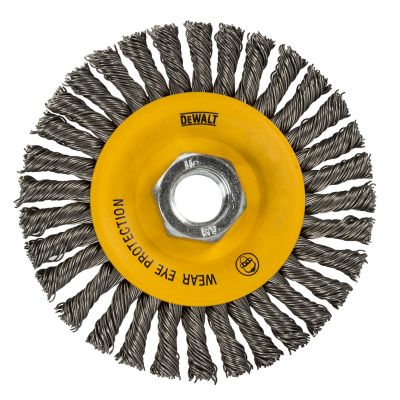
Angle Grinder Wire Wheels are a related option for removing rust, loose paint, and scale without the same grinding action as a bonded abrasive wheel. Wire accessories still need their own checks for speed, fit, guarding, and material compatibility; they are not interchangeable with grinding wheels just because both attach to an angle grinder. Keeping separate abrasives for stainless steel and ordinary steel can help prevent transferring iron particles onto stainless surfaces. Storage and handling also affect service life. Bonded grinding wheels belong in a dry, protected location where they will not be dropped, struck by loose tools, or bent beneath heavy supplies. Original packaging can help protect wheels and keep size, application, and speed information close at hand. Cracks, chips, damage around the mounting hole, or an unreadable label are reasons to keep a wheel out of service, and any marked expiration date or manufacturer service-life limit matters. Unusual vibration during operation calls for stopping the tool and checking the setup rather than trying to grind through it. Farmers maintaining gates and equipment, mechanics dressing repair pieces, welders preparing joints, and metalworkers shaping brackets all have different demands, but they share the need for an abrasive suited to the task. Someone equipping a shop will get more practical value from wheels matched to the grinder and the metals on the bench than from several similar-looking discs with uncertain applications. Clear labeling, proper fit, sensible handling, and the right balance between fast removal and surface control make angle grinder grinding wheels a useful part of everyday metal repair and fabrication.