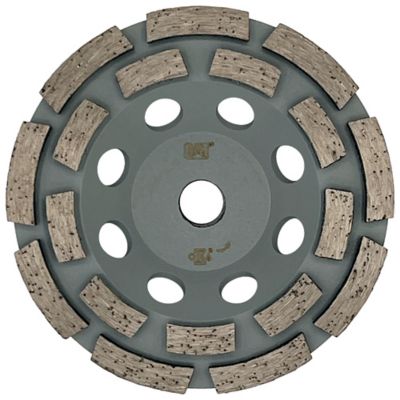
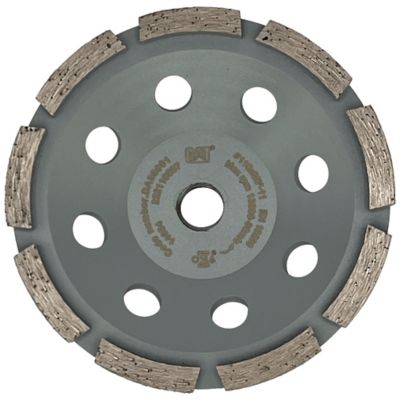
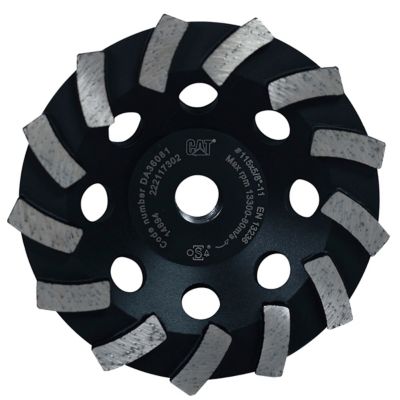
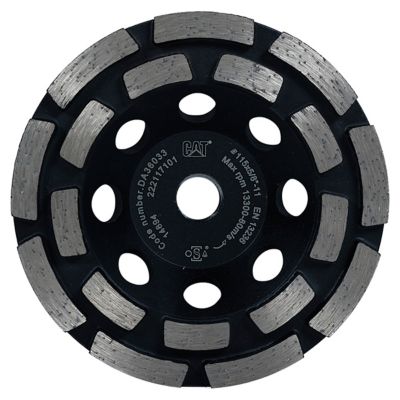
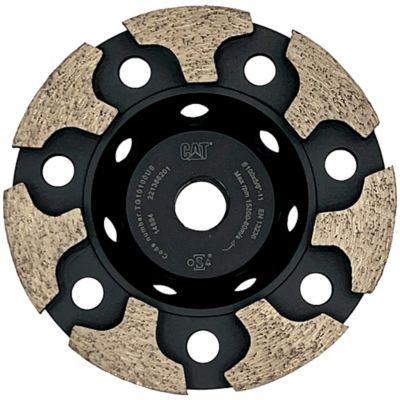
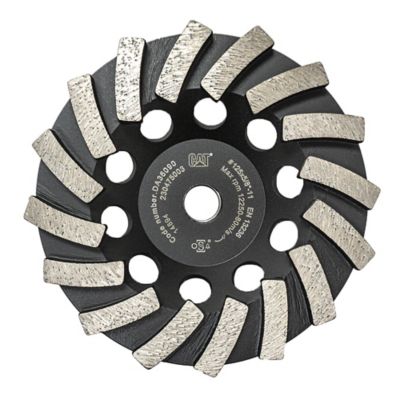
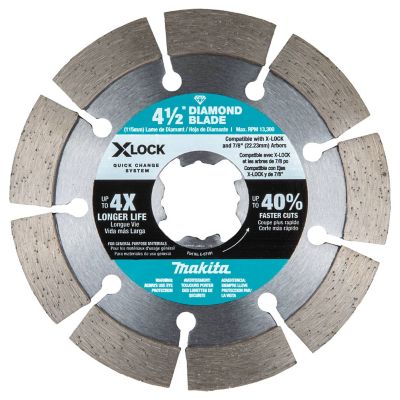
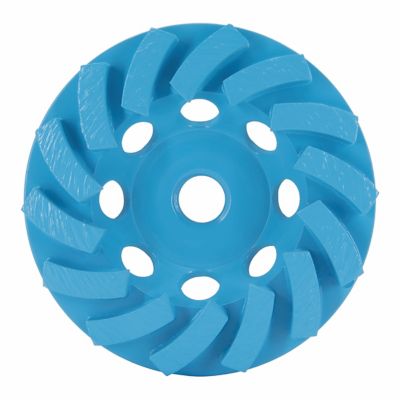
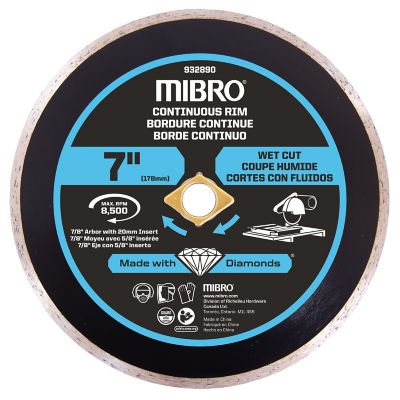
Diamond blades for angle grinders bring cutting power to tough materials such as concrete, brick, block, stone, ceramic tile, and porcelain. Their steel cores carry industrial diamond grit along the cutting edge, where the exposed particles grind through the workpiece rather than slice it with toothed edges. That construction makes these grinder accessories a practical fit for masonry repairs, tile installations, and smaller cutting jobs around a farm, shop, or home. A paver that needs trimming beside a gate post, a brick that must fit around a corner, or a tile edge that needs shortening can all call for a diamond cutting blade matched to the material. The rim style helps determine how a blade cuts and what kind of edge it leaves behind. Segmented diamond blades have gaps between cutting sections that help move debris out of the cut and manage heat; they commonly suit concrete, brick, and block where cutting speed matters more than a finely finished edge. Turbo diamond blades have a ridged rim designed to balance cutting speed with a smoother finish, though their suitability for masonry, stone, or tile depends on the blade’s stated applications. Continuous-rim diamond blades have an uninterrupted cutting edge and often suit ceramic, porcelain, and other materials where limiting chips is important. No rim design guarantees a chip-free result, especially on glazed surfaces or brittle corners. Material compatibility, steady handling, and proper support all affect the finished cut. For a mason trimming block beside a footing, a slightly rough edge may disappear under mortar. For someone fitting tile along an exposed doorway, that same edge could remain in plain sight. The right diamond blade for an angle grinder starts with that difference: what needs cutting, how much material must come off, and whether the finished edge will be visible. Contractors, property owners, tile setters, and folks handling their own repairs can all benefit from matching the cutting edge to the work rather than treating every diamond wheel as interchangeable.
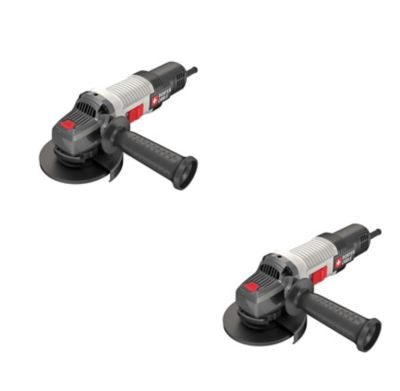
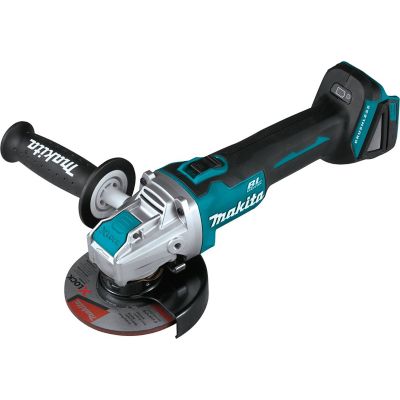
Fit matters just as much as rim style, and blade diameter alone does not establish compatibility. Diamond blades for angle grinders must match the tool’s permitted blade diameter, arbor size, mounting hardware, and cutting-guard requirements. Common compact grinders take blades around 4 to 4-1/2 inches in diameter, but the grinder manual determines which size belongs on a particular tool. A larger blade is not a shortcut to extra cutting depth; it may interfere with the guard or exceed the grinder’s design limits. The blade’s maximum RPM rating must meet or exceed the grinder’s maximum rated no-load speed, and its direction arrow must match the tool’s rotation. The cutting wheel also needs approval for angle-grinder use, since a matching center hole does not make every saw blade suitable for a handheld grinder. Blade thickness and rim height add another layer to the choice. A thinner cutting edge generally removes less material and can help with neat tile work, while a blade built for heavier masonry cutting may put more emphasis on rim support and resistance to wear. Actual service life depends on the material, blade construction, cutting conditions, and operating technique, not just the amount of diamond rim visible. Hard porcelain and abrasive concrete place different demands on the diamond grit and the bond that holds it. As the bond wears, fresh diamond particles become exposed; a bond designed for the wrong material can wear too quickly or leave the blade cutting poorly. Manufacturer application labels are more useful than appearance when sorting out those differences. Wet- and dry-cutting designations also matter. A wet-only blade needs the specified water supply and equipment designed for that method. Adding water to an ordinary electric angle grinder is not a safe substitute for a water-rated cutting system. For broader cutting tasks on an appropriate saw platform,
Diamond Blades For Circular Saws covers a related blade category, but grinder and circular-saw accessories still require separate checks for tool fit, speed, and approved applications.
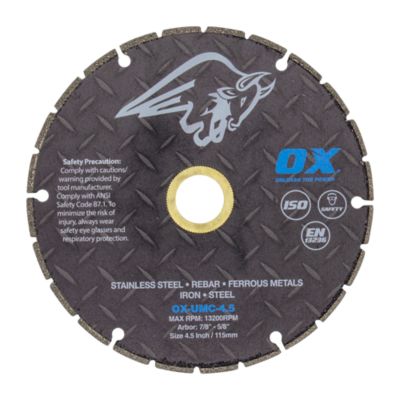
A well-matched diamond grinder blade earns its place through manageable cuts and a service life that suits the workload, whether that means a few pavers along a walkway or repeated brick trimming on a repair job. Cutting depth is limited by the grinder, blade, guard, and mounting arrangement, so a compact grinder is better suited to certain trimming and shallow-cutting tasks than to deep cuts through thick slabs. A blade labeled for concrete also should not be assumed suitable for reinforcing steel, and a masonry diamond blade is not a substitute for a blade intended for wood. Those application limits help keep the work predictable. Care starts with a sound steel core, an intact rim, and mounting surfaces free of grit. Cracks, missing segments, distortion, or damage around the arbor opening are reasons to take a blade out of service. Flat, protected storage helps keep cutting wheels from getting bent beneath other tools or knocked around loose in a truck toolbox. During cutting, a supported workpiece and a straight cutting path reduce the chance of binding; twisting the blade, forcing it through the material, or putting side pressure on a cutting-only wheel can damage the rim and increase kickback risk. Cooling intervals should follow the blade maker’s directions, especially during dry cutting. Concrete, mortar, brick, and many stone products can release respirable crystalline silica, so dust control belongs in the equipment plan from the start. A compatible cutting shroud and properly rated dust extractor help capture dust at the source, with suitable respiratory protection as required for the material and exposure. Eye protection, a face shield, hearing protection, and other protective gear specified by the tool maker matter as well. A breeze or an open barn door does not replace dust controls. With material ratings, tool fit, and care needs kept in view, diamond blades for angle grinders offer a practical way to handle hard-surface cutting without expecting one rim style to tackle every job.