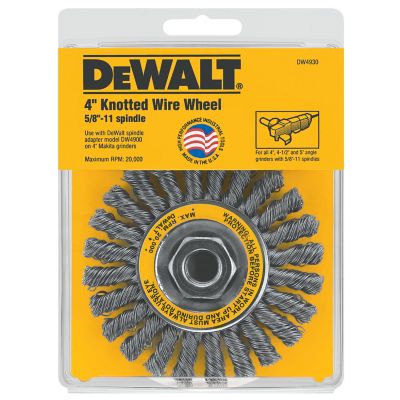
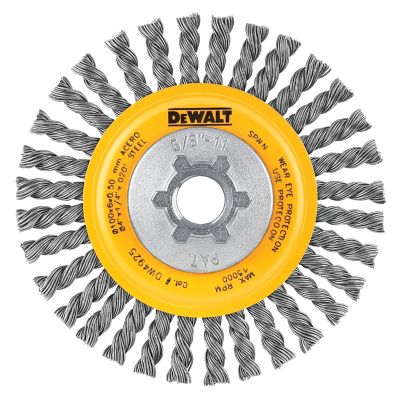
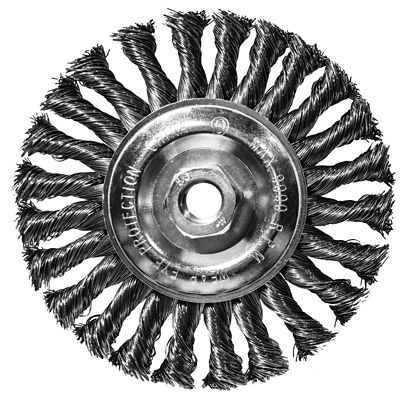
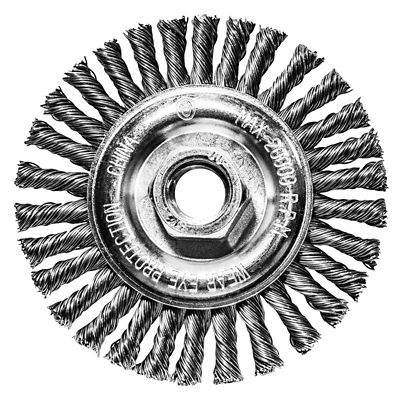
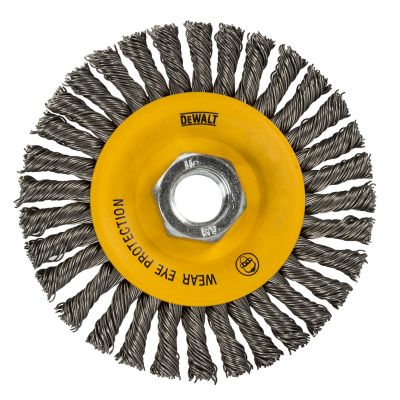
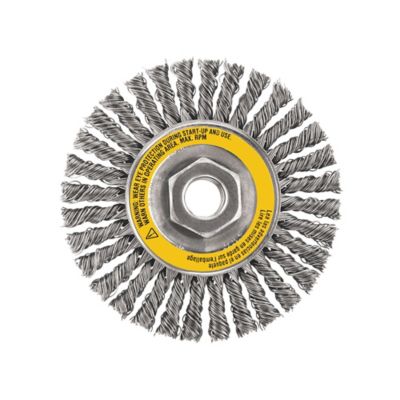
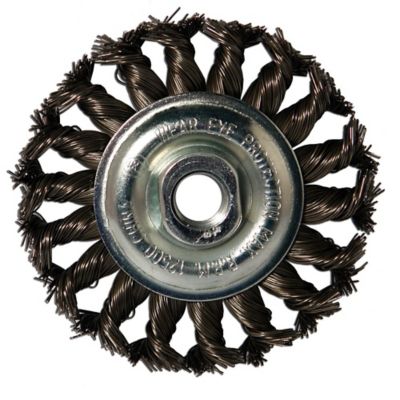
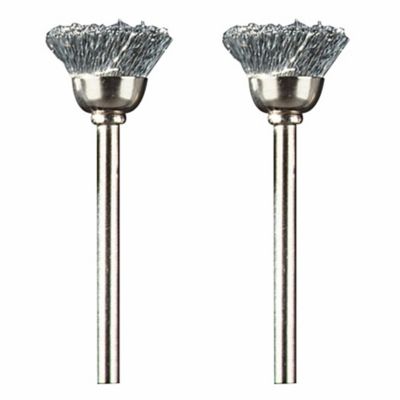
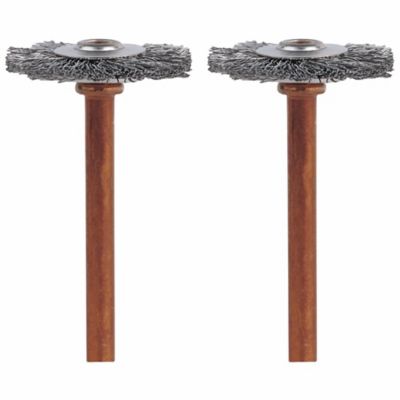
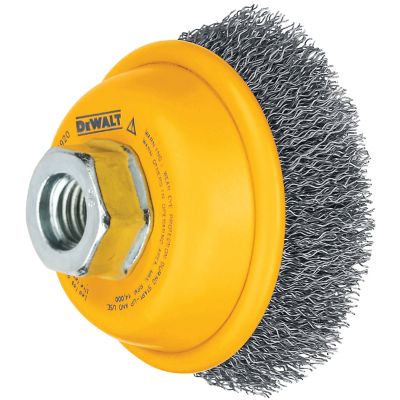
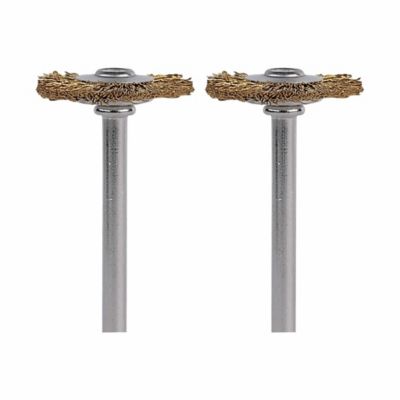
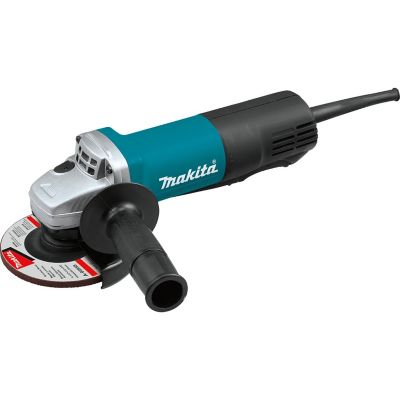
Angle grinder wire wheels are rotating wire-brush attachments that remove rust, loose paint, scale and weld residue from metal surfaces. They fit compatible angle grinders and help prepare steel for repairs, welding or a fresh coating without cutting through the workpiece. Around a farm shop or home garage, that can mean cleaning a rusty gate hinge, brushing a trailer bracket or clearing loose buildup from a piece of equipment before the next repair. Wire style makes a noticeable difference in how a brush works. Crimped wire has individual strands with a wavy shape, giving the brush flexibility for general cleanup, lighter rust and surfaces with small changes in contour. Knotted wire groups strands into twisted bundles for a more aggressive brushing action on stubborn deposits and heavier cleanup jobs. Narrow stringer-bead styles concentrate that action along weld seams and other tight work areas, provided the brush can reach them safely. Wheel-shaped brushes work mainly along their outer edge, making them practical for edges, seams and channels. Cup-shaped wire brushes, another angle grinder brush style, spread their working area across broader surfaces. The shape needs to suit both the job and the grinder’s approved attachment setup. Wire thickness matters, too: finer wire generally offers a lighter brushing action, while heavier wire brings more stiffness to demanding cleanup. Neither style replaces a grinding wheel when the job calls for removing substantial metal or reshaping an edge. A wire wheel follows the surface more than it levels it, and it can leave brush marks rather than a polished finish. For a welded fence repair or a steel mounting plate, that distinction helps set the right expectations. The goal is often to clear away loose material and expose a sound surface, not to grind away every pit or erase the marks left by years of work. Deep corrosion, cracks and thinning metal still need attention beyond surface cleaning.
Fit starts with more than the diameter printed on the brush. Common angle grinders include 4-1/2-inch and 5-inch models, but those sizes alone do not establish compatibility with a particular wire wheel. The grinder’s instructions determine the permitted brush diameter, attachment style and guard arrangement. Threaded brush hubs must match the spindle thread, while arbor-hole attachments require the mounting hardware specified for that combination. A connection that nearly fits is not a workable substitute, and improvised adapters can create problems with clearance, balance and attachment security. Speed ratings are just as important. A wire wheel’s maximum rated RPM must meet or exceed the grinder’s maximum operating speed, with any additional restrictions in the tool and attachment instructions also followed. A smaller brush is not automatically suitable simply because it clears the housing. Material selection deserves the same attention. Carbon steel wire is common for cleaning carbon steel and iron. Stainless steel wire is often the better match for stainless work, where transferred iron particles can lead to rust staining. Keeping a brush dedicated to stainless helps prevent contamination from earlier work on ordinary steel. Brass-coated steel wire still has a steel core; the coating does not make it a solid-brass brush or a spark-free attachment. Softer metals, thin sheet and finished surfaces may scratch, change appearance or suffer damage under an aggressive wire wheel, so suitability depends on both the brush and the workpiece. Safe handling also belongs in the selection decision. Wire fragments and loosened debris can leave the work area at speed, making the specified eye and face protection, protective clothing and required grinder guard important parts of the setup. Nearby people need protection from that debris as well. Secure workholding gives better control than chasing a loose bracket across a bench. Paint and other coatings may contain hazardous substances, including lead, so identifying the coating and arranging appropriate dust controls matters before powered brushing begins.
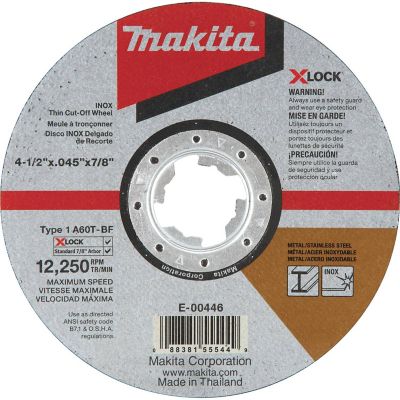
For folks maintaining gates, livestock equipment, trailers and shop fixtures, a well-matched wire wheel can make the cleanup portion of a repair less of a chore. A narrow steel tab with rust along its edges presents a different job from a broad plate covered in flaking paint, and brush reach matters as much as brushing strength. Corners, bolt heads and overlapping joints can keep a wheel from contacting every spot, leaving some areas better suited to another brush shape or a hand tool. Surface condition also affects the result. Oil and grease call for an appropriate cleaning method rather than an expectation that wire brushing alone will leave metal ready for paint or welding. After brushing, remaining dust and residue still need attention according to the requirements of the next operation. For projects that also involve cutting metal,
Angle Grinder Cut Off Wheels handle a separate task: cutting through material rather than brushing its surface. Keeping those roles distinct helps match each attachment to the work without asking a wire wheel to do something it was not built for. Brush care centers on the condition of the wire, hub and mounting area. Broken bundles, excessive wire loss, corrosion, a damaged hub or unusual vibration are reasons to stop and assess the attachment rather than keep pushing through a job. Excessive pressure can bend wires, shorten brush life and increase wire breakage; the wire tips provide the cleaning action without bearing down hard on the grinder. Storage in a dry spot protects the wire and connection from unnecessary corrosion, while keeping brushes from being crushed under heavier tools helps preserve their shape. Separate storage for brushes assigned to different metals also helps keep surface contamination in check. Whether the work is an occasional gate repair or regular fabrication, the right combination of wire material, brush shape, fit and speed rating supports controlled cleanup and a surface ready for the next stage of the job.