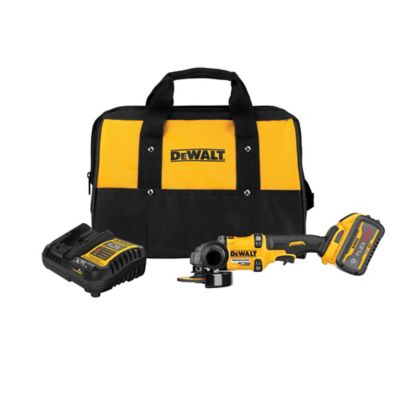
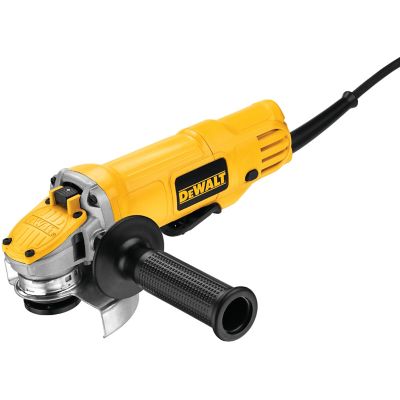
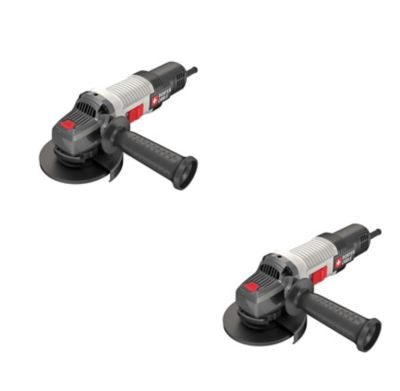
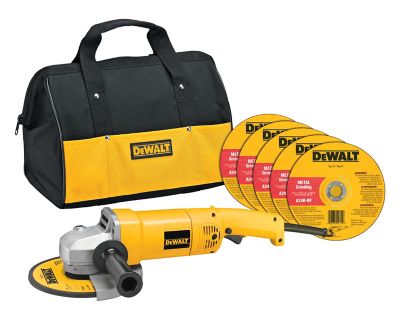
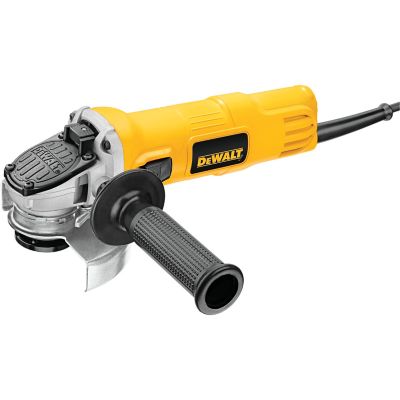
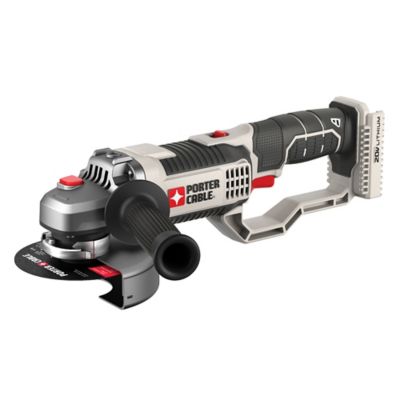
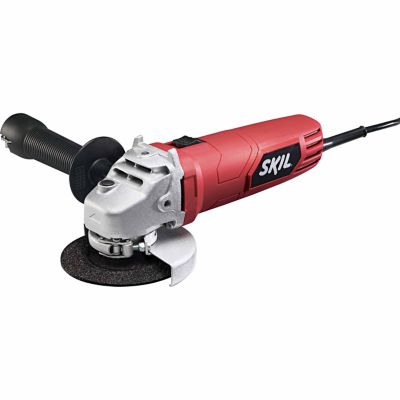
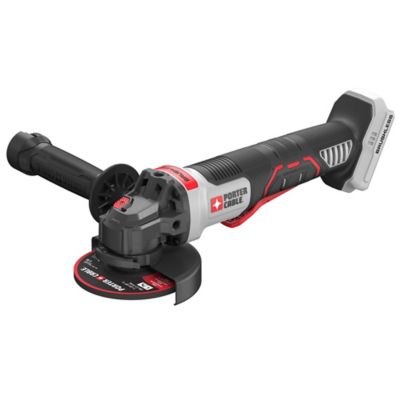
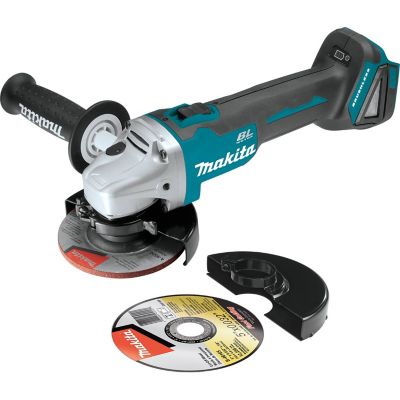
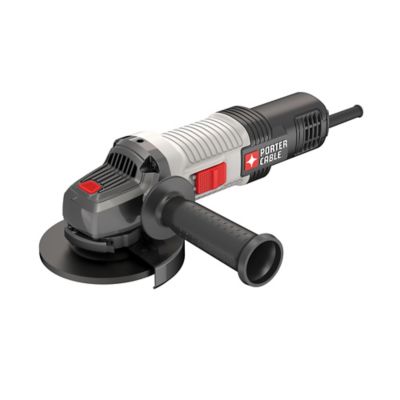
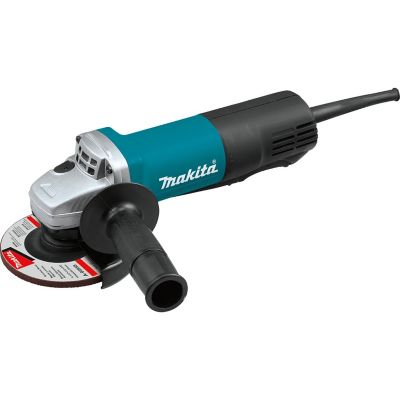
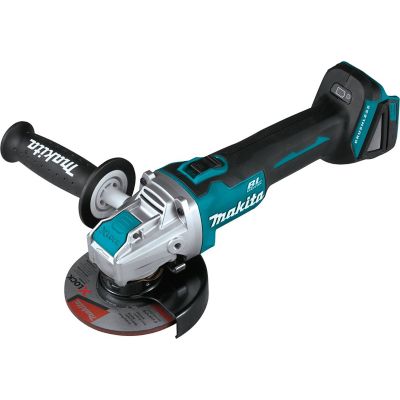
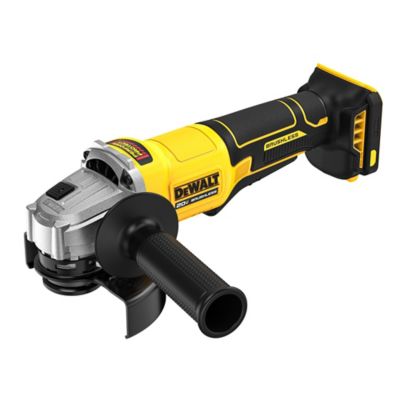
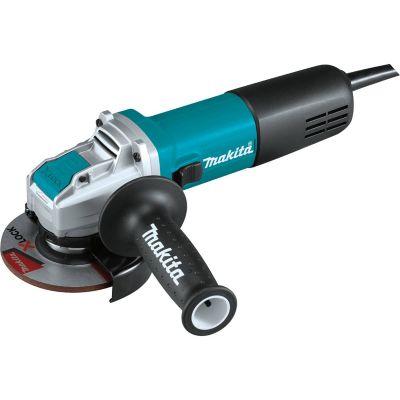
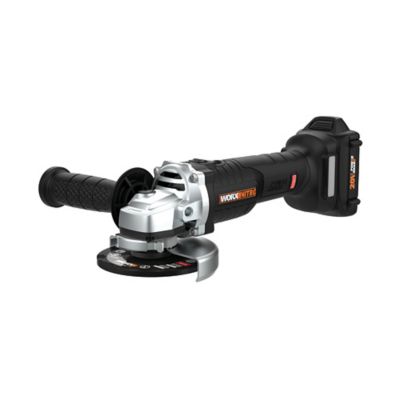
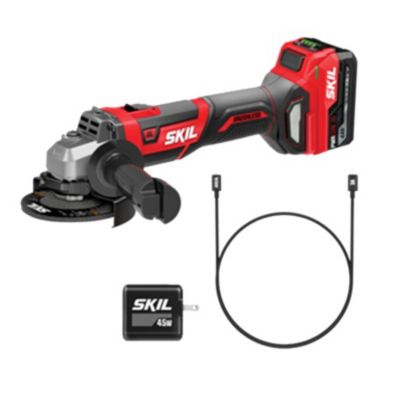
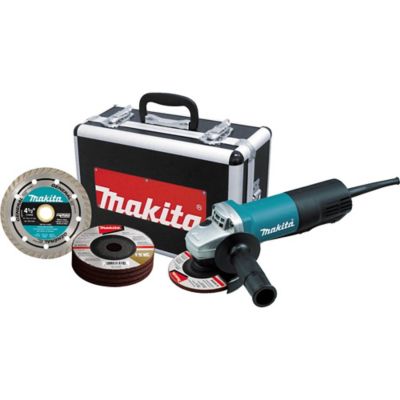
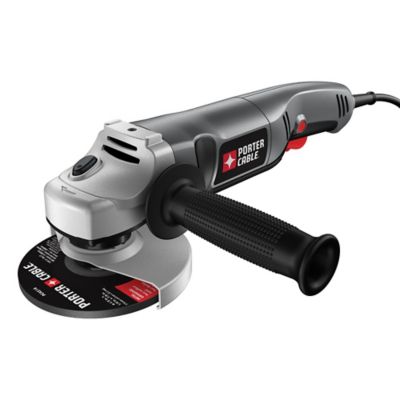
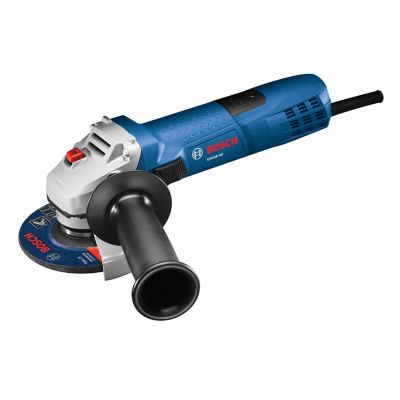
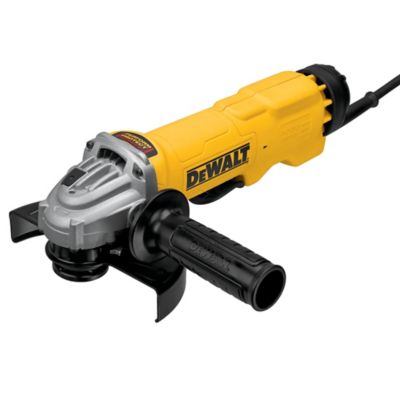
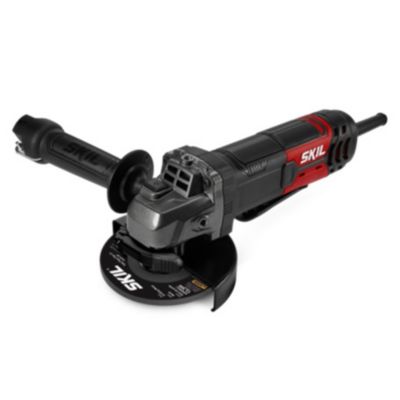
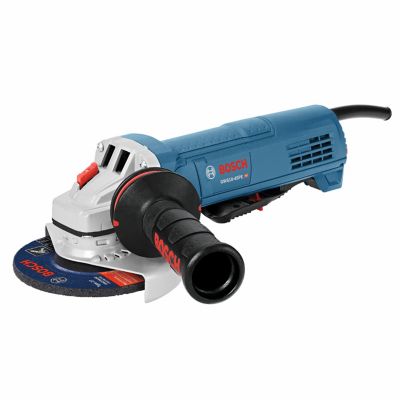
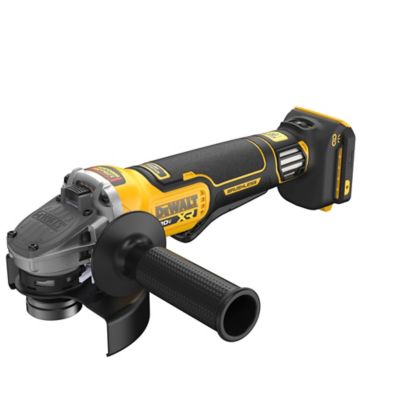
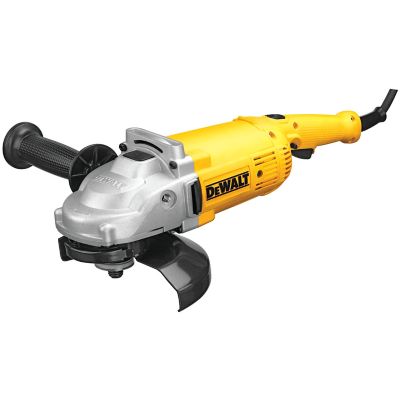
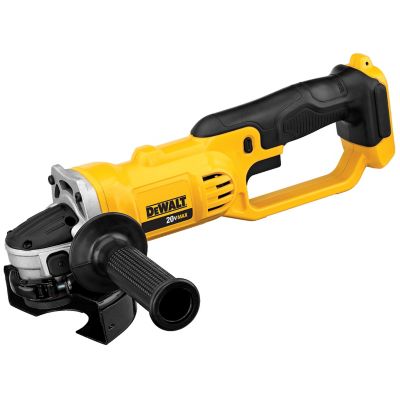
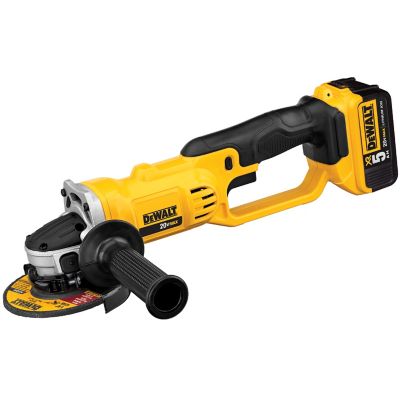
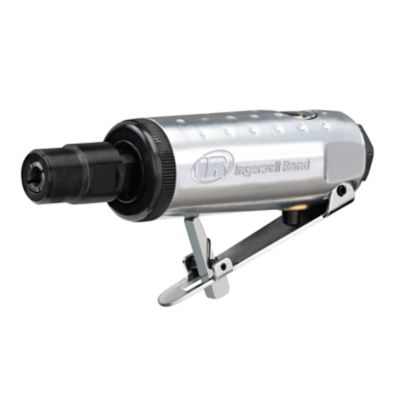
Angle grinders are handheld power tools for cutting, grinding, sanding, and surface preparation with a rotating wheel or other compatible attachment. Around a farm shop, garage, or fabrication bench, they help tackle jobs such as cutting steel brackets, smoothing welds, removing rust from equipment, and trimming masonry with the proper accessories. A rough weld on a gate frame and a stubborn bolt on a trailer call for different attachments, but both show why an angle grinder earns its place alongside drills, saws, and welding equipment. Welders, mechanics, contractors, and property owners often reach for these tools when a job needs controlled material removal in a relatively small space. Tool size matters, especially when working around corners, underneath equipment, or along an extended seam. Common wheel diameters include 4-1/2 and 5 inches for compact grinders, while larger tools accommodate larger wheels for suitable cutting and grinding work. A larger wheel can provide more cutting depth, but it also changes the tool’s weight, handling, and clearance requirements. Motor output, operating speed, and the demands of the material all matter alongside wheel diameter. Corded angle grinders provide power without battery changes and make sense for work near a suitable electrical supply. Cordless angle grinders offer freedom from a cord when moving between repairs, although battery capacity, tool load, and charging needs affect how long a work session can run. Battery compatibility matters for anyone adding a grinder to an existing cordless tool setup. Pneumatic angle grinders run on compressed air and require a compressor that meets the tool’s airflow and pressure requirements. For any power source, the right fit depends on more than the biggest motor or highest speed. A grinder that feels manageable during a short cut may feel quite different while cleaning several feet of weld. Tool weight, balance, grip circumference, and side-handle placement help determine how comfortably an operator can maintain control throughout the work. Adequate clearance for the guard and both hands is just as important as getting the wheel close to the work.
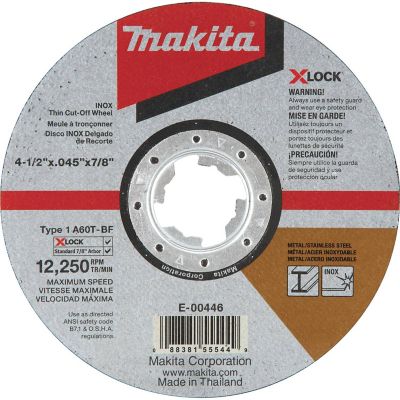
The attachment determines what an angle grinder can do and which materials it can handle. Thin cutoff wheels are intended for cutting, while grinding wheels remove material across their designated working surfaces. A cutoff wheel is not a substitute for a grinding wheel, and side pressure can cause a cutting wheel to break. For smoothing a steel repair or shaping the edge of a bracket,
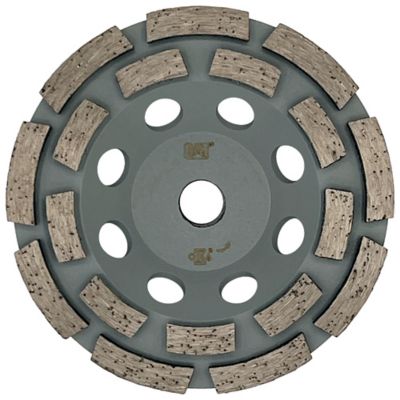
angle grinder grinding wheels are an important part of matching the tool to the task. Abrasive composition, wheel shape, thickness, and grit affect the cut and finish. Wheels labeled for steel or stainless steel have different application requirements from accessories intended for aluminum, concrete, or tile, so material compatibility deserves a close look. Aluminum can load an unsuitable abrasive, while masonry and tile generally call for accessories specifically rated for those materials, including appropriate diamond wheels. Flap discs combine overlapping abrasive sections for blending welds, removing surface imperfections, and refining a finish. Coarser grits remove material more aggressively; finer grits leave a smoother surface but are not intended to do the same heavy removal work. Wire brushes and wire wheels can help clear rust and scale when their material, speed rating, and mounting style suit the grinder and workpiece. Polishing requires compatible accessories and an appropriate speed range; a high-speed grinder is not automatically suited to every polishing job. Wheel diameter, arbor size, mounting hardware, and guard requirements must match the grinder manufacturer’s specifications. An accessory’s maximum speed rating must meet or exceed the grinder’s maximum rated speed. A wheel that physically fits is not necessarily a safe match. The same care applies to replacement flanges, adapters, and dust-control attachments. For a clean-looking repair, the goal is to remove enough material to finish the task without needlessly thinning a bracket, gouging a panel, or grinding away the surrounding base metal. That distinction matters on equipment where a tidy surface should never come at the expense of the part’s function.
Comfort, control, and upkeep make a difference over the life of an angle grinder. Adjustable guards and multiple side-handle positions can help accommodate different working angles, provided the guard remains in the protective position specified by the manufacturer. Switch designs vary, and paddle switches, lock-on functions, and restart protection deserve attention when comparing how a tool operates. Some grinders incorporate electronic braking, overload protection, or kickback-reduction features, but those features do not replace a firm two-handed grip, proper workholding, or the correct accessory. Securely supported material is especially important when cutting stock that could shift and pinch the wheel. Sparks also need a clear path away from fuel, dry vegetation, combustible materials, and anyone nearby. Eye protection and a face shield, hearing protection, appropriate gloves, and suitable clothing belong with grinding work. Dust hazards depend on the material: cutting concrete or masonry can release respirable crystalline silica, while coatings and metals may introduce other harmful particles. Task-appropriate dust collection and respiratory protection matter, particularly where dust can collect around the operator. A basic dust mask is not a stand-in for evaluating those hazards. Before accessory changes, the grinder should be disconnected from its power source according to its instructions, including unplugging a corded tool or removing the battery from a cordless model. Wheels need inspection for cracks, chips, moisture damage, and any manufacturer-specified expiration date. Keeping accessories dry and protected from impacts helps prevent damage that may not be obvious at first glance. Clear air vents, sound cords, secure handles, and properly fitted guards also support long service life. Storage that keeps abrasive wheels from getting knocked around is worth considering in a busy shop where tools share space with chains, hardware, and heavy parts. Whether the work involves a single equipment repair or repeated fabrication, a well-matched grinder and accessory combination helps keep the job controlled, the finish consistent, and the tool suited to the work ahead.