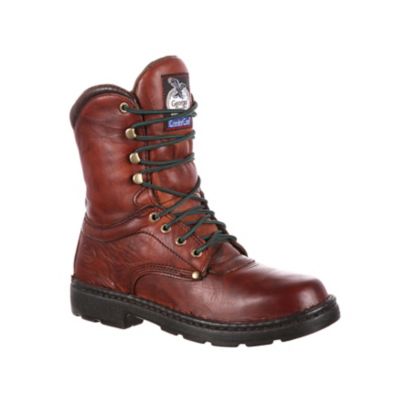
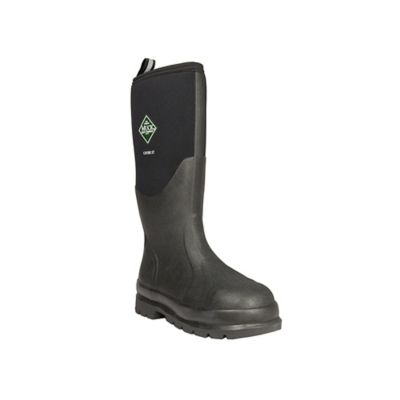
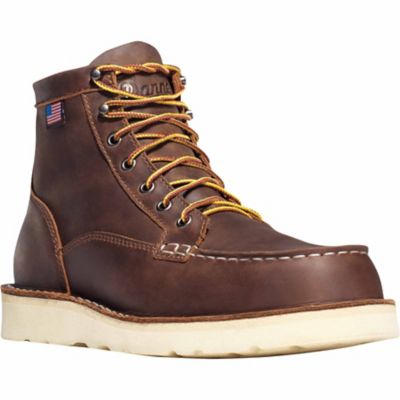
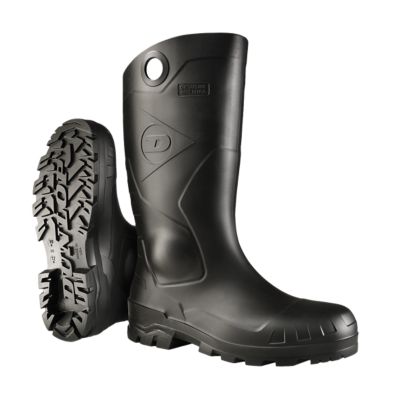
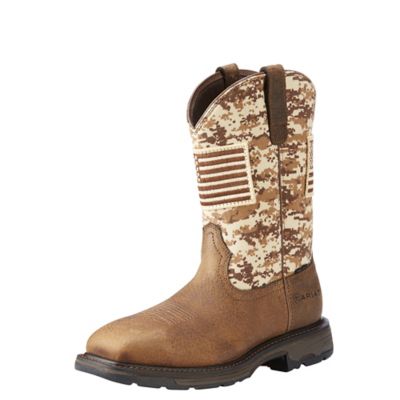
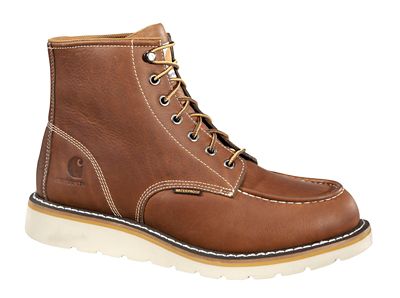
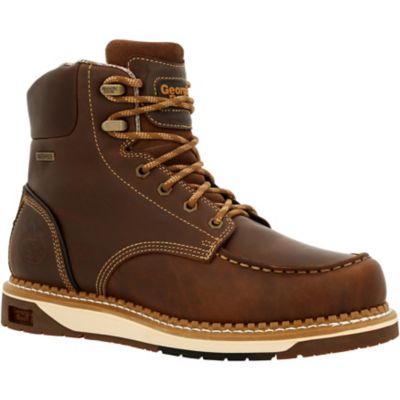
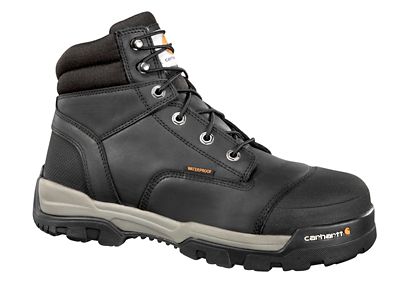
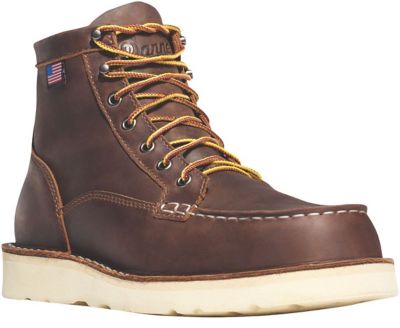
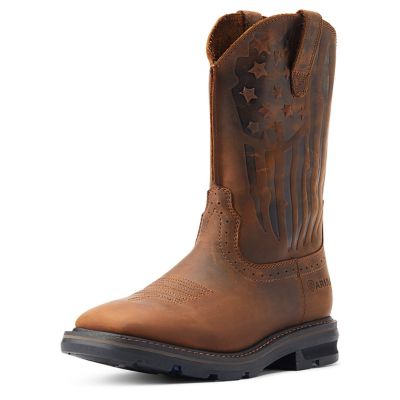
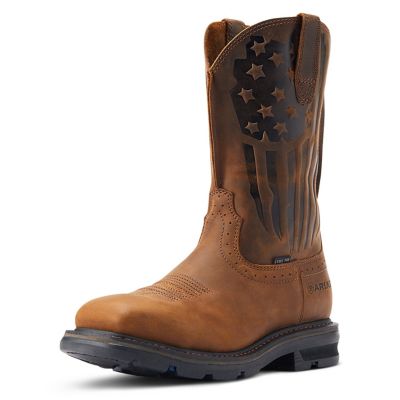
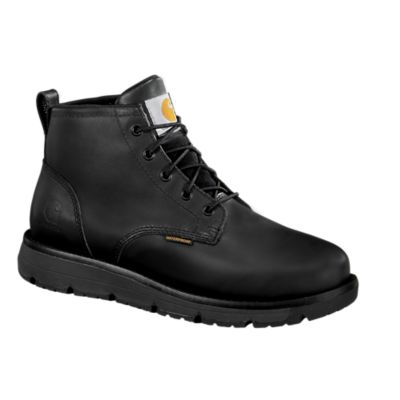
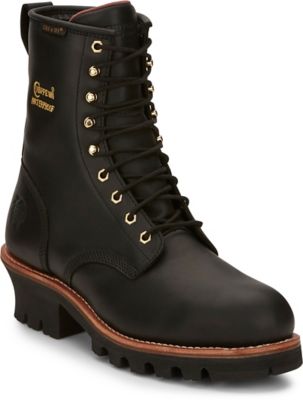
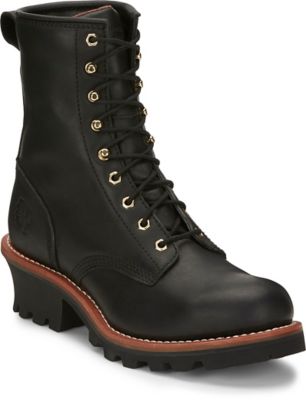
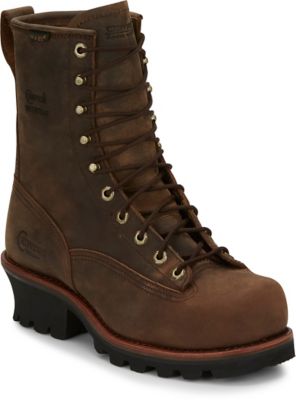
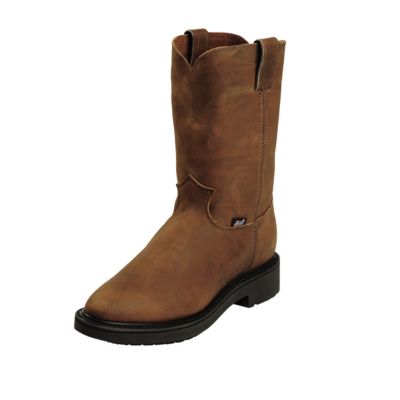
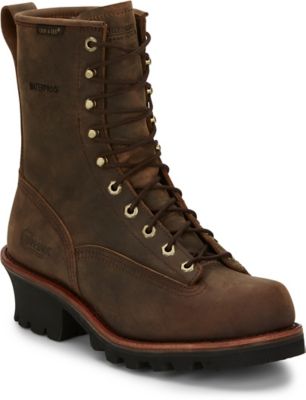
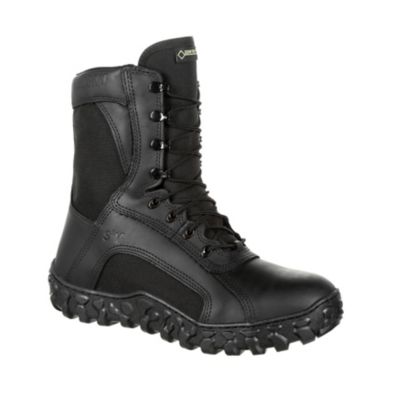
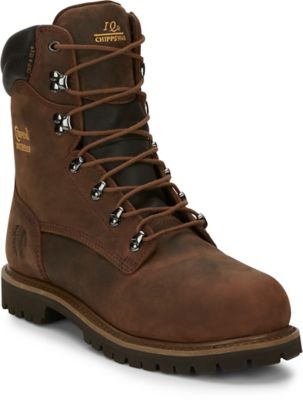
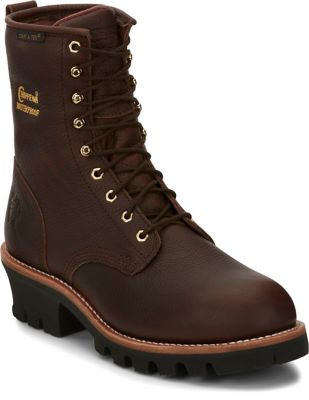
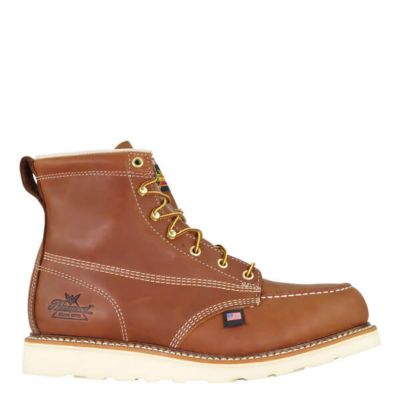
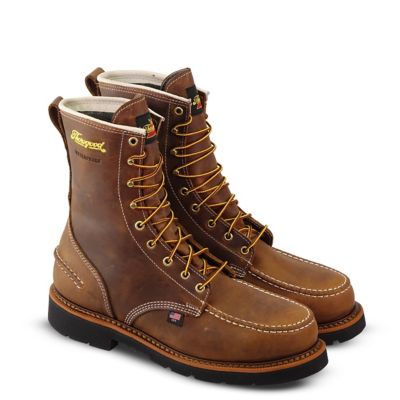
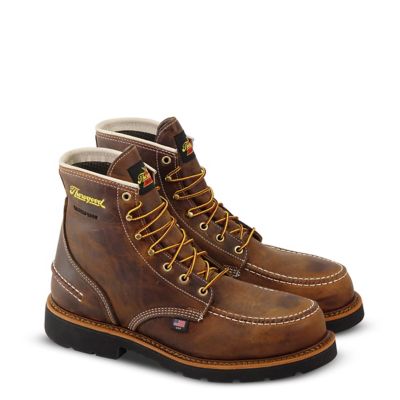
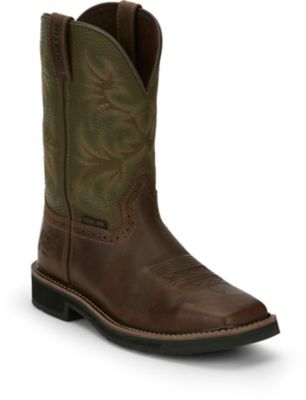
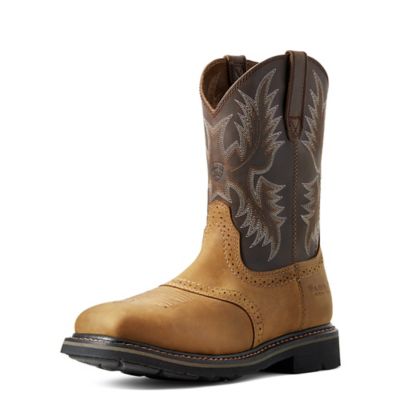
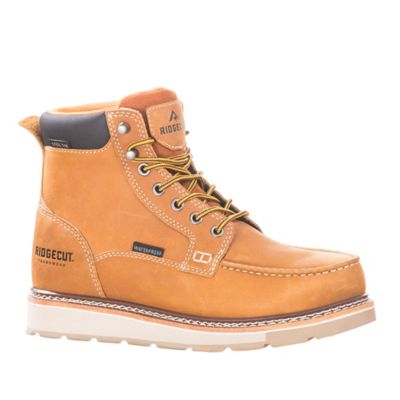
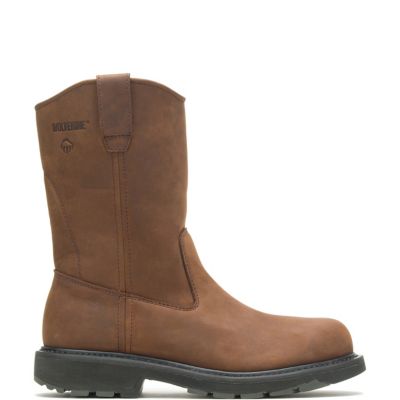
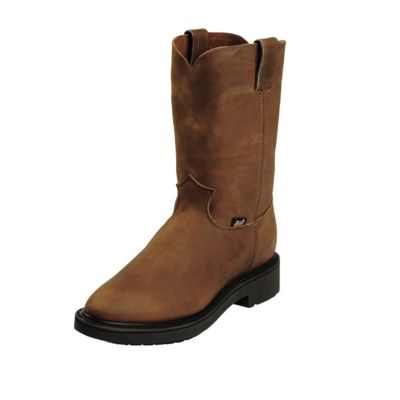
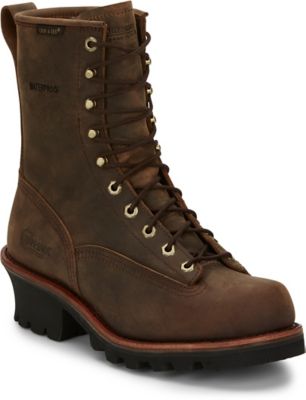
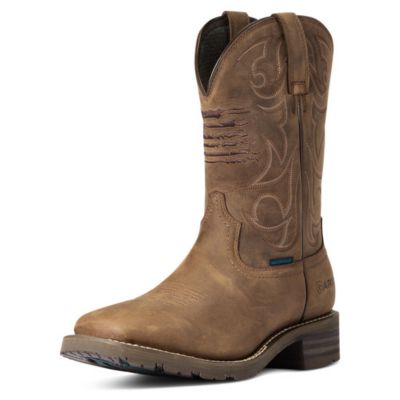
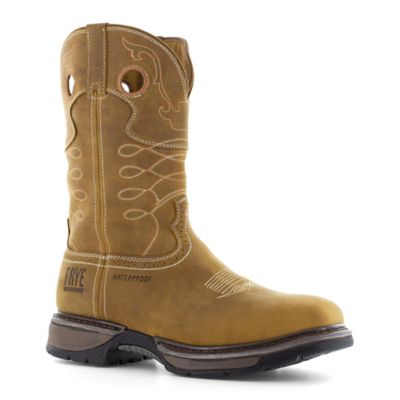
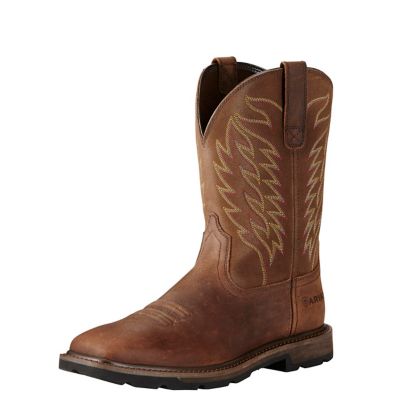
American-made work boots belong wherever the day calls for steady footing, from a gravel equipment yard to a concrete shop floor. For farmers, ranchers, builders, mechanics, and folks who keep a place running after their regular shift, the right pair brings together sturdy construction, a comfortable fit, and features suited to the work. Domestic manufacturing is an important part of that choice, but country-of-origin wording deserves a close look. An unqualified “Made in USA” claim means a product must be all or virtually all made in the United States, while qualified statements can identify domestic assembly or manufacturing with imported materials. Those distinctions help shoppers understand what stands behind an American-made label without assuming every component comes from the same place. Construction matters just as much once the boots hit the ground. Full-grain leather retains the outer grain of the hide and can offer abrasion resistance while gradually conforming to the foot. Oil-tanned leather often has a supple feel and benefits from care that maintains its oils, though leather alone does not make a boot waterproof. Welted construction joins the upper and sole assembly through a separate strip around the boot, and some welted designs allow worn soles to be replaced by a repair shop. Other construction methods may provide more flexibility or a different balance of weight and support. Neither a heavy boot nor a stiff upper automatically makes a better work boot; the whole build needs to match the task. Someone walking fence lines needs a different balance of traction and flexibility than someone standing at a workbench for hours. During the cooler months, that choice also includes damp grass, muddy gateways, and the move between chilly outdoor chores and a heated barn or shop. American-made work boots earn their place through that everyday match between how they are built and where they will go.
Underfoot, outsole shape and tread can make a noticeable difference over a full workday. Wedge soles spread contact across a broad surface and often suit long stretches on hard, relatively even ground, especially when paired with cushioning that helps soften each step. A defined heel and deeper lug pattern may be better suited to loose soil and uneven outdoor terrain, although deep tread can carry mud into the cab or shop. Ladder work calls for footwear that meets the task’s requirements rather than an assumption that any heeled sole will do. Slip resistance is another feature worth checking in the stated specifications: traction on wet concrete is not the same as traction on oily flooring, and no outsole eliminates the chance of a fall. Toe protection should follow the hazards and footwear rules of the workplace. Steel and composite safety toes can both provide impact and compression protection when they meet the applicable standard, while soft-toe work boots fit tasks that do not call for a protective toe cap. Composite construction does not automatically mean a boot is lighter, warmer, or suitable for electrical hazards; those characteristics depend on the complete design and its ratings. For work that calls for toe protection,
American Made Safety Boots brings the focus to that part of the footwear choice. Electrical hazard footwear provides secondary protection under specified conditions and is not a substitute for electrical safety procedures or other required protective equipment. Puncture resistance is a separate feature, too, and should never be inferred from a thick outsole. Beyond protection, a supportive shank can help limit excessive bending through the middle of the boot, while a cushioned footbed can make hard surfaces easier to stand on. Waterproof construction can help during wet chores, but water may still enter over the collar. Insulation makes sense for extended time outdoors in cold conditions, whereas less insulation may feel better for active work or frequent trips inside. The best combination follows the actual day, not simply the longest feature list.
Fit is where those materials and features become something a person can comfortably work in. American-made work boots should hold the heel and midfoot securely without pinching across the ball of the foot, squeezing the instep, or crowding the toes. Trying them on with the socks intended for work gives a better picture of the space inside, especially when thicker socks enter the rotation during cooler weather. Feet can swell through the day, so an afternoon fitting often reflects working conditions better than an early-morning try-on. Both feet need attention, and the larger foot should have enough room without leaving the other sliding around. A safety toe will not stretch to make extra space, and leather break-in should never be expected to fix numbness, sharp pressure, or toes touching the front. Lace-up boots allow adjustments across the instep and ankle, while pull-on designs depend more heavily on the fit through the heel and instep to stay secure. Walking, bending, and stepping onto a low platform can reveal pressure points that standing still misses. Removable footbeds offer room for replacement insoles when the boot’s design allows, but an insert should not crowd the foot or lift the heel too high. Once a pair becomes part of the daily routine, care helps preserve its structure and comfort. Brush away dry soil, wipe off mud before it hardens, and follow the maker’s directions for cleaning and conditioning the particular leather. Let wet boots dry with moving air at room temperature rather than beside a heater, where concentrated heat can harm leather and adhesives. Taking out removable footbeds helps moisture escape, and rotating between pairs gives each more time to dry. Worn tread, loose stitching, cracked soles, and exposed toe caps deserve attention before another long day. For someone buying work boots as a gift, knowing the recipient’s size, width, job requirements, and preferred style matters more than guessing from looks alone. A well-matched pair feels at home through morning chores, hours on the job, and the last walk out to close the gate.