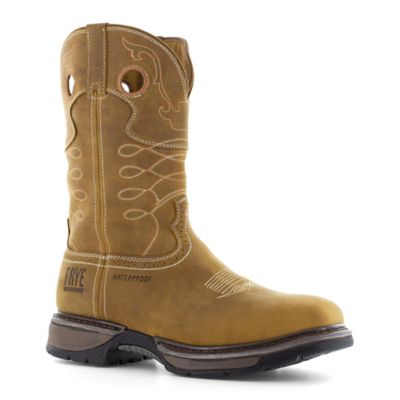
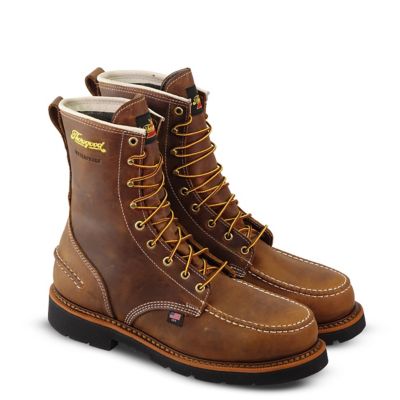
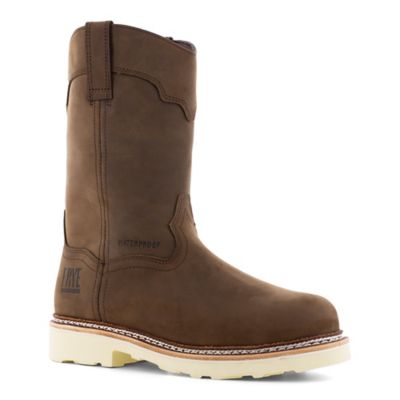
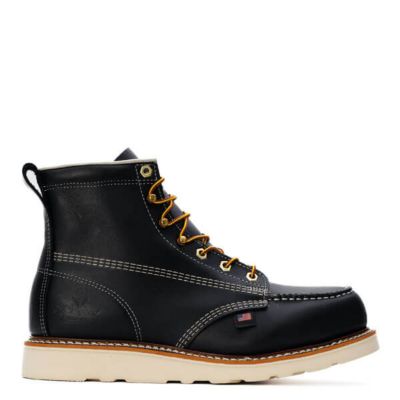
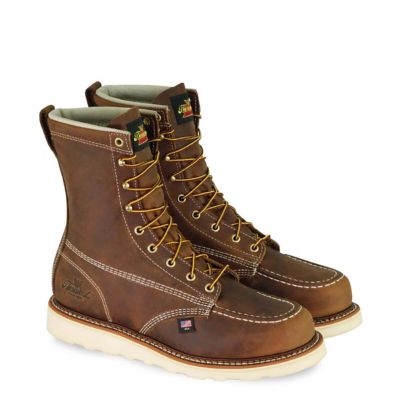
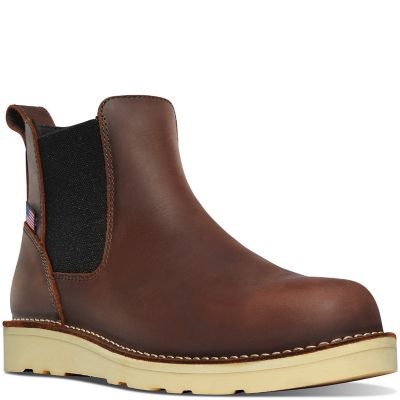
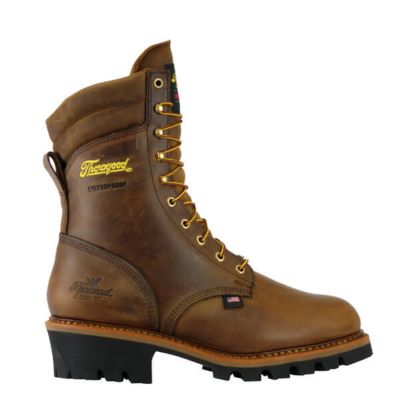
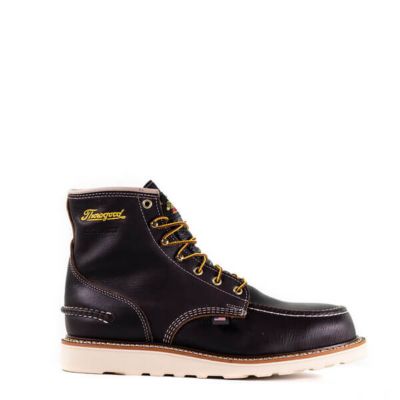
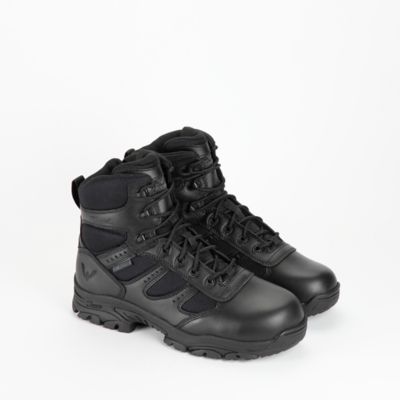
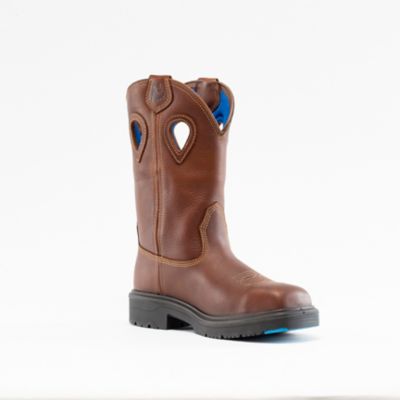
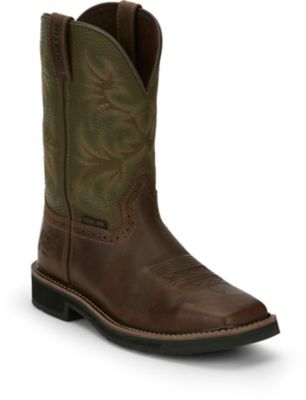
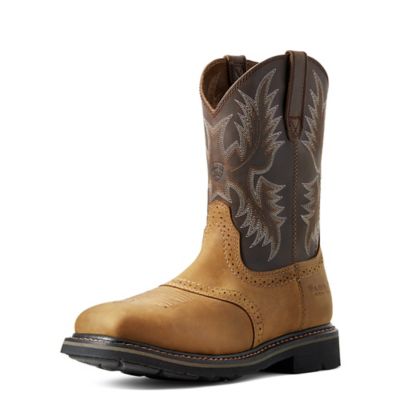
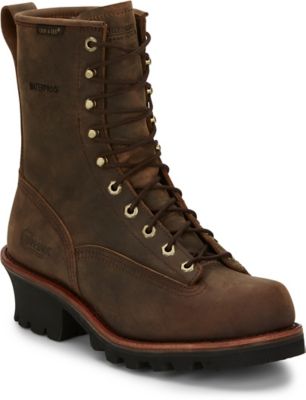
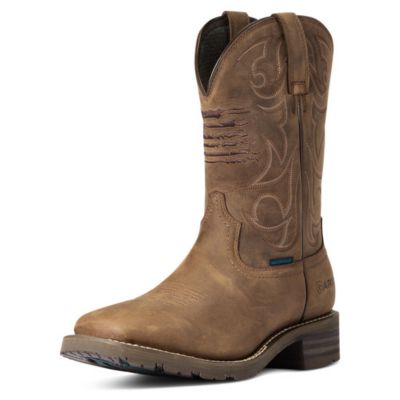
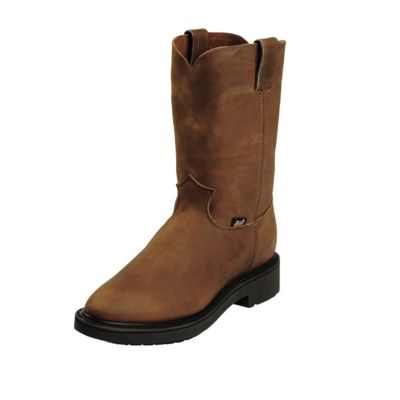
American Made Safety Toe Boots
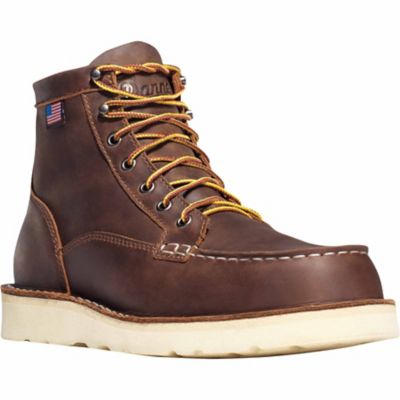
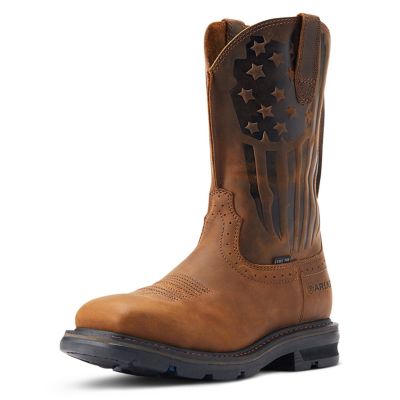
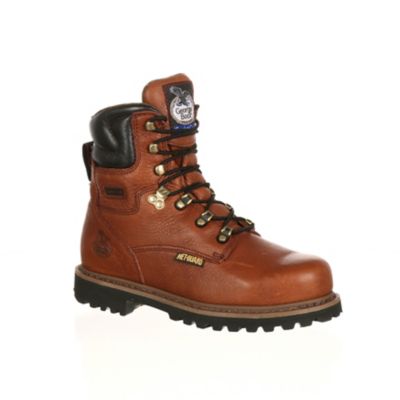
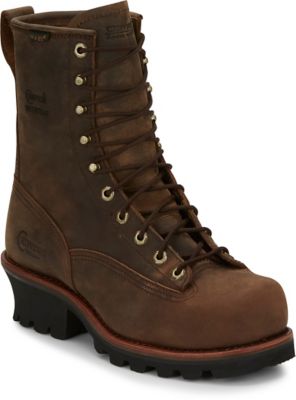
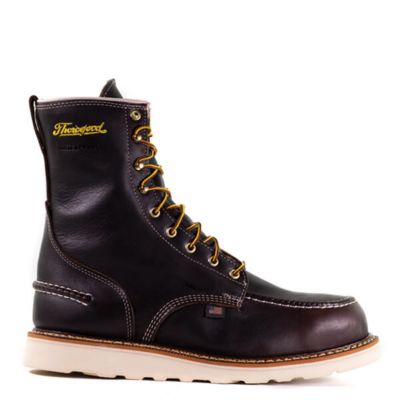
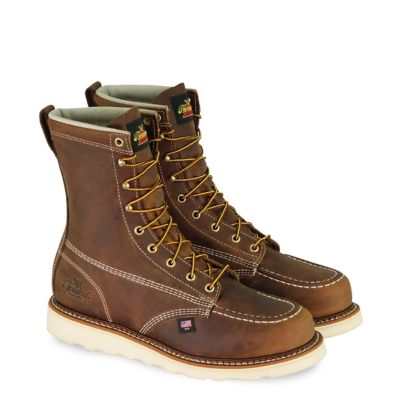
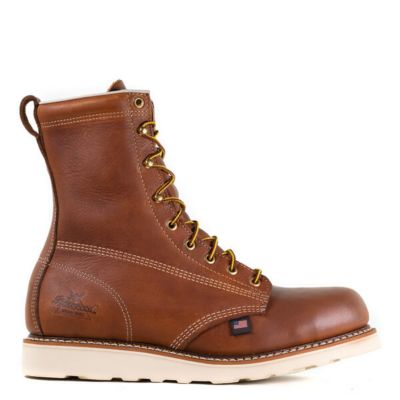
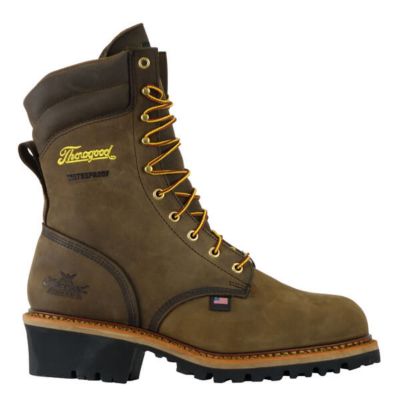
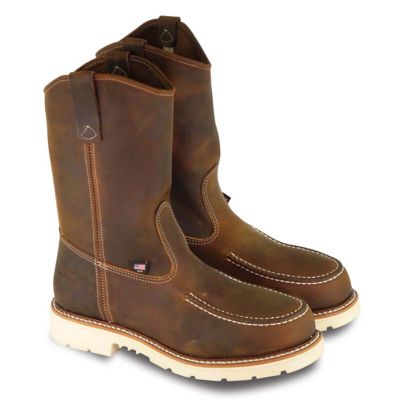
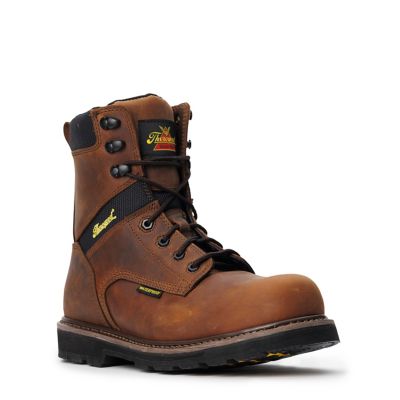
American made safety toe boots are built for folks who put in a full day on hard ground, from construction crews and mechanics to farmers, ranchers, warehouse workers, linemen, and anyone who needs dependable protection on the job. A safety toe helps shield the front of the foot from dropped tools, lumber, feed bags, equipment parts, and other heavy objects, while a sturdy work boot can help provide support through long hours of standing, walking, climbing, and lifting. Many American made work boots are crafted with full-grain leather, durable stitching, welted or stitch-down construction, and tough rubber outsoles made to handle the rough mix of gravel, concrete, packed dirt, mud, and shop floors. Some are union-built, while others are assembled in the United States with domestic and imported components, so it pays to read the product details when American manufacturing is an important part of your purchase. Construction, materials, and safety features can vary from one pair to the next, but a well-made boot should feel like reliable equipment rather than just another piece of clothing. During the warmer months, breathable leather and moisture-managing socks can make long shifts more comfortable, while insulated socks and a boot with room for thicker layers can be useful during cooler months. A quality pair also makes a thoughtful gift for a new apprentice, a family member starting a job in the trades, or somebody who has worn through the soles of an old pair and needs dependable footwear for the next season of work.
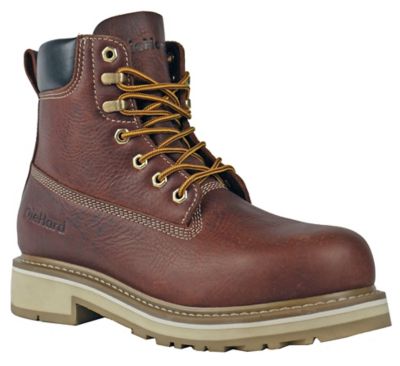
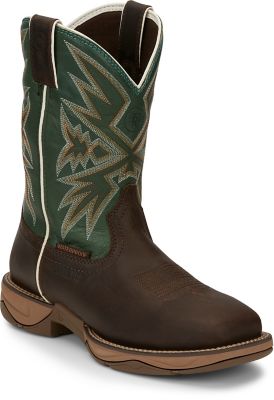
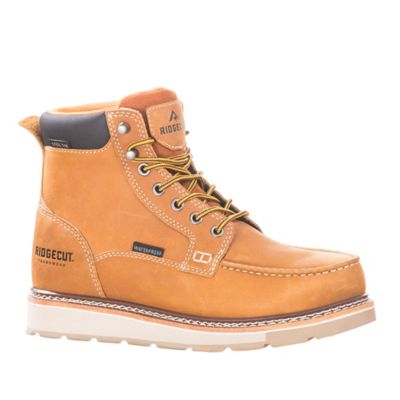
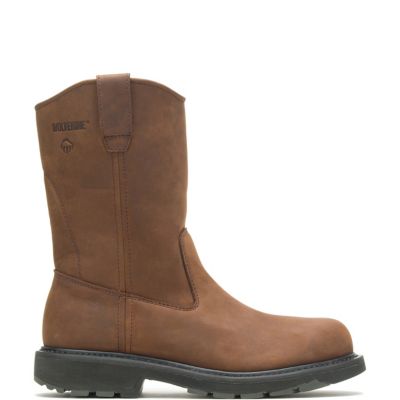
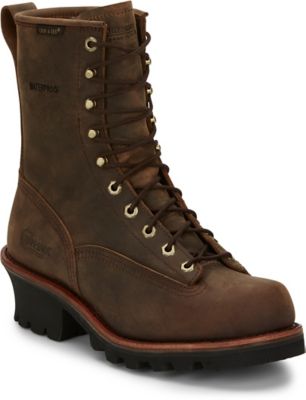
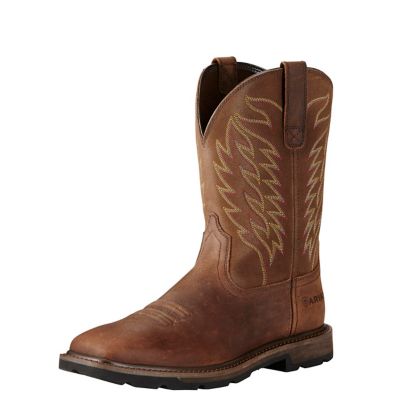
When comparing American made safety toe boots, start with the requirements of the job and the conditions underfoot. Steel toe boots are a familiar choice for heavy-duty work and offer strong impact and compression protection, though they can feel heavier than other safety toe options. Composite toe boots use nonmetal materials and may be a good fit for workers who spend time around metal detectors, electrical equipment, or changing temperatures. Alloy toes can provide a lighter feel while still offering a protective toe cap. Look for footwear marked as meeting the applicable ASTM F2413 safety standard, and check whether the boot includes other protection your work calls for, such as electrical hazard resistance, slip resistance, puncture-resistant construction, or a heat- and oil-resistant outsole. Electrical hazard protection is intended to reduce the chance of completing an electrical circuit under specific dry conditions; it is not a substitute for proper electrical safety practices or insulated footwear rated for live electrical work. Outsole style matters, too. A wedge sole offers a broad, steady contact area that many people like for shop floors, sidewalks, and general construction, while a lugged sole can provide more bite on uneven ground, loose soil, and job sites where traction changes from one step to the next. A raised heel or western-inspired profile may suit barn work, riding, and outdoor jobs, while a pull-on design can be handy when speed and easy removal matter. For wet working conditions, consider water-resistant or waterproof construction, gusseted tongues, and leather that can be conditioned without becoming overly soft. No boot can stay dry forever in standing water, but the right features can help keep morning dew, wet grass, rain, and mud from becoming a constant nuisance.
Fit is just as important as the safety rating. Your toes should sit comfortably behind the protective cap without touching it, and you should be able to wiggle them without your foot sliding around inside the boot. Try boots on with the socks you expect to wear at work, preferably toward the end of the day when feet have naturally swelled a little. A firm heel hold is helpful, but painful rubbing, pinching across the ball of the foot, or pressure on the top of the toes is a sign to try another size or shape. Leather boots often soften and settle with wear, though the safety toe and basic structure will not stretch the way a soft shoe does. Short walks around the house or shop can help identify hot spots before a full shift, and a good pair of work socks can reduce friction while managing sweat. Keep boots brushed clean, let them dry away from direct high heat, and use a conditioner suited to the leather so it does not crack when exposed to dust, sun, rain, or repeated work. Inspect the outsole, stitching, eyelets, and toe area regularly, and replace boots when the tread is worn smooth, the safety toe is damaged, the sole separates, or the boot no longer supports your foot properly. American made safety toe boots combine practical protection with the kind of durable craftsmanship many working people appreciate, making them a solid choice for daily jobsite wear, farm chores, shop projects, and demanding outdoor work.