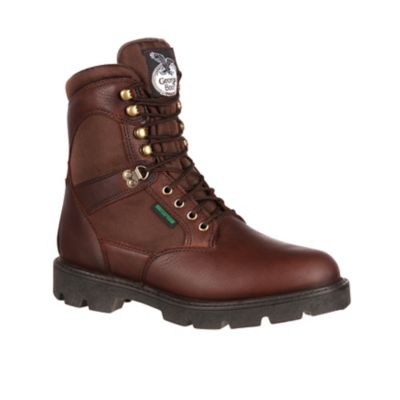
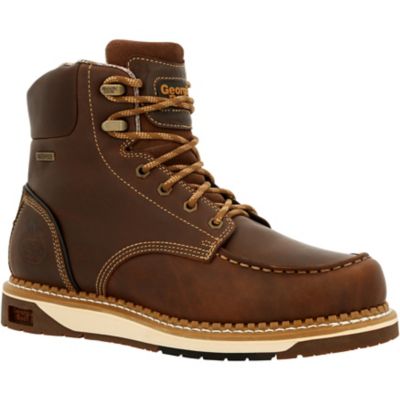
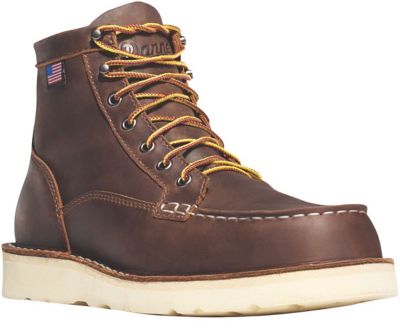
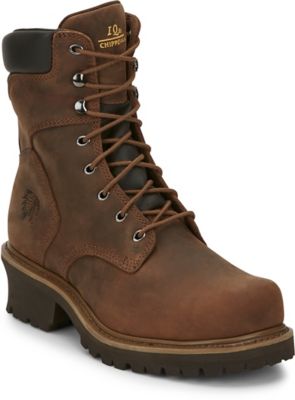
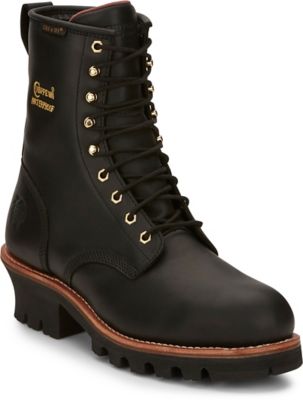
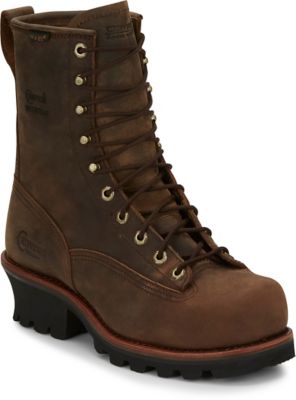
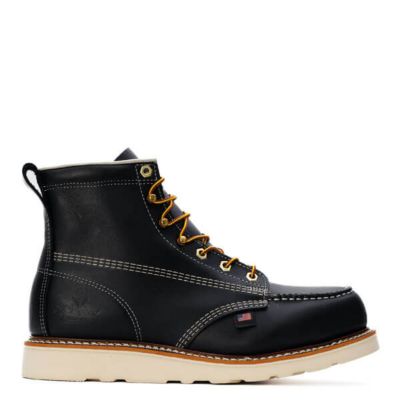
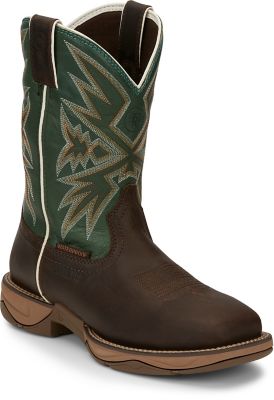
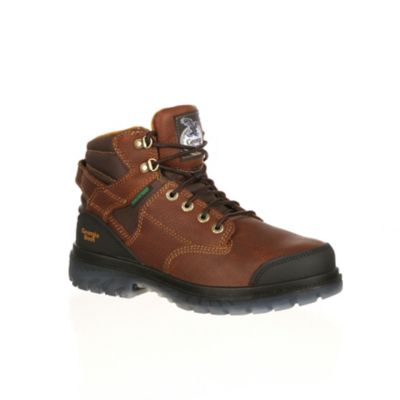
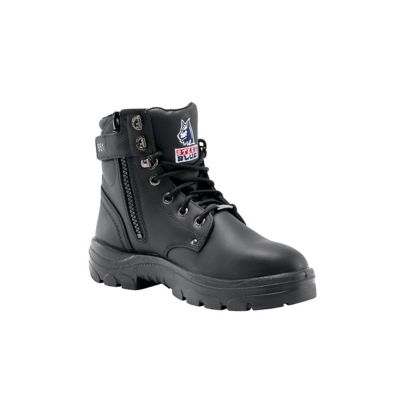
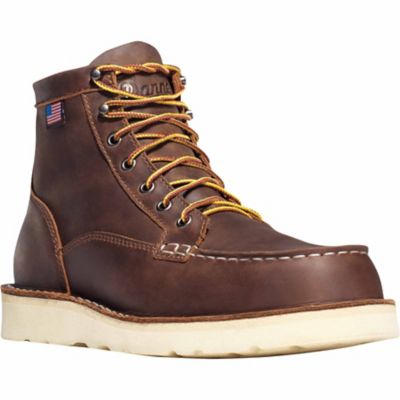
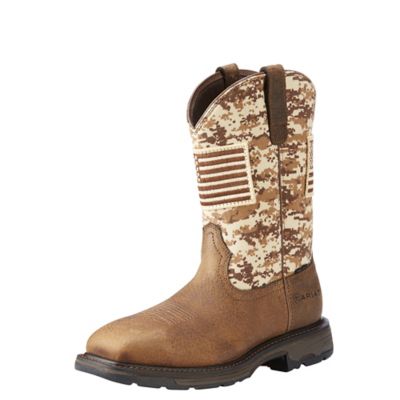
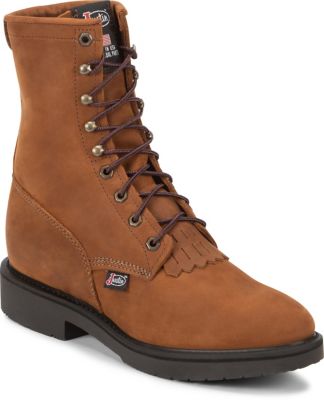
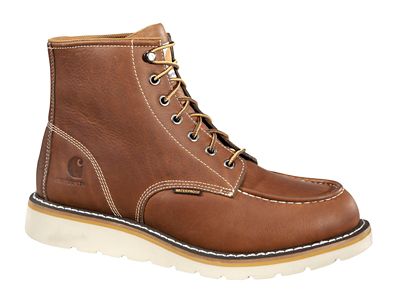
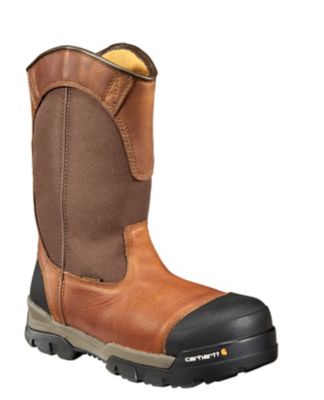
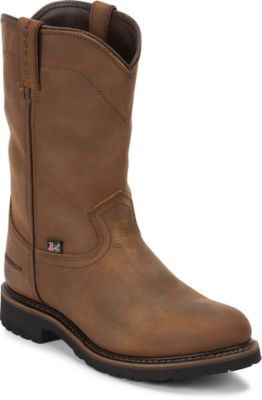
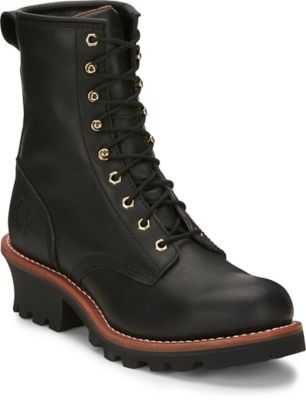
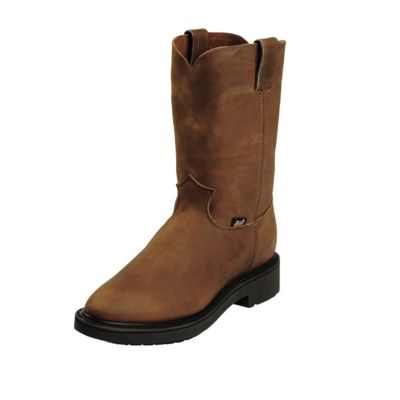
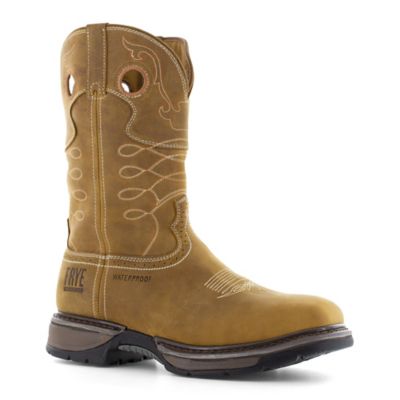
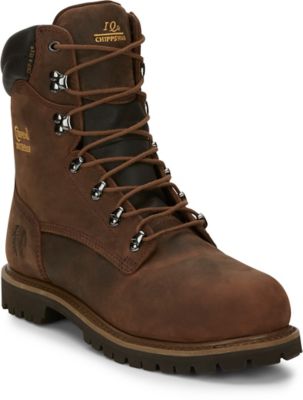
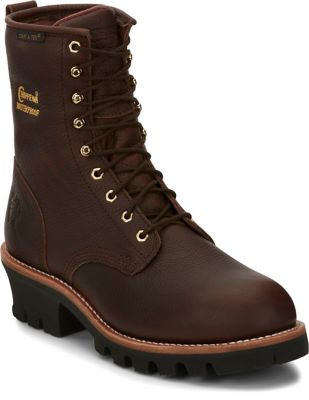
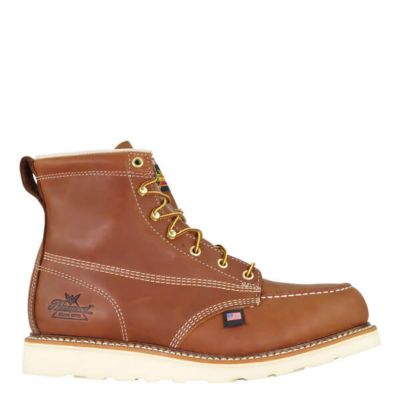
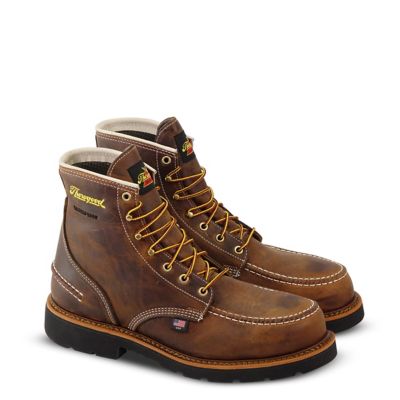
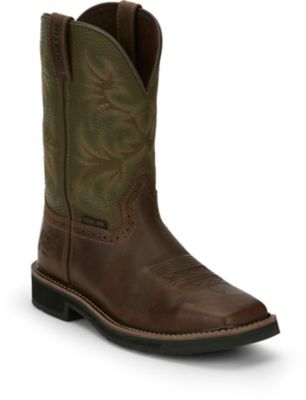
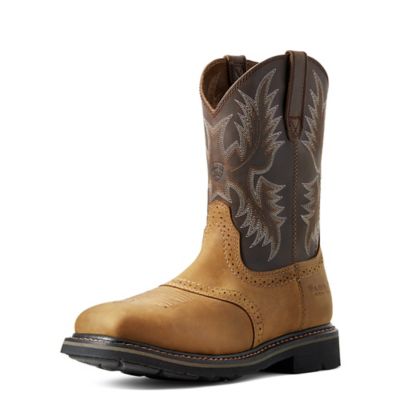
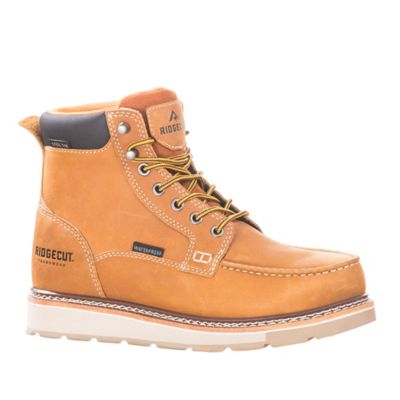
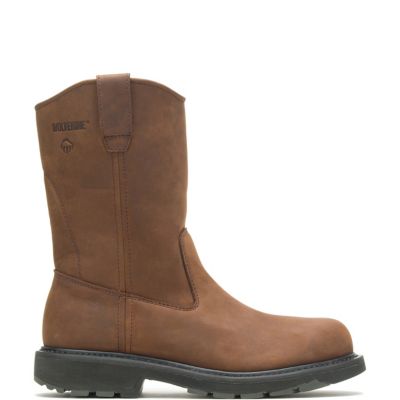
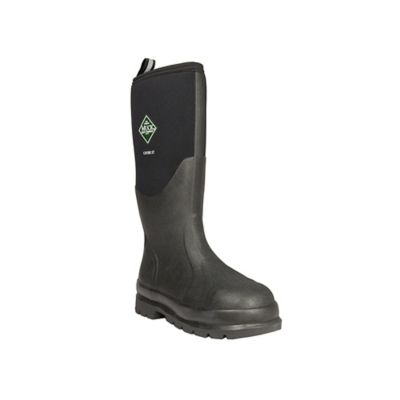
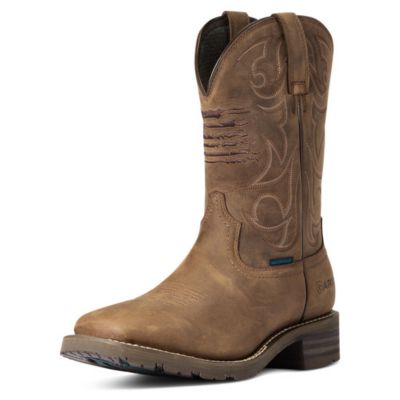
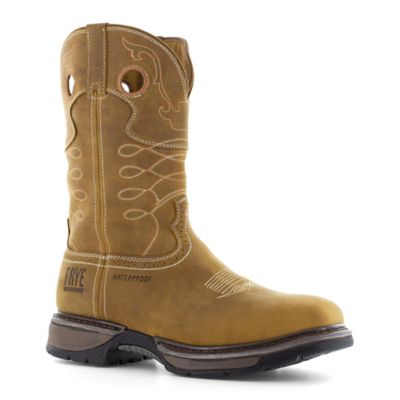
American-made men’s work boots are built for long days, hard ground and the kind of work that does not stop when the weather turns rough. They are a solid choice for farmers, ranchers, contractors, mechanics, warehouse crews, landscapers and anyone who spends more time on their feet than behind a desk. A dependable pair can handle muddy lots, gravel drives, concrete floors, rough lumber and cold morning chores while helping protect your feet from the daily wear that comes with hands-on work. Many shoppers look for American-made work boots because they value domestic manufacturing, skilled craftsmanship and the long-standing traditions behind work footwear made in the United States. Construction details vary from one pair to the next, so it pays to read the product description closely. In many cases, a “Made in USA” work boot is assembled in the United States with a combination of domestic and globally sourced materials. Some boots may use a higher percentage of American-made materials, while others may be union-made or built at a U.S. facility. If the origin of every component matters to you, look for clear wording about where the boot is assembled and where its leather, hardware, soles and other materials come from. That extra bit of checking helps you choose a pair that matches your expectations without taking away from the practical value of a well-built boot.
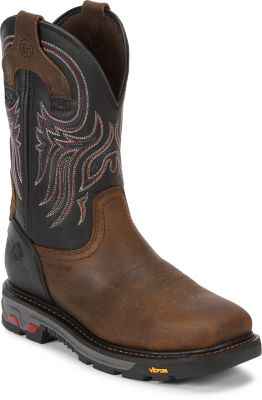
Fit should be near the top of the list when comparing American-made men’s work boots. Your heel should stay planted without slipping, while your toes need enough room to spread naturally as you walk, climb, kneel and carry a load. Try to account for the socks you normally wear on the job, especially if you use thick wool or cushioned work socks during cooler months. A boot that feels just right with a thin dress sock may feel cramped after a full day in heavier socks. Leather commonly starts out firm and gradually shapes itself to your foot, but breaking-in time is not a substitute for a proper fit. Look for a supportive footbed, a comfortable collar and a tongue that keeps dirt and moisture from working its way inside. Work boot height is another practical consideration. A six-inch or mid-cut boot offers a balance of ankle support and easy movement, while a taller boot can provide more coverage around brush, mud, snow and uneven ground. Pull-on styles are handy for quick changes at the barn, shop or back porch, and you can browse
American Made Pull On Work Boots when you prefer a boot without laces. Lace-up boots, on the other hand, allow you to fine-tune the fit around your ankle and instep. Think about how often you will be taking your boots on and off, how much ankle support your work calls for and whether you spend more time walking on level surfaces or crossing rough ground.
The sole and safety features should match the work in front of you. A rubber outsole with a deep, dependable tread can help provide traction on wet grass, loose dirt and slick shop floors, while a wedge-style sole is often comfortable for walking and standing on smooth, hard surfaces. If your job involves ladders, oil, mud or uneven terrain, pay attention to the tread pattern and the way the outsole is described. A heat-resistant sole may be useful around hot pavement, welding areas or equipment, while an oil-resistant outsole can add confidence in garages and service bays. Safety-toe options, including steel and other protective toe materials, are designed to help guard against falling or rolling objects, but they can feel different from a soft-toe boot in both weight and fit. Check workplace requirements before choosing, since some jobs call for specific safety ratings or electrical hazard protection. Waterproof or water-resistant construction can be helpful when you are checking livestock in wet pastures, working around irrigation, clearing snow or moving through damp job sites, though no boot stays waterproof forever without proper care. Clean off packed mud before it dries, let wet boots dry naturally away from direct heat and condition leather as recommended by the manufacturer. A little routine care can keep the leather flexible and help extend the useful life of the boot. These boots also make a thoughtful gift for a dad, husband, son, ranch hand or tradesperson who is hard on footwear and appreciates gear that earns its keep. For someone starting a new job, replacing worn-out boots or spending the cooler months outdoors, a durable American-made pair can be a practical gift with everyday value. Take a look at the boot’s materials, construction, toe protection, sole design and fit before ordering, and consider the kind of ground and weather the wearer deals with most. The best pair is not simply the one with the toughest appearance; it is the one that feels steady underfoot, holds up to the work and fits naturally into the wearer’s daily routine.