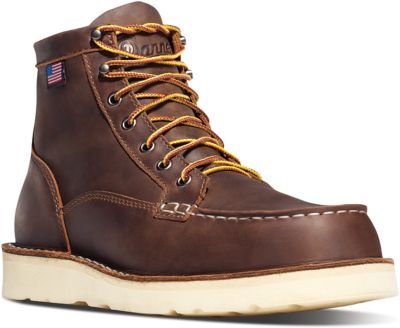
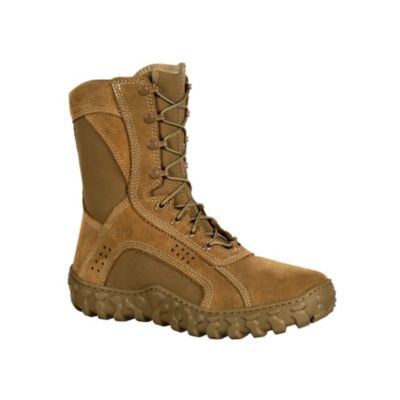
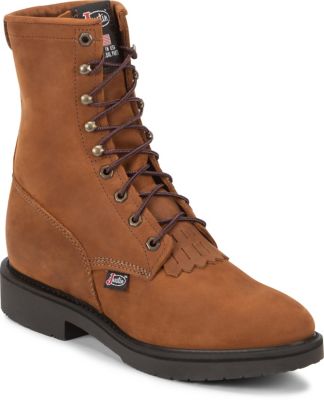
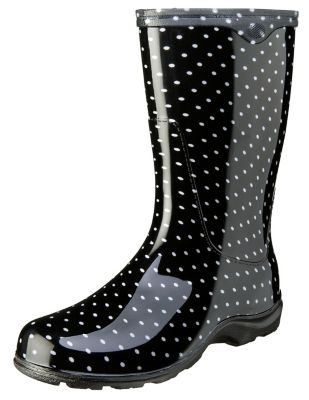
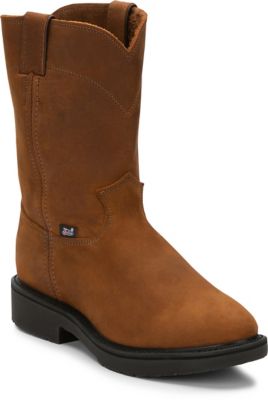
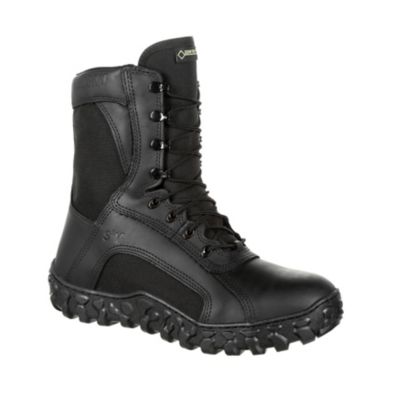
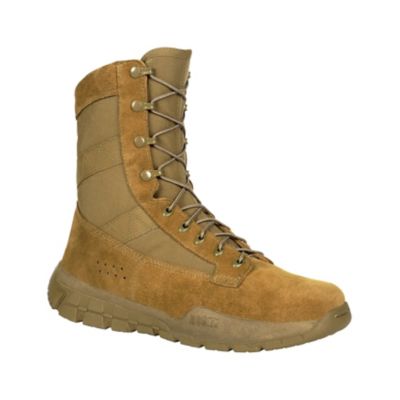
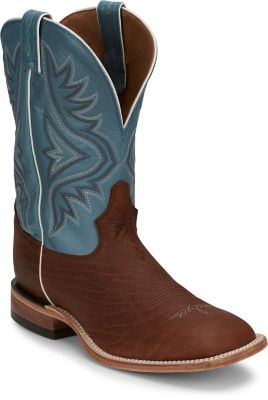
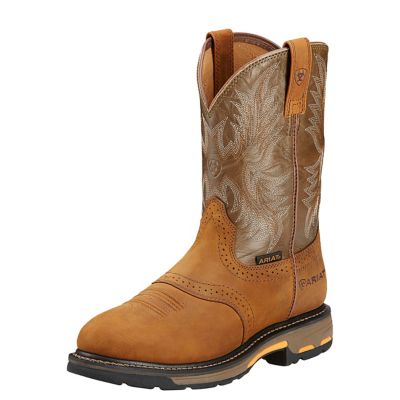
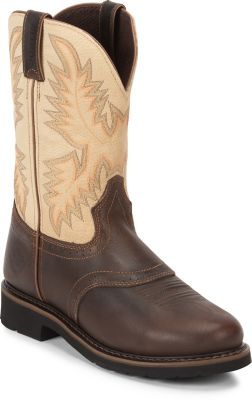
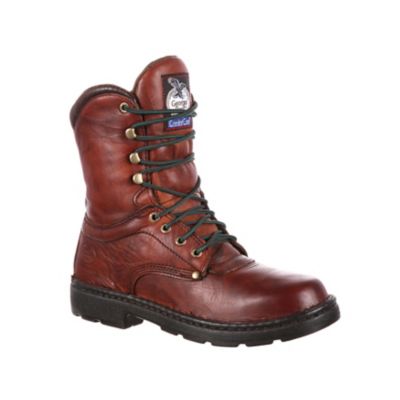
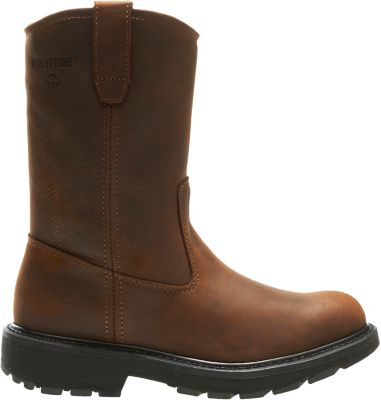
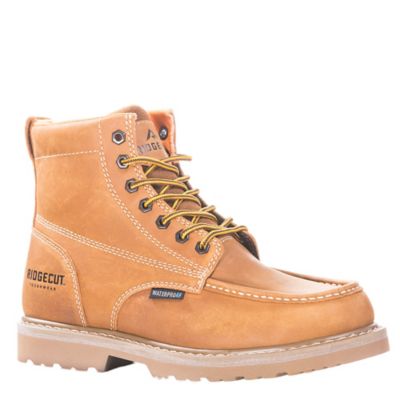
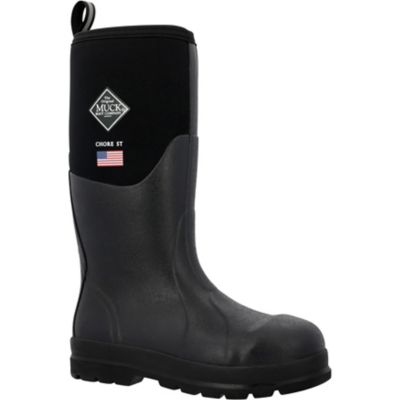
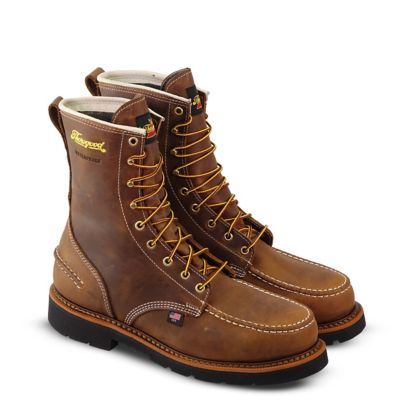
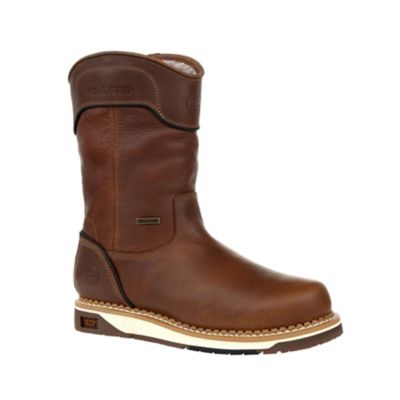
USA-made boots have a place wherever the day calls for steady footing, good support and leather that can take on some character along the way. From feeding livestock and checking fence lines to working in a shop or heading into town, the right pair starts with construction that suits the job. American-made footwear also appeals to shoppers who want to know where their boots come from and how they’re put together. An unqualified “Made in USA” claim means a boot is all or virtually all made in the United States, including its significant parts and processing. Statements such as “assembled in the USA” or “made in the USA with imported materials” describe different manufacturing arrangements, so the complete origin statement matters more than a flag on the packaging. Country of origin is one consideration; leather, stitching, soles and fit tell the rest of the story. Full-grain leather retains the hide’s outer grain and can develop creases and a richer appearance with wear. Smooth leather generally brushes clean more easily than textured leather, while roughout has a napped surface that calls for different cleaning methods. Leather thickness, lining and reinforcement around the toe and heel all affect how a boot feels on the foot. Construction matters, too. A welted boot has a stitched strip connecting the upper assembly and sole, a design that often makes sole replacement possible. Cemented construction bonds the sole to the upper and can offer flexibility without the same repair options. Neither method tells the whole story on its own, and not every American-made boot can be resoled or rebuilt. For footwear centered on chores, trades and long hours on the job, the
American Made Work Boots collection keeps the focus on working feet. The best match depends on the ground underfoot, the movement a task requires and the features that earn their place throughout the day.
Fit becomes especially important when a short walk across the yard turns into hours of standing, climbing or carrying. A boot should hold the heel and midfoot securely without squeezing the toes or pressing across the top of the foot. Trying boots with the same socks intended for work helps reveal whether there’s enough room, particularly when thicker socks or an orthotic insert are part of the setup. Feet can swell over the course of a day, making an afternoon fitting useful. There should be space for the toes to move without sliding forward and striking the front on a downhill step. Lace-up boots allow adjustment across the instep and around the ankle, while pull-on styles depend more heavily on the shape of the boot and the fit through the instep. Some heel movement can be normal in a new pull-on leather boot, but substantial slipping, toe pinching or numbness should not be dismissed as part of breaking it in. Leather can soften with wear; a boot that is too short will not become the right size. Underfoot, a broad wedge sole can provide a generous contact area for standing on firm surfaces, while deeper lugs may suit loose dirt and uneven ground. A defined heel may be appropriate for certain ladder tasks, depending on workplace requirements and the boot’s design. Slip resistance is another separate feature, and no sole is slip-proof on every surface. Oil, water, manure and fine dust create different footing problems around barns and shops. Safety toes, puncture resistance, metatarsal protection and electrical-hazard ratings address different risks rather than serving as interchangeable protections. A safety toe alone does not establish that a boot meets every requirement for a particular job. The boot’s markings and the employer’s footwear requirements should line up with the actual work, whether that means moving materials, running equipment or spending the day around heavy tools.
Long service starts with a boot built for its intended work, but everyday care has plenty to do with how well that boot holds up. Dirt packed into seams can rub against stitching, and manure or other residue should not sit on leather longer than necessary. A soft brush removes loose grit before a damp cloth or leather cleaner tackles what remains. Cleaning and conditioning should follow the boot maker’s directions, since smooth leather, suede and roughout do not all respond well to the same treatments. Conditioner can help keep suitable leather supple, but more is not always better; too much can darken the surface or change its feel. Waterproofing treatments also need to match the material and any built-in membrane. A water-resistant finish and waterproof construction are not the same thing, and neither replaces routine inspection of seams, soles and worn areas. After a demanding day, loosening the laces and taking out removable footbeds allows the inside to air out. Letting boots dry naturally, away from direct heat, helps protect leather and bonded components. Rotating between pairs gives each pair more time to dry between wears. Outsole tread, heel wear, loose stitching and separation along the sole edge deserve attention before a small problem becomes a larger repair. On a resoleable boot, replacing a worn sole while the upper and supporting structure remain sound may extend its working life, though a cobbler should assess the construction and condition first. That repair potential can matter to someone who has finally broken in a comfortable pair and would rather keep it going. USA-made boots can also make a thoughtful gift for a ranch hand, tradesperson or family member who appreciates American manufacturing. Size, width, work requirements and personal preference matter more than guessing from appearance alone. A practical pair should feel at home in the recipient’s daily routine, with the right balance of support, flexibility and protection for the miles ahead.