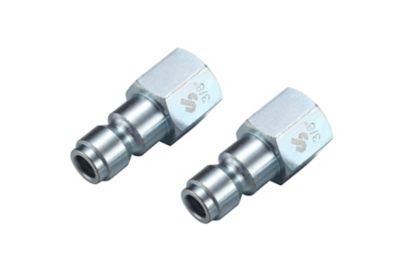
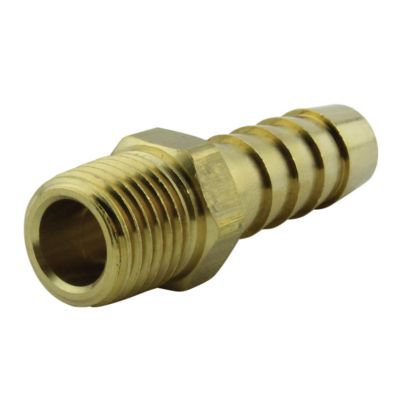
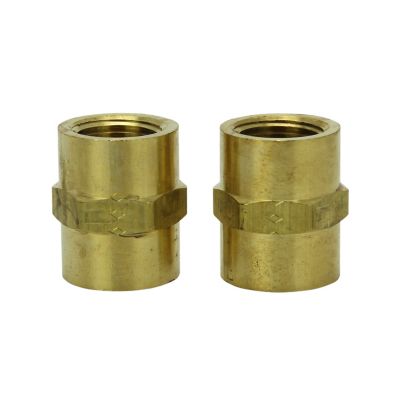
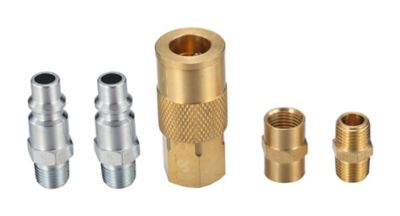
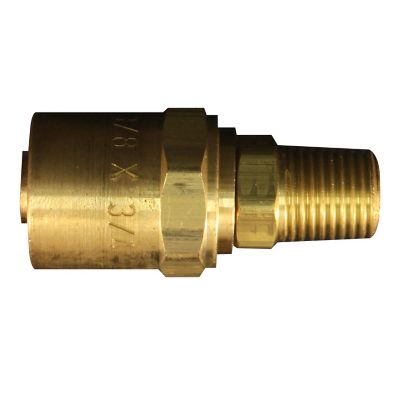
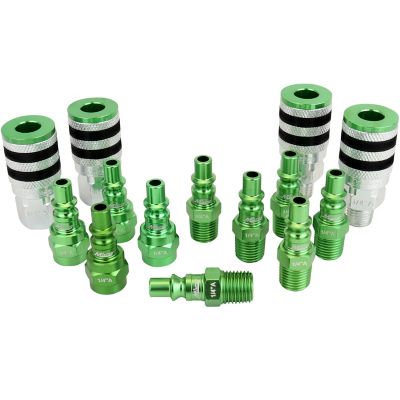
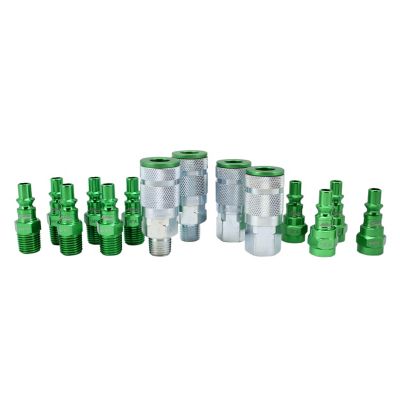
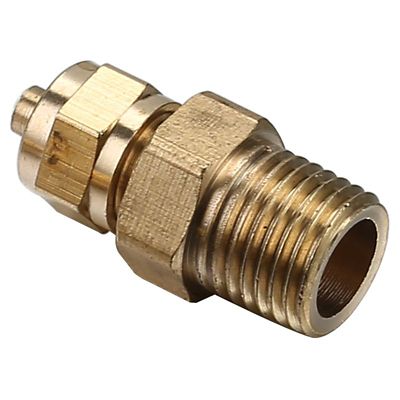
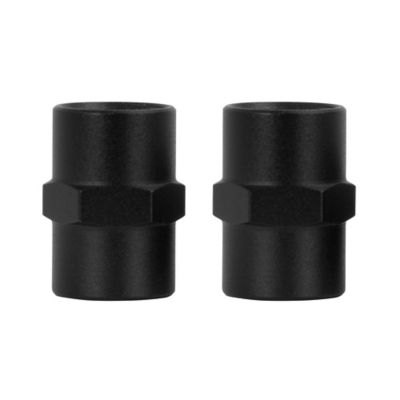
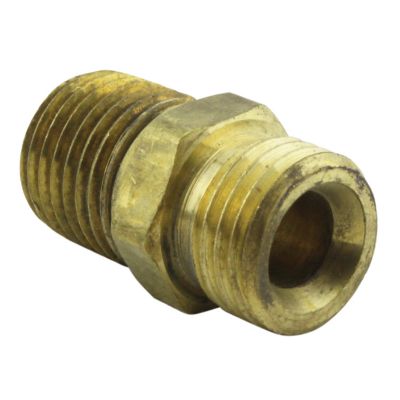
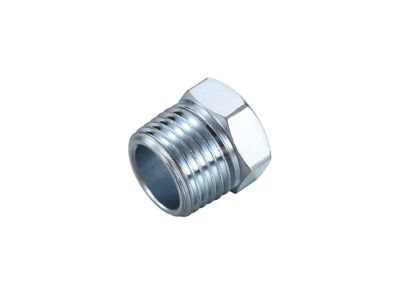
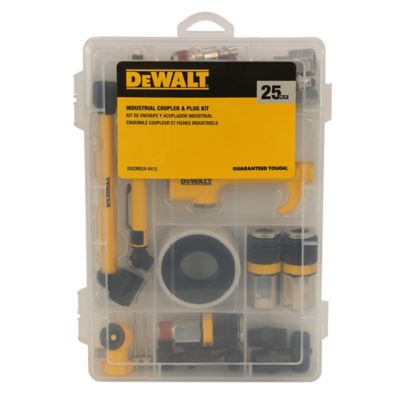
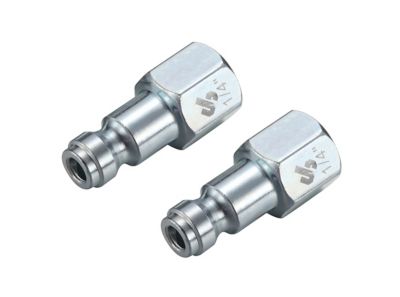
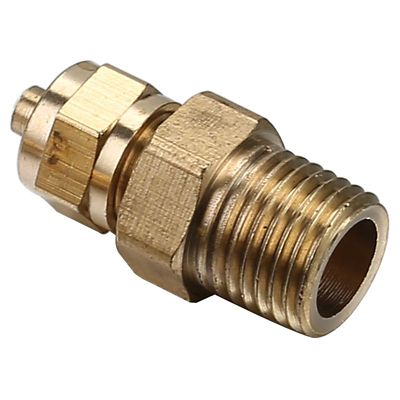
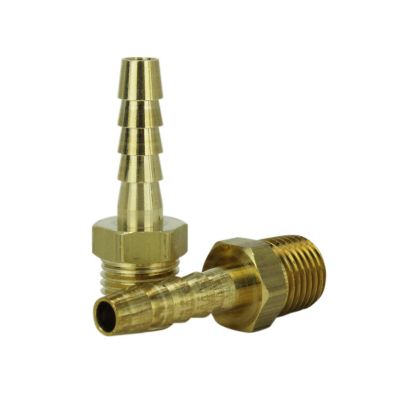
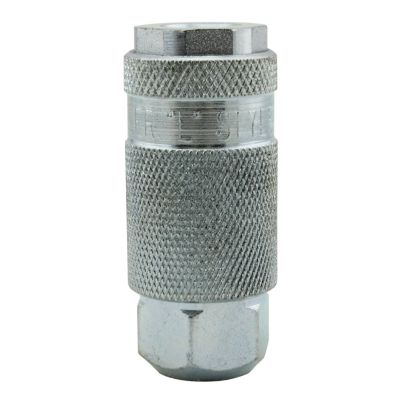
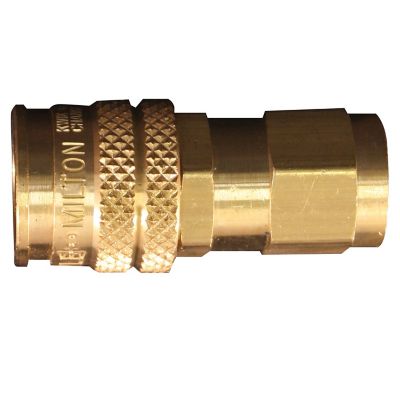
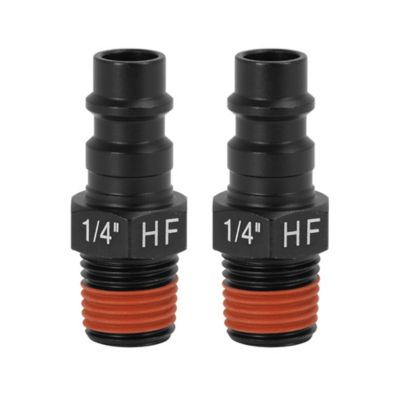
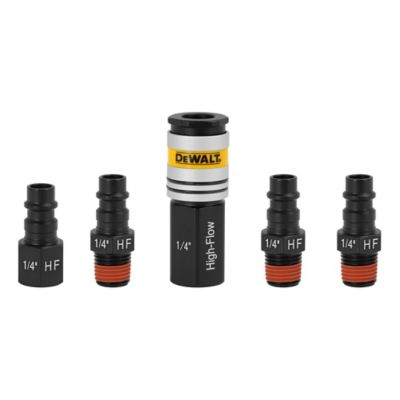
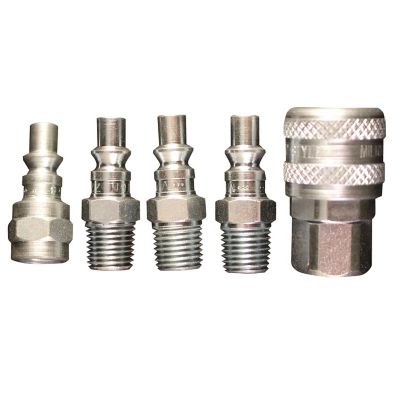
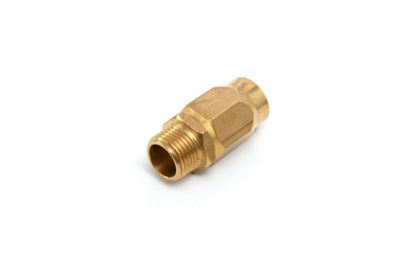
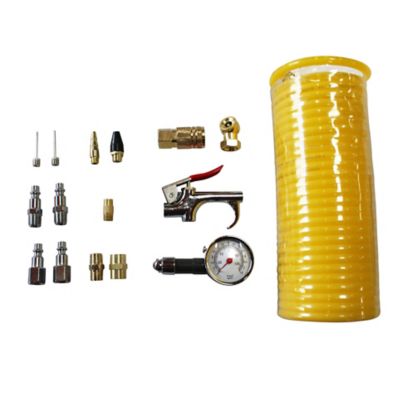
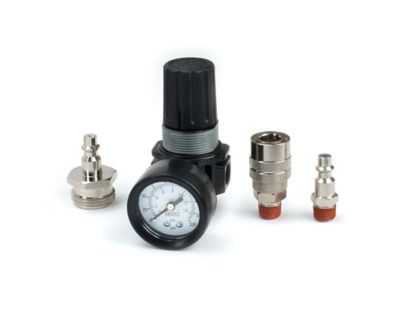
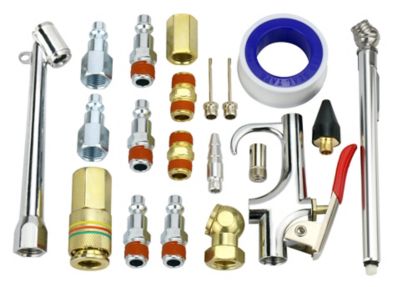
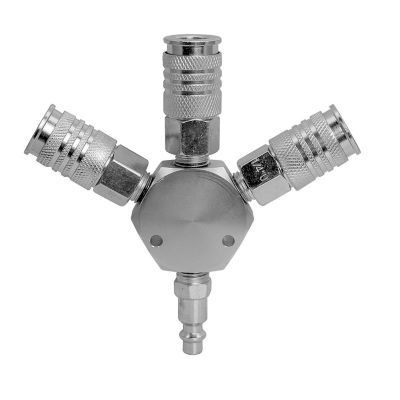
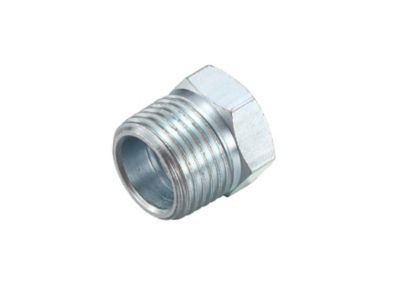
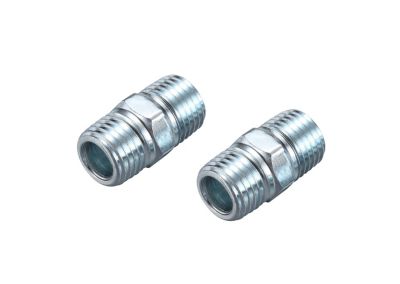
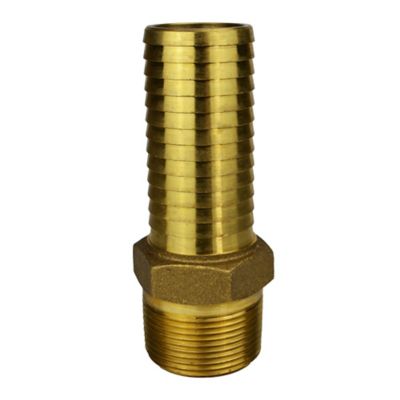
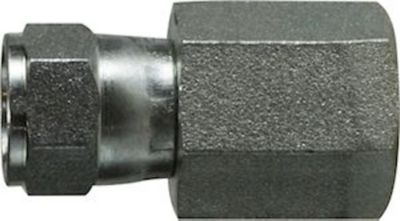
Air line fittings connect air compressors, hoses, tubing, and pneumatic tools to form a sealed path for compressed air. They make it possible to move from inflating a tractor tire to running an impact wrench without rebuilding the whole setup each time. Around a farm shop, garage, or equipment shed, these small connections handle plenty of work: joining a hose to a compressor outlet, connecting a tool at the working end, or routing an air line around a bench. Different fitting styles serve different jobs. Quick-connect couplers and plugs allow tools and hoses to separate without unthreading the connection, while threaded adapters join components with compatible ports. Elbows change direction where space is tight, tees create branches, and hose-barb fittings connect to suitable flexible hose with the proper securing hardware. Push-to-connect fittings work with specified tubing sizes and materials, rather than fitting every kind of air hose. The right match depends on more than whether two pieces appear to snap or screw together. Quick-connect plugs and couplers need compatible profiles and body sizes; industrial and automotive patterns, for example, are not automatically interchangeable. The plug profile is separate from the threaded connection on its opposite end, so both details matter when comparing fittings. Male threads go into female threads, but matching those ends alone does not establish compatibility. Thread diameter, pitch, and standard also have to agree. National Pipe Taper, often marked NPT, seals differently from straight-thread connections that depend on an O-ring, gasket, or another sealing surface. Nominal pipe size is a designation, not simply the outside measurement taken across the threads. For a shop with several hoses and tools, keeping a consistent coupling pattern can make everyday swaps less of a chore. Checking the markings and specifications on existing connections helps narrow the choice without relying on appearance, especially when similar-looking fittings have collected in the same drawer over the years.
Material, pressure rating, and airflow capacity all play a part in choosing air line fittings for the work ahead. Brass offers corrosion resistance and is common in threaded adapters and hose connections. Steel brings strength for connections that face frequent handling, while protective finishes help limit surface corrosion. Stainless steel offers another option where moisture exposure or cleaning conditions call for greater corrosion resistance. Each material still needs the right application rating; the metal alone does not tell the whole story. When comparing
Steel Fittings, specifications for compressed-air service, pressure limits, and connection type matter more than a close visual match. Moisture can collect inside compressed-air systems, making internal corrosion resistance worth considering along with the condition of exposed surfaces. Seals matter, too, since their compatibility with compressor lubricants and other substances in the system can affect how well a connection holds air. The working-pressure rating should cover the system’s operating pressure, and the lowest-rated component sets the limit for the assembled connection. Airflow deserves the same attention. An impact wrench working on stubborn equipment fasteners needs a different air supply than a tire chuck delivering short bursts. A fitting’s internal passage and rated flow can affect tool performance even when its outside threads match the hose. Narrow passages, long hose runs, and multiple restrictive connections can contribute to pressure drop while a tool is running. That can leave a wrench feeling weak despite a compressor gauge showing adequate pressure at the tank. Hose inside diameter, tool air demand, and fitting flow capacity belong in the same comparison. A larger connection is not automatically the answer, either; it still has to match the hose, tool, and compressor arrangement. For a small bench setup, compact fittings may keep connections manageable, while a shared shop air line may need connections selected around the demands of its busiest tools.
The way a workspace operates also shapes which connections make sense. A hose that travels between a mower, utility trailer, and workbench gets pulled and repositioned far more often than a fixed line serving one station. Swivel connections can help reduce twisting at a tool, and a well-placed elbow can keep a hose from making a sharp bend against a wall or compressor frame. Neither takes the place of proper hose support or a clear route away from tires, belts, and moving equipment. On a busy shop floor, fitting weight and length can affect how comfortably a tool handles, especially when the connection sits directly below the grip. A shorter connection may fit a tight spot, but it still needs room for the coupler sleeve to move and for the hose to bend without kinking. Connection care is mostly about keeping sealing surfaces clean and noticing wear before it becomes a bigger interruption. Dirt on a plug can travel into a coupler, while damaged threads, worn seals, or a bent connection can lead to escaping air. A steady hiss at the bench wastes compressor output and makes it harder to keep air where the job needs it. Threaded connections may require a compressed-air-compatible sealant when the fitting manufacturer specifies one; sealing methods vary, and quick-connect mating surfaces do not seal through thread tape. Excess material inside an air passage can break free and interfere with downstream equipment. Overtightening can also damage threads or crack a fitting instead of solving a leak. Inspection, cleaning, and replacement belong with the system depressurized and the equipment instructions close at hand. Keeping disconnected ends out of floor grit and protecting spare fittings from dirt helps preserve their sealing surfaces. With compatible connections, adequate airflow, and sensible care, air line fittings help keep everyday shop work moving without a stubborn connection holding up the job.