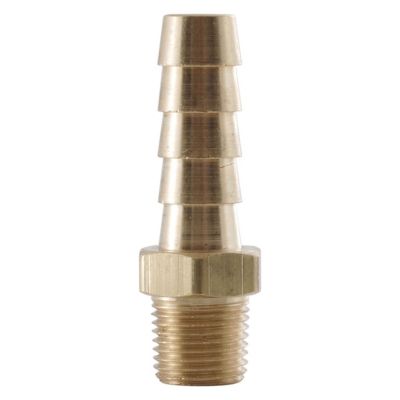
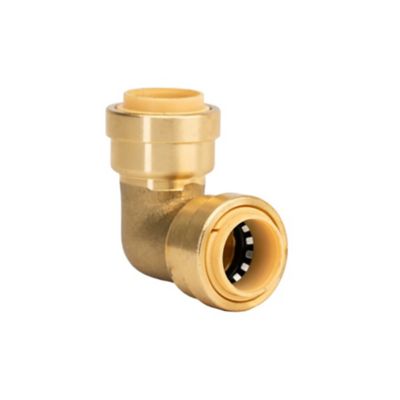
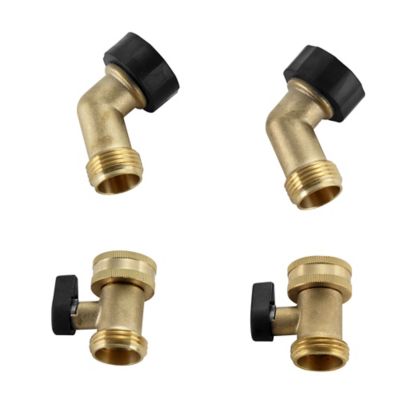
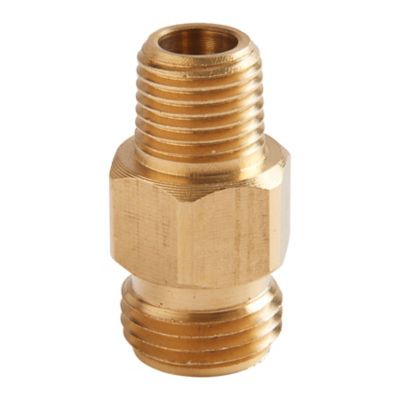
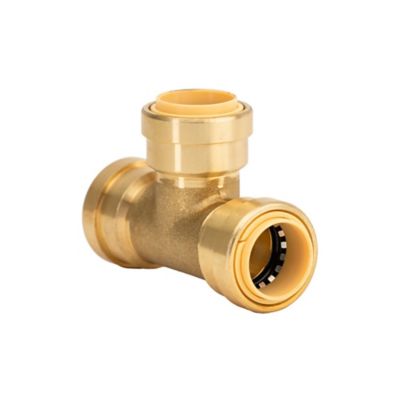
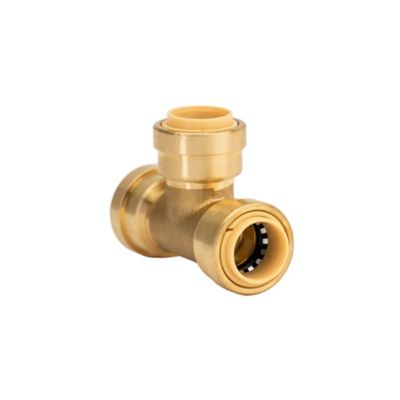
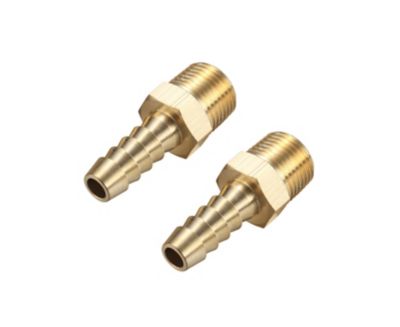
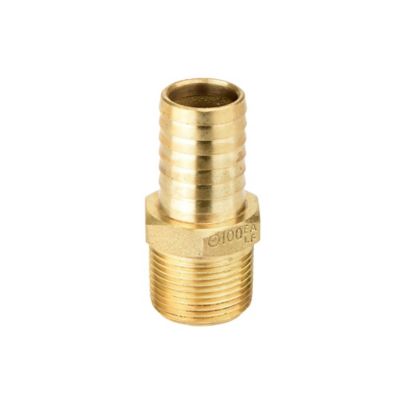
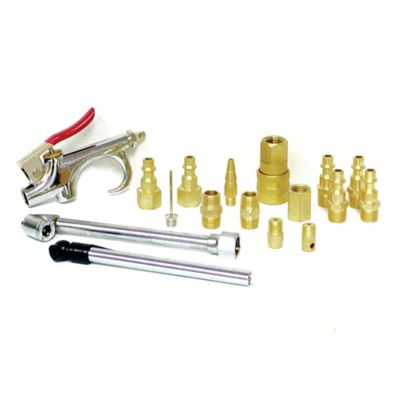
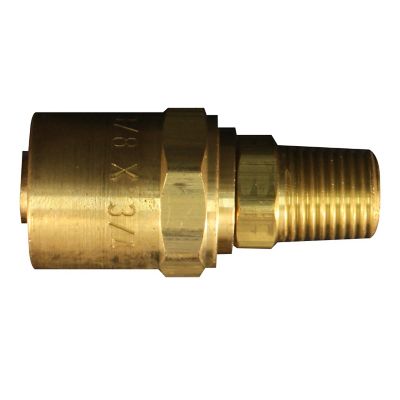
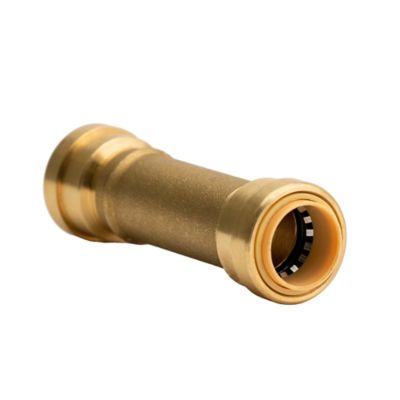
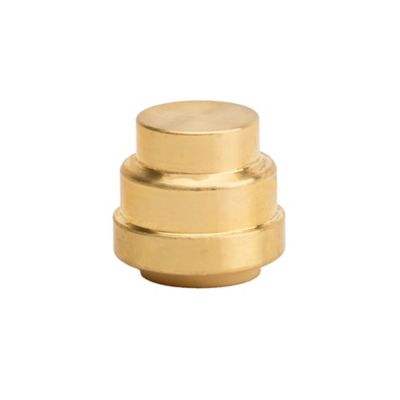
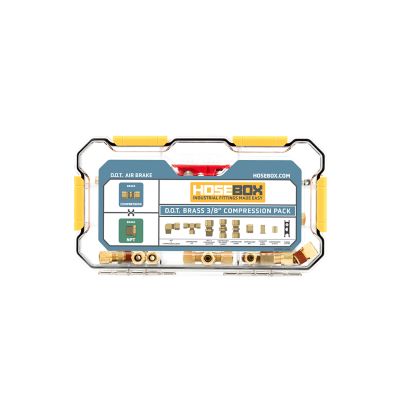
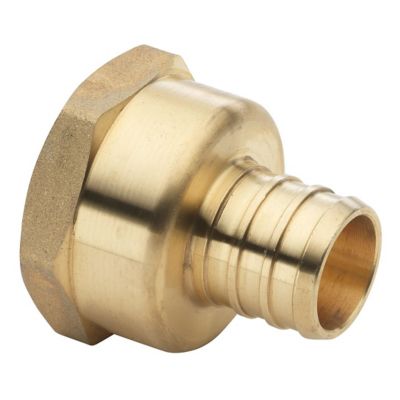
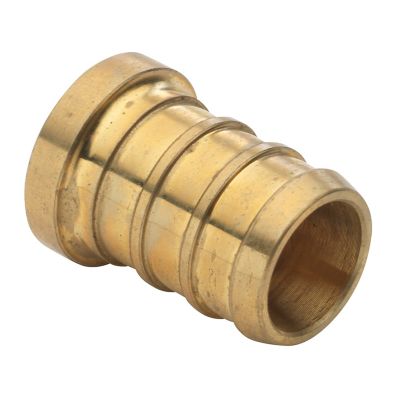
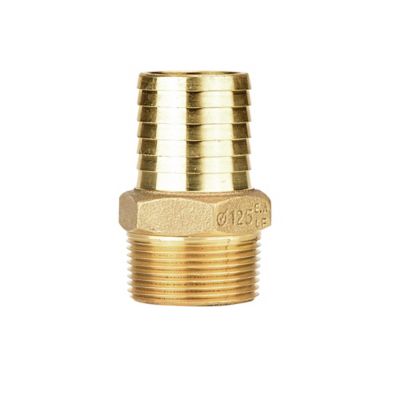
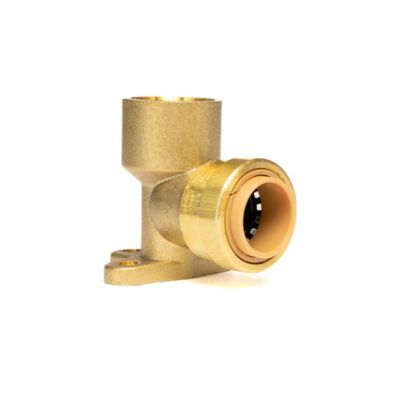
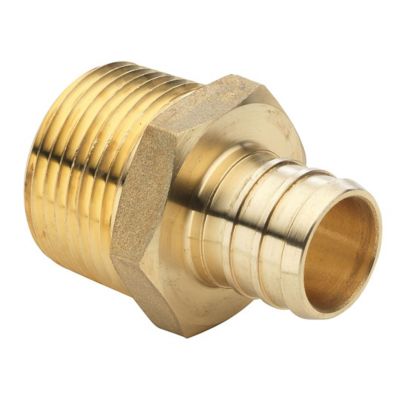
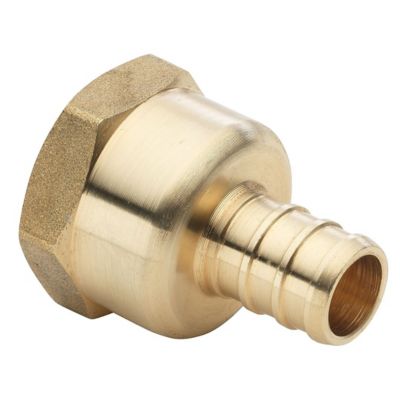
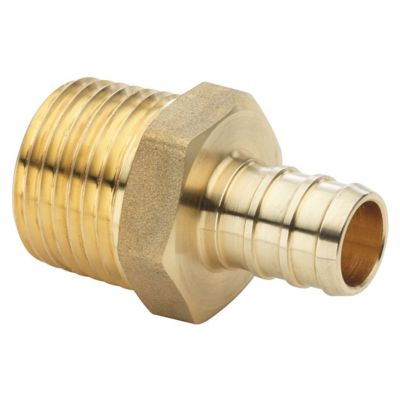
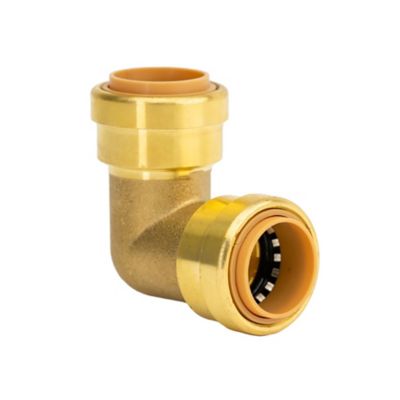
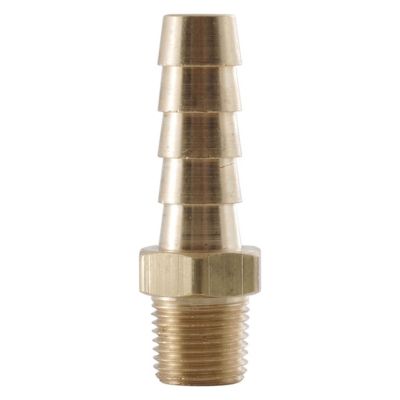
Brass fittings are dependable connectors for plumbing, heating, irrigation, air lines and other systems that need a secure connection between sections of pipe or tubing. Made from a copper-and-zinc alloy, brass is valued for its strength, resistance to rust and ability to handle the everyday wear that comes with pressure, vibration and changing temperatures. Around a farm, ranch or home workshop, these fittings may help route water to a stock tank, connect an air line in the shop, repair a small plumbing run or make a clean transition between different types and sizes of pipe. Common shapes include straight couplings for joining runs in line, elbows for turning a line around an obstacle, tees for splitting flow and short threaded nipples for connecting two female-threaded openings. Adapters and reducers are useful when the pipe diameter, connection style or material changes from one section to the next. A fitting’s shape is only part of the match, though. Before adding items to your cart, identify the pipe or tubing material, inside or outside diameter, thread size and thread type. National Pipe Thread, compression, flare and push-to-connect connections are not interchangeable just because they look close at a glance. Matching male and female threads properly helps prevent cross-threading, leaks and damaged fittings. It also pays to check whether the fitting is intended for water, air, fuel, gas or another service, along with its pressure and temperature rating. For drinking-water lines, look for fittings marked as lead-free and approved for potable water use. Gas and fuel applications call for components specifically rated and approved for those systems, and local codes may require professional installation or inspection. A brass fitting can be tough and long-lasting, but the right rating and connection method matter just as much as the metal itself.
Choosing the right brass fittings often comes down to taking a few simple measurements before starting the job. A tape measure, thread gauge or a fitting removed from the existing line can help confirm size, while a quick photo of the connection may be useful when comparing options. Keep an eye on the difference between nominal pipe size and the actual outside diameter of tubing, especially when working with copper or other thin-wall materials. When a line carries water, consider the possibility of mineral buildup, freezing or repeated pressure changes during the cooler months. In an unheated barn, pump house or outbuilding, protect exposed plumbing from freezing and leave enough room to tighten or service connections later. For compressed air, choose fittings rated for the working pressure and use thread sealant only where the connection style calls for it; compression and flare connections seal differently than tapered pipe threads. A clean, square cut and a properly seated washer, ferrule or gasket can make more difference than extra tightening. Over-tightening may distort threads or split a softer component, while under-tightening can leave a slow drip that shows up on a dusty floor long before it becomes a major leak. Brass is also a practical choice for many repair kits because individual fittings are easy to sort in a drawer or toolbox, and multipacks can keep common sizes on hand for the next fence-line repair, wash-bay project or shop upgrade. They make a useful gift for a farmer, rancher, maintenance worker or hands-on homeowner who enjoys keeping a well-stocked workbench, particularly when paired with pipe sealant, a tubing cutter, wrenches or a small organizer. For jobs that call for a different material, compare these options with
Steel Fittings to find a match for the system’s pressure, environment and intended use. With careful sizing, compatible materials and attention to ratings, brass fittings can help build a tidy, serviceable connection that keeps working through warm days, wet weather and the long stretch of cooler conditions.