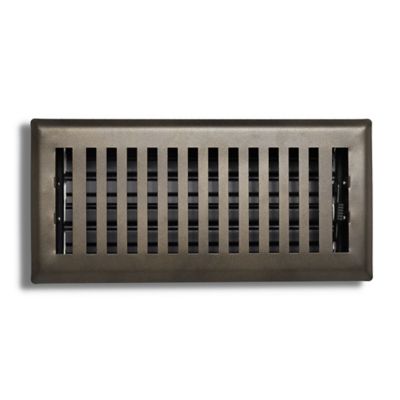
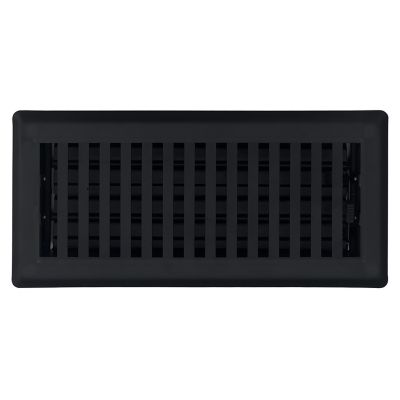
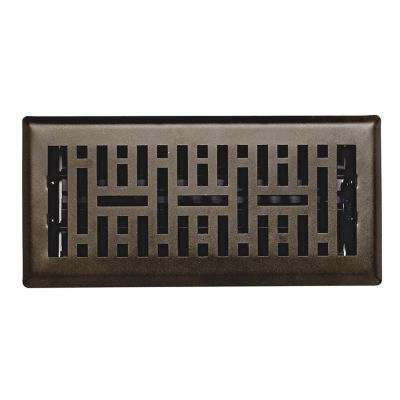
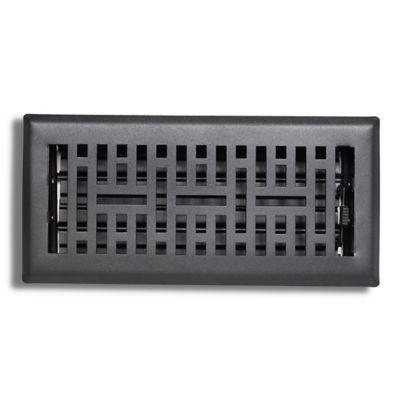
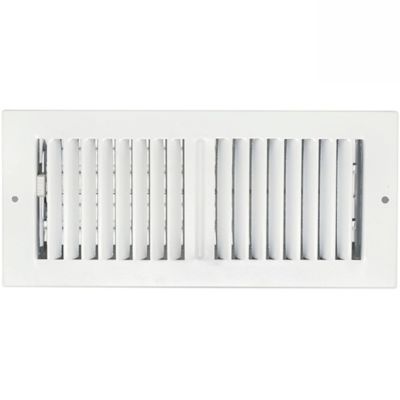
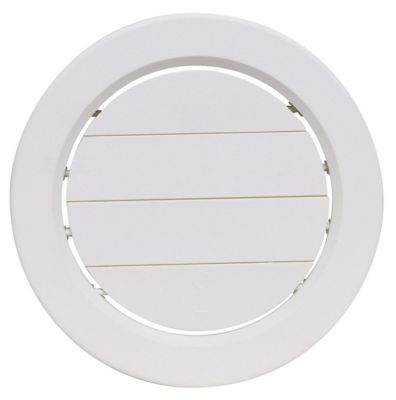
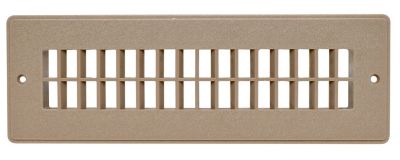
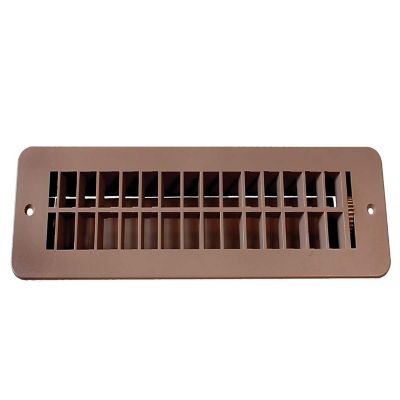
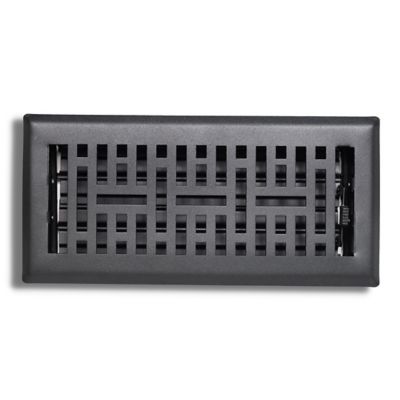
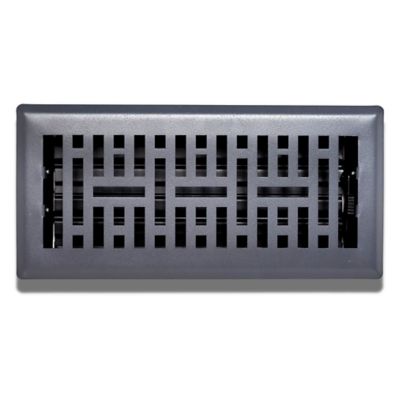
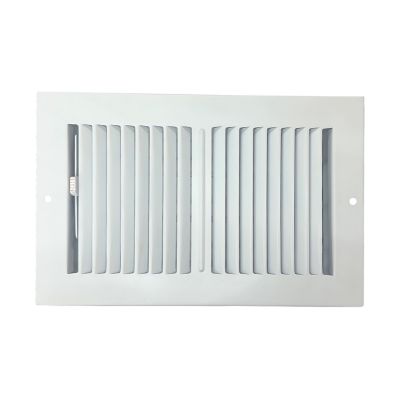
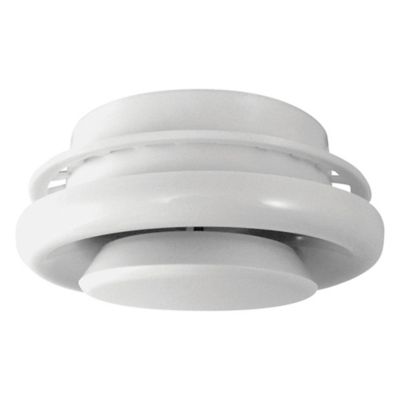
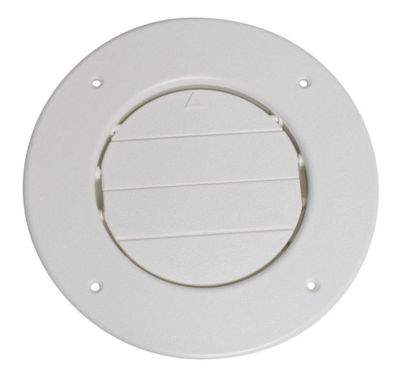
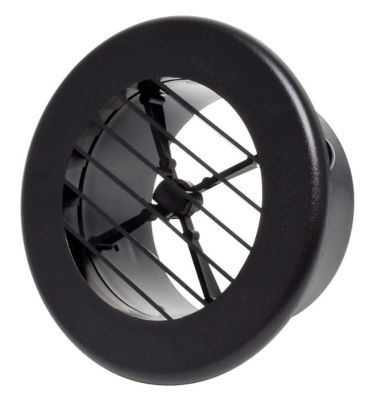
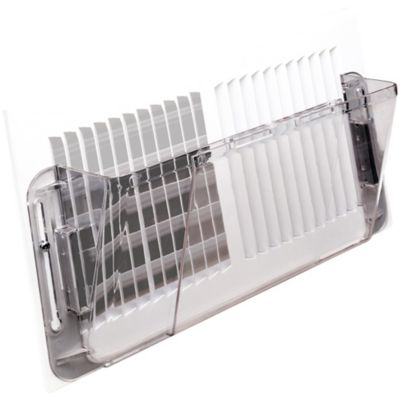
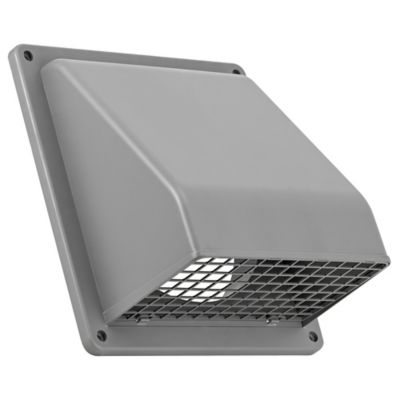
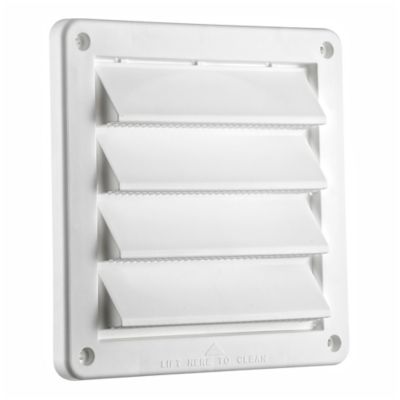
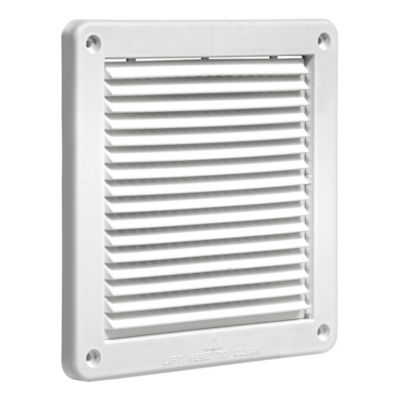
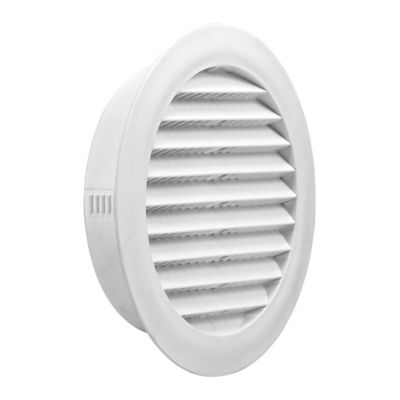
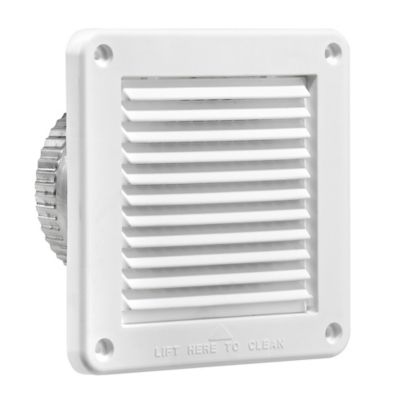
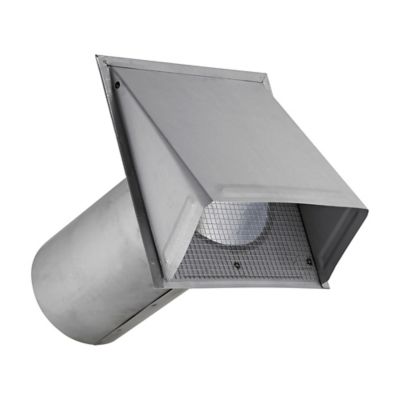
Air registers are the finished covers that sit over duct openings and help move conditioned air into a room. They may be installed in the floor, wall, ceiling, or along a baseboard, depending on how a home, shop, barn office, cabin, or other building is laid out. A supply register blows heated or cooled air into the room, while a return grille pulls room air back toward the HVAC system. That difference matters when replacing an old cover: supply registers often have adjustable louvers, fins, or a built-in damper to help control the direction and volume of airflow, while return grilles are generally designed to let air pass back through without the same type of adjustment. Floor registers are a familiar choice in many older homes and work well with floor-level duct openings, especially when heating is part of the system. Wall and ceiling registers can direct air outward or downward, making them useful where ductwork runs behind drywall or above a finished ceiling. Long, narrow baseboard registers are made for low openings that follow the edge of a wall. For more options that can help refresh the look around ductwork and other openings, browse
Air Vent Covers. The right style can make a vent blend neatly with flooring, trim, painted walls, or the practical finish of a mudroom, utility room, workshop, or spare bedroom. It can also replace a bent, rusty, rattling, or paint-clogged cover that has been letting dust collect around the edges for years. A clean, properly fitted register helps give a room a more finished appearance while supporting the normal movement of air through the heating and cooling system.
Before choosing an air register, measure the duct opening itself rather than the outside edge of the old cover. Remove the existing register when possible, then measure the length and width of the opening where the new unit will sit. The opening size is the most important measurement; the overall face may be slightly larger so it can overlap the surrounding floor, wall, or ceiling. A notebook sketch or quick photo can help keep track of which measurement belongs to which room, especially when several vents look nearly alike. Check the depth and shape of the opening as well, since some floor registers rest inside a recessed boot while others use a flat frame, and wall or ceiling registers may attach with screws. For a replacement floor register, look at the surrounding surface before selecting a material. Heavy steel can be a sensible choice in busy hallways, entryways, mudrooms, and work areas where boots, toys, pet traffic, or dropped tools are part of everyday life. Aluminum may offer a lighter option, while wood can coordinate with hardwood flooring and traditional trim. Plastic or other easy-care materials may fit well in laundry rooms, bathrooms, finished basements, and spaces where moisture or frequent cleaning is a concern. Consider the louver direction, too. Adjustable fins can help angle warm air across a cold floor or guide cooled air away from a bed, desk, or favorite chair. A damper can be useful when a room needs a little less airflow, but it should not be closed so tightly that the system struggles or makes extra noise. Match the register to the type of opening and the airflow purpose, and avoid using a supply register where a return grille belongs. In homes with pets, kids, or muddy work boots coming through the door, a vent cover with a solid fit and a finish that wipes clean can save plenty of fuss. For a quieter room, check that the frame sits level and snug; a loose cover can buzz whenever the furnace or air conditioner starts, turning a peaceful evening into a steady little rattle.
Air registers are useful for homeowners handling a simple room refresh, landlords preparing a rental between occupants, maintenance crews working through a farm property, and do-it-yourselfers updating a house one room at a time. They also make a practical housewarming gift for someone settling into an older home, cabin, or fixer-upper, particularly when a move reveals mismatched covers, chipped paint, or vents that no longer sit flat. In a rural home, the same replacement may serve a range of spaces, from a heated bedroom and family room to an office beside the shop or a finished room over the garage. As the weather warms, adjustable registers can help guide cooled air where it is needed without making a room feel drafty. During cooler months, they can direct heat into gathering spaces, bedrooms, or mudrooms where coats and work clothes come off after a long day outdoors. Keep furniture, rugs, storage bins, and pet beds from blocking the opening, since restricted airflow can make the system work harder and leave parts of a room uncomfortable. Dust the louvers and surrounding floor or wall during routine cleaning, and check for bent fins, loose screws, corrosion, or signs that a cover is rubbing against the duct boot. If air seems weak throughout the house, the issue may involve a filter, ductwork, blower, or return path rather than the register alone, so a replacement cover should not be treated as a cure for a larger HVAC problem. Still, a correctly sized register is a small improvement that can make a noticeable difference in appearance, airflow direction, and day-to-day comfort. Whether the goal is to replace one worn cover near the back door or create a more consistent look across the whole house, choosing the proper opening size, location, material, finish, and airflow style helps the new register fit the space and hold up to real life.