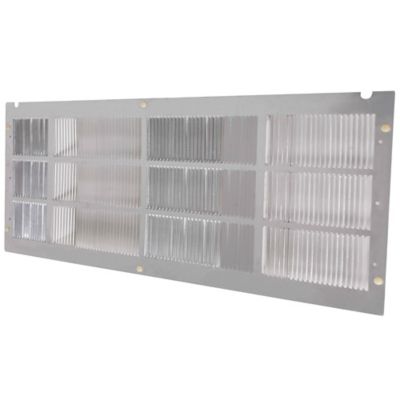
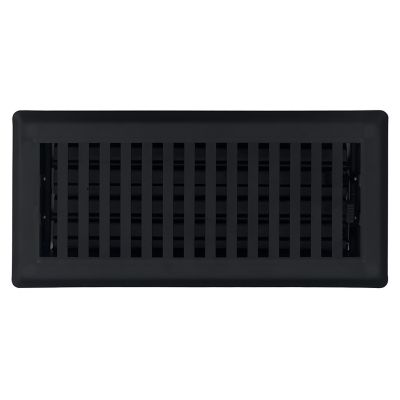
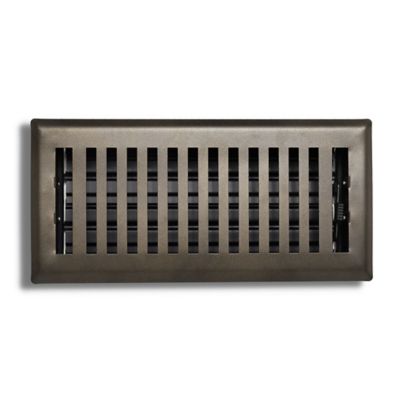
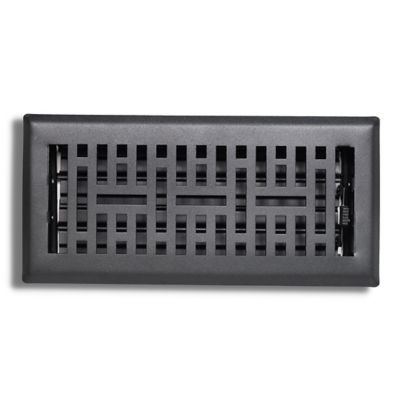
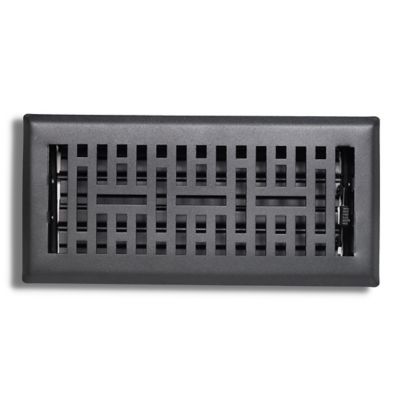
Air grilles cover ventilation openings while letting air pass between a room and the ductwork behind it. Their slats, bars, or perforations leave a path for airflow and give the opening a finished face. In a heating, ventilation, and air conditioning system, the grille’s job depends on where it sits and what connects to it. Return air grilles let indoor air travel back toward the equipment, while supply air grilles let conditioned air enter a room. A grille generally does not include an airflow-control damper;
Air Registers typically combine a grille face with a damper for adjusting airflow at a supply opening. That distinction matters when replacing a cover in a farmhouse hallway, a spare bedroom, or an office beside the shop. A matching face size alone does not mean two vent covers serve the same purpose. Filter grilles have space for a filter behind the face, often with a hinged panel or removable section that makes filter changes easier. They belong in systems designed for filtration at that location, rather than serving as a reason to add another filter wherever there is an opening. Transfer grilles serve a different purpose: they allow air to pass between spaces, such as a room and a hallway, without necessarily connecting to the main duct system. Their placement can help provide a return-air path when a door is closed, but the opening and grille need to suit the building’s ventilation design. Across these types, the amount of open space in the face affects how readily air can move through it. Closely spaced slats, mesh, and intricate patterns can create more resistance than a more open layout. The right choice balances appearance with the airflow the system needs, rather than treating every wall, ceiling, and floor opening as interchangeable.
Materials and fit make a difference in how an air grille handles everyday life. Stamped steel is common for wall and ceiling applications, with painted or powder-coated finishes that give the metal a clean appearance and help protect its surface. Aluminum weighs less and resists rust, making it worth considering where indoor moisture is a concern, though the fasteners and surrounding opening need attention as well. Wood grilles can blend with flooring, wall trim, or cabinetry, but their finish and placement should account for moisture and movement in the material. Resin and other nonmetal options vary in stiffness and application, so suitability for a particular location matters more than appearance alone. Floor grilles face different demands from covers mounted overhead. A cover beside a kitchen walkway may meet boot heels, chair legs, and the occasional dropped tool; it needs a design rated for floor placement and the expected load. A wall or ceiling grille should not take its place simply because the dimensions look close. Fit begins with the opening the grille is meant to serve. Nominal grille dimensions commonly refer to the duct opening, not the outside edges of the faceplate, and the manufacturer’s measurement guidance helps clarify the difference. Overall face dimensions matter too, especially where a replacement needs to cover an existing paint outline without crowding baseboard trim. Screw spacing, mounting direction, frame depth, and clearance behind the face can all affect installation. A recessed section that runs into a duct lip or a filter frame will not sit properly just because the front covers the hole. For filter grilles, the specified filter dimensions and thickness matter as much as the opening size. In finished walls, doors, and ceilings, any change to an opening also needs to respect electrical wiring, plumbing, and applicable fire-resistance requirements.
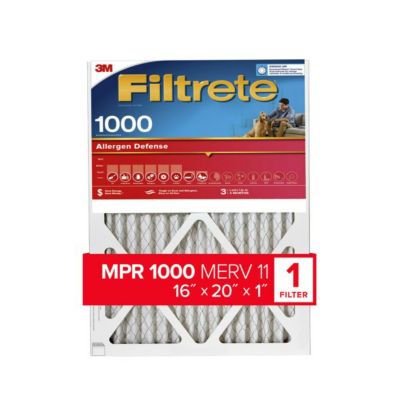
A well-matched air grille should make routine upkeep straightforward. Smooth surfaces and accessible slats are easier to clear of the dust, lint, and pet hair that tend to gather around return openings. A grille near the laundry area may collect lint along its lower edge, while one in a hallway shared with a muddy-boot entry can pick up household dust and hair carried through the house. Regular vacuuming with a brush attachment and wiping with a soft cloth can help keep the face clear without bending thin metal slats. Cleaning methods should follow the material and finish requirements; soaking wood, scrubbing coated metal with abrasive pads, or leaving moisture against exposed edges can cause damage. Removable faces and hinged filter panels can make access less of a chore, provided their latches and mounting points remain secure. When a filter sits behind the grille, the replacement filter needs to match the system’s specified size, airflow direction, and filtration requirements. Adding denser filtration or a second filter can restrict airflow if the equipment was not designed for it. Furniture placement matters as well. A sofa pressed against a return grille, a feed sack parked over a floor opening, or a rug covering a vent can interfere with the air path even when the cover itself fits perfectly. Keeping those openings clear helps the system work as intended. Homeowners, rental property caretakers, and folks maintaining a farm office may all need replacement air grilles as part of ordinary building upkeep. In workshops, a standard room grille is not a substitute for dust collection, exhaust ventilation, or equipment intended for hazardous fumes. Persistent whistling, rattling, or poor airflow can point to a loose mounting, an obstruction, or a system issue rather than a need for a different-looking cover. Air grilles work best when their size, construction, mounting style, and intended role match the opening behind them.