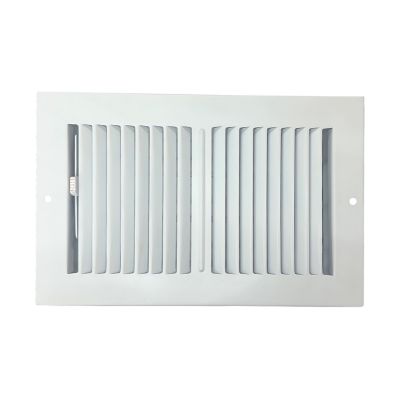
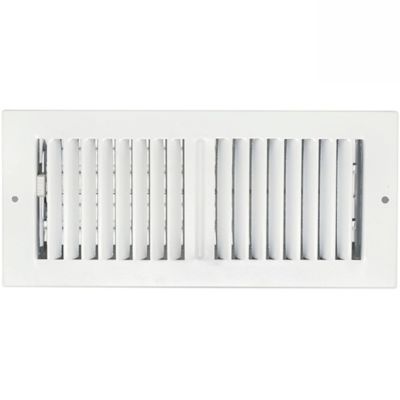
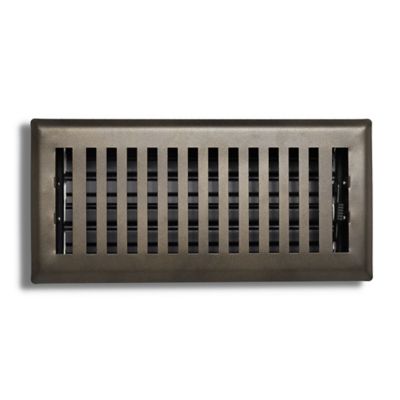
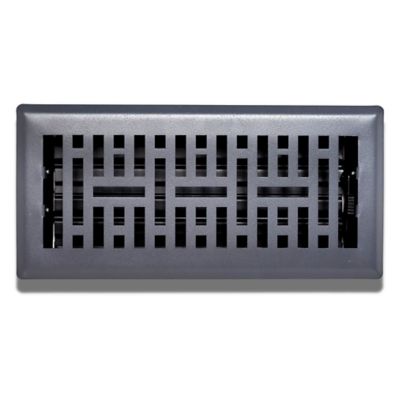
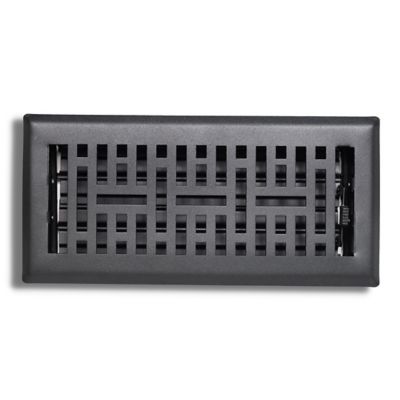
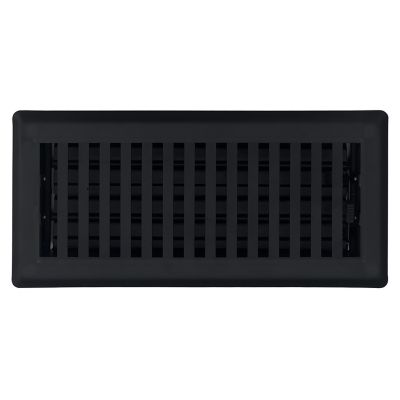
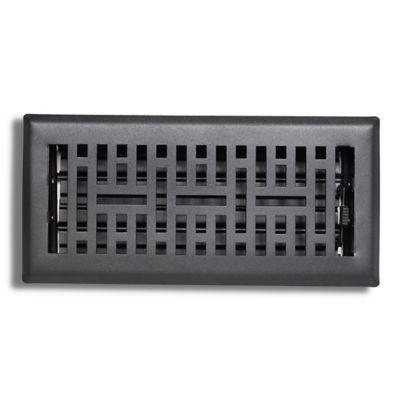
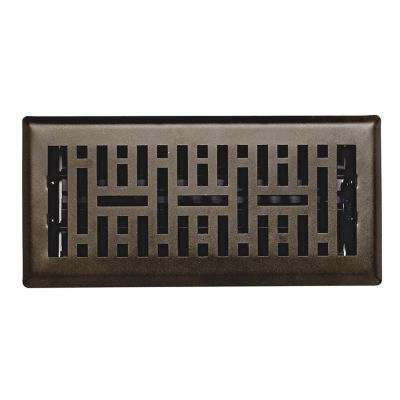
Air vent covers are a small home detail that can make a noticeable difference in comfort, airflow and the finished look of a room. They fit over openings connected to a heating and cooling system, helping direct air where it belongs while giving the floor, wall or ceiling a neat, finished appearance. Floor registers commonly include adjustable dampers or levers, allowing you to open, close or redirect warm and cool air. A return grille, on the other hand, covers an opening that pulls room air back into the HVAC system and usually has an open face without a movable damper. Knowing that difference is important before ordering, especially when replacing an older cover that has been in place for years. A return opening needs a grille designed for air intake, while a supply opening needs a register that lets conditioned air move into the room. Decorative styles can help a vent blend with hardwood, carpet, painted drywall or other nearby surfaces, while simpler covers suit utility rooms, workshops, entryways and everyday living spaces. Homeowners often replace cracked, bent or rusted covers after moving into an older house, remodeling a room or cleaning up a rental property. A fresh cover can also be a practical housewarming gift for someone settling into a farmhouse, fixing up a first home or finishing a basement. It is the kind of useful improvement that may not draw attention at first, but it makes a room feel cared for every time air moves quietly through the opening.
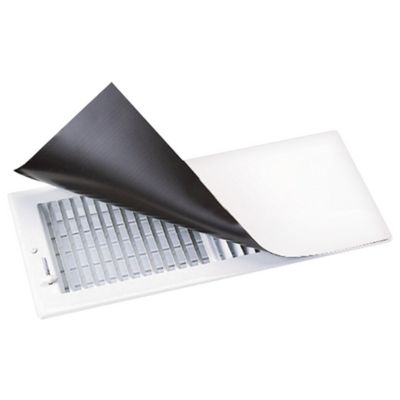
Accurate measuring is the most important step when choosing air vent covers. Remove the existing register or grille, then measure the width and height of the opening itself—the inner duct or drywall hole—not the outside dimensions of the old cover or its trim. Write down the measurements in the same order used by the listing, since a cover measuring 10 inches by 4 inches is not the same as one measuring 4 inches by 10 inches when the damper or vent pattern is directional. It helps to measure each opening separately, even if several vents appear to be the same size; older homes can have slight variations from one room to another. Check whether the opening is in the floor, wall or ceiling, because the cover needs to sit securely in that position and stand up to the way the space is used. A floor register near a back door may see muddy boots, pet hair and furniture legs, while a wall or ceiling grille may mainly need a clean fit and a finish that works with the surrounding paint. Look closely at the mounting area as well. Some openings use a simple drop-in fit, while others may need screw holes, a frame or enough clearance for a damper to move freely. If you are using a magnetic cover to temporarily block an unused vent, confirm that the surface is steel. Magnets will not hold to aluminum, wood or some other nonmagnetic materials, and a cover that slips out of place can end up underfoot or fail to control airflow. Magnetic covers can be handy for a closed-off guest room, a seasonal porch or a space that is rarely used, but they should be used with awareness of the home’s HVAC layout and the system’s need for proper return airflow.
Choosing the right air vent covers also means thinking about how the room feels and functions throughout the cooler months and as the weather shifts. A bedroom, nursery or home office may benefit from a register that lets you fine-tune the direction of warm air instead of sending it straight against a bed, desk or chair. In a mudroom or utility area, a sturdy, easy-to-clean surface can be more valuable than an ornate design, especially where grit and pet hair collect near the door. In a living room or dining area, a low-profile cover can keep the vent from becoming a visual distraction, while a coordinated finish can tie together floors, trim and other hardware. Keep furniture, rugs and storage bins from blocking supply vents or return grilles, since restricted airflow can make the HVAC system work harder and leave parts of a room feeling stuffy or chilly. Vacuum dust from the cover and surrounding opening before installation, and check that louvers, dampers and hinges move without rubbing. For additional intake-style options and related airflow solutions, browse
Air Grilles. With the correct opening size, the right vent type and a finish suited to the space, an air vent cover can quietly improve the everyday comfort of a home, shop, cabin or farm office without calling attention to itself.