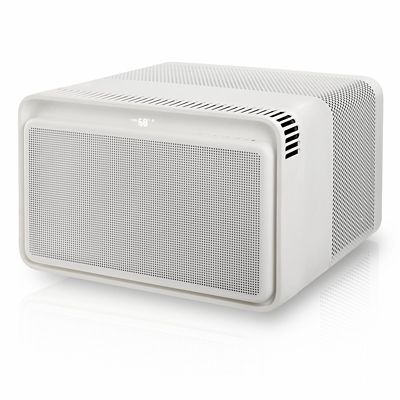
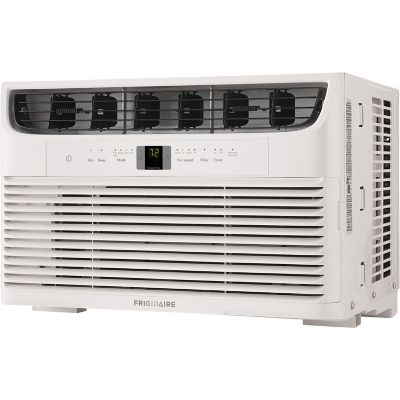
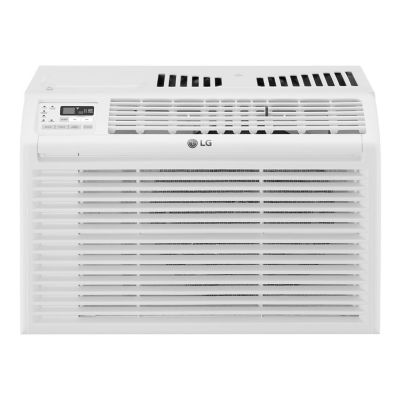
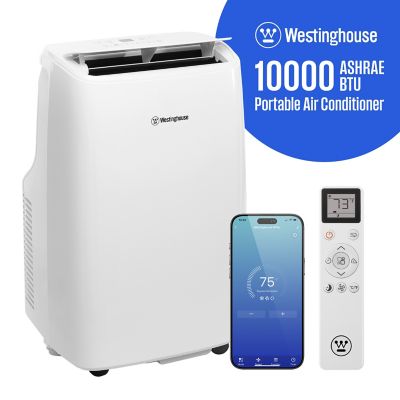
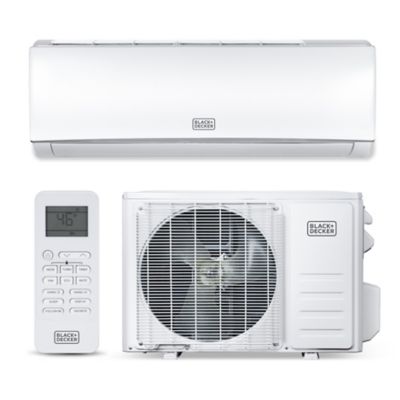
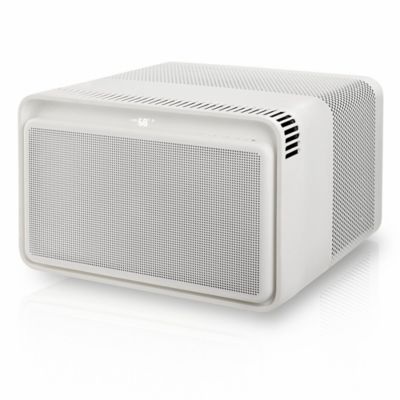
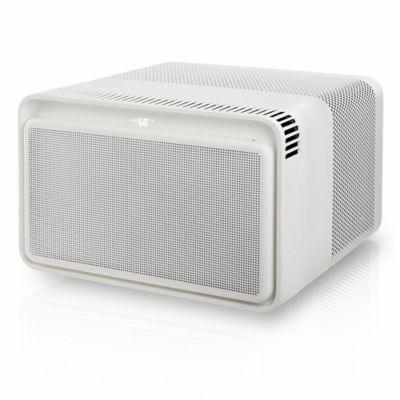
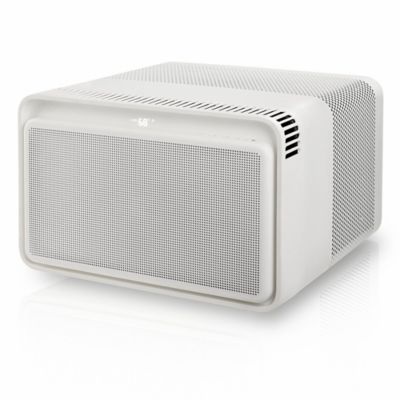
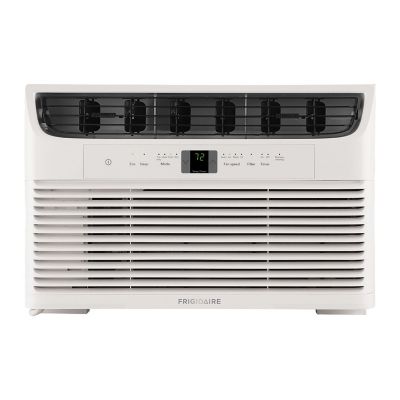
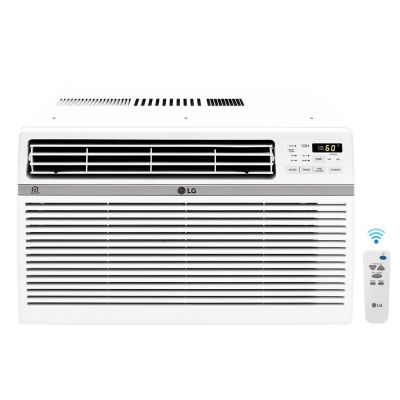
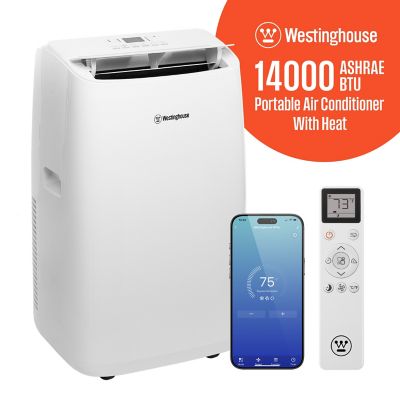
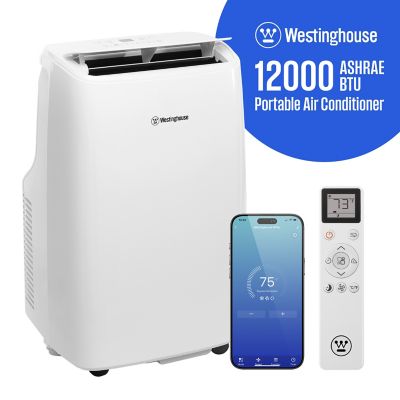
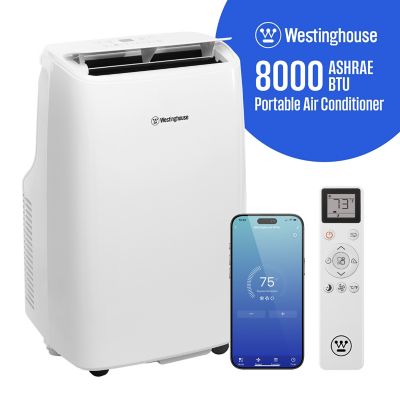
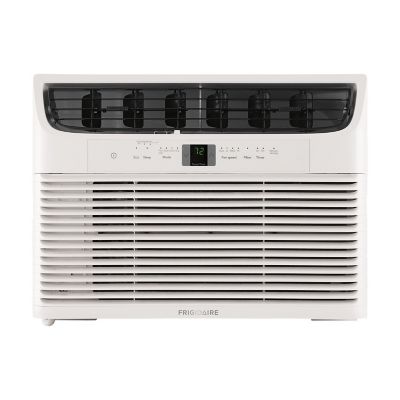
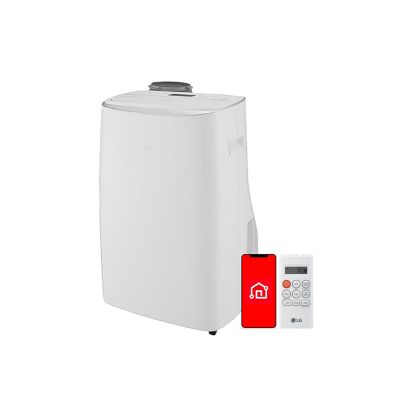
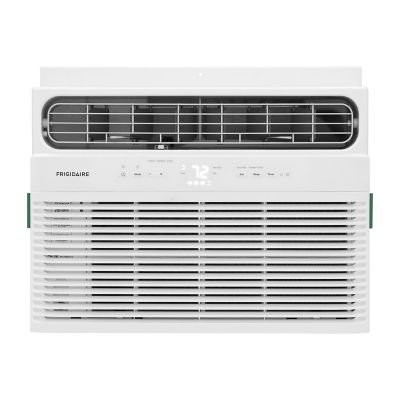
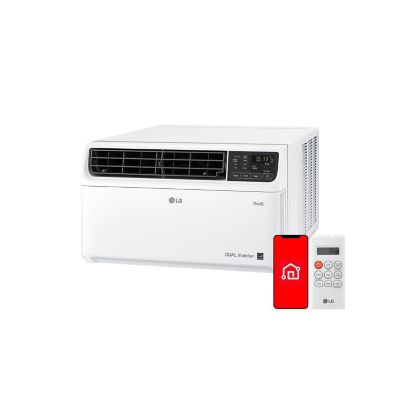
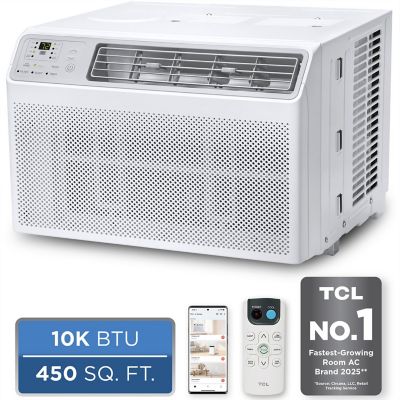
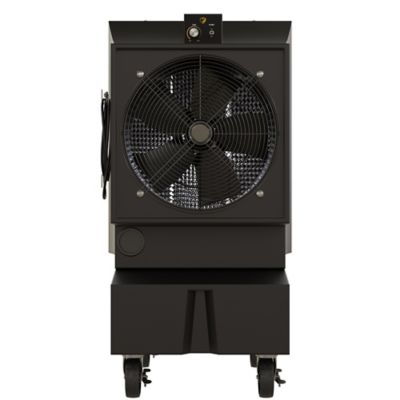
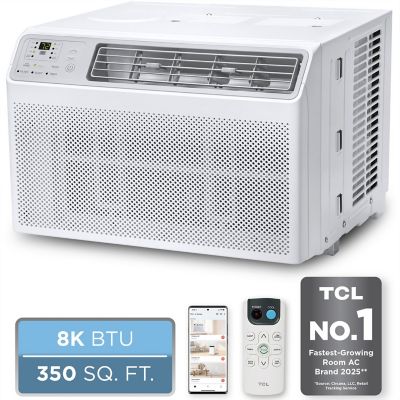
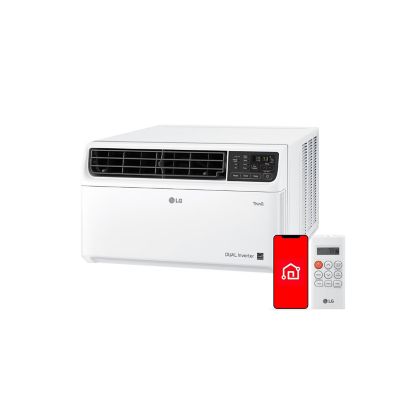
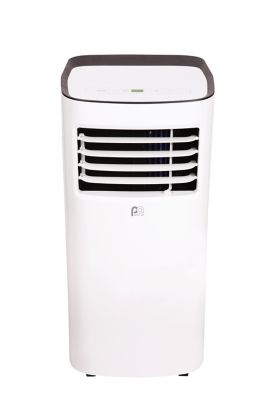
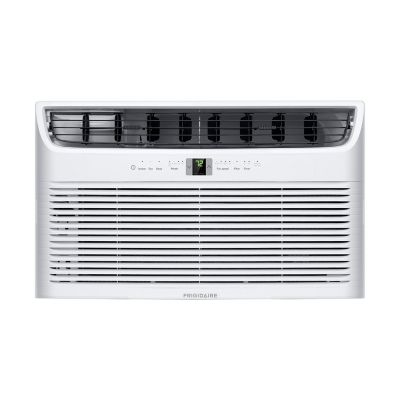
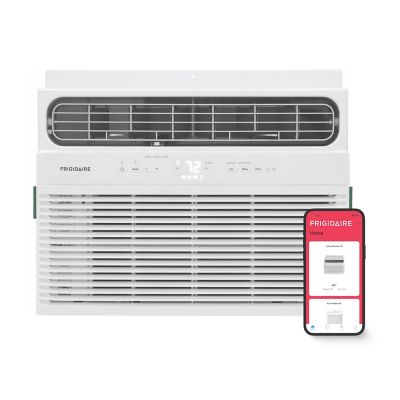
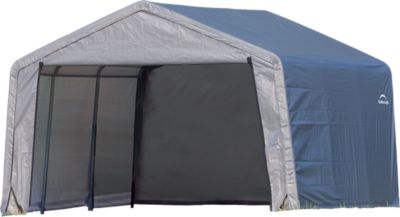
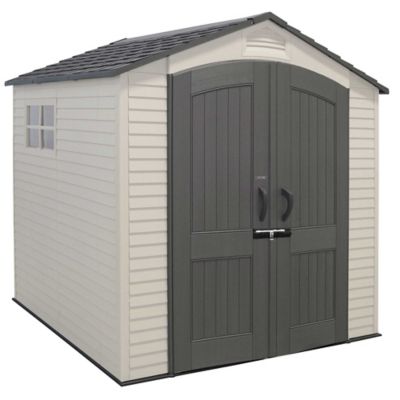
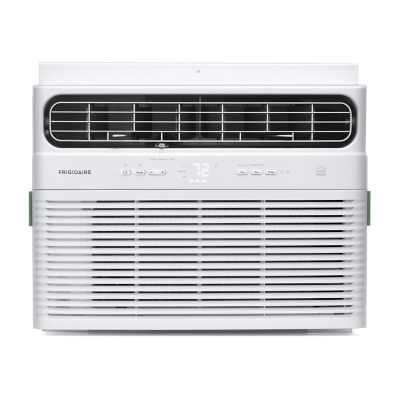
Air conditioners for sheds help turn a backyard building into a more comfortable place to work, tackle projects, or settle in at a desk away from the house. The right fit depends on the building’s size, insulation, electrical service, and purpose—not just how much open floor space it has. A small potting shed with a workbench has different cooling needs than a woodworking shop with a tall roof and equipment that gives off heat. Window air conditioners, portable air conditioners, and ductless mini-split systems are three common choices, each with its own space and installation requirements. A window unit keeps most of the equipment out of the walkway and can suit a compact shed with a properly sized, structurally sound window opening. Its cabinet needs secure support, and the outdoor portion needs enough clearance to release heat. Portable air conditioners sit inside the building and move heat outdoors through an exhaust hose fitted to an approved window or wall opening. They make sense where a permanent installation is not practical, though the cabinet and hose take up room that might otherwise hold a stool, tool chest, or storage shelf. Dual-hose designs generally reduce the amount of indoor air pulled outside compared with single-hose designs, which can help limit warm air drawn in through gaps. Ductless mini-splits pair an indoor air handler with an outdoor condenser, leaving more floor space clear and often offering quieter operation inside. They can be a good match for a shed office or a workshop where someone spends several hours at a stretch. Installation typically involves refrigerant lines, drainage, electrical connections, and professional help. For anyone also comparing the buildings themselves, the
Best Shed page is a useful companion to thinking through window placement, wall space, and the room needed for cooling equipment. A shed and its air conditioner need to work together, with room for both everyday tasks and the airflow that keeps the system running properly.
Cooling capacity is commonly expressed in British thermal units per hour, usually shortened to BTU, but matching that number to a shed takes more than a quick square-footage comparison. Manufacturer sizing information is a starting point, with ceiling height, direct sunlight, roof construction, insulation, and air leaks all affecting the load. A metal shed with bare walls can gain heat quickly, while an insulated building with a finished ceiling holds conditioned air more effectively. Frequent trips through a wide door also let cooled air escape, especially when hauling mower attachments or lumber in and out. An undersized air conditioner may run for long stretches without reaching the selected temperature. An oversized unit can cycle off too quickly to remove enough moisture, leaving the space cool but clammy. Variable-speed equipment can adjust its output within a stated range, though proper sizing still matters. Portable units may show more than one capacity figure; the seasonally adjusted cooling capacity, or SACC, provides a more representative basis for comparing their cooling performance. Physical fit deserves just as much attention as capacity. Window opening dimensions, wall thickness, mounting requirements, and service clearances determine whether equipment belongs in a particular spot. A standard window air conditioner should not be enclosed in a wall unless its manufacturer allows that installation, since blocked side vents can interfere with heat release. Through-the-wall models have their own sleeve and fit requirements. Inside, airflow should reach the occupied area without being blocked by tall shelving or stacks of feed bags. Outside, a condenser needs a stable base and clearance from weeds, fencing, and stored equipment. Electrical requirements also vary: some smaller units operate on a suitable 115-volt circuit, while larger equipment may require 208/230-volt service and a dedicated circuit. The nameplate and installation instructions govern the connection, and an electrician can assess an outbuilding’s wiring before cooling equipment is added. Extension cords and power strips are not substitutes for the required electrical supply.
Everyday comfort comes down to how the shed actually functions. At a repair bench, adjustable louvers can direct cool air toward the work area without sending a steady draft across paperwork or small parts. In a shed office, sound levels, steady temperature control, and a timer may matter more than having the strongest blast of air. Published sound ratings are worth comparing alongside the fan setting and measurement conditions, since a compressor beside a chair sounds different from one mounted outdoors. Remote controls and connected controls can make adjustments convenient, although connected features depend on a sufficient network signal reaching the building. Cooling can also remove moisture while the compressor runs, but an air conditioner is not a substitute for fixing roof leaks, ground moisture, or poor drainage. Condensate needs a clear discharge path that follows the manufacturer’s directions and keeps water away from the shed’s foundation and walking areas. Some portable models require a collection tank to be emptied or a drain hose to be connected, particularly in humid conditions. Long service life depends on construction suited to the installation and care that matches the setting. Outdoor cabinets, protective finishes, secure mounting hardware, and intact seals all matter around an outbuilding exposed to rain, dirt, and yard work. Washable filters need cleaning on the schedule specified by the manufacturer, and other filters need replacement as directed. Leaves and grass clippings should stay clear of outdoor coils, with power disconnected before permitted cleaning or maintenance. A shed full of airborne sawdust calls for dust collection and appropriate ventilation; a room air conditioner does not capture fine workshop dust adequately or make fumes safe to breathe. Flammable vapors from fuel, finishes, or solvents require separate safety precautions and suitable storage, not simply a lower thermostat setting. For a shed that also needs warmth, some ductless systems include heat-pump operation, but heating output and operating limits vary with outdoor conditions. Cooling-only units should not be expected to heat the space. Whether the building holds a sewing table, a tool bench, or a quiet place to handle farm records, well-matched shed air conditioning leaves room to get comfortable and get on with the job.