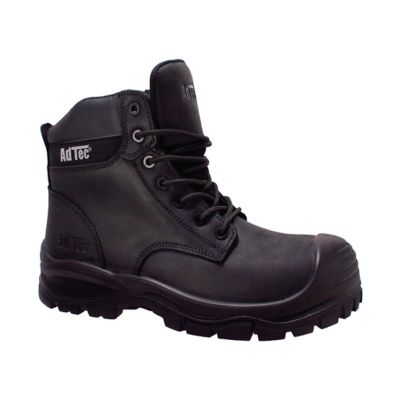
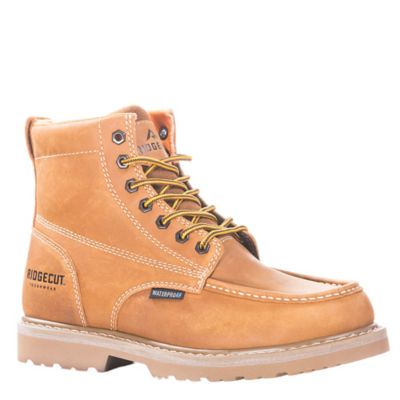
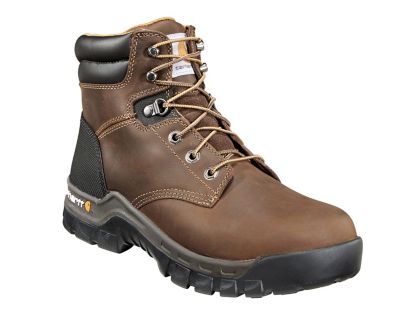
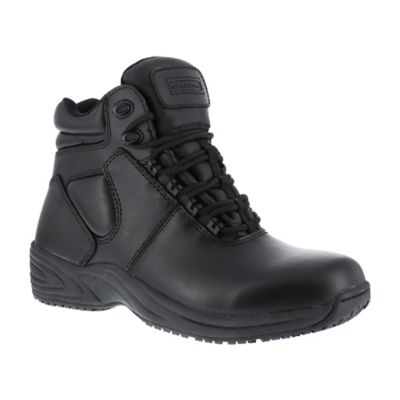
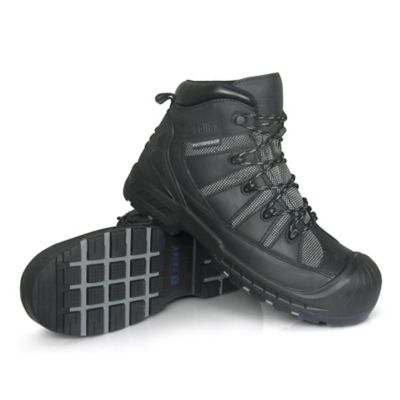
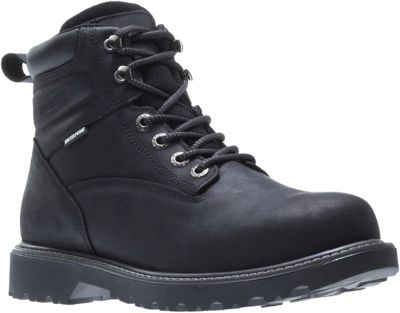
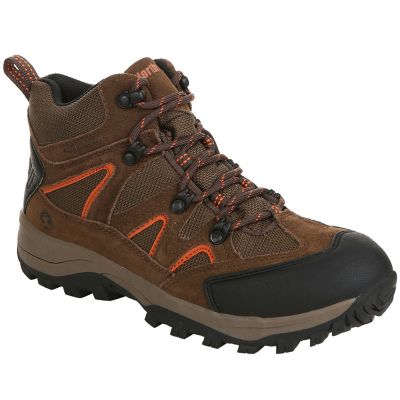
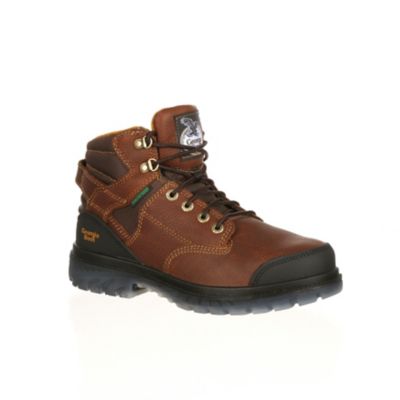
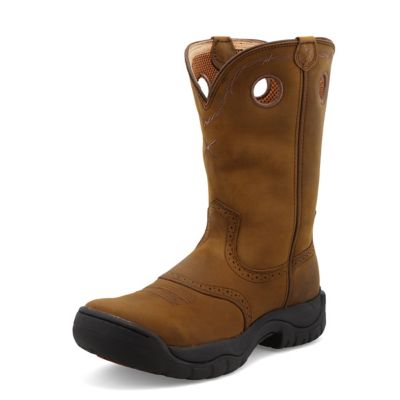
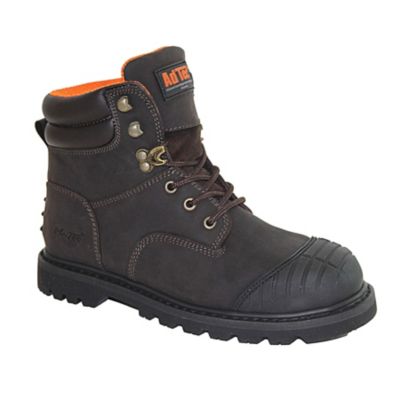
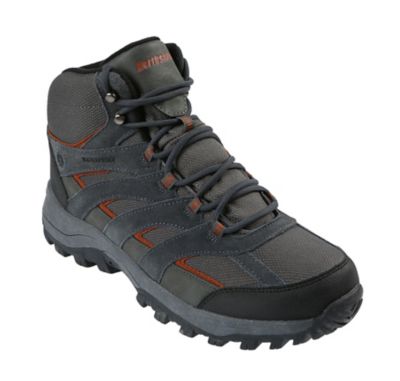
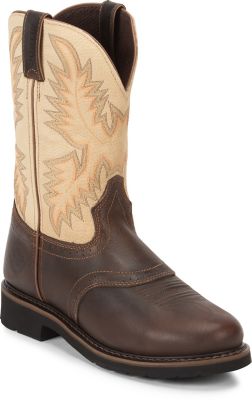
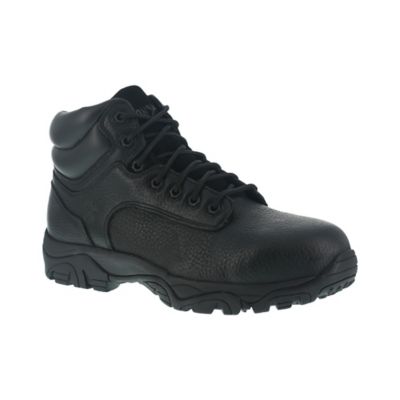
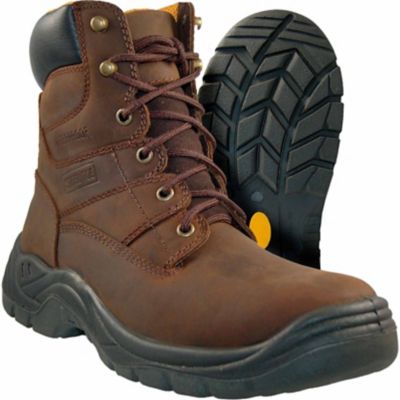
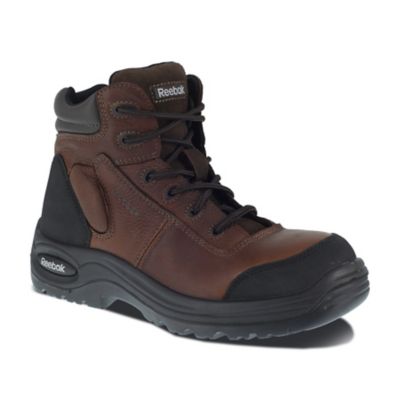
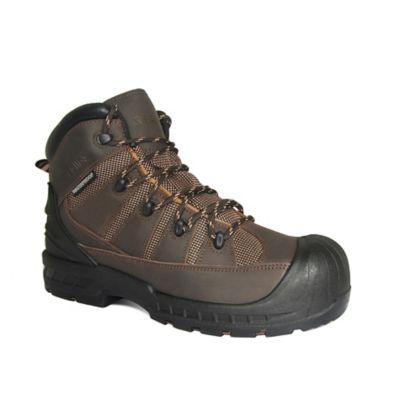
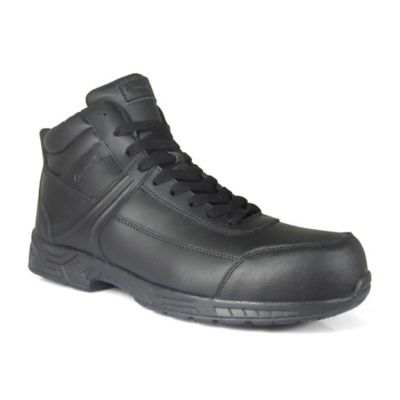
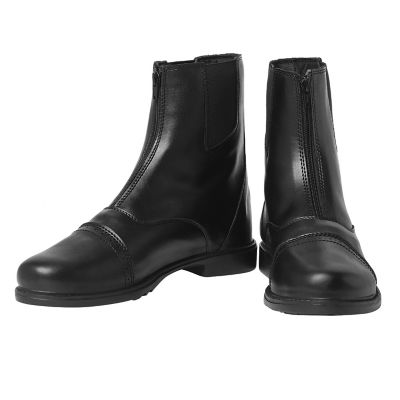
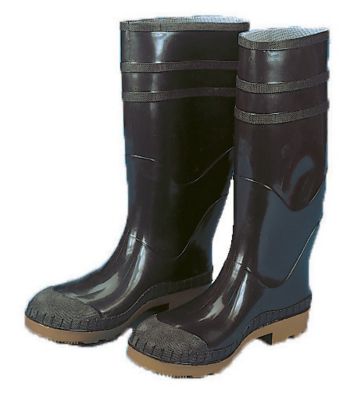
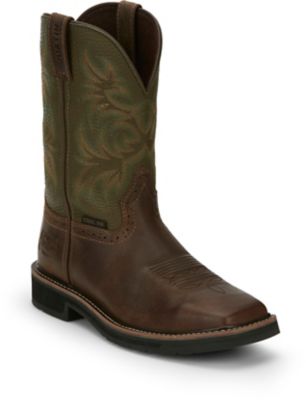
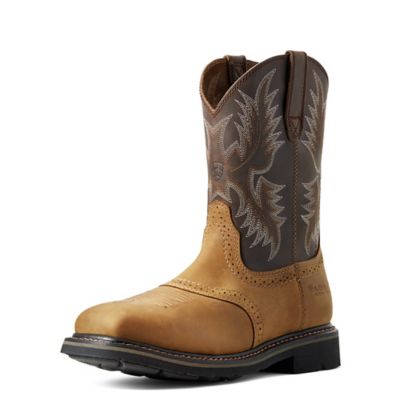
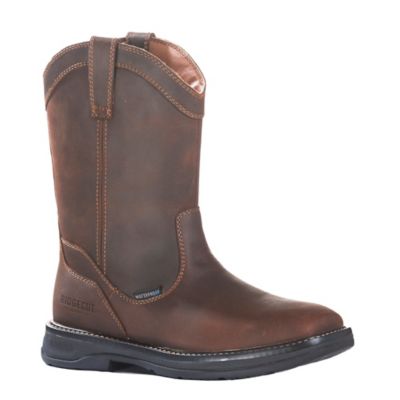
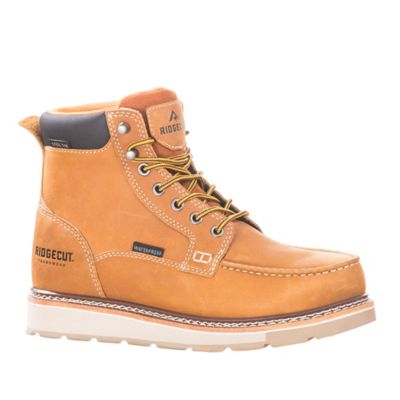
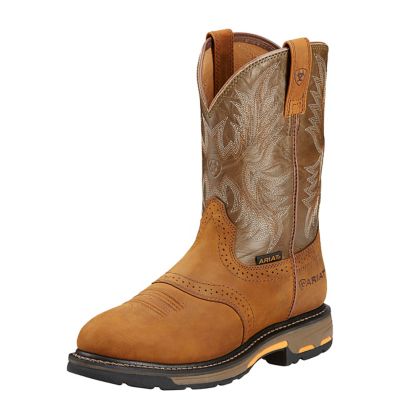
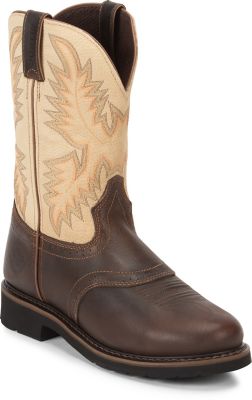
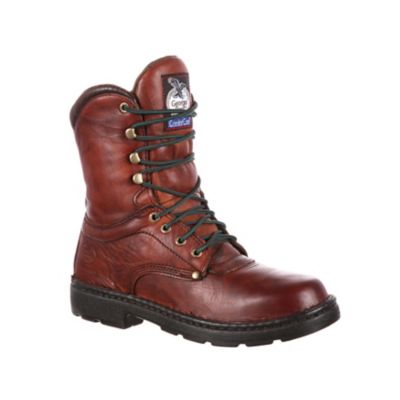
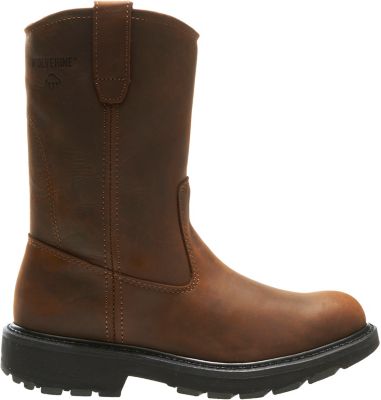
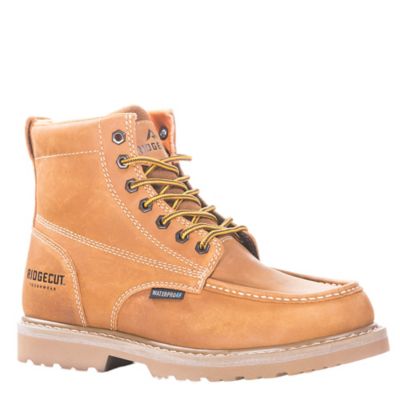
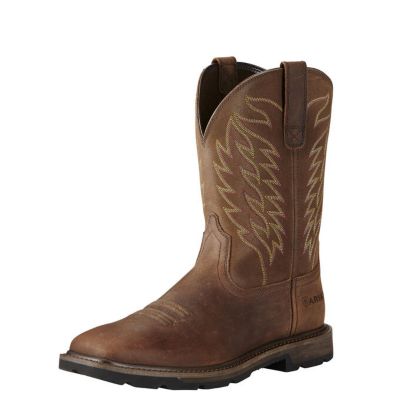
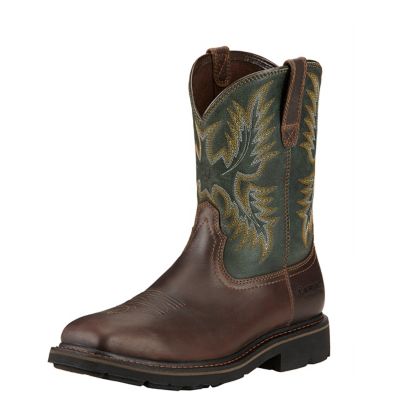
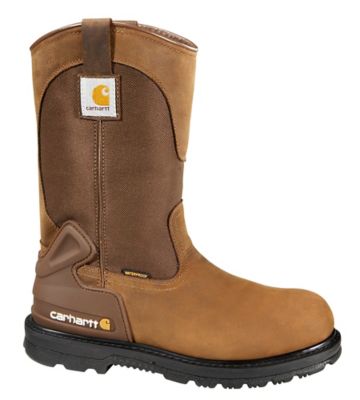
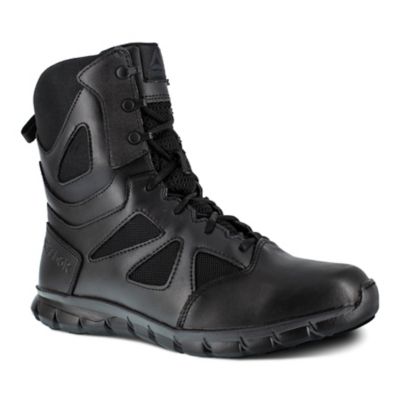
Men’s work boots put practical support under long days on the farm, in the shop, at a construction site or across a warehouse floor. The right pair starts with the work itself: carrying feed sacks across a gravel lot puts different demands on footwear than standing at a packing station or kneeling beside equipment. Leather uppers are a common choice for their firm feel and ability to soften with wear, while combinations of leather and textile can provide more flexibility and less weight. Full-grain leather retains the outer surface of the hide; suede has a napped finish that calls for different cleaning methods. Neither material alone tells the whole story, since seams, sole construction, fit and care all affect how boots hold up. Reinforced areas around the toe and heel can help take the rubbing that comes with crouching, climbing and brushing against rough surfaces. Lace-up work boots allow adjustment across the instep and around the ankle, making them worth considering for men who want a closer fit. Pull-on styles keep things simple when getting ready for chores, though their fit depends more heavily on the shape of the foot, the instep and the boot opening. Shaft height matters, too: a taller shaft provides more lower-leg coverage, while a shorter one may feel less restrictive when bending or walking. For ranch hands, mechanics, carpenters and property owners, these differences are more than matters of appearance. They influence how naturally a boot moves through the tasks that fill the day. A pair meant mainly for walking and light maintenance may not need the same construction as footwear required around heavy materials or industrial equipment. The most useful features are the ones that match those conditions without adding unnecessary weight or stiffness. Plain styling also makes work boots easy to wear with work jeans and utility pants, but the job’s footwear requirements should come before the look. Familiar details such as sturdy eyelets, a well-attached pull tab and protected stitching can make daily handling easier.
Underfoot construction makes a real difference when a workday moves from a concrete shop floor to a ladder and then out across uneven ground. Rubber outsoles vary in tread pattern and compound, so the material name alone does not establish how much grip a boot provides. Deeper lugs can bite into loose ground, while shallower tread patterns may track less debris into a cab or workshop. Wedge soles often provide a broad contact area that some workers prefer on flat surfaces, whereas a defined heel may suit certain climbing tasks when permitted by workplace rules. No outsole prevents every slip; traction depends on the surface, contaminants, tread condition and how a person moves. Slip resistance and oil resistance are separate features, and one should not be taken as proof of the other. Safety-toe construction deserves the same attention to detail. Steel and composite toe caps can provide impact and compression protection when the footwear meets the applicable standard, but the toe material by itself does not establish a protection rating. Composite construction also does not automatically mean the entire boot is metal-free. Soft-toe boots lack a protective safety cap and belong only in settings where that protection is not required. Electrical-hazard protection, puncture resistance and other job-specific features need their own verification through the boot’s markings and the employer’s requirements. Electrical-hazard footwear provides secondary protection under specified conditions; it does not replace safe electrical work practices. Inside the boot, a midsole cushions the foot, while a shank can add structure through the arch area. More cushioning is not always better if it makes the foot feel unstable or crowds the toe box. Construction methods also affect flexibility and repair options. Cemented soles can allow a lighter, more flexible build, while some welted boots can be resoled by a repair shop, depending on their design and condition. These are useful distinctions for anyone who spends hours carrying tools, pushing carts or standing at a bench. A boot needs to suit both the walking between tasks and the time spent planted in one spot.
Fit brings all those features together, and the size printed inside a boot is only a starting point. Width, heel shape, instep volume and toe-box depth vary between designs. Work socks take up space, as do replacement insoles or prescribed orthotics, so each belongs in the fit check. Toes should have room to move without striking the front, and the widest part of the foot should sit comfortably in the widest part of the boot. A protective toe cap will not stretch to make room for a cramped forefoot. The heel should feel secure without painful rubbing; some pull-on designs allow slight heel movement at first, but excessive lifting or a foot that slides forward signals a mismatch. Walking, bending and crouching reveal pressure points that standing still can miss. Feet can swell during a long shift, making a fit check later in the day especially helpful. For more footwear centered on daylong wear,
men’s comfortable work boots offer a related place to explore cushioning, support and fit features. Break-in should mean gradual softening, not working through sharp pain, numbness or persistent blisters. Once boots are in the regular rotation, straightforward care helps protect their construction. Brushing grit from seams and tread keeps abrasive particles from lingering, and wiping away residue makes it easier to spot loose stitching or cracks. Smooth leather may benefit from a compatible conditioner according to the maker’s directions, while suede generally needs a suitable brush and material-specific treatment. Boots should air-dry away from direct heat, with removable insoles taken out when appropriate. Worn laces are simple to replace, but separating soles, flattened tread and damaged protective components call for closer attention. For a gift, knowing the recipient’s width and workplace requirements matters more than choosing a familiar size alone. Whether the day involves tending livestock, moving lumber or maintaining equipment, well-matched work boots leave room to focus on the task instead of sore feet.