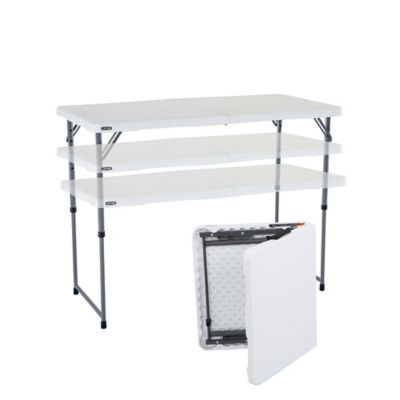
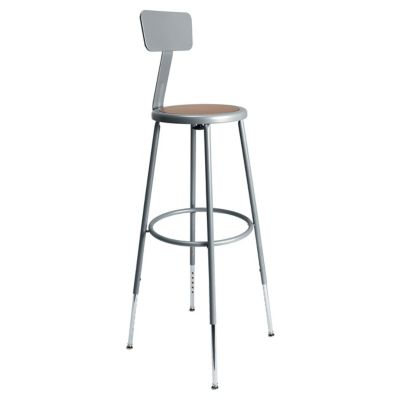
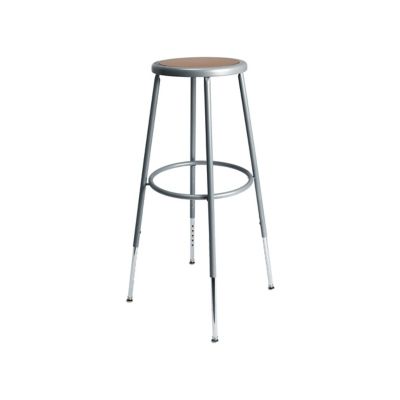
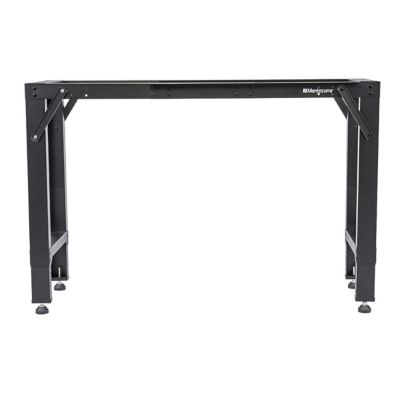
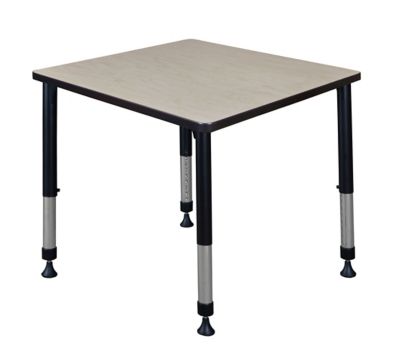
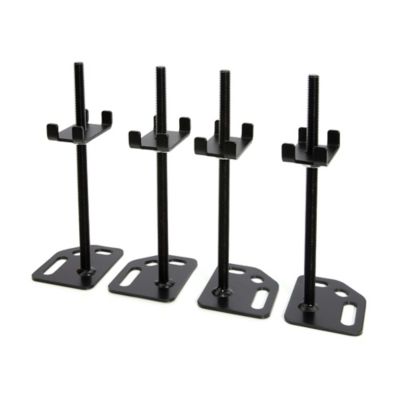
Adjustable legs bring practical flexibility to desks, tables, work surfaces, benches, and other furniture projects around the home, shop, office, or farm. Instead of being locked into one fixed height, a table or desk with adjustable legs can be raised, lowered, or leveled to suit the person and the floor beneath it. Manual screw legs and telescoping legs are common choices, with some designs turning by hand and others changing height through pins or set positions. Leveling foot glides offer another simple solution: a threaded foot at the bottom of a leg twists up or down to help steady a surface on concrete, plank flooring, tile, or ground that is not perfectly even. That small adjustment can make a big difference when a desk rocks while you write, a workbench shifts during a project, or a table needs to sit solidly in an older building where the floor has settled over time. Before selecting a set, measure the current height of the furniture and decide how much adjustment is needed. Check both the minimum and maximum extension, since a leg that raises high enough may not lower far enough for the intended setup. It also helps to consider the top being supported. A lightweight tabletop, sewing station, or small side table may need a different capacity than a thick wood workbench, equipment stand, or storage surface carrying tools and supplies. Steel legs are often chosen for firm support, while lighter options may fit smaller furniture. Every listing should provide a weight rating, and that figure needs to account for the tabletop, hardware, stored items, and the pressure created when someone leans against the edge. A simple rule of thumb is to leave room between the expected load and the leg set’s stated limit rather than planning to operate at the very edge of its capacity.
The right leg style depends on how the furniture will function day after day. Manual screw or telescopic legs work well when a surface needs occasional height changes, such as a table that serves both standing and seated tasks or a bench that must accommodate people of different heights. Pin-adjust legs generally offer set increments, while threaded designs can provide finer control when you are leveling a top or dialing in a comfortable working position. Electric or motorized legs are suited to sit-to-stand desks and work areas where the height will change often. With a keypad or control panel, these columns can move smoothly through a broad range, often from a seated desk height to a standing position. Keep the full frame in mind with powered systems: the motor, control box, power cord, tabletop, and leg columns all need to work together, and the listed load rating may differ from that of a single manual leg. For any style, look closely at the mounting plate, adjustment mechanism, locking method, and hardware requirements. A broad mounting plate can spread force across the underside of a tabletop, while included screws or bolts should match the material and thickness of the surface. Measure twice before drilling, and mark the leg locations so the load is balanced from corner to corner. A level on the tabletop helps confirm the result, but it is also worth checking the floor with your hand or a straightedge, especially in a garage, barn office, mudroom, or shop. On a concrete floor, a small leveling glide can correct a wobble without forcing the entire frame out of square. On soft flooring, protective pads can help keep the surface from marking and may make it easier to slide the furniture into place. When power is involved, keep cords clear of walkways, inspect the outlet location, and allow enough room for the legs to travel without striking a wall, cabinet, stool, or nearby tool.
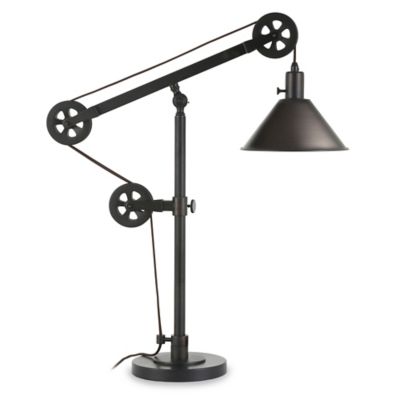
Adjustable legs can be a smart choice for homeowners, makers, shop owners, office workers, and anyone fitting furniture into a space that has to serve more than one purpose. A farmhouse table may need to sit level on an old plank floor; a craft table may need a comfortable height for long hours of sorting, stitching, or repairing gear; and a workbench may need enough clearance for a stool, storage bin, or rolling chair. In a home office, raising the surface for part of the day can help change posture and create a more flexible routine, while a lower setting can make room for seated paperwork or computer work. These legs can also help when a tabletop is being refreshed or a frame is being replaced, giving a solid surface a new role without requiring a full piece of furniture. When shopping, compare the number of legs included, the adjustment range, the leg diameter or column size, the mounting pattern, the weight rating, and whether leveling feet or other hardware come in the package. If the furniture will stay in a damp shop, porch, laundry area, or livestock building, pay close attention to the finish and keep standing water away from joints and fasteners. For a gift, adjustable legs make the most sense for someone who enjoys building furniture, setting up a home workshop, improving a work-from-home area, or fitting a table into a changing space; knowing the intended tabletop size and target height makes the selection far more useful. For smaller lighting projects, a similar focus on reach and height can be found with
Adjustable Height Table Lamps, where the ability to position light can help with reading, paperwork, or close-up tasks. Whether the goal is a steadier table, a taller work surface, or a desk that shifts between sitting and standing, careful measurements and a clear view of daily needs will help narrow the choices and create a setup that fits the way the space is actually lived in.