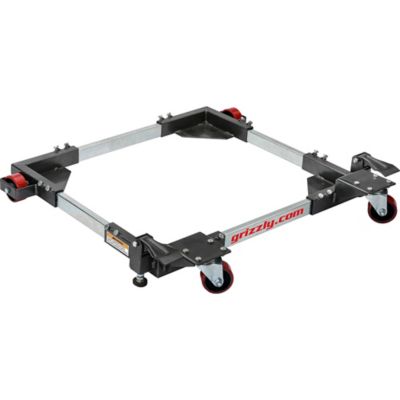
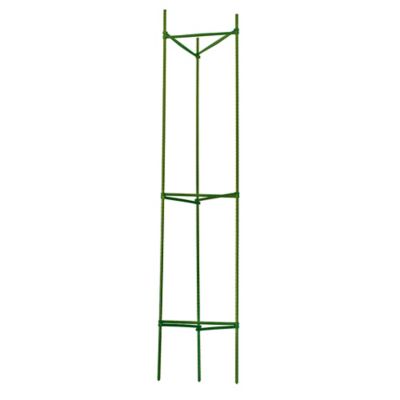
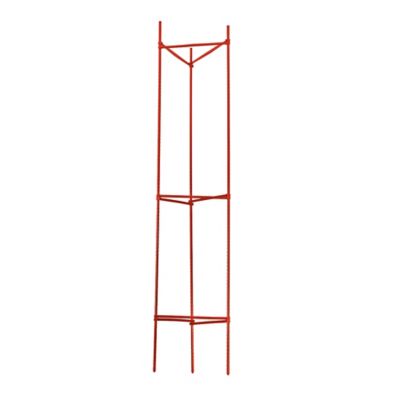
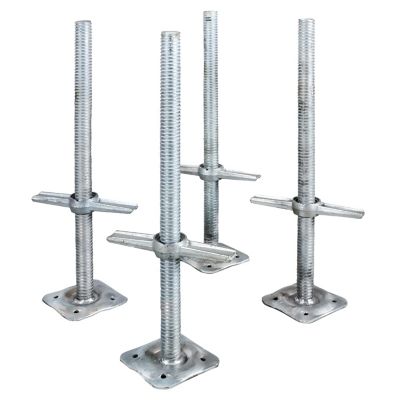
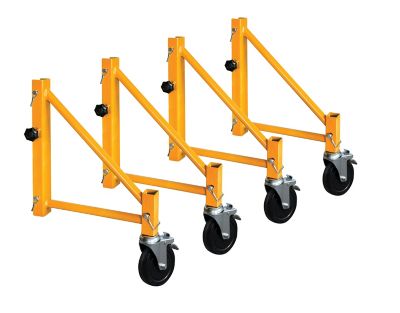
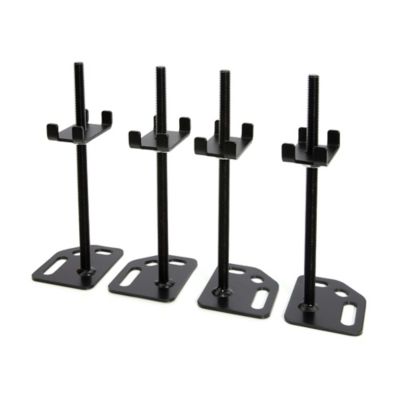
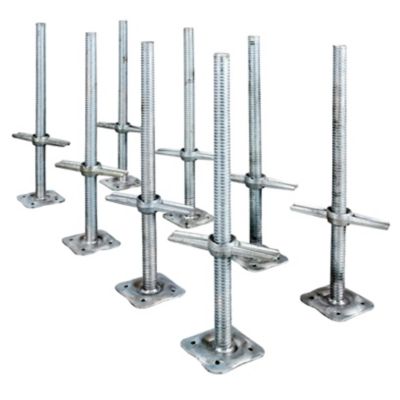
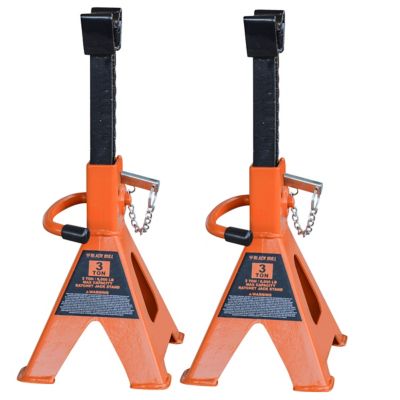
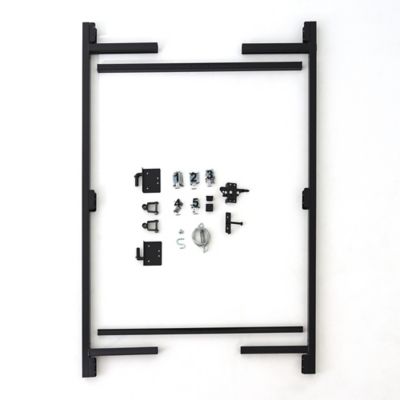
Adjustable supports are practical pieces of hardware used to help level, brace, stabilize, raise, or hold equipment and structures in place. Depending on the job, an adjustable support may be used beneath a post, beam, deck frame, platform, work surface, pipe, or piece of equipment. Many designs use threaded shafts, locking collars, pins, plates, or other height-adjustment features that let you make small corrections during setup and maintenance. That fine-tuning can be especially useful on uneven ground, older concrete, gravel, packed soil, or surfaces that shift with moisture and temperature. Instead of forcing a frame into position or relying on improvised blocks, a properly selected support can help distribute weight over a solid area and keep the load steady. Adjustable supports are commonly used by homeowners, farmers, contractors, maintenance crews, and do-it-yourselfers working on sheds, low platforms, decks, livestock areas, shop projects, fencing layouts, and general repairs around the property. They can also be helpful when building a temporary work stand or making a repair where a fixed-height support would not provide enough flexibility. For additional lifting and positioning options, take a look at
Adjustable Jacks. While adjustable supports and jacks can share some features, they are not interchangeable for every task, so choose based on the job, the load, and the manufacturer’s intended use.
When choosing adjustable supports, start with the basics: determine the total weight the supports may carry, how many supports will share that weight, the height range needed, and the kind of surface where they will rest. A support rated for a certain capacity should not be treated as a general-purpose answer for every load; account for uneven weight distribution, movement, weather exposure, and any shock or vibration involved. Check the minimum and maximum height so the support can be adjusted while still keeping plenty of thread, pin engagement, or contact surface in place. A broad base or load plate may help spread pressure on firm ground, while a mounting plate or bolt hole pattern can be useful when the support needs to be secured to concrete, wood, steel, or another stable structure. Look for durable materials and finishes suited to the setting, especially when the support will be outdoors, near livestock, exposed to mud, or used during the cooler, wetter seasons. Before installation, clear loose soil, debris, and standing water from the work area, and make sure each support sits flat and makes full contact. Raise or lower supports gradually and evenly rather than putting all the adjustment on one point. For structural work, follow local building requirements and the project plans, and use properly sized fasteners where attachment is required. Never place hands, feet, or tools beneath an unsupported load, and do not exceed the rated capacity or use an adjustable support as a substitute for approved blocking, cribbing, or a permanent foundation. After setup, check that the frame is level, the load is centered, and the supports have not shifted. Recheck outdoor installations after heavy rain, frost, thawing, or ground movement, since changing soil can affect alignment over time. Adjustable supports make a useful addition to a farm shop, garage, trailer, or job box, and they can be a thoughtful gift for someone who enjoys building, maintaining equipment, or tackling hands-on projects around the homestead. Their value comes from giving you controlled, repeatable adjustment when a surface or structure is not perfectly even, helping make installation, leveling, and repair work more manageable from early fall through the colder months.