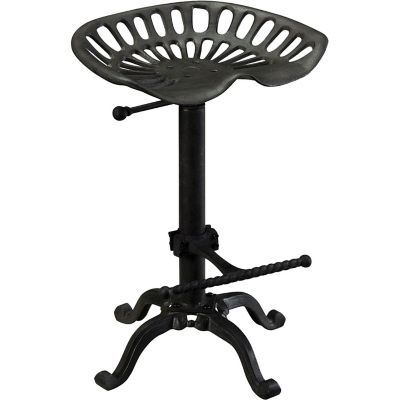
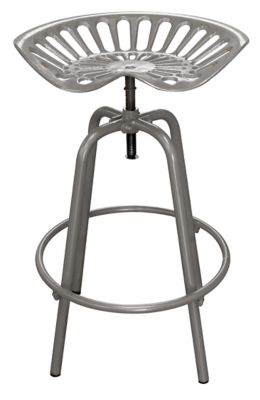
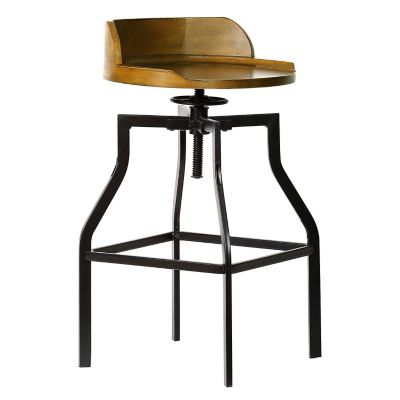
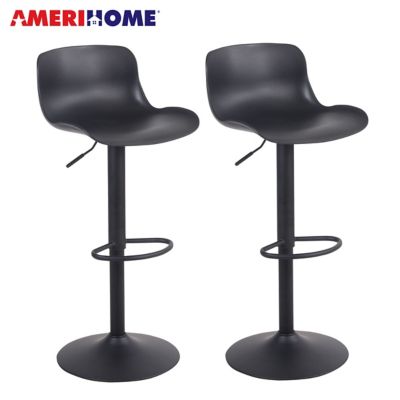
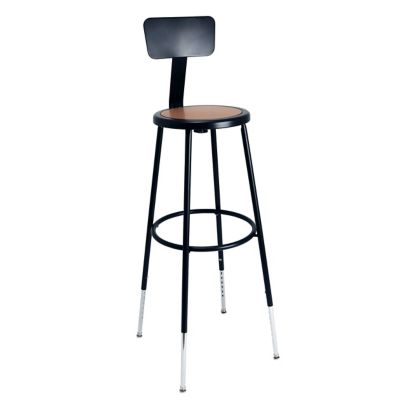
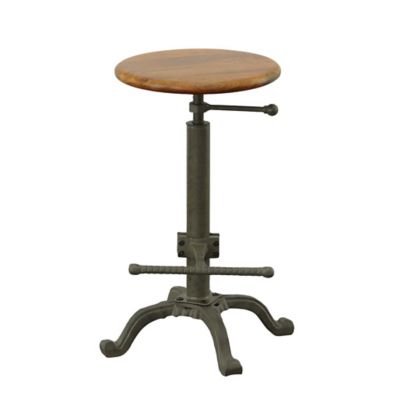
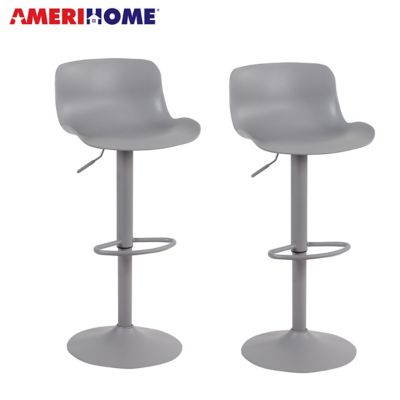
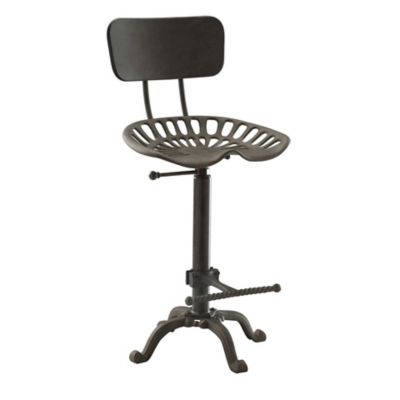
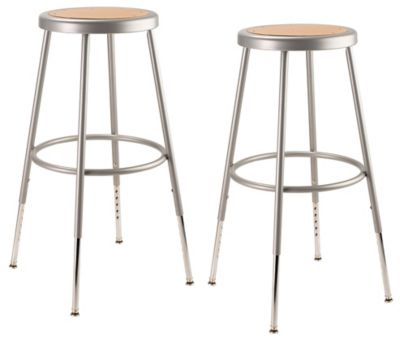
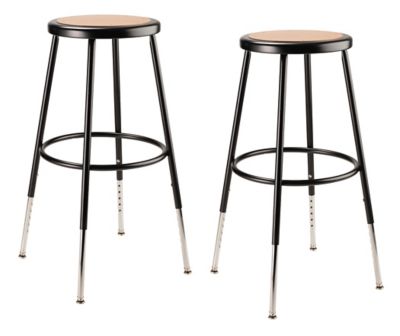
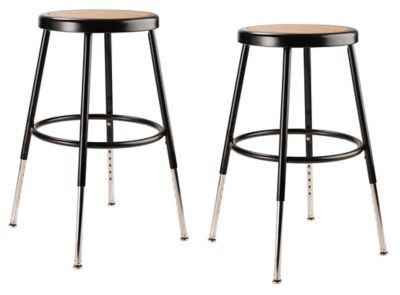
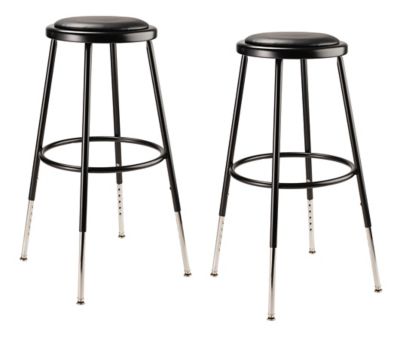
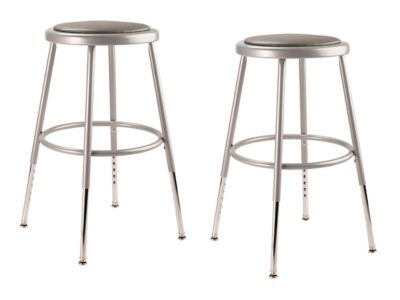
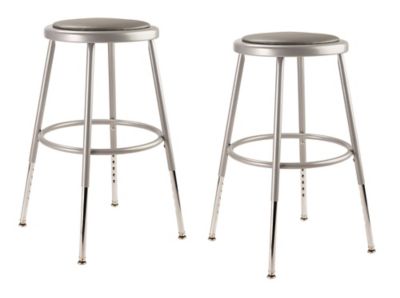
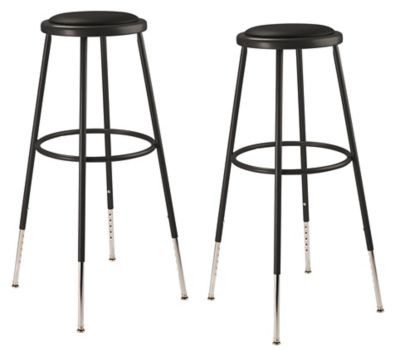
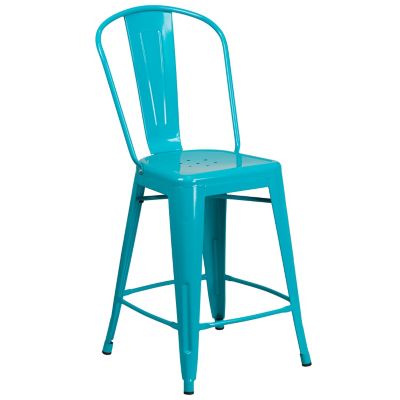
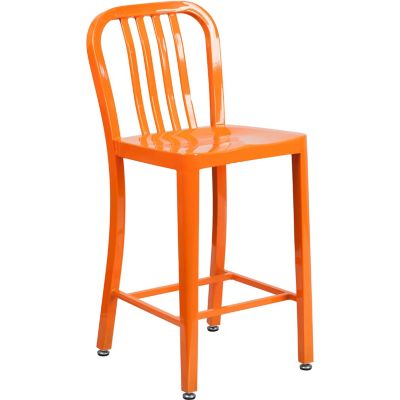
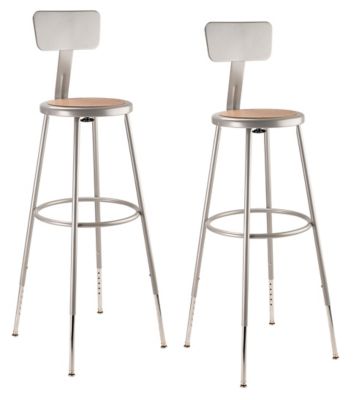
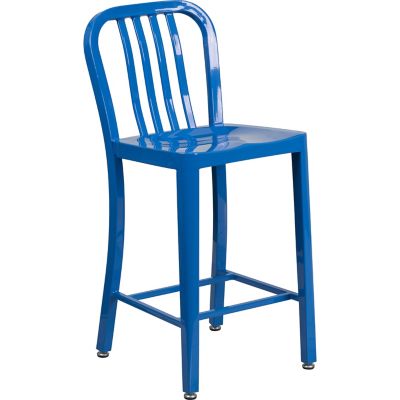
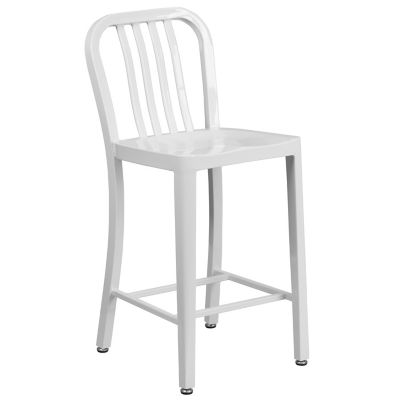
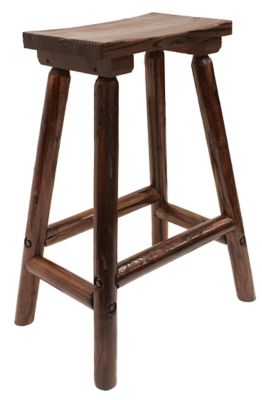
Adjustable counter height stools bring flexible seating to kitchen islands, breakfast bars, and raised counters where folks gather for meals, coffee, and conversation. Seat heights around 24 to 27 inches commonly pair with standard 36-inch counters, while some adjustable designs extend to roughly 32 or 33 inches for taller bar-height surfaces. The stated adjustment range matters more than the name alone, since not every stool reaches both counter and bar height. A comfortable fit generally leaves about 9 to 12 inches between the seat and the underside of the counter, with enough space for knees beneath any apron, drawer, or support bracket. Counter thickness and the shape of the seat can affect that clearance, so measurements help narrow the choices before style enters the picture. Adjustable seating comes in handy when a kitchen island doubles as a breakfast spot, a place to sort mail, or a spot to chat while supper gets started. It also gives people of different heights some flexibility, although a taller seat still needs a well-positioned footrest to keep feet supported. Width matters just as much as height when several stools share a counter. About 24 to 30 inches of counter length per seat is a helpful starting point, with wider seats and arms calling for more room. There should also be space behind the stools for someone to pass without squeezing between a seated person and a cabinet. Backless shapes can tuck beneath an overhang when their dimensions allow, keeping a small kitchen from feeling crowded. Stools with backs take up more visual and physical space but offer support for longer meals or an evening spent catching up around the island. For a busy household, the best fit balances the counter’s measurements with the way people actually sit, turn, and move through the room.
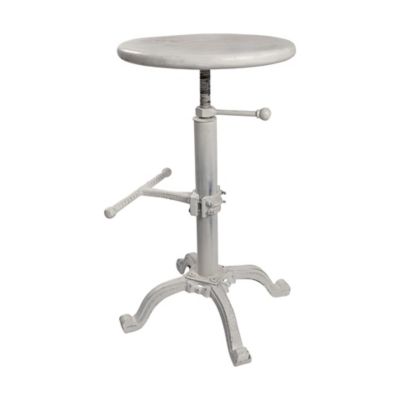
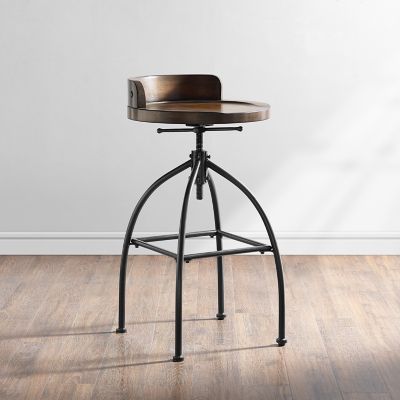
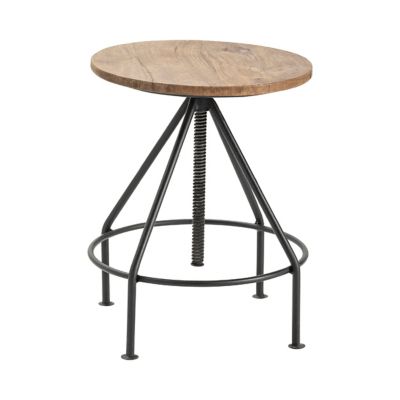
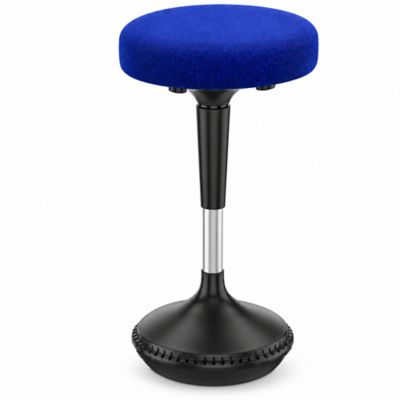
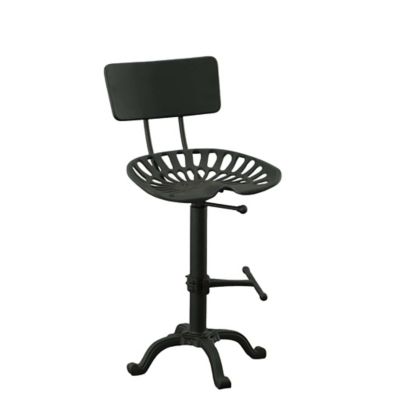
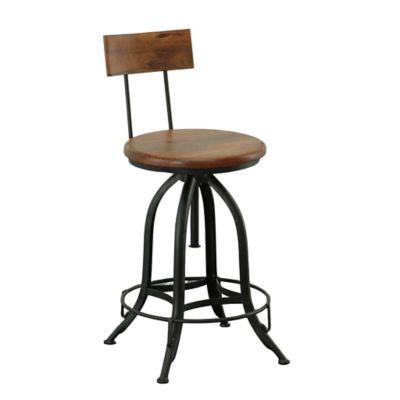
The adjustment mechanism shapes how adjustable counter height stools feel in everyday use. Gas-lift designs typically have a lever beneath the seat that operates a pneumatic cylinder, making height changes straightforward when different people share the same seating. On many designs, the seat rises with weight removed and lowers under a seated person’s weight, though operation should always follow the manufacturer’s directions. Screw-adjustable stools change height by turning the seat or a threaded support, offering a more hands-on adjustment without a gas cylinder. Their specified adjustment limits and locking features deserve attention, especially where the seat also turns during normal use. Swivel movement is a separate feature from height adjustment: some stools rotate a full 360 degrees, while others have limited movement or remain fixed. A turning seat can make it easier to face the kitchen, join a conversation, or get up without dragging the base across the floor. It still needs clearance from counter edges and nearby cabinets. Pedestal bases generally have a round or square floor plate, and some include a protective ring underneath. Legged bases spread their contact points across the floor and may include connecting stretchers that double as footrests. Neither base shape guarantees stability on its own; the footprint, construction, floor surface, and proper assembly all play a part. A level, firm surface helps prevent rocking, while floor protectors suited to the flooring can reduce scuffs. Footrests should feel easy to reach at the intended seat height, rather than leaving legs dangling or knees pushed upward. Seat shape also changes the experience. A gently contoured seat provides a different feel from a flat metal top, and a padded seat may suit longer stretches at the counter. Arms can add support, but their height must clear the counter if the stool needs to slide underneath. Published weight limits, hardware connections, and assembly directions are worth checking for any household seating, and a stool should never stand in for a step ladder.
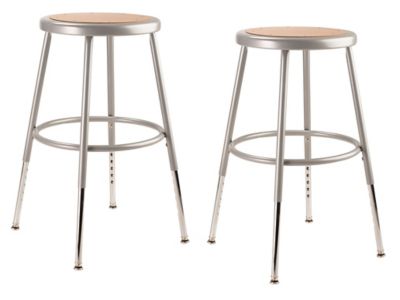
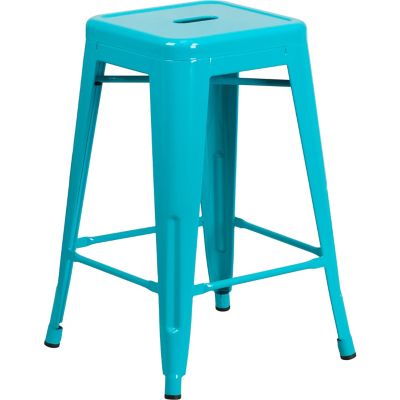
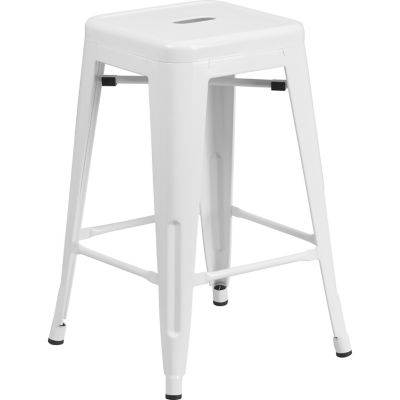
Materials give adjustable counter height stools much of their character and determine what routine care looks like. Metal frames can bring a straightforward, work-ready look to a farmhouse kitchen or a simple breakfast nook. Powder-coated and painted surfaces need care that protects the finish, especially around footrests where boot soles make contact. Wood seats and backs add grain and natural variation, pairing easily with butcher-block counters, painted cabinets, or a family table nearby. Spills should be wiped away promptly, and wood surfaces generally benefit from a soft cloth and a cleaner approved for their finish rather than soaking or harsh scrubbing. Upholstered seating offers another feel, with fabric, leather, and synthetic coverings each calling for their own cleaning methods. Smooth, wipe-clean surfaces can make sense where toast crumbs and the occasional splash of coffee are part of the routine. Fabric brings texture and a softer touch, but seams and woven surfaces can take more attention when food gets worked into them. Leather and synthetic coverings should not be treated as interchangeable; care labels help identify suitable cleaners and conditioners. For seating that gets plenty of daily traffic, tight joints, sound welds, secure footrests, and replaceable floor glides are practical details to consider alongside color and shape. Periodic checks for loose fasteners or worn glides help keep small issues from becoming bigger ones, while lifting a stool instead of dragging it protects both the base and the floor. Indoor construction does not automatically suit a porch or patio serving counter. For those spaces, explore
Outdoor Counter Height Stools and look for materials and care instructions intended for outdoor placement. Inside the home, matching every finish is not necessary for a pulled-together room. A dark metal frame can sit comfortably beside wood cabinets, while a wood seat can soften the look of stone counters. The right combination leaves room for everyday life: a quick bite before chores, a neighbor stopping by, or family settling in while the cook finishes supper.