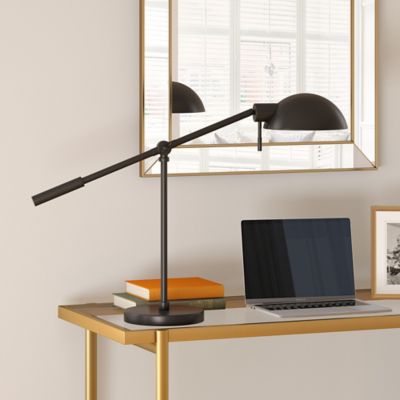
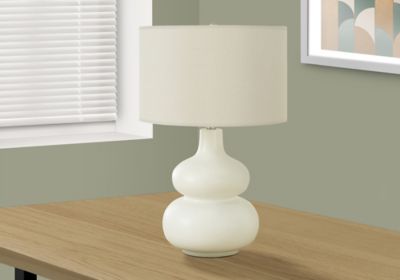
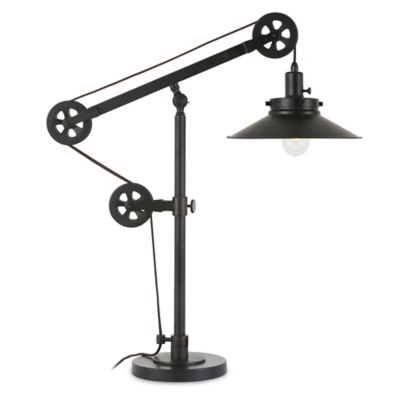
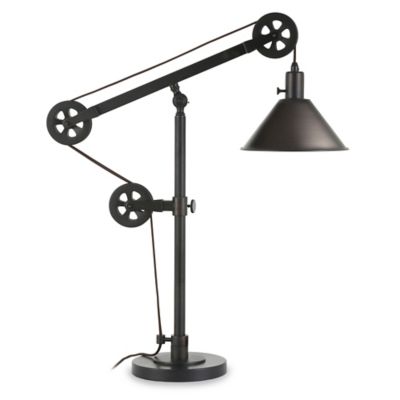
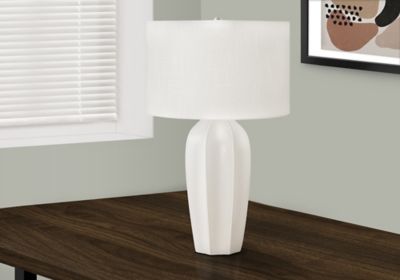
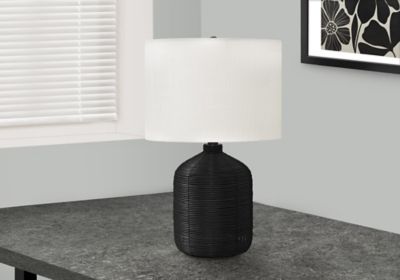
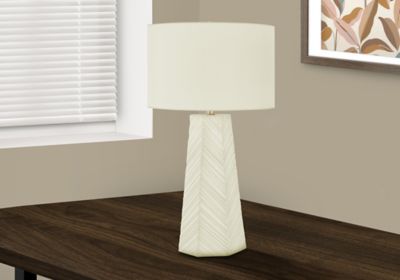
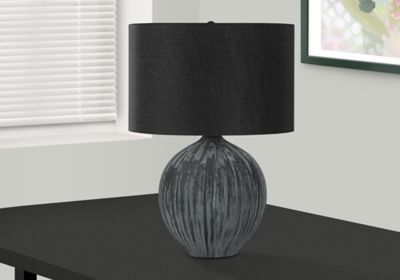
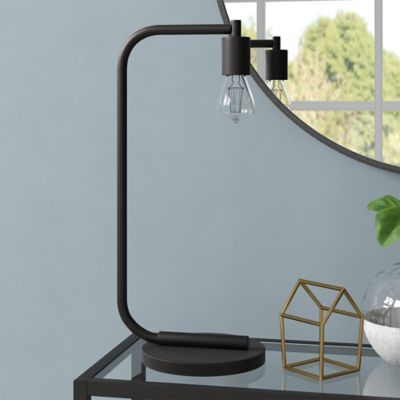
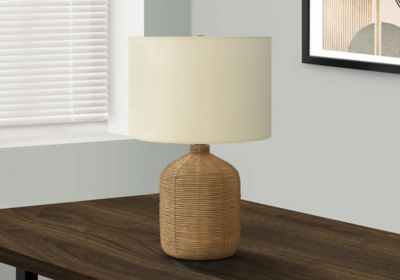
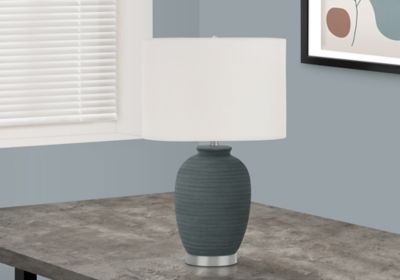
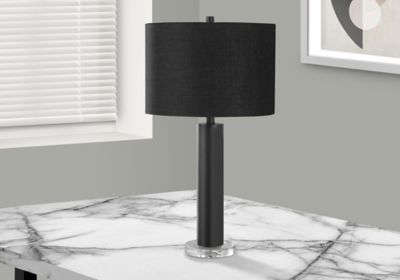
Adjustable height table lamps let you raise or lower the light source for reading, desk work, or softer lighting in a sitting area. That flexibility comes in handy when one spot serves several purposes, whether it’s a farmhouse desk that holds feed bills and a laptop or an end table beside a favorite reading chair. A lamp that sits comfortably above an open book may need a different position when the chair changes or someone taller settles in. Depending on the design, height adjustment may come from a telescoping stem, a sliding post with a locking knob, or a jointed arm. These mechanisms serve slightly different purposes: a straight adjustable stem mainly changes height, while an articulated arm can also bring the light closer to the task. A tilting shade adds another way to aim the beam without shifting the base. The adjustment range matters more than the tallest measurement alone. Both the lowest and highest positions should suit the furniture and the person sitting beside it, with enough room beneath the shade for the work at hand. At a bedside table, an easy-to-reach switch and a shade that keeps the bulb out of direct view can make reading more comfortable without filling the whole room with light. On a desk, a raised shade can spread light across paperwork, while a lower position can concentrate it over a smaller area. Overall proportions matter, too. A broad shade needs room beside books, a clock, or a water glass, and the base should fit fully on the tabletop rather than crowding an edge. Height measurements may include the shade or refer to a particular adjustment position, so dimensions are worth reading closely. A lamp that looks modest at its lowest setting can take up considerably more space when extended, especially beneath a shelf or beside a low cabinet. The best fit leaves room for everyday belongings and allows the lamp to move through its intended range without bumping nearby furniture.
Light output and shade construction shape how an adjustable table lamp feels in daily use. Height changes where the light falls, but it does not change the bulb’s brightness. Lumens describe light output, while the fixture’s wattage limit sets the maximum bulb rating it can safely accept. For lamps with replaceable bulbs, the socket type, bulb size, and manufacturer’s stated limits all matter; an oversized bulb can sit awkwardly beneath a small shade even when its base fits the socket. Some designs have integrated LEDs instead, so their light output and controls are part of the fixture. Dimming can be helpful in a room that shifts from paperwork to quiet reading, but the bulb, lamp, and dimmer must be compatible. An adjustable-height lamp does not necessarily include a dimmer or an adjustable light color. Warm white light often suits a bedside or sitting area, while a more neutral white can suit a desk where clear contrast is helpful. Matching nearby lamps reasonably closely in light color can also keep a shared room from feeling patchy. Shade materials make another noticeable difference. Light-colored fabric generally softens and spreads light, while an opaque metal shade directs more of it through the opening. A deep shade can shield the bulb from view, though its position still matters when someone sits lower than the tabletop. For reading or detailed work, the goal is enough light on the page without a bright reflection bouncing toward the eyes. Moving the lamp slightly to one side may help more than simply raising it. Right-handed and left-handed writers may prefer opposite lamp positions to keep a working hand from casting a shadow across the page. Controls deserve the same attention as the light itself. A switch on the base, a pull chain, or a cord switch each has a different reach, particularly behind a bedside table. A nearby outlet and a cord path clear of chair legs, walkways, and moving joints help the setup stay practical.
Materials and construction matter most at the points that move and carry weight. Metal stems and arms can provide firm support, while wood, ceramic, glass, and mixed-material bases bring different textures and proportions to a room. Finish alone does not tell the whole story: a weighted base, secure joints, and a locking mechanism that holds its position are important when the lamp is extended. Long arms place more leverage on the base, so the lamp should remain steady throughout the positions the manufacturer allows. A smooth, level tabletop gives it a better footing than an uneven stack of books or a narrow ledge. Felt or other protective pads beneath the base can help limit scratches, provided they remain intact and do not cause rocking. Everyday care is usually straightforward, but it should follow the material and electrical-care directions supplied with the lamp. Unplugging the fixture and letting the bulb cool before cleaning or making adjustments near the socket helps keep the task simple and safe. A soft cloth can lift dust from a stem and base; fabric shades may need gentle brushing or a suitable vacuum attachment, while moisture should stay away from sockets, switches, and wiring. Harsh cleaners can damage finishes, and forcing a tight joint can harm the adjustment mechanism. Loose fittings, frayed cords, or a lamp that no longer holds its position call for attention before further operation. Most indoor table lamps belong in dry interior spaces, not on a porch or near a utility sink unless their rating specifically permits that setting. In a sitting room arranged around flexible seating and
Adjustable Height Cocktail Tables, adjustable lighting offers another way to make the space fit different activities. These lamps can also make a thoughtful housewarming or graduation gift for someone setting up a reading corner or home workspace. Knowing the recipient’s table size, room style, and preferred controls makes that choice more personal—and more likely to earn a regular place beside the chair.