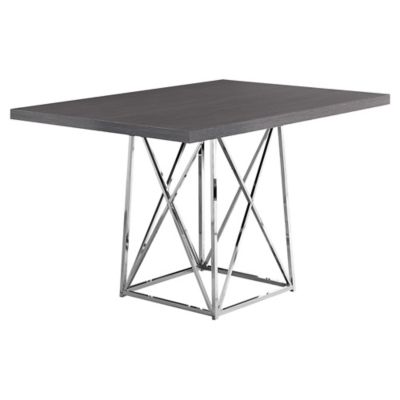
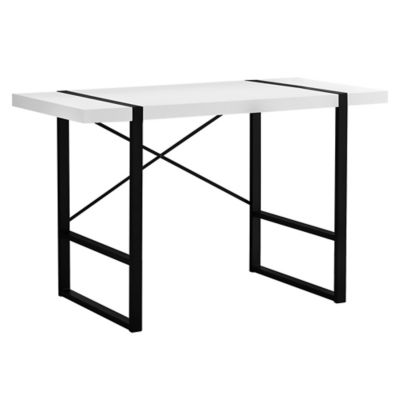
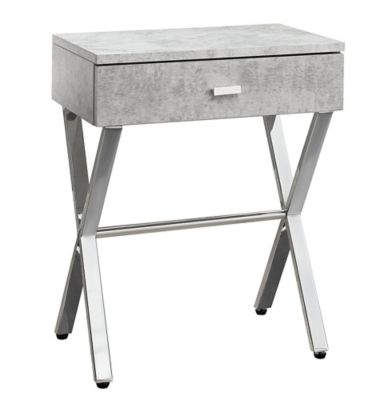
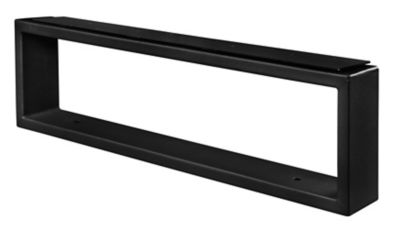
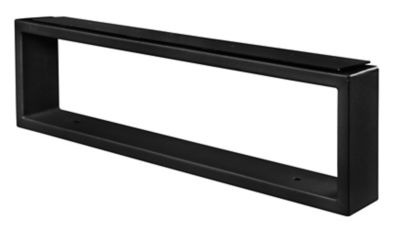
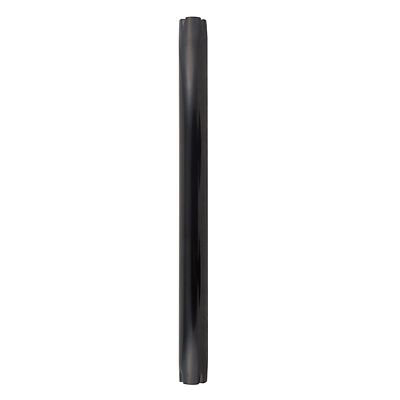
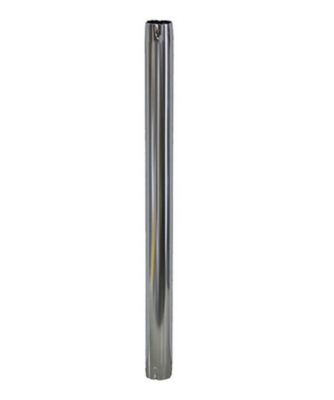
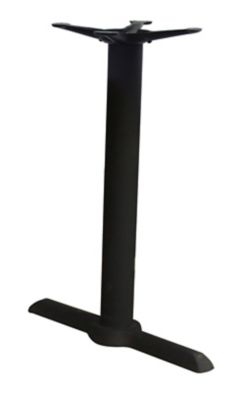
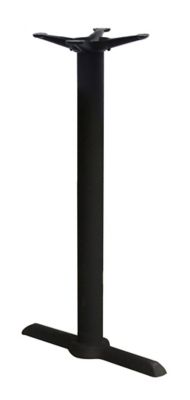
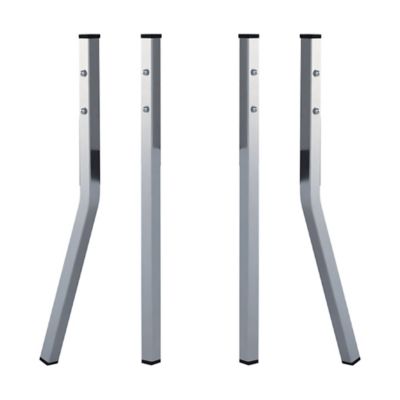
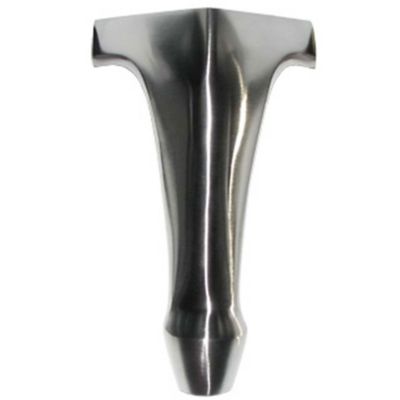
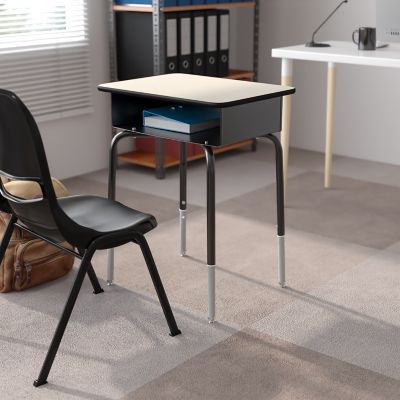
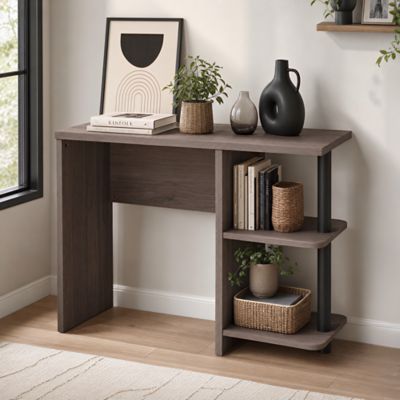
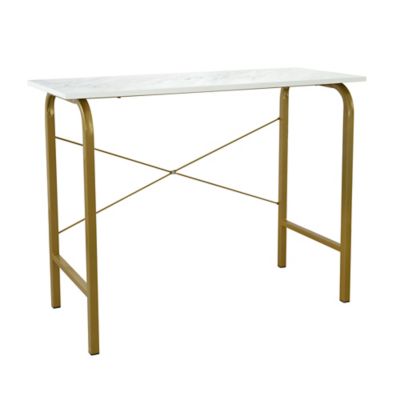
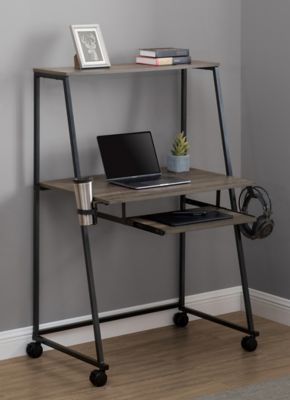
Metal legs support tabletops, benches, desks and other furniture, pairing a sturdy base with shapes that range from slim hairpins to broad steel frames. They’re a practical choice for putting a new wood top to work, replacing a wobbly base or building a bench that fits beside the back door. The right shape depends on more than looks. Hairpin legs generally feature two or three steel rods bent into a narrow profile, leaving plenty of open space beneath a small table or desk. U-shaped legs connect two upright supports across the bottom, while H-frame designs include a connecting member that helps brace the structure. Square and rectangular tube legs have a more substantial appearance without the weight of solid metal throughout. Straight posts keep the outline simple, and angled legs spread the footprint beyond the mounting points. That wider stance can influence both stability and how much room the furniture takes up. Steel is common for furniture legs because it offers strength and rigidity in a range of profiles. Aluminum can make a finished piece easier to move, while cast iron brings considerable weight and a substantial appearance. Material alone doesn’t tell the whole story, though. Tube wall thickness, rod diameter, weld construction, mounting plates and bracing all contribute to how a base handles a load. A thick dining tabletop, a narrow entryway bench and a desk holding computer equipment put different demands on their supports. Metal table legs also give wood and metal a balanced appearance: a broad plank top can sit over a spare, open frame, while a painted tabletop can pair with straight legs for a clean, simple finish. For a farmhouse kitchen, home office or shop break area, the best match leaves enough room for chairs, feet and everyday traffic without letting the base disappear too far beneath the top. A good-looking shape matters, but comfortable seating and steady support make the finished furniture easier to live with day after day.
Fit starts with the finished height, not just the length listed for the legs. Tabletop thickness, mounting hardware and leveling feet all add to the overall measurement. Dining tables commonly finish around 28 to 30 inches high, while coffee tables sit much lower; desks and work surfaces need a height suited to the chair, task and person at the surface. A bench needs particular attention to seat height and depth so boots can rest on the floor without the front edge pressing behind the knees. Width matters just as much. A base that crowds the edges can catch a passing foot, while supports positioned too close together may leave a long top with more overhang than its construction can handle. Crossbars and braces can strengthen an assembly, but their placement affects knee clearance and the space available for chairs. At a kitchen table that doubles as a homework spot, that clearance gets noticed every day. On a workbench, a low stretcher may fit the job better than a brace directly beneath the work surface. Load ratings deserve a close look, including whether a stated capacity applies to one leg, a pair or a complete base. The tabletop’s own weight counts toward that load, along with whatever rests on it, and several individual ratings shouldn’t simply be added together unless the manufacturer supports that calculation. Attachment is another part of the fit. Mounting plate dimensions, hole spacing and fastener requirements need to suit the underside of the top. Screws must have enough material to hold without breaking through the upper surface. Solid wood can expand and contract with changes in moisture, so attachment systems intended to accommodate that movement help avoid putting unnecessary stress on the top. Glass, stone and other surfaces may require specialized mounting arrangements rather than ordinary wood screws. Adjustable feet help take up small differences in floor level, but they don’t replace a properly assembled frame or a sound connection between the legs and tabletop.
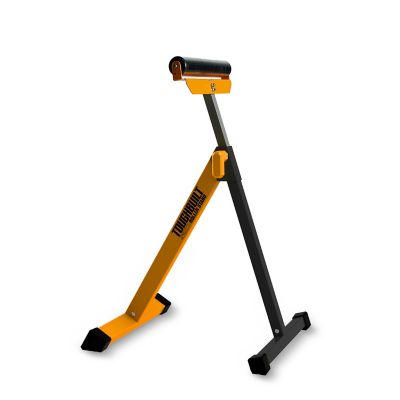
Finish and upkeep help determine how metal furniture legs settle into everyday life. Powder-coated surfaces offer a consistent color and a barrier between the metal and everyday contact, while plated finishes bring a different sheen. Bare steel has a more exposed appearance and may require a protective treatment to limit rust; clear-coated steel still depends on an intact coating for protection. Black legs tend to sit quietly beneath both pale and dark wood, while lighter metal finishes can make the base more noticeable. Surface texture matters, too, especially around dusty shop floors or a kitchen table that needs frequent wiping. A soft cloth, mild soap when appropriate and thorough drying are generally gentler on finished metal than harsh abrasives, though the manufacturer’s care directions should take priority. Standing moisture, damaged coatings and trapped debris around feet or mounting plates can lead to trouble over time. Furniture intended for outdoor use needs legs, hardware and finishes rated for that setting, rather than an assumption that any metal base belongs outside. Floor contact deserves the same attention as the visible frame. Nonmarking pads can help protect finished flooring, and suitable glides make it easier to move a chair-side table without dragging bare metal across the surface. Small feet can sink into soft flooring, while a broader contact area spreads the load differently. Periodic checks for loose fasteners, worn pads or movement at the joints help keep a frequently handled piece steady. That matters on a mudroom bench where folks sit to pull off boots, a desk that gets shifted for cleaning or a table where the family gathers for supper. Metal legs suit furniture builders, homeowners refreshing a room and anyone turning a sound tabletop into something useful again. When the job calls for a separate support rather than legs fastened beneath furniture,
Metal Stands offer another category to consider. For attached furniture bases, matching the frame, mounting method and finish to the actual job gives the finished piece a solid foundation without sacrificing the space that makes it comfortable.