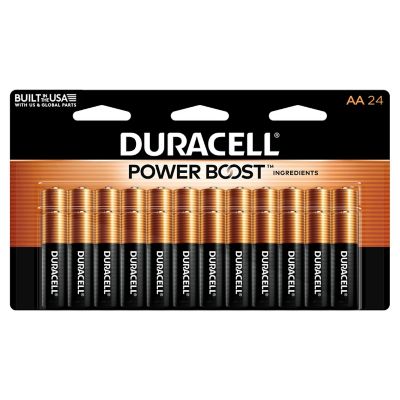
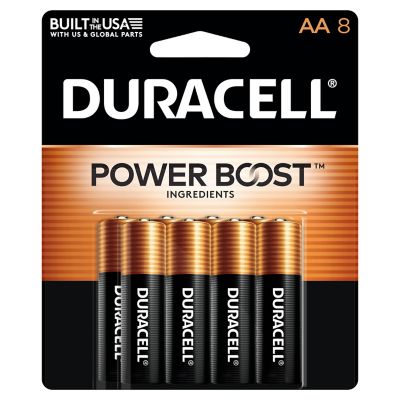
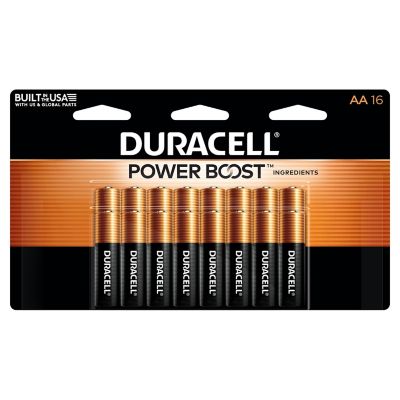
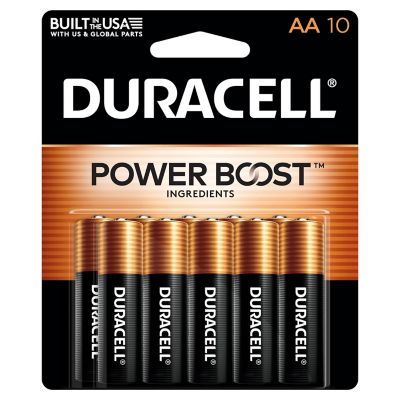
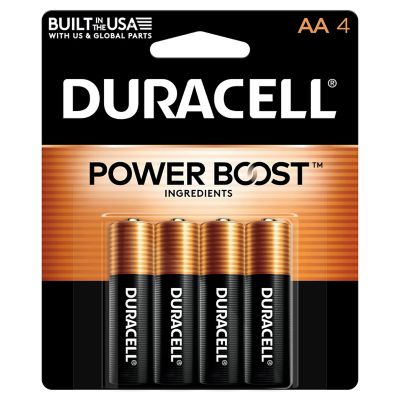
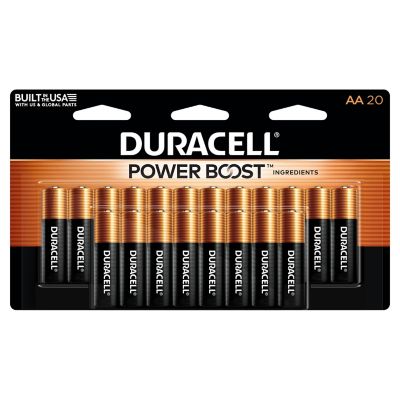
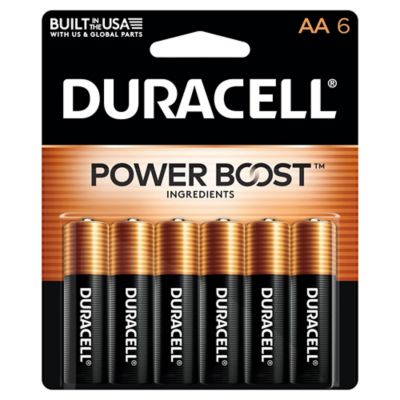
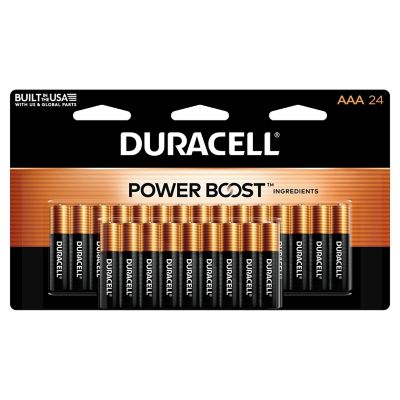
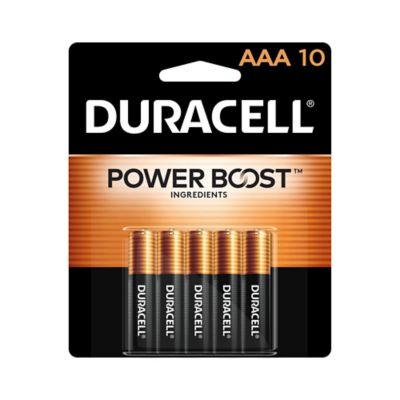
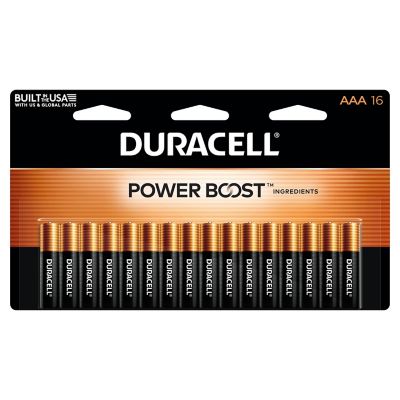
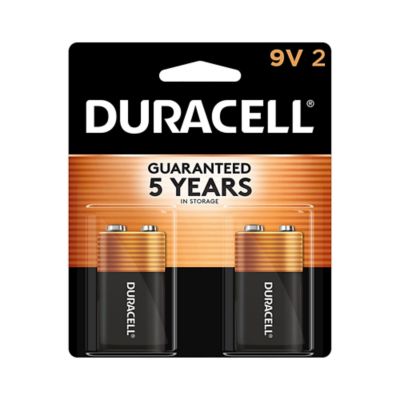
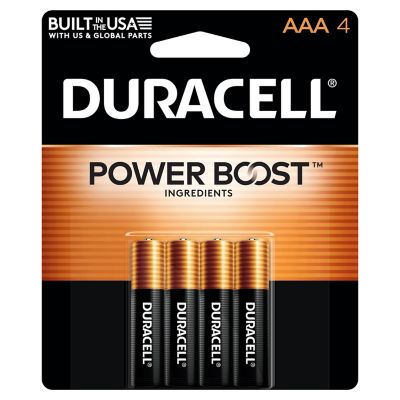
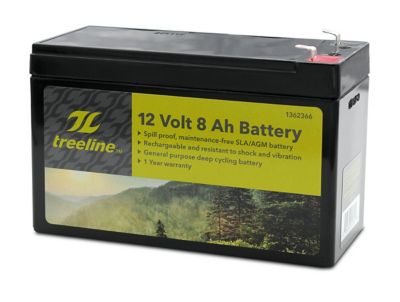
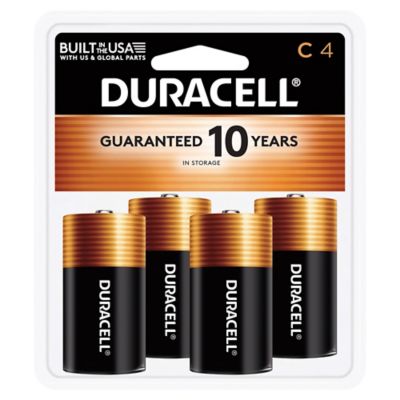
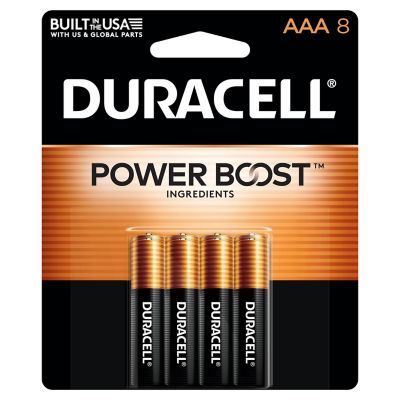
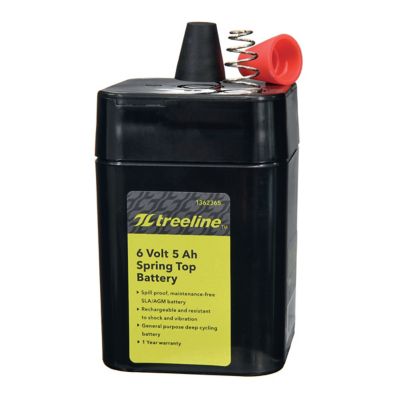
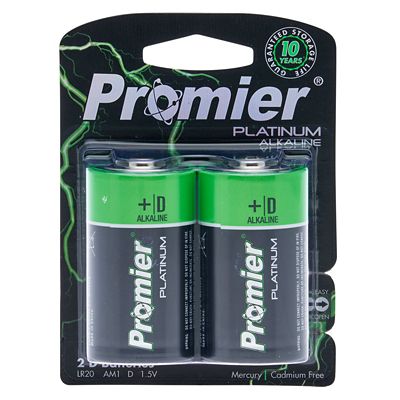
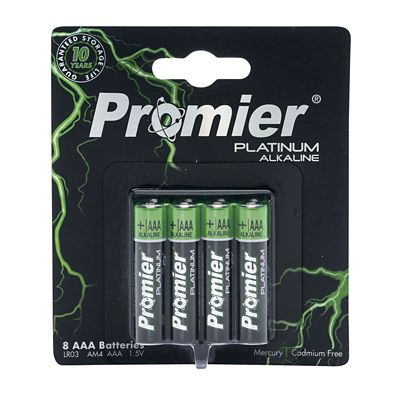
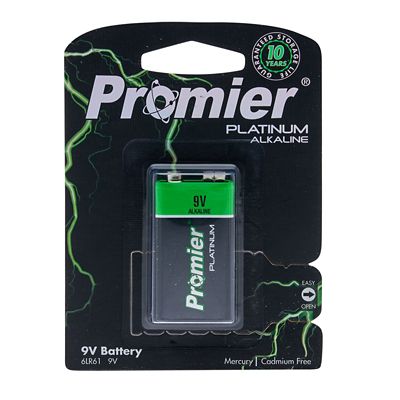
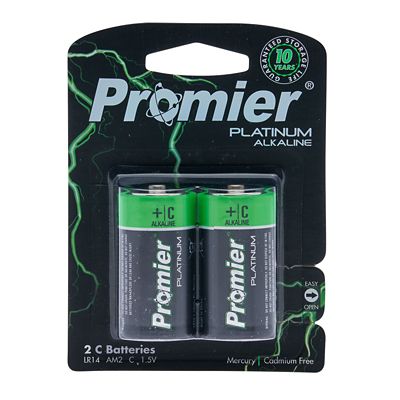
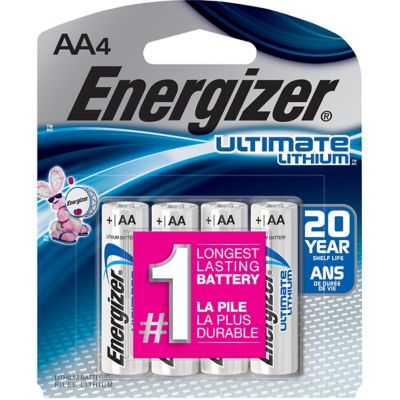
General purpose batteries supply portable electrical power to everyday devices around the house, shop, barn, and campsite. These standard replacement cells keep clocks ticking, flashlights shining, and small electronics running without a cord or nearby outlet. Common household battery sizes include AA, AAA, C, D, and 9V, but size alone does not tell the whole story. The right fit depends on the device’s specified battery size, voltage, chemistry, and terminal arrangement. Fresh AA, AAA, C, and D alkaline batteries have a nominal voltage of 1.5 volts per cell, while an alkaline 9V battery supplies a nominal 9 volts through its two snap-style terminals. Those differences matter whether the job is powering a remote control in the living room or a portable radio on a workbench. Smaller cylindrical cells fit compact electronics, while larger cells can provide more capacity for equipment designed to accept them. A larger battery is not a substitute for the size marked inside the battery compartment, though, and forcing a cell into place can damage contacts or the housing. Clear size markings and easy-to-read polarity symbols help take the guesswork out of matching replacements to the equipment already on hand. For households with several battery-powered devices, the mix of sizes matters just as much as the number of batteries in a package. A wall clock may run on one AA cell, while a lantern may call for several D cells, leaving very different needs for the next replacement. General purpose batteries also serve a wide range of people: homeowners tending everyday chores, folks checking outbuildings after dark, campers packing a light for the tent, and families keeping toys and small electronics ready for play. Their value is in straightforward, everyday usefulness, from a kitchen timer during supper prep to a flashlight carried down a gravel drive. Matching the battery to the equipment helps keep those ordinary tasks moving without unnecessary interruptions.
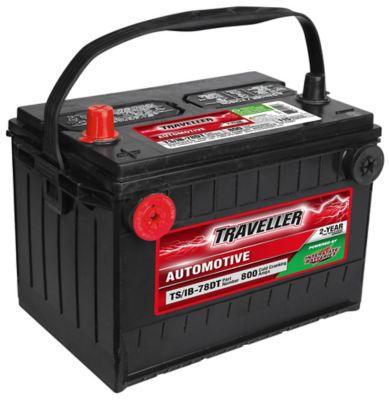
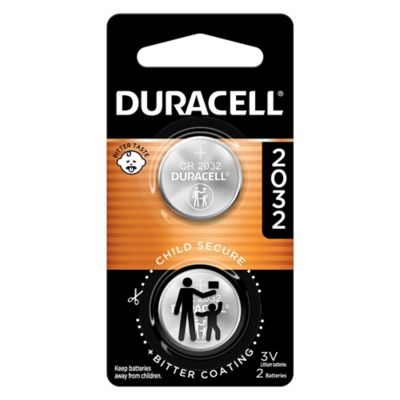
Battery chemistry affects operating time, storage life, weight, and performance under different loads. Alkaline batteries contain zinc and manganese dioxide and are a familiar choice for many everyday electronics that accept disposable cells. Zinc-carbon batteries are another disposable type, generally better suited to light-duty, low-drain applications than equipment with a steady appetite for power. Disposable lithium batteries can offer lower weight and better cold-weather performance than alkaline cells in certain applications, but the device manufacturer must approve the particular chemistry and voltage. Not every lithium cell with a similar shape is a direct replacement for an alkaline battery. Rechargeable nickel-metal hydride batteries, often called NiMH batteries, commonly carry a nominal voltage of 1.2 volts per cell and can suit compatible equipment that sees frequent operation. They require a charger intended for that chemistry, and some devices may respond differently to their lower nominal voltage. Standard disposable batteries are not intended for recharging. For a remote control that draws only a little power, long storage life may matter more than performance under a heavy load. For a flashlight that stays on through an evening fence check, capacity and performance during sustained operation become more important. Actual running time depends on the device, its settings, the temperature, and the battery’s condition; a package claim cannot describe every chore or weather condition. During the cooler months, batteries left in an unheated shed or truck can deliver less power, especially under demanding loads. Manufacturer temperature ratings help distinguish equipment suited to cold conditions from equipment better kept indoors. Some general purpose applications also involve sealed lead-acid batteries in compatible backup equipment. Those batteries belong to a different category of fit and electrical requirements than household cylindrical cells, with case dimensions, terminal style, voltage, and capacity all affecting compatibility. Across these types, the case and seals help contain the internal materials, but no battery should be treated as immune to leakage, impact damage, or excessive heat.
Keeping general purpose batteries in good condition starts with sensible storage and attention to the equipment they power. A cool, dry place indoors is a better home for spare cells than a damp barn shelf, a sunny windowsill, or a truck cab that swings between temperature extremes. Original packaging keeps sizes together and helps prevent loose terminals from touching metal objects. Batteries rolling around a toolbox with nails, screws, or spare change can short-circuit, and the closely spaced terminals on a 9V battery deserve particular care. Keeping those terminals protected is especially important when setting batteries aside for recycling or disposal. Package dates and manufacturer storage guidance offer a useful reference for spares that may sit between tasks. Storage life is not the same as running time, and even batteries waiting in a drawer gradually lose charge. Equipment care matters, too: clean, dry contacts help maintain a sound connection, and correct polarity keeps the electrical path aligned with the device’s design. When equipment calls for several cells, replacing the full set together with matching batteries avoids mixing fresh cells with depleted ones or combining different chemistries. Removing batteries from equipment headed for extended storage can help limit damage if a cell leaks. A leaking, swollen, or damaged battery needs careful handling according to manufacturer directions rather than another turn in a flashlight. Local recycling and disposal requirements vary by chemistry, with rechargeable and lead-acid batteries requiring appropriate collection channels. For a household preparing for shorter daylight hours or a weather-related outage, matching spare cells to working flashlights and radios makes more sense than keeping assorted sizes with no clear purpose. Equipment reserved for outages may have additional requirements;
Emergency Batteries relate to those backup-power needs. Smoke and carbon monoxide alarms likewise require the battery type specified by their manufacturer, and sealed-battery alarms follow their own replacement instructions. Whether the next task takes place at the kitchen counter or beside a barn door after sundown, the right battery starts with the right match.