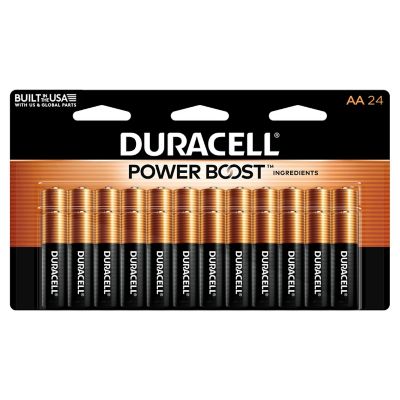
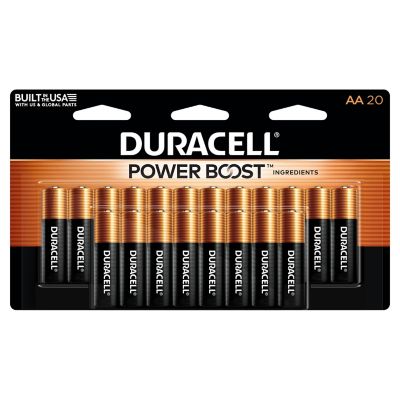
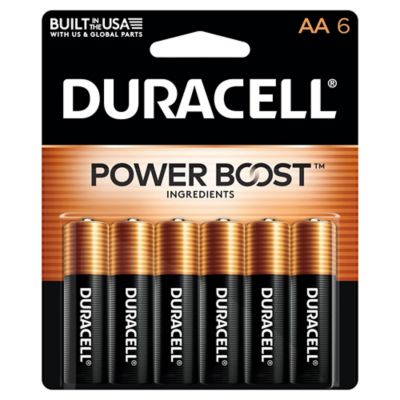
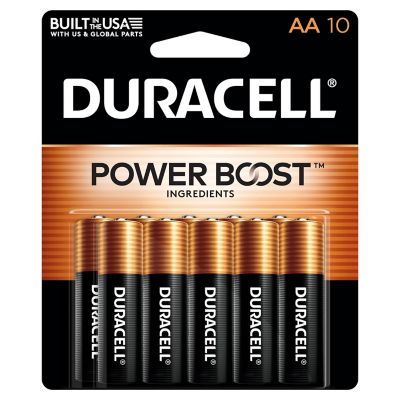
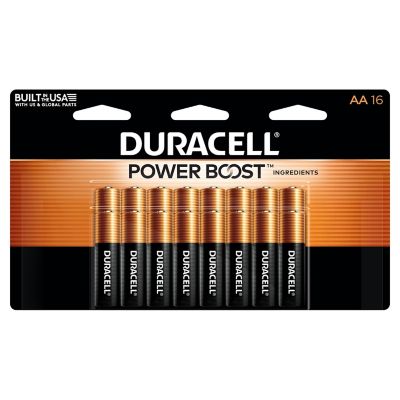
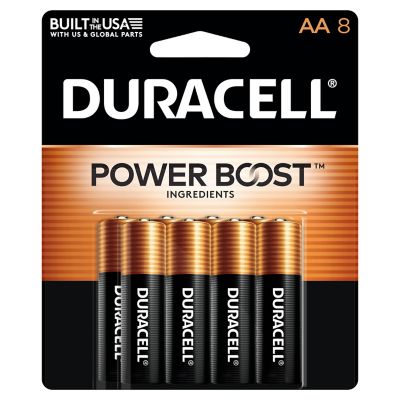
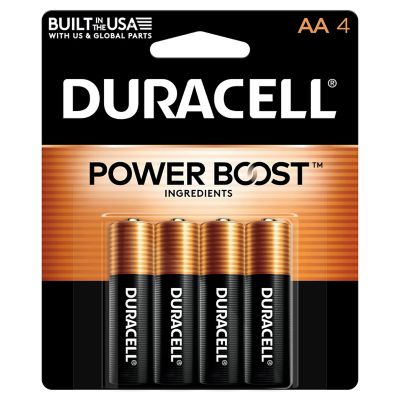
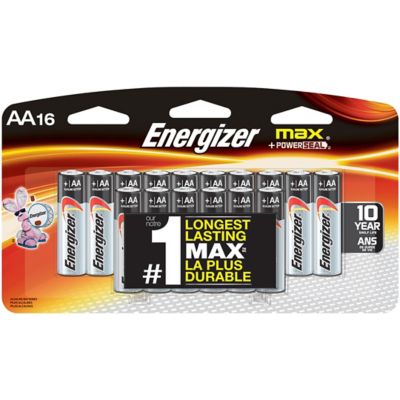
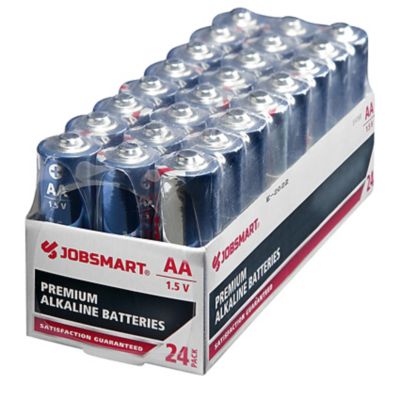
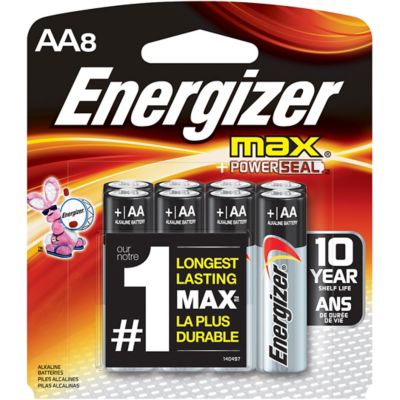
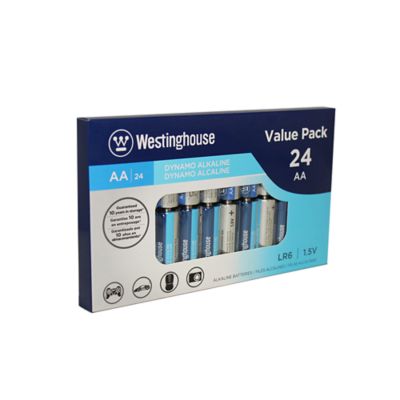
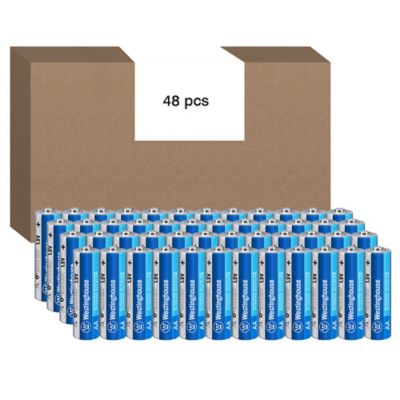
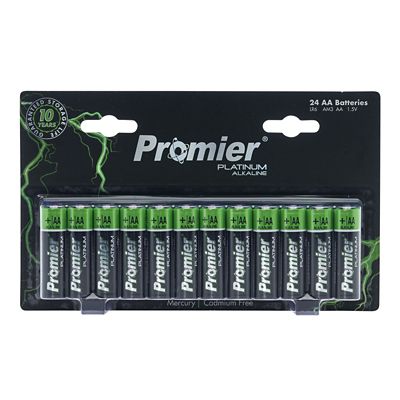
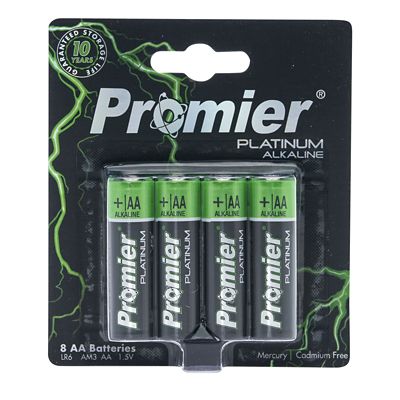
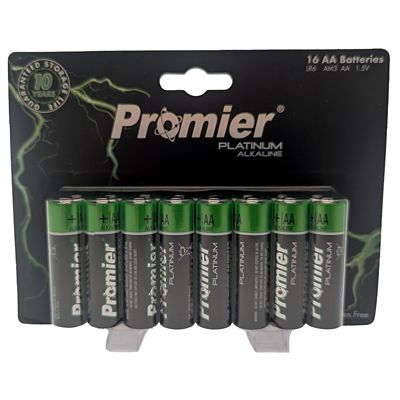
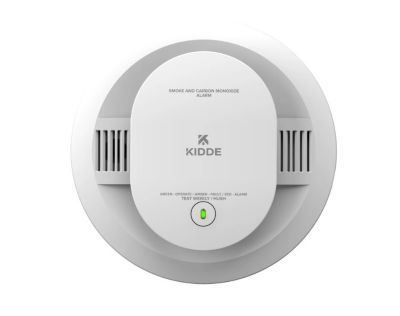
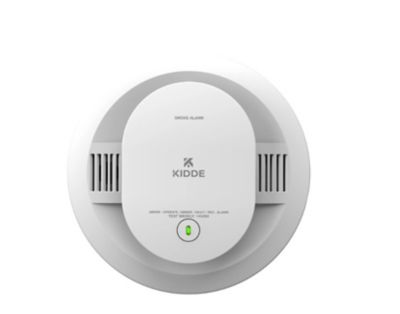
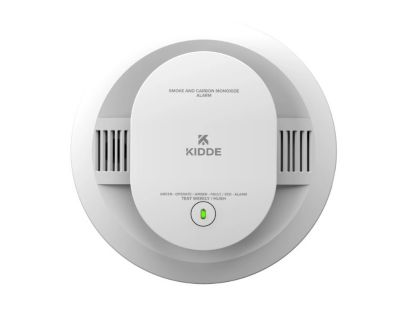
AA batteries for smoke detectors supply power to compatible alarms that help protect bedrooms, hallways, and other living spaces. In a battery-operated alarm, they provide the main power source; in some hardwired alarms, they provide backup power if household electricity goes out. That distinction matters on a country road where a storm can knock out power long before a repair crew reaches the driveway. The right replacement starts with the alarm’s battery requirements, not just the size printed on the old battery. AA describes the battery’s physical size, while its chemistry and voltage determine whether it belongs in a particular device. Many smoke alarms with replaceable AA batteries call for 1.5-volt alkaline cells, but the label inside the battery compartment and the owner’s manual are the final word on compatibility. Some alarms specify other battery types, and others have sealed batteries that are not meant for replacement. AA alkaline batteries generally have a steel casing around zinc and manganese dioxide components, with a raised positive terminal at one end and a flat negative terminal at the other. Their familiar shape makes them easy to recognize, but a battery that fits is not automatically a suitable match. For homeowners, renters responsible for routine battery changes, and folks looking after a family member’s place, checking those details helps take the guesswork out of a small but important maintenance task. The number of batteries matters, too: an alarm may require more than one AA cell, and every position in its compartment needs the correct battery. These batteries also power plenty of everyday household equipment, yet smoke detectors deserve their own compatibility check rather than a replacement borrowed from whatever happens to be in a kitchen drawer. For this job, the best fit is the battery type the alarm manufacturer specifies, installed with the positive and negative ends lined up with the compartment markings.
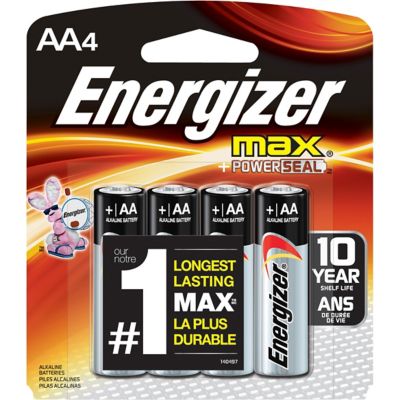
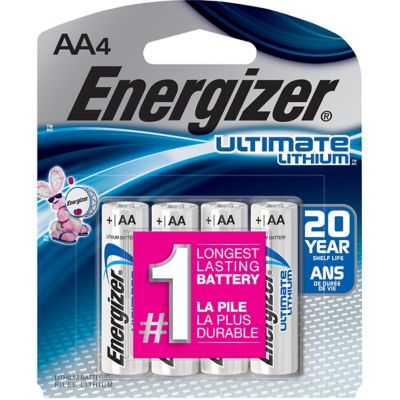
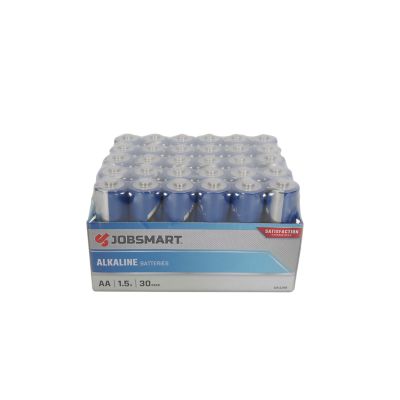
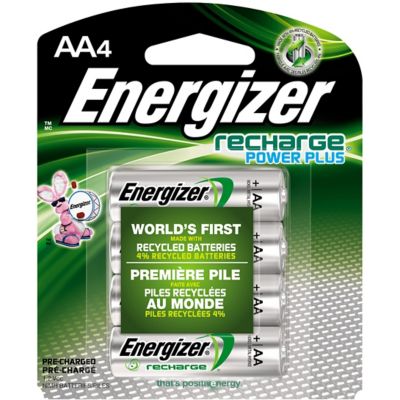
Battery chemistry makes a real difference in this category, especially when comparing alkaline, lithium, and rechargeable AA batteries. Alkaline AA cells have a nominal voltage of 1.5 volts and are a common choice for alarms designed around that chemistry. Nonrechargeable lithium AA batteries also typically provide 1.5 volts and can offer a long storage life, but they belong in a smoke detector only when its manufacturer permits them. Rechargeable nickel-metal hydride AA batteries typically provide 1.2 volts, which may not meet an alarm’s requirements or work properly with its low-battery monitoring. Similarly sized lithium-ion cells can have a much higher voltage and are not substitutes for ordinary AA batteries. Those differences are worth checking before choosing replacements for a hallway alarm or the detector outside a guest bedroom. Battery life also depends on the alarm’s design, operating conditions, and features, so a package claim about long-lasting power does not establish a replacement schedule for every smoke detector. Follow the alarm manufacturer’s interval, and respond promptly to a low-battery warning according to the manual. A chirp can signal a low battery, an alarm fault, or the end of the alarm’s service life; the sound pattern and indicator lights help distinguish one condition from another. When an alarm takes multiple replaceable batteries, replace the full set together with fresh batteries of the same specified type rather than mixing chemistries or combining fresh cells with older ones. Package count can be considered against the number of compatible alarms in the home and how many cells each one takes, without assuming every detector has the same requirements. A farmhouse addition, a finished upstairs bedroom, and a newer hallway alarm may all have different power arrangements. Smaller batteries are a separate category:
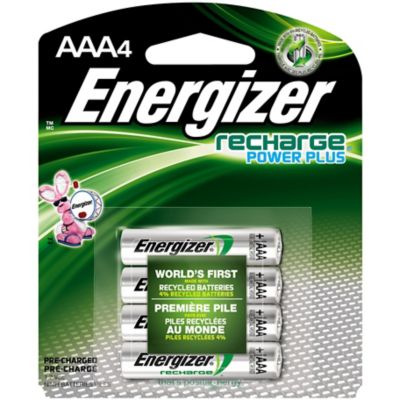
AAA Batteries fit devices designed for AAA cells and cannot take the place of AA batteries in a smoke detector. Matching the size, voltage, chemistry, and required quantity keeps the choice centered on the alarm rather than on packaging alone.
Storage and handling help keep replacement batteries ready for their intended job. A dry, room-temperature cabinet inside the house is a better spot than a damp shed, a hot truck cab, or a shelf beside the woodstove. Keeping batteries in their original packaging until needed helps protect the terminals from contact with loose screws, keys, and other metal objects that could cause a short circuit. The date on the package provides useful context for storage, but it is not a promise of how long a battery will run after installation. Batteries with leakage, swelling, damaged wrappers, or corroded terminals do not belong in a smoke alarm. If the battery compartment shows corrosion or damage, follow the alarm manufacturer’s directions rather than forcing in another set and assuming the problem is solved. Fresh batteries are only one part of keeping an alarm ready: test smoke alarms at least monthly, following the manufacturer’s instructions, and test again after a battery change. A successful test confirms the alarm responds to its test function; it does not extend the device’s service life. Smoke alarms generally need replacement at 10 years, with the date markings and manufacturer’s instructions determining the timing for a particular unit. A new set of AA batteries cannot renew an alarm that has reached its replacement date, and a sealed-battery model calls for the manufacturer’s specified replacement process rather than an attempt to open its battery housing. During the cooler months, when families spend more evenings indoors and overnight guests may fill a spare room, checking alarm power fits naturally alongside regular household upkeep. The same attention matters at a weekend cabin, provided the alarm is rated for the temperatures and conditions there; a different battery chemistry does not make an indoor alarm suitable for an unheated barn or an exposed porch. Keep replacement batteries out of reach of children and pets, and follow local disposal or recycling requirements for depleted cells. For AA batteries for smoke detectors, the practical priorities stay straightforward: the correct specifications, sound storage, careful installation, and routine alarm testing.