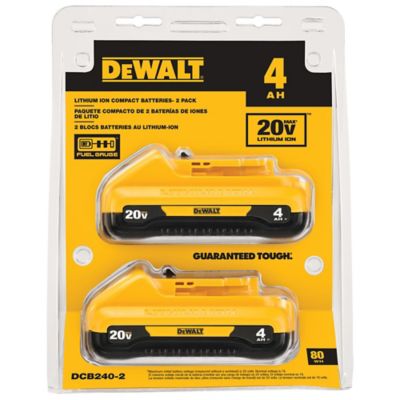
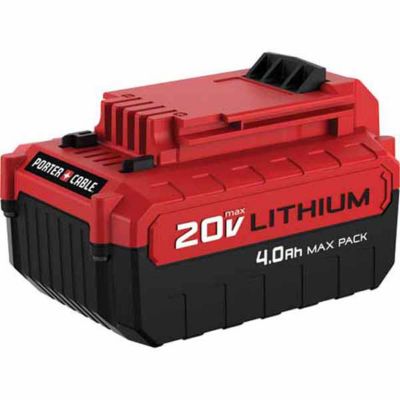
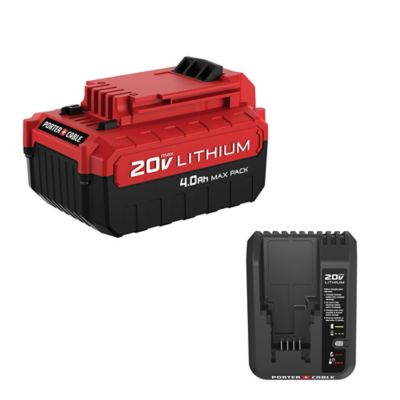
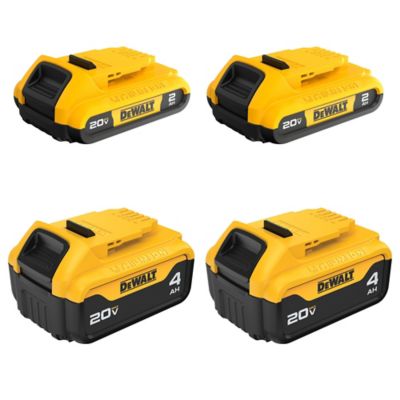
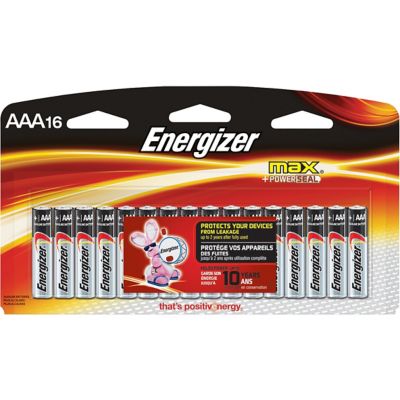
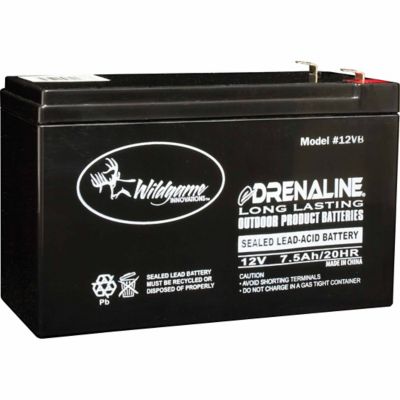
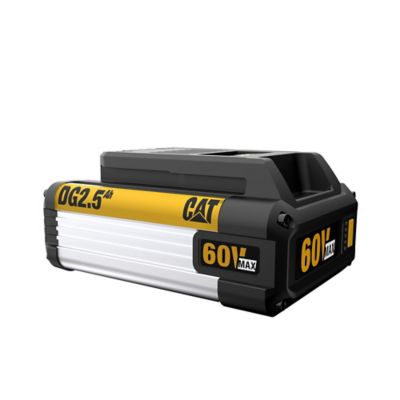
4Ah batteries bring rechargeable power to a wide range of tools and equipment around the shop, barn, garage, and home. A 4Ah battery has a rated charge capacity of four amp-hours. In a simplified example, that means supplying 4 amps of current for one hour or 1 amp for four hours, although actual runtime depends on the battery’s chemistry, condition, discharge rate, and the equipment drawing power. At the same voltage, a 4Ah battery has twice the rated charge capacity of a 2Ah battery, so it can often keep compatible equipment running longer between charges. That does not guarantee exactly twice the runtime in every application. Driving screws into dense lumber draws power differently than running a work light, and repeated starts can affect how much work a charge delivers. Amp-hours also do not tell the whole story about energy: multiplying nominal voltage by amp-hours gives nominal watt-hours. An 18-volt, 4Ah battery, for example, has a nominal energy capacity of 72 watt-hours. Voltage, power output, and compatibility still matter just as much as capacity when choosing a replacement or an extra battery. Within this capacity range, lithium-ion packs commonly serve cordless equipment, while sealed lead-acid batteries appear in certain backup, lighting, and other electrical applications. These battery types have different charging requirements and are not interchangeable simply because both carry a 4Ah rating. Their construction differs, too. A tool battery may combine rechargeable cells, electrical contacts, protective electronics, and a molded housing, while a sealed lead-acid battery has lead-based internal components, electrolyte, and a sealed case with terminals. The right choice starts with the equipment’s specified battery type, then narrows down to the capacity, dimensions, and connection style that suit the job. For everyday chores, that match matters more than choosing by the largest number on the label alone.
Fit is especially important with 4Ah replacement batteries because a pack can look close to the original without making the correct electrical connection. Cordless equipment often depends on a particular mounting rail, latch, contact arrangement, and electronic communication system. Matching voltage and amp-hours alone does not establish compatibility, and a battery that slides into place is not necessarily approved for that tool or charger. Manufacturer compatibility information helps establish the proper match without guesswork. For batteries that sit inside an enclosure, case length, width, height, terminal type, and terminal orientation deserve the same attention. A slightly taller case or a terminal facing the wrong direction can keep the cover from closing or put strain on wiring. Intended use matters alongside physical fit. A work light needs a steady power supply, while a drill or saw can demand brief bursts of much higher current. Two batteries with matching voltage and capacity ratings may have different discharge capabilities, making one unsuitable for a demanding application. Weight and balance also affect how equipment feels through a full chore list. On a handheld tool, battery size can influence wrist comfort, clearance in tight corners, and how easily the tool reaches between boards or beneath a workbench. Someone hanging storage racks in the feed room may value a manageable setup, while someone making repeated cuts at a worktable may place more emphasis on time between charging stops. An extra compatible battery can help keep work moving while another charges, provided each pack has the correct charger and enough charging time. Charge indicators can make that rotation easier to manage, though they show an estimate rather than an exact number of working minutes. Housing condition, secure latches, and clean connections round out the practical details that help a battery stay seated and deliver power as intended, whether the task takes ten minutes or fills an afternoon.
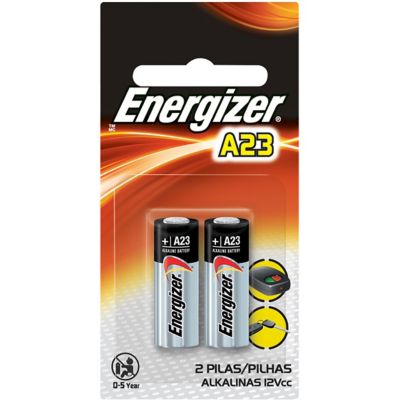
Care has a big say in how long a rechargeable 4Ah battery remains useful. Repeated charge cycles gradually reduce capacity, so an older battery may complete fewer fence repairs or fewer minutes of lighting than it did when new. Longer runtime starts with a sound battery and a charger designed for its chemistry and specifications, not simply a plug that happens to fit. Charging indicators, low-charge protection, and storage recommendations vary, making the equipment and battery instructions worth keeping with the charger. A clean, dry storage spot away from loose screws, nails, and other metal helps protect exposed terminals from accidental contact. Batteries carried in a toolbox benefit from a separate compartment or suitable terminal protection rather than being tossed among sockets and fasteners. Cases and contacts deserve an occasional look, especially after a drop or a rough ride across the property. Cracks, swelling, leakage, damaged terminals, or unusual odors call for taking the battery out of service and following the manufacturer’s handling directions. Cleaning should stay gentle, with the battery disconnected and no liquid entering the housing or contacts. At the end of its service life, a rechargeable battery belongs in an appropriate battery collection or recycling program rather than household trash; local requirements and battery chemistry determine the proper route. These practical details matter to homeowners tackling repairs, folks maintaining outbuildings, and anyone who depends on cordless equipment through a working day. A compatible spare can also make a thoughtful gift for someone with an established tool setup, as long as the exact battery platform and charger requirements are known beforehand. Handheld controls for gates and garage doors have different power needs;
Remote Batteries belong to a separate category with their own size, voltage, and chemistry requirements. For larger rechargeable equipment, a well-matched 4Ah battery offers a practical balance of capacity, handling, and charging needs, helping keep attention on the chore instead of an interrupted power supply.