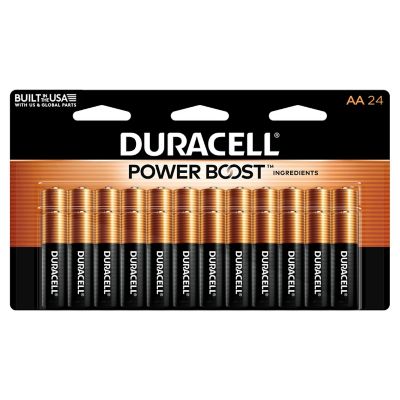
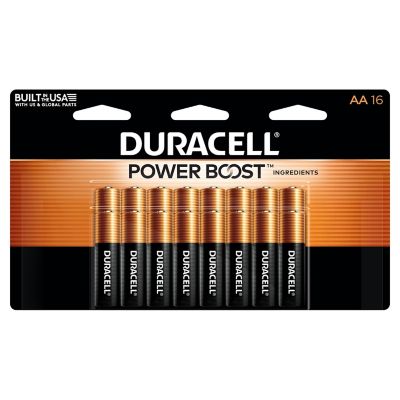
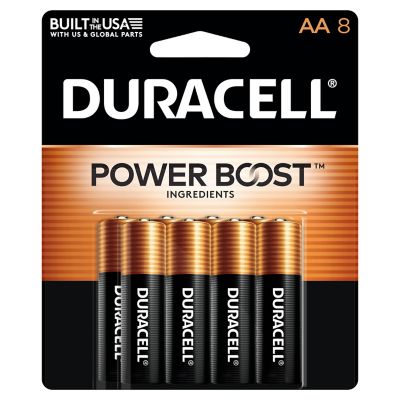
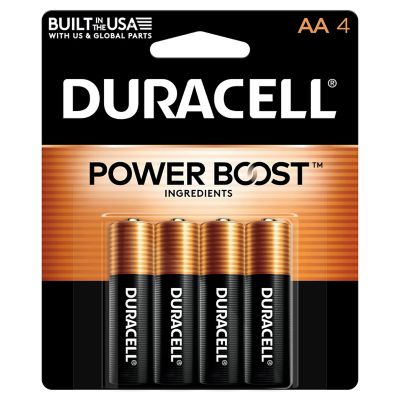
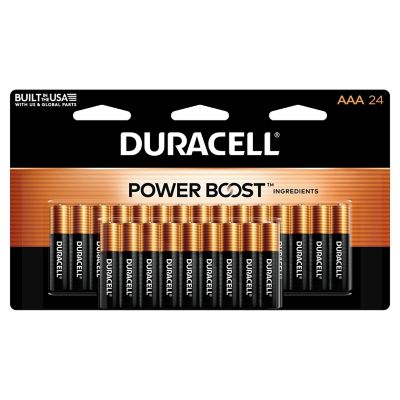
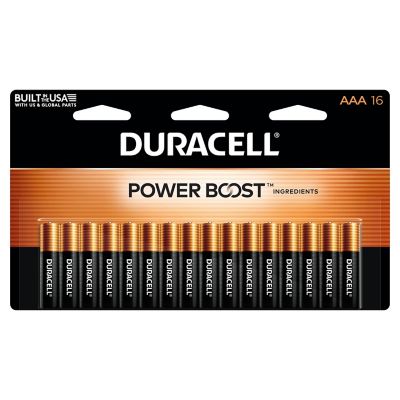
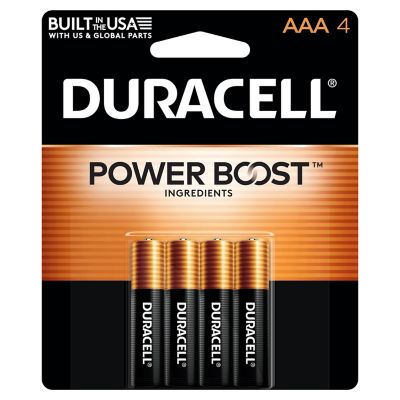
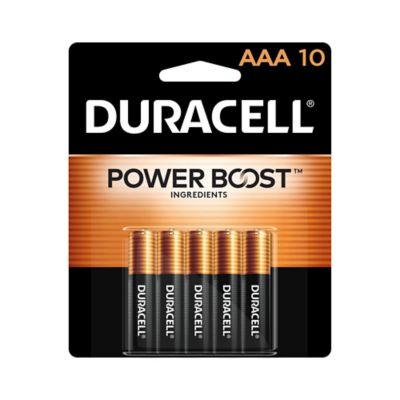
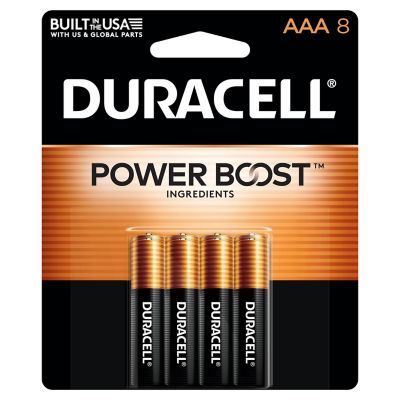
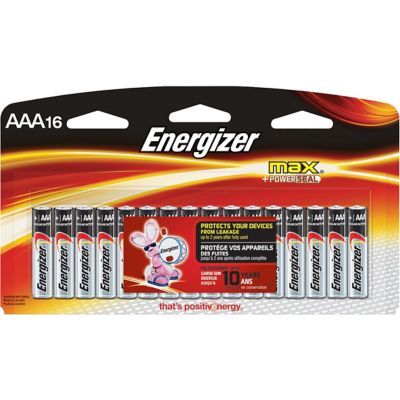
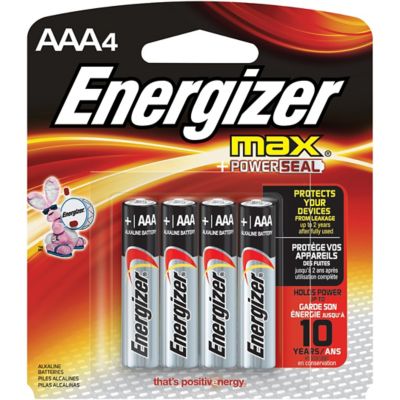
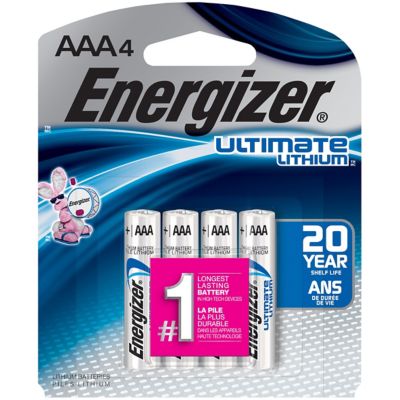
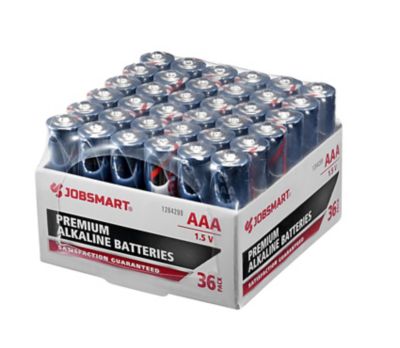
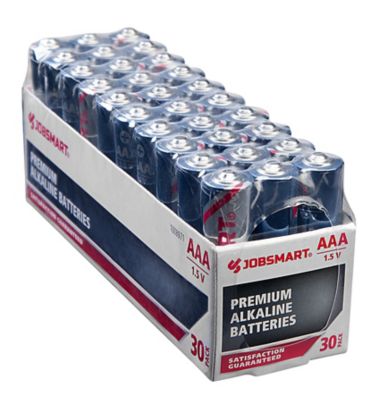
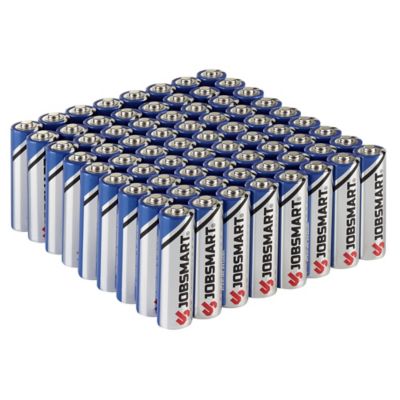
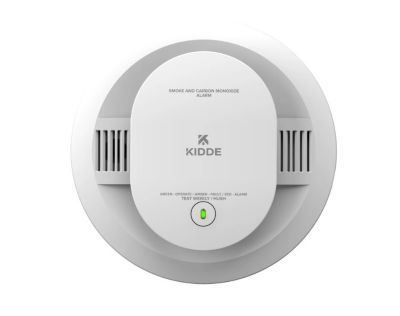
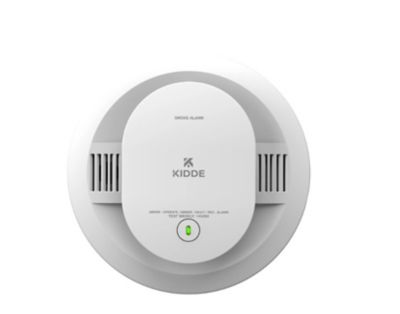
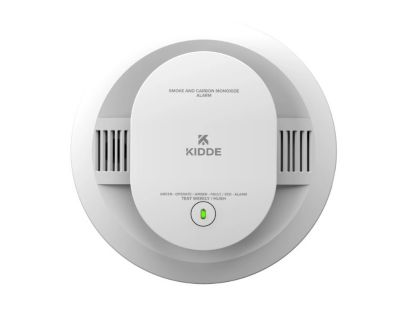
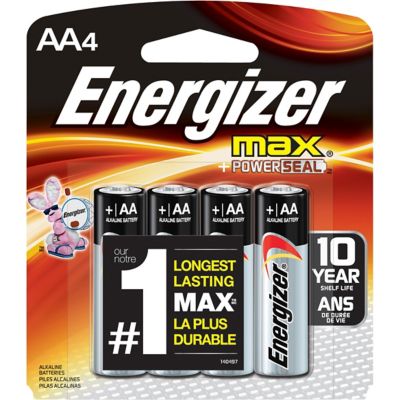
AAA batteries for smoke detectors are a handy choice for homes, shops, barns, campers, rental properties, and other spaces with alarms designed to use triple-A cells. They are small, easy to keep on hand, and simple to replace when a detector starts giving that familiar low-battery chirp. Before buying, check the label on the smoke detector, the owner’s manual, or the battery compartment to confirm that it calls for AAA batteries. Not every smoke alarm uses the same power source, and some models use AA cells, 9-volt batteries, sealed power units, or a combination of battery and hardwired power. Using the correct size matters for a proper fit and dependable operation. For most compatible alarms, fresh alkaline AAA batteries are a practical everyday choice, offering reliable power for household safety devices when stored and installed properly. It is wise to pick up enough batteries for every detector that needs them, along with a few spares for the kitchen drawer, tool cabinet, or emergency supply bin. In a farmhouse, a battery may be needed for an alarm in a hallway, bedroom, mudroom, or finished area above a garage, while a smaller home may only need a few cells for sleeping areas and common spaces. Older homes, guesthouses, cabins, and rental units can have detectors in out-of-the-way places, so keeping a small supply nearby can save a late-night trip to the store when a chirp starts echoing through the house. AAA batteries also make a practical housewarming gift or a thoughtful addition to a care package for someone moving into a new place, settling into a dorm or apartment, or getting a seasonal cabin ready for cooler weather. Pairing them with general home-safety supplies can help a new homeowner remember the little details that are easy to overlook after a busy move. For broader information about choosing and maintaining alarms, visit
Smoke Detectors for Home Safety. During the cooler months, doors and windows often stay closed more frequently, and families may spend more time indoors, making it a good habit to check that every alarm has power and is located where the manufacturer recommends. Battery supplies are especially useful in rural areas where a trip into town takes planning, or where outbuildings and guest spaces may not be checked every day.
When replacing AAA batteries in a smoke detector, start by reading the detector’s instructions and turning off any connected power only as directed by the manufacturer. Many units have a body that twists off the mounting bracket, but the release method varies, so do not force the cover or pull on a hardwired unit. Once the battery compartment is open, remove the old cells and look for the positive (+) and negative (-) markings. Match those markings carefully when inserting the fresh batteries; even a good battery will not work when it is reversed. Replace batteries as a complete set rather than mixing a new cell with an older one, and avoid combining different battery types unless the manufacturer specifically allows it. Rechargeable cells should only be used when the detector is designed for them, since their voltage and discharge pattern may not suit every alarm. After the compartment is secure and the detector is returned to its bracket, press the test button and listen for the alarm signal. A brief, strong sound generally indicates that the unit has power, but the test button does not replace routine cleaning, inspection, or following the manufacturer’s service instructions. If the detector stays silent, continues to chirp, or shows a warning light, remove and reinstall the batteries to confirm the contacts are seated correctly, then consult the manual for troubleshooting steps. A detector that still does not operate should be replaced rather than left in service without dependable power. Keep batteries in their original packaging or another dry, cool place away from loose metal objects, moisture, direct sunlight, children, and pets. Do not store spare cells in a hot vehicle, damp shed, or near fuel and chemicals. When old batteries are removed, tape over the terminals if required by local recycling guidance, and dispose of them through an approved household battery program instead of tossing damaged or leaking cells into a fire. It is also smart to mark a regular reminder for checking alarms and changing batteries according to the detector manufacturer’s schedule, especially after moving into a new home or before settling in for a season of busy indoor activity. A quick check in a hallway with a flashlight can reveal a missing detector cover, dusty sensor openings, or a battery compartment that was never fully closed. AAA batteries for smoke detectors are a small household item, but having the correct cells ready and taking a few careful minutes to install and test them helps keep essential alarms prepared to do their job.