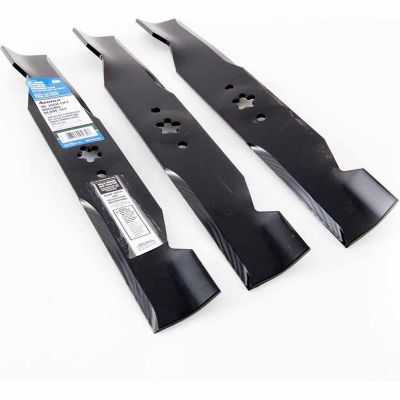
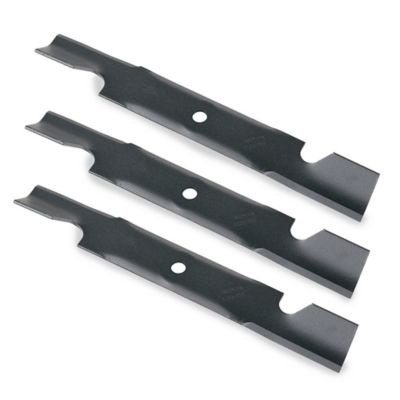
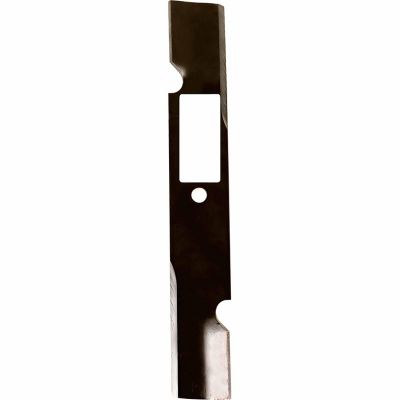
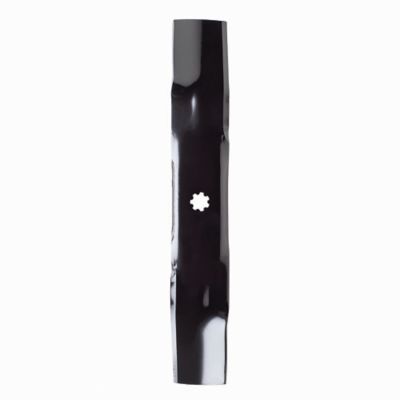
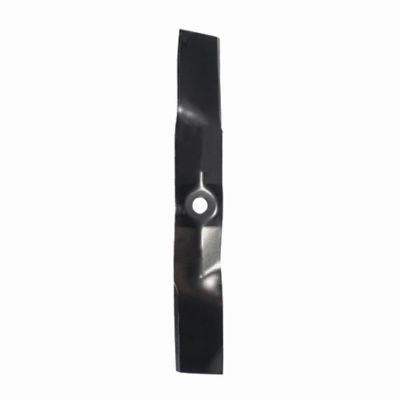
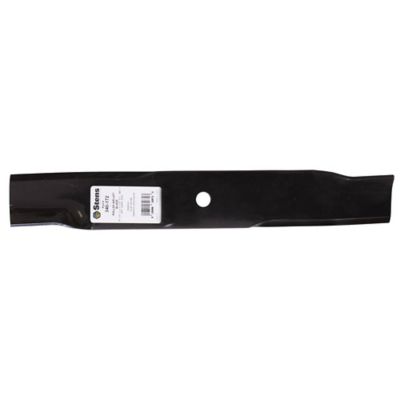
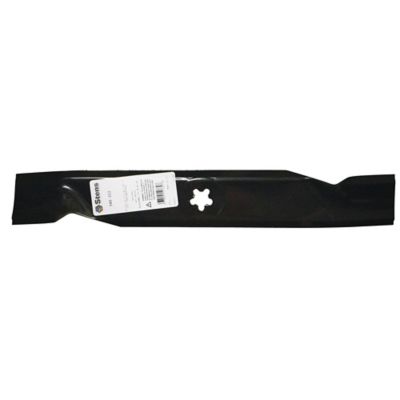
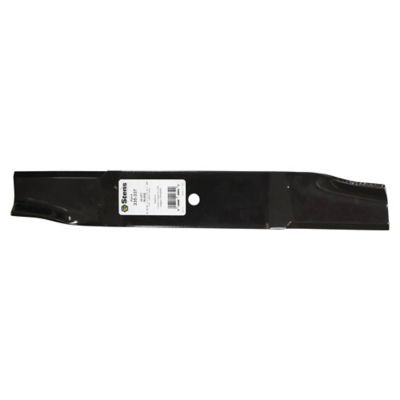
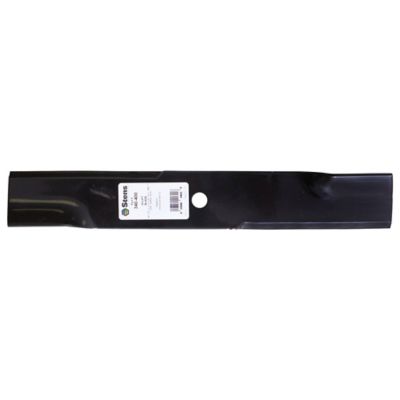
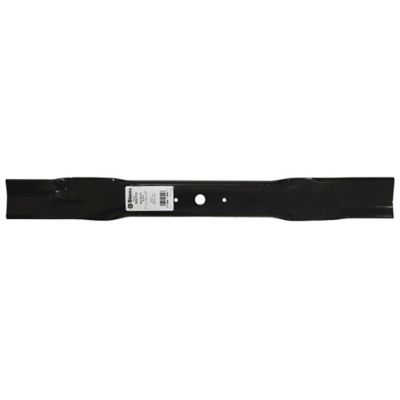
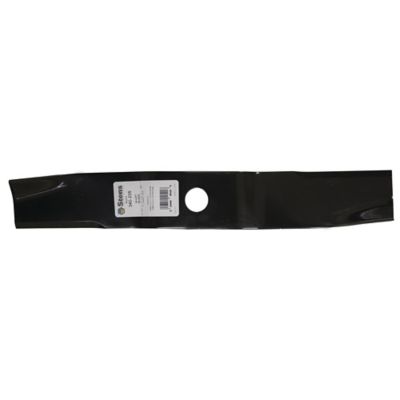
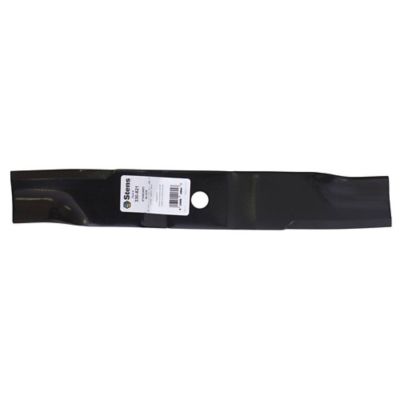
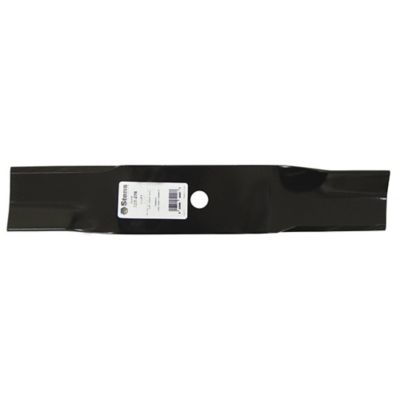
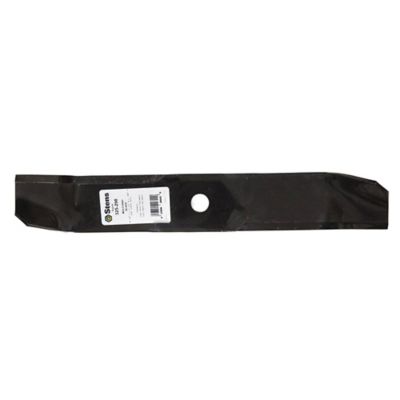
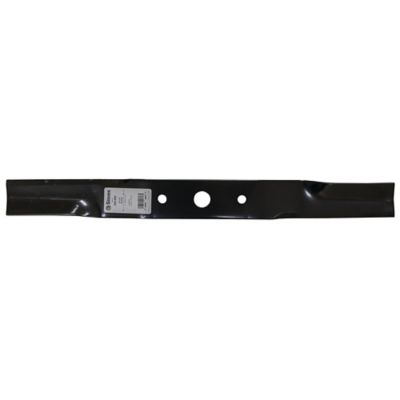
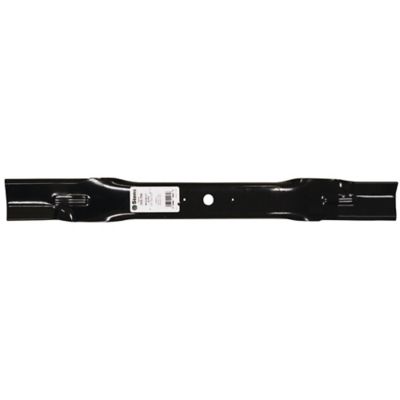
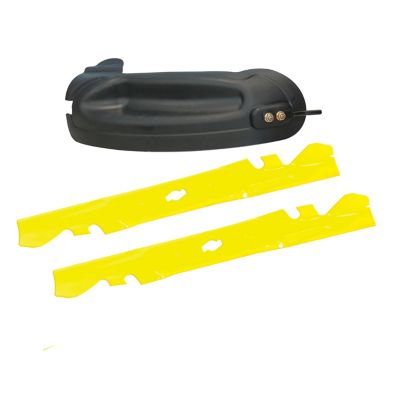
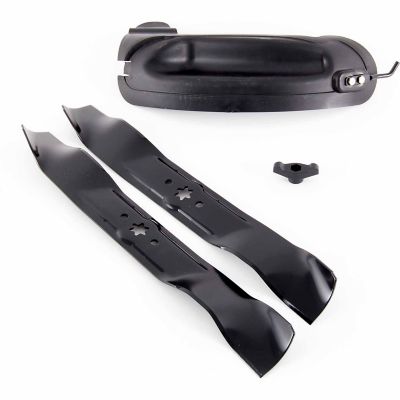
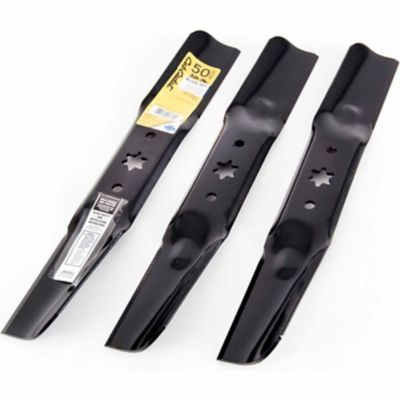
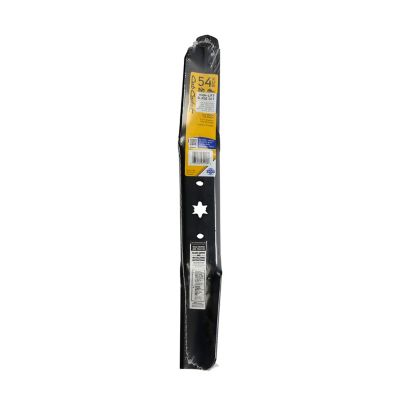
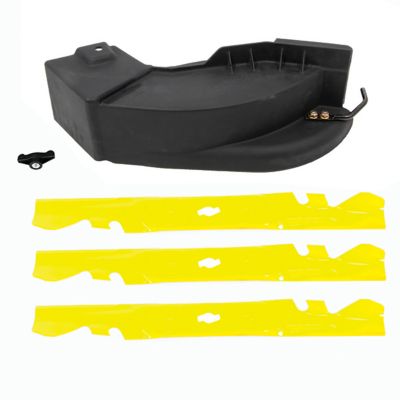
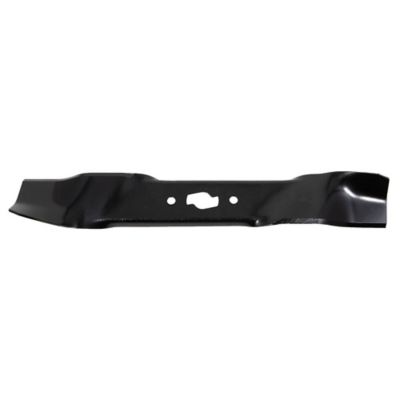
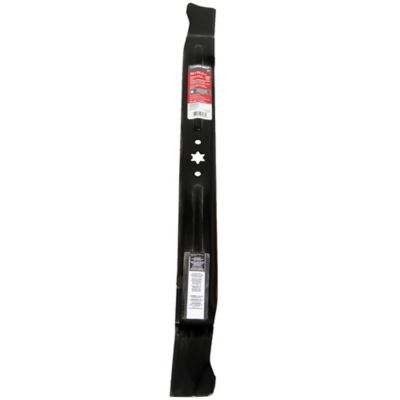
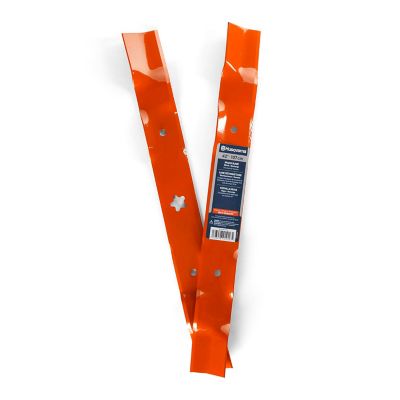
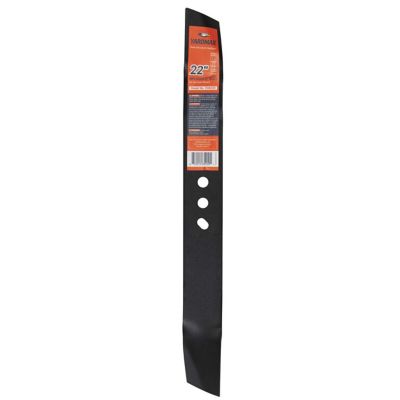
A 48-inch mower deck commonly uses a set of three individual lawn mower blades, giving a riding mower or lawn tractor the cutting width needed to handle larger yards, fields, and open stretches of grass without making endless passes. Replacement blades can help restore a clean, even cut when the old set has become dull, bent, chipped, or worn thin from regular work. They are useful for homeowners with sizeable lawns, acreage owners maintaining paths and open areas, and anyone who relies on a riding mower to keep grass under control around barns, sheds, driveways, and fence lines. A fresh set of blades can also be a practical gift for a property owner who takes pride in a well-kept yard, especially when paired with other basic mower-maintenance supplies. Before adding 48 inch lawn mower blades to your cart, identify the mower’s exact make, model, deck style, and original equipment manufacturer part number. A 48-inch deck does not guarantee that every 48-inch blade set will fit. Blade length, width, thickness, center-hole design, outside mounting holes, and the direction of rotation can vary from one machine to another. Center holes may be round or shaped, including star-style patterns, and even a small difference in the mounting pattern can keep a blade from seating properly. Check the owner’s manual, the identification tag on the mower deck, or the number stamped on the original blade. Measuring the old blade can help confirm the size, but the mower’s part number remains the most dependable way to make a match. Never rely on appearance alone, and do not install a blade that needs to be forced onto the spindle. A proper fit keeps the blade balanced and helps protect the spindle, deck, belt, and other mower components during use.
Blade style also makes a difference in how clippings move beneath the deck and what kind of finish you get across the lawn. Standard or low-lift blades are a solid choice for routine mowing on dry, regularly maintained grass. Their lower lift can help limit dust and loose debris when the ground is dry, which is handy on long drives around a rural property. High-lift blades have a more pronounced curve that creates stronger airflow, helping move taller grass and clippings up through the discharge chute and into a bagger. They can be useful when grass has grown quickly, when you are clearing a thicker area, or when collecting clippings is part of the job. Mulching blades are shaped to keep clippings circulating under the deck so they can be cut into smaller pieces before returning to the lawn. Those fine clippings can break down and add organic material when mowing conditions are right, though a mulching setup works best when you mow often enough that the grass is not excessively tall or wet. Deck design matters, too. Stamped and fabricated decks may call for different blade shapes, and a blade intended for one deck may not provide the right clearance or cutting pattern in another. Consider the grass you usually manage, whether you bag or discharge clippings, how often you mow, and whether dust, tall growth, or fine mulch is the bigger concern. In early fall and through the cooler stretch of the year, lawns may grow more slowly, but leaves, damp grass, and hidden sticks can still put extra strain on the cutting edge. Keeping a suitable replacement set on hand can save a trip to the store when a blade gets damaged during cleanup or when mowing resumes as weather warms.
Good blade care starts with safe handling. Park the mower on a level surface, turn off the engine, remove the key, disconnect the spark plug wire or battery as recommended by the manufacturer, and wait for all moving parts to stop before working beneath the deck. Use sturdy gloves, support the deck securely, and follow the mower manual for removal and installation. The cutting edges should face the proper direction, and mounting hardware should be tightened to the manufacturer’s specifications rather than guessed by feel. A blade that is installed backward, mounted unevenly, or left loose can deliver a poor cut and create a serious safety hazard. Inspect blades regularly for nicks, bends, deep rust, and thinning metal. Small dull spots can often be addressed through proper sharpening, but a blade that is cracked, badly bent, or worn past its original shape should be replaced instead of repaired. It is also smart to check the blade balance after sharpening, since an uneven blade can cause vibration that you feel through the mower and hear across the yard. Excess vibration, ragged grass tips, uncut strips, and a mower deck that shakes are all signs that the blades or related deck components deserve attention. Store replacement blades in a dry place away from loose tools and moisture, and keep the part number recorded with your mower paperwork for easier reordering. For other mower sizes and cutting setups, browse
30 Inch Lawn Mower Blades to compare options suited to smaller decks. With the right fit, blade style, and routine inspection, a 48-inch mower blade set can help keep each pass smooth and the finished lawn looking neat across changing grass conditions.