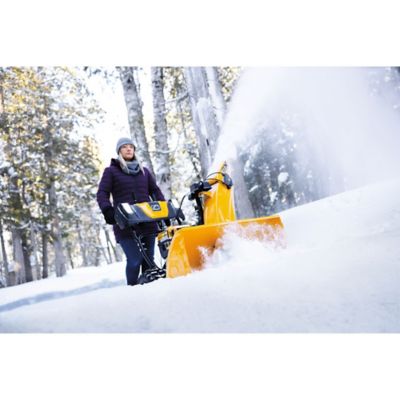
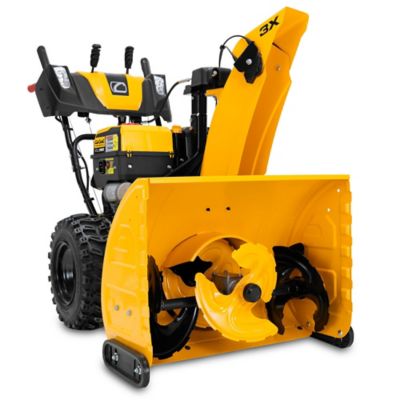
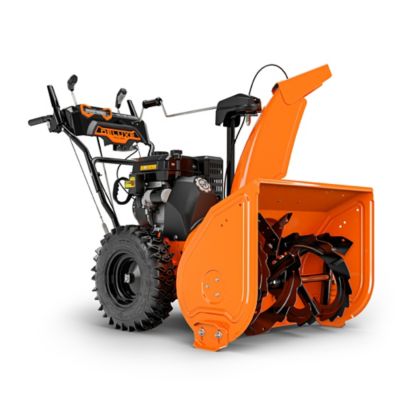
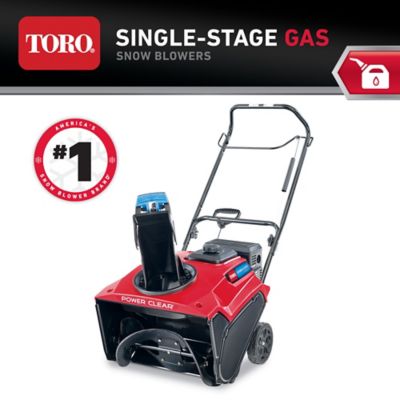
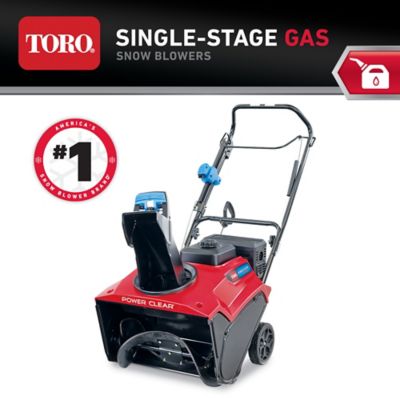
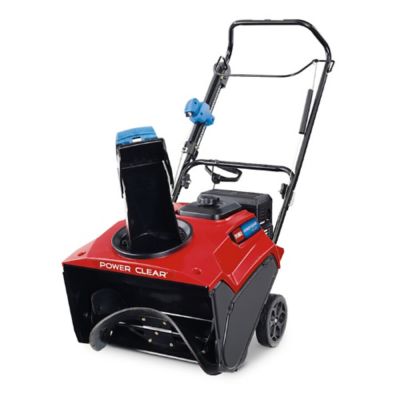
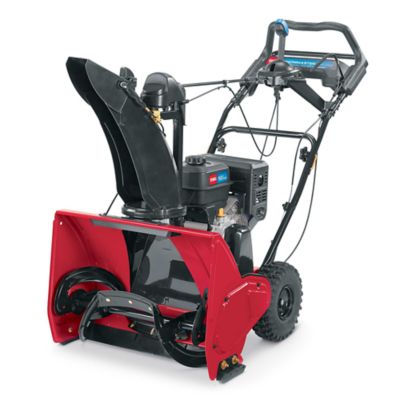
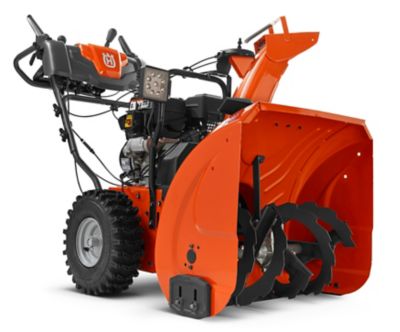
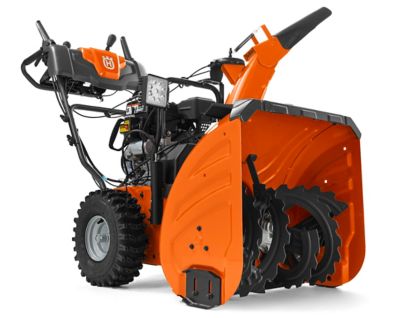
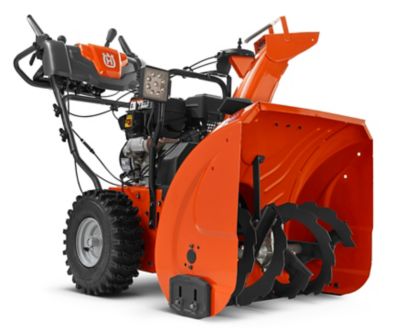
A 28 inch snow blower is a solid choice for folks who have more ground to clear than a shovel can reasonably handle. With a clearing width of about 28 inches, these machines are built to make quicker work of wide driveways, long sidewalks, private roads, barn approaches and paths around larger properties. They are especially handy where snow piles up deep, drifts across the lane or gets packed hard at the end of the driveway after a plow passes. Many models in this size range are two-stage snow blowers, using a front auger to break up snow and ice before an impeller sends it through the discharge chute. That setup helps move heavy, wet snow as well as lighter powder, while a tall intake housing can help take on deeper accumulation without forcing you to make as many passes. Some machines use a three-stage design with an added accelerator to break through dense, icy buildup more aggressively. When comparing 28 inch snow blowers, pay attention to the listed intake height, clearing capacity and recommended use for your property. A wide machine can save time on an open driveway, but a narrower model may be easier to maneuver along tight walkways, between parked vehicles or around landscaping. Measure gates and storage doors before buying, too, since a machine that fits the driveway still needs a safe, dry place to live when the snow melts. A sturdy scraper bar, adjustable skid shoes and durable tires or tracks can make a real difference when clearing uneven pavement, gravel and packed snow. Skid shoes help keep the housing from digging into the surface, while a scraper bar helps gather snow close to the ground. For gravel drives, raise the skid shoes enough to avoid pulling loose stone into the auger. On paved surfaces, a lower setting may help clear closer to the pavement. Take a little time to look over the operator’s manual and adjust the machine before the first storm, because small setup details are easier to handle in the garage than with gloves on during a blowing snow.
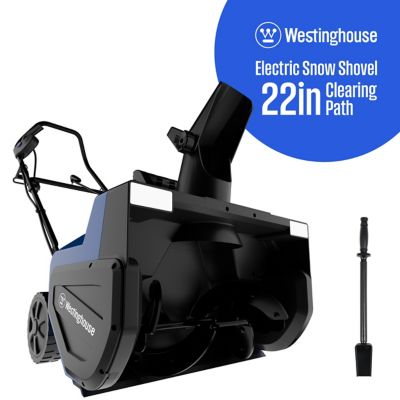
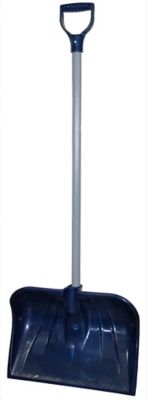
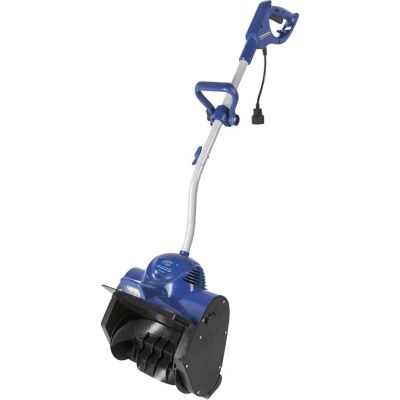
Power choice is another important part of shopping for a 28 inch snow blower. Gas-powered models are a familiar fit for larger rural properties and can be useful when storms last for hours or when clearing needs to happen far from an outlet. Engine size, fuel capacity, starting system and transmission options all affect how a machine feels during a long job. Electric start can be a welcome feature on cold mornings, saving your shoulder from repeated pulls when the engine is chilled. A self-propelled drive system is also worth considering, particularly for sloped driveways, deep snow or heavier machines. Multiple forward speeds let you match the pace to the conditions, while reverse settings make it easier to back out of a tight spot. Battery-powered models offer quiet operation, no fuel mixing and less routine engine maintenance, making them a convenient option for homeowners who already use cordless outdoor equipment. Check the expected runtime, charging time and battery storage recommendations, especially if your property has a long drive or you regularly clear several areas in one session. In very cold weather, batteries may perform differently than they do in mild conditions, so storing them according to the manufacturer’s directions matters. Regardless of power source, chute controls deserve a close look. A chute that rotates easily and a deflector that adjusts the throwing angle help direct snow away from doors, vehicles, roads and walkways. Some controls are mounted near the operator’s position, allowing adjustments without stepping away from the handles. Heated handgrips, bright LED headlights and an easy-to-reach control panel can add comfort and visibility when the storm arrives before daylight or keeps falling into the evening. Those features may sound like small extras until you are clearing a long drive with cold hands and snow blowing sideways. For smaller areas, short paths or steps that a full-size machine cannot reach, a compact tool such as
Power Snow Shovels can work alongside a larger snow blower rather than replacing it.
Before putting a 28 inch snow blower to work, clear the area of hoses, toys, branches, wire, newspaper and other objects that can hide beneath fresh snow. Mark the edges of gravel drives, raised walkways and garden borders with tall stakes before the ground disappears under winter weather. Always keep hands and feet away from the auger and discharge chute, shut the machine off and follow the manufacturer’s clearing procedure if snow becomes lodged. Never point the chute toward people, pets, windows or parked equipment, and keep children and animals indoors while the machine is running. Good traction matters as much as engine power, so look for deep-tread tires or track-style drive when your property includes hills, ruts or frequent drifting. Keep fresh fuel on hand for gas equipment, inspect belts and shear pins as recommended, and check tire pressure before the first use. Battery models should be charged and stored in a suitable location, while all snow blowers benefit from being cleaned and dried after each job. A light coat of approved lubricant on moving parts, along with end-of-season maintenance, can help protect the machine until the next round of cold weather. A 28 inch snow blower can be a practical addition for homeowners with broad driveways, landowners maintaining access to outbuildings, small businesses clearing customer paths and families sharing snow duties across a large property. It may also be a thoughtful gift for someone moving into a rural home, taking on a longer driveway or replacing an aging machine, especially when the gift is matched to the recipient’s terrain and storage space. Consider who will operate it, how far snow must be thrown, whether the surface is paved or gravel and how often deep snow is expected. A well-matched machine can turn a heavy morning chore into a steady, manageable job, leaving a clean path from the house to the road and giving everyone a safer way to get where they need to go during the cooler months.