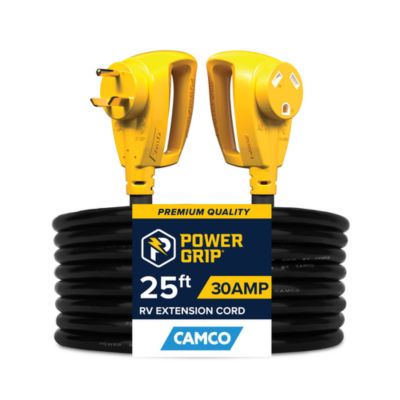
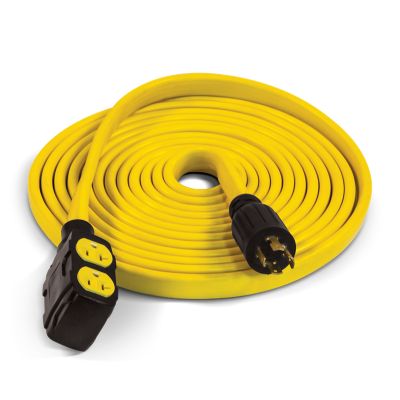
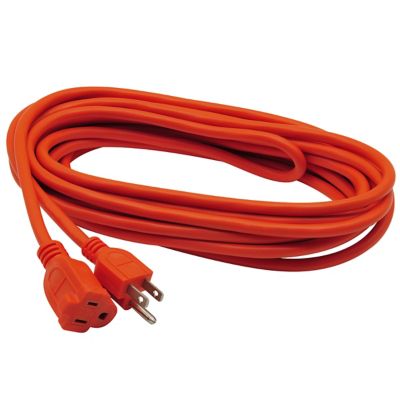
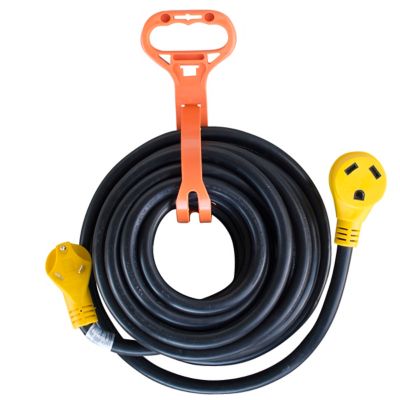
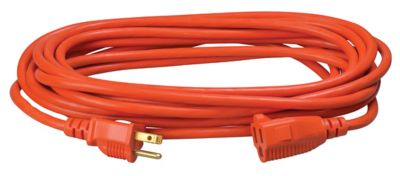
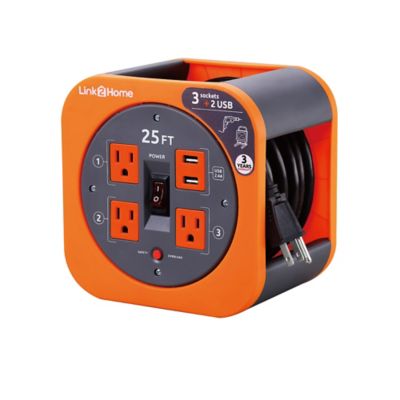
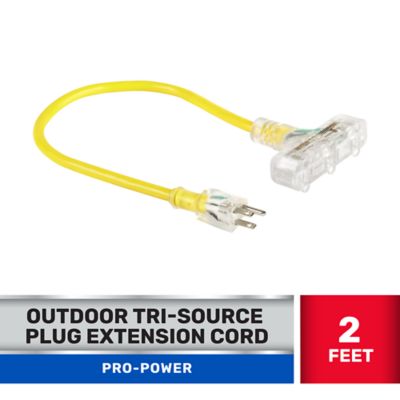
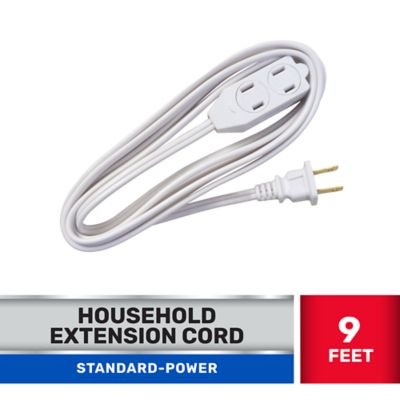
A 25-foot extension cord brings power within reach when the nearest outlet falls short of the job. That length can cover the space between a garage receptacle and a workbench, reach a repair project beside the shed, or connect a corded tool near the house without leaving a large pile of extra cable underfoot. For homeowners, farm owners, woodworkers, and folks who spend their spare time fixing equipment, 25 ft extension cords offer a practical middle ground between a short connection and a long run across the property. The right match depends on more than length, though: wire gauge, amperage rating, plug configuration, and indoor or outdoor designation all matter. A 25-foot cord provides a set amount of reach, not a set amount of electrical capacity. Two cords of the same length may support different loads, even if their jackets look much alike. A light-duty connection for a small task light has different demands than a cord powering a saw on a pair of sawhorses. Tools with motors can also draw extra current at startup, making the equipment manufacturer’s cord requirements especially important. The route between the outlet and the work matters just as much as the straight-line distance. Reaching around a bench or keeping the cable clear of a walkway takes up some of those 25 feet, and the connection should have enough slack to avoid pulling on either plug. For jobs that sit farther from an outlet,
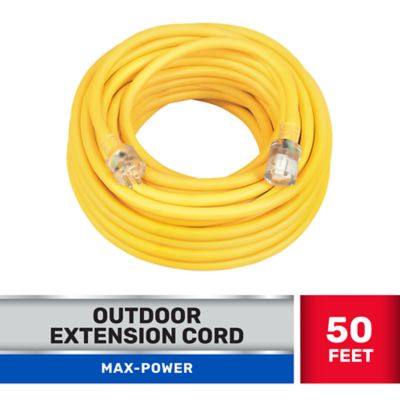
50 Foot Extension Cords provide another length to consider, with wire size and load ratings checked for that longer run. One properly rated cord that reaches the job is a better fit than connecting several shorter cords together. For nearby work, a suitable 25-foot length keeps the setup easier to manage and gives less excess cable to gather when the job is done.
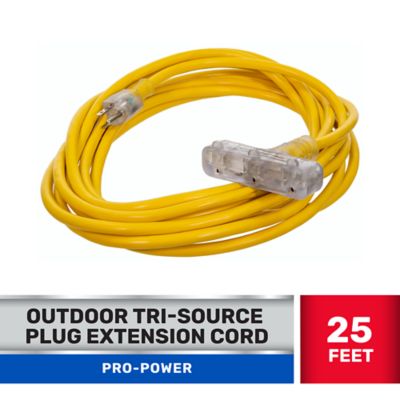
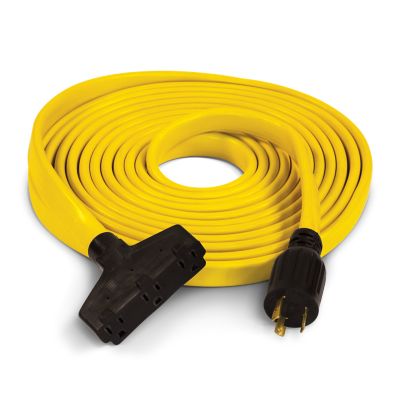
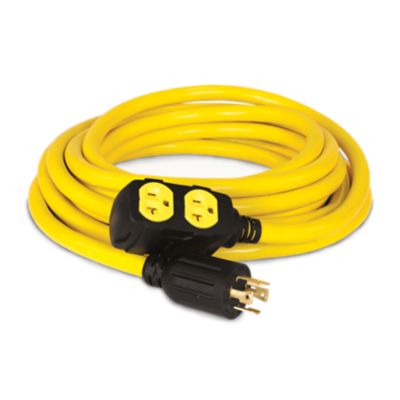
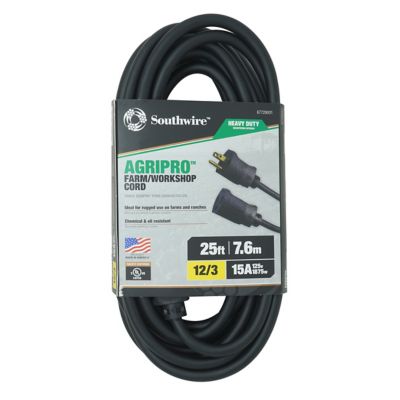
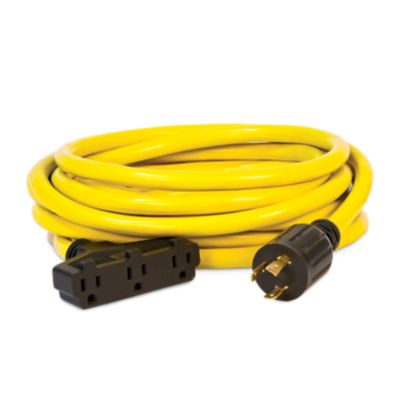
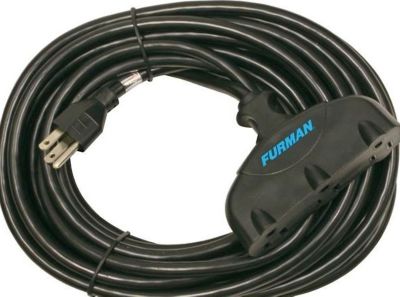
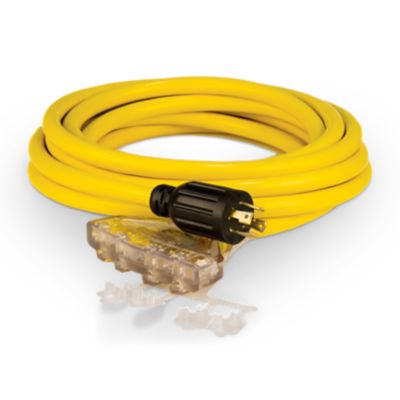
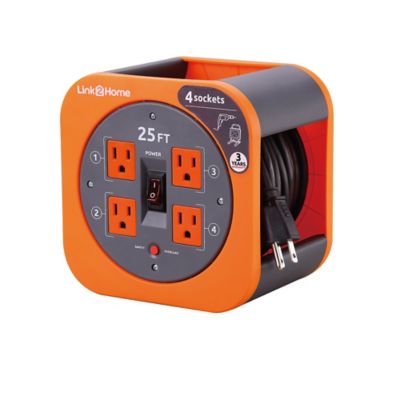
Wire gauge is one of the most useful details when comparing 25-foot extension cords. The American Wire Gauge number, often shortened to AWG, works backward from what some shoppers expect: a lower number means a thicker conductor. With other factors equal, thicker conductors have less electrical resistance and help limit voltage drop under load. Common cord markings include 16/3, 14/3, and 12/3, where the first number identifies the gauge and the second identifies the number of conductors; on a typical grounded extension cord, those three conductors include the grounding wire. A 25-foot, 16-gauge cord may carry a rating of 13 amps, or 1,625 watts at 125 volts, while many 14-gauge and 12-gauge household-style cords carry a 15-amp rating. Those figures are examples, not a substitute for the rating printed on the actual cord. A thicker cable does not automatically make its plugs, receptacles, or the supplying circuit capable of carrying more current. Likewise, a 10-gauge cord with a 15-amp plug is not a 20-amp connection simply because it has larger conductors. For a shop vacuum clearing sawdust, a drill driving fasteners, or a saw cutting boards for a fence repair, match the cord’s marked capacity to the equipment’s electrical demands and follow its specified gauge for the distance. Equipment with a large motor may call for a heavier gauge even when its running amperage appears modest. Plug fit deserves the same attention. Grounded tools need a compatible three-prong connection with an intact grounding pin, while equipment with a different voltage or plug pattern requires the appropriate cord and power source. Multiple outlets on a cord end can be handy for small loads, but they share the cord’s total capacity rather than each providing a separate allowance. A cord rated for 15 amps cannot supply 15 amps to every connected device at once. These differences make the printed electrical specifications far more useful than judging a cord by its color or thickness alone.
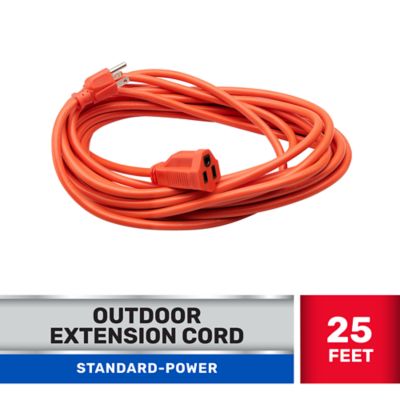
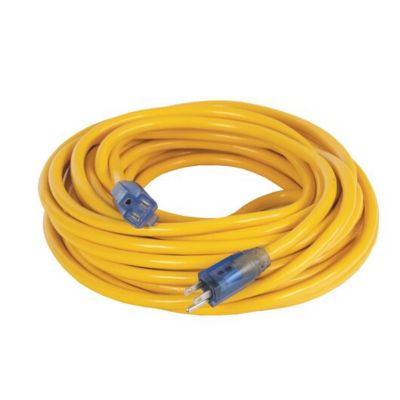
The outer jacket and end fittings help determine how well a 25-foot extension cord suits the places it will work. Flexible vinyl and rubber or elastomer jackets appear across extension cord designs, with different constructions offering different levels of resistance to abrasion, oil, and repeated bending. Those properties should come from the cord’s markings and manufacturer specifications rather than its appearance. A smooth concrete garage floor presents different wear concerns than a gravel path or a work area with metal edges. Reinforced plug ends and strain relief help protect the points where the cable meets the fittings, especially when the cord gets gathered and put away after each job. Outdoor work calls for an outdoor-rated cord, and outdoor rating does not make a connection suitable for submersion or every wet location. Ground-fault circuit-interrupter protection is important for outdoor work and wherever required; plugs and connections still need protection from water. Bright jacket colors can make a cable easier to spot against a shop floor or beside a work area, though visibility does not replace keeping it out of foot traffic and vehicle paths. Some cord designs include a lighted end that indicates power is present, but that light does not confirm grounding or show that the load is safe. Care is straightforward: check for cuts, flattened sections, loose fittings, missing grounding pins, and discoloration before plugging in, and take damaged cords out of service rather than covering damage with tape. Lay the cord out fully during operation so heat can dissipate, keep it away from moving parts and sharp edges, and disconnect by gripping the plug instead of pulling the cable. Afterward, a loose coil helps prevent tight bends and makes the next setup less of a tangle. Store cords away from chewing animals and places where tools or equipment could crush them. Extension cords belong in temporary setups, not through walls, under rugs, or in place of permanent wiring. With the right electrical rating and construction, a 25-foot cord can be a handy part of the everyday repair kit, ready for work that needs a little more reach.