A 25-foot garden hose gives you a manageable length for watering and cleanup jobs close to an outdoor faucet. It fits the kind of work that happens around a porch, a small backyard, a raised bed beside the house or a wash area near the barn. There’s enough hose to move between nearby tasks without dragging a long coil across the yard, provided the path from the spigot leaves room to work. For someone watering a row of porch pots or rinsing dirt from a wheelbarrow, that shorter reach can mean less hose to carry, untangle and put away. The listed length describes the hose itself, not a guaranteed working radius: faucet height, turns around steps and slack at the nozzle all take up part of those 25 feet. A straight stretch along a flower bed needs less extra length than a route around a parked truck or through a gate. Leaving some slack also keeps the hose from pulling hard against its connections while you move. These hoses suit homeowners with compact yards, gardeners tending beds near a water source and folks who want a separate hose for a particular chore rather than moving one long hose around the property. A short hose can also connect a faucet to nearby watering equipment, as long as the connections and operating requirements match. For beds farther from the house or work areas beyond a nearby spigot,
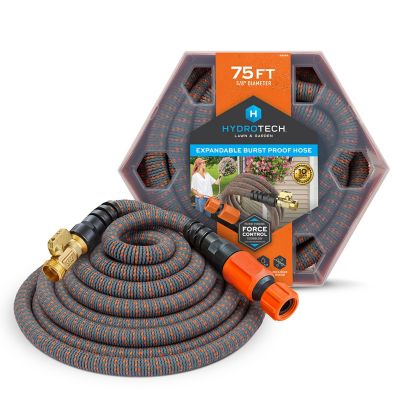
75 Ft Garden Hoses offer more reach, though the added length means more hose to handle and store. Within the 25-foot category, the main differences come down to construction, inside diameter, fittings and how the hose behaves when you pull it around a corner or coil it after a job. Length helps narrow the choice, but those other details determine whether a hose feels right for a quick watering round, regular scrubbing or repeated trips between containers along a fence.
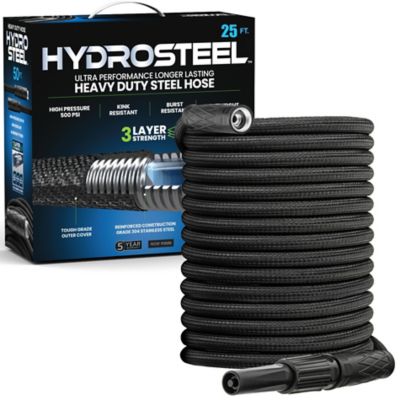
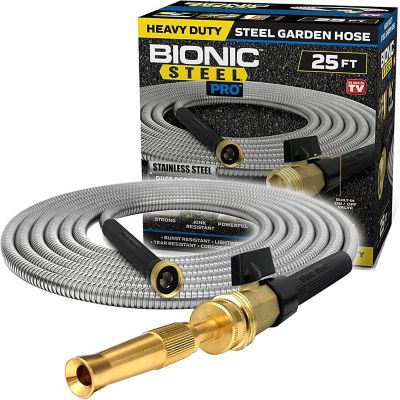
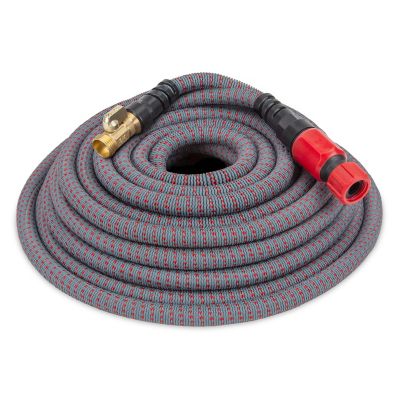
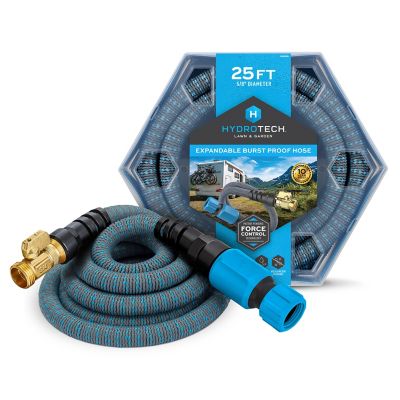
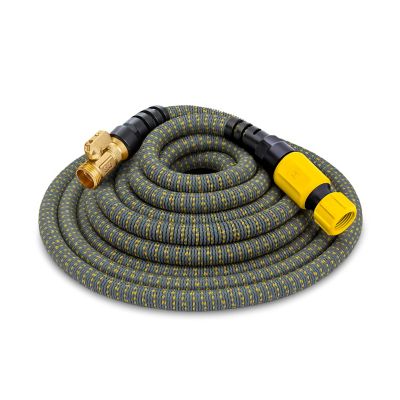
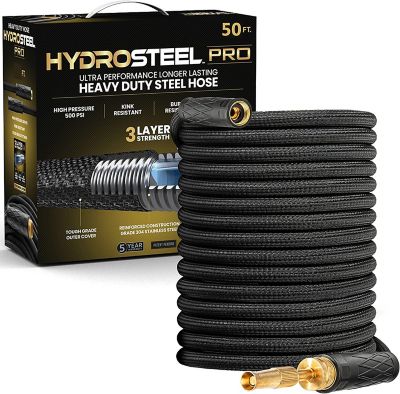
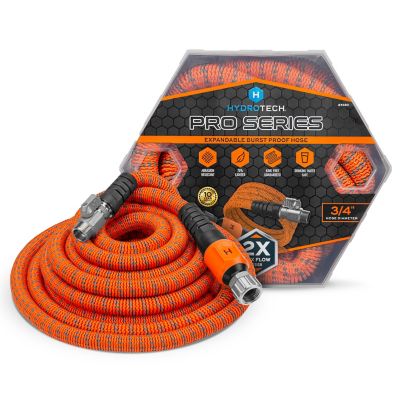
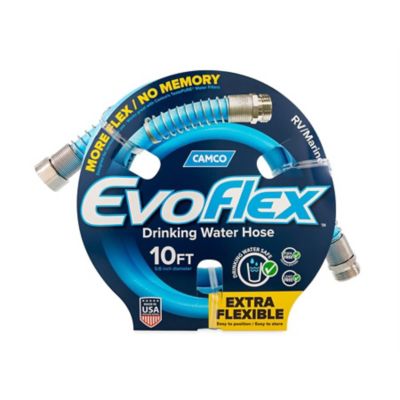
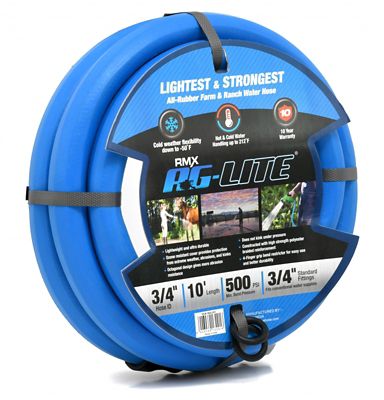
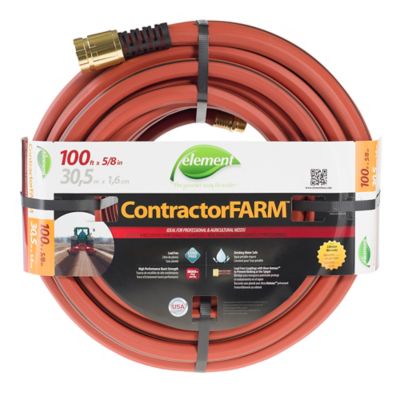
Garden hose materials affect weight, flexibility and resistance to everyday wear. Vinyl hoses are often lighter to carry and can be a practical fit for occasional watering near the house. Their resistance to kinking and scuffing depends on wall thickness and reinforcement, so material alone doesn’t tell the whole story. Rubber hoses generally have more heft and can suit frequent watering and cleanup, especially where the hose spends plenty of time moving across the ground. That extra weight is worth considering if lifting a filled hose or winding it onto a hanger is difficult. Hybrid polymer construction can offer a balance of flexibility and manageable weight, though bending behavior varies by design. Reinforced layers help a hose hold its shape under pressure, while an outer jacket helps protect the water-carrying tube from contact with soil, paving and other surfaces. Hoses with a stainless steel outer shell offer another construction style; the metal covers an inner tube rather than serving as the water passage itself. That shell can help shield the tube from abrasion, but it doesn’t make every hose immune to damage or suitable for being driven over. Expandable designs take up less space when drained and reach their stated working length under the conditions specified by the manufacturer. Their reach and handling depend on water pressure and construction, making those details especially important when the farthest planter is near the limit of a 25-foot run. No material eliminates the need to keep a hose clear of sharp edges, mower blades and vehicle tires. Around a gravel walk or rough barn threshold, abrasion resistance may matter more than having the lightest coil on the hook. Beside a porch, easy handling and tidy storage may carry more weight. The best match is the construction that suits the surface, frequency of use and person doing the watering, rather than a material name by itself.
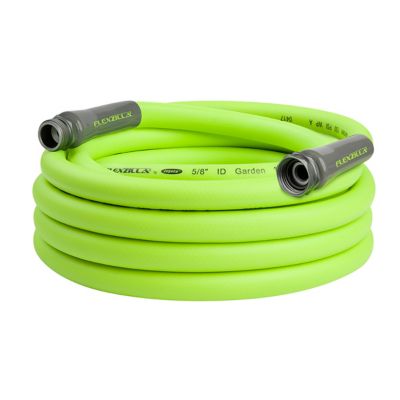
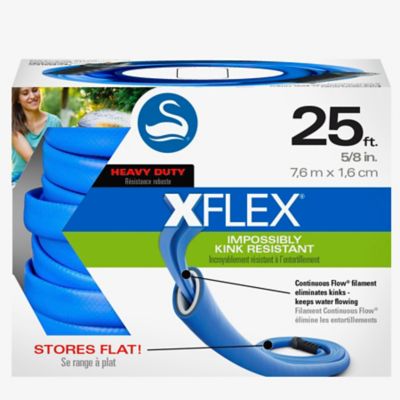
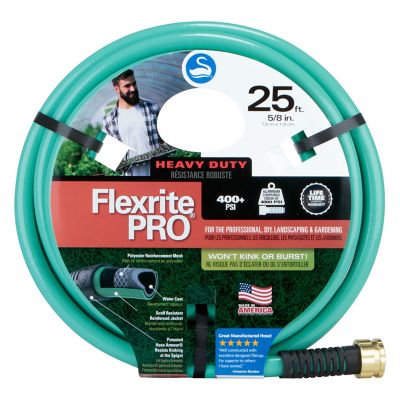
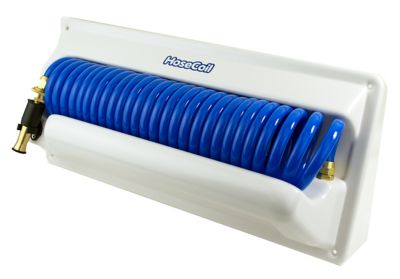
Inside diameter and connection size deserve a close look because they describe different parts of a 25-foot garden hose. A 5/8-inch inside diameter is common for general yard watering and rinsing, while a 1/2-inch passage may suit lighter watering needs and reduce the amount of water weight in the hose. With other conditions equal, a larger inside diameter allows greater flow with less pressure loss; actual output also depends on the faucet supply, nozzle and any attached equipment. Many household garden hoses have nominal 3/4-inch garden hose thread connections, even when the hose’s inside diameter is smaller. Matching the thread type matters more than assuming two parts fit because their stated measurements look similar. Brass, aluminum and other coupling materials vary in weight and resistance to wear, while generous gripping surfaces can make connections easier to tighten by hand. A properly seated washer does much of the work of sealing a standard hose connection. If water drips at the faucet, a missing or flattened washer may be the cause rather than a problem with the entire hose. Swivel fittings and reinforcement near the ends can help with handling, but connections still need room to sit without a sharp bend. For watering containers, a compatible wand or gentle spray nozzle helps reach beneath leaves without washing soil over the rim; for rinsing muddy boots or a garden cart, an adjustable nozzle gives more control over the stream. Water intended for people or animals calls for a hose specifically labeled for drinking-water use, not an assumption based on its appearance or material. Routine care is straightforward: shut off the faucet, release pressure, drain the hose and coil it without tight twists. A broad hanger or suitable reel supports the coil without pinching it. Keeping threads clean and checking washers helps make the next hookup smoother. Those small details keep a short garden hose ready for the everyday chores that gather around a handy outdoor faucet.