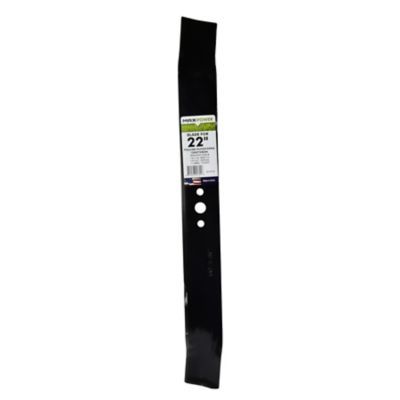
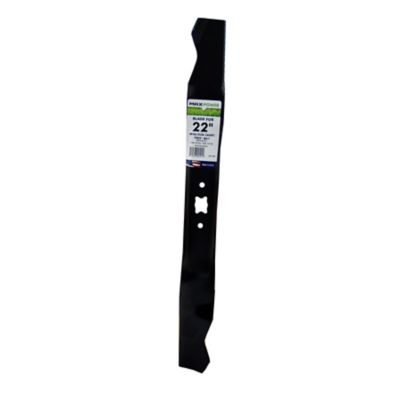
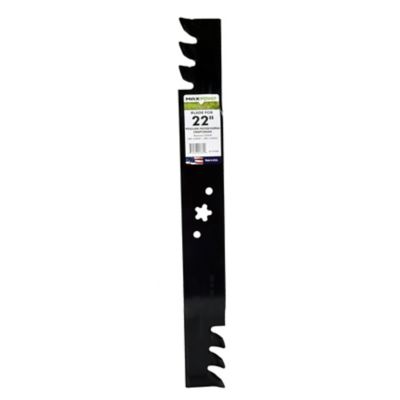
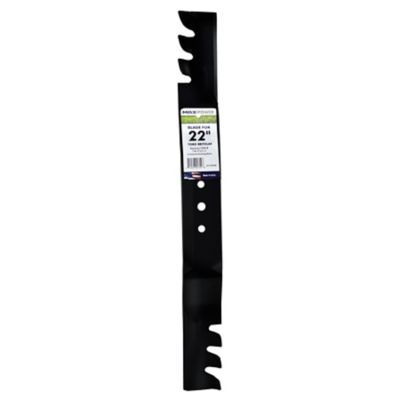
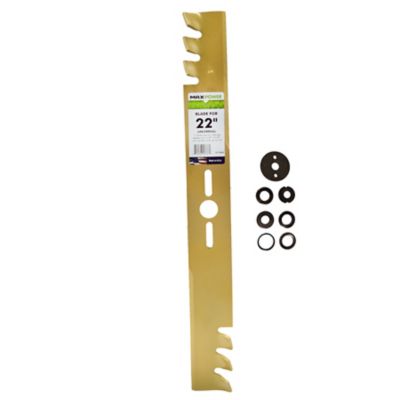
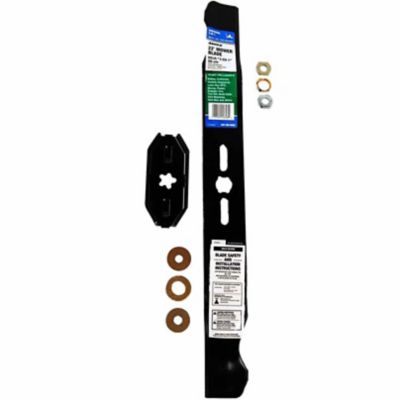
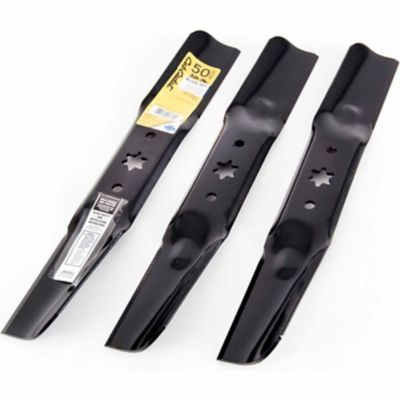
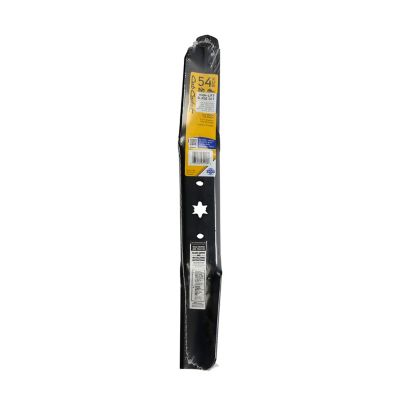
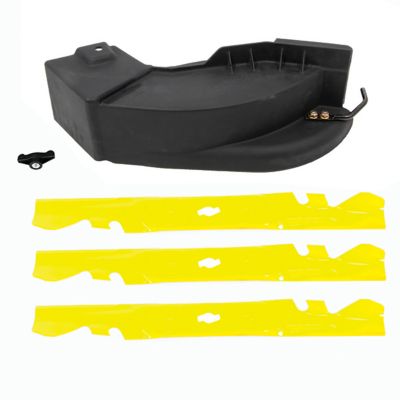
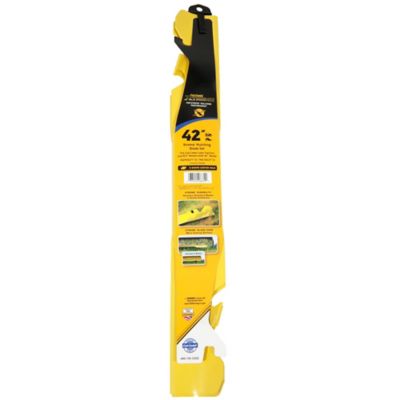
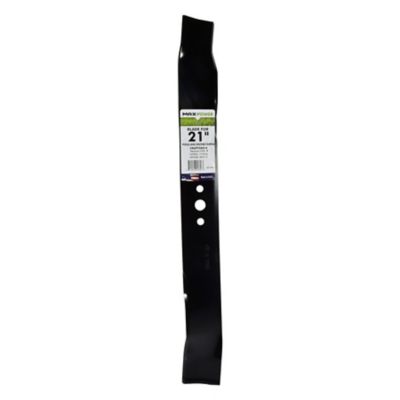
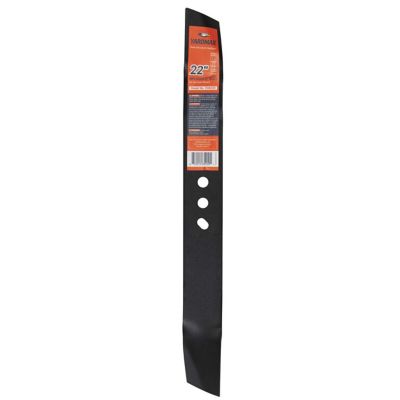
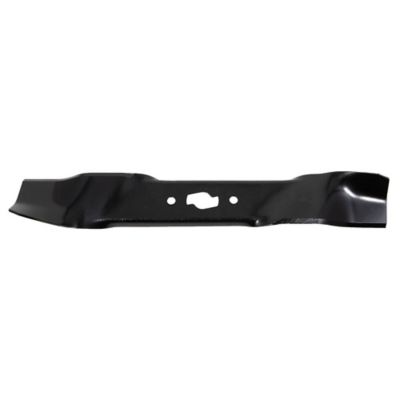
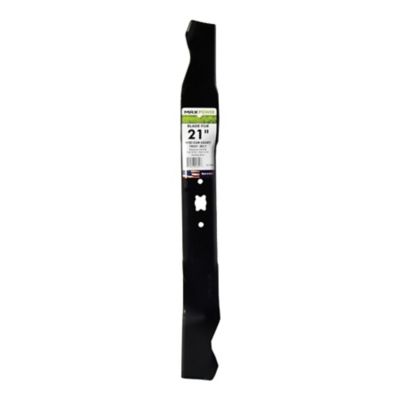
A 22-inch mulching blade is a practical replacement part for many walk-behind lawn mowers, especially when the original blade has become dull, bent, nicked, or too worn to give the yard a clean finish. Instead of simply throwing grass clippings out of the mower deck, a mulching blade is shaped to lift and recut clippings into smaller pieces. Those fine pieces can settle back into the lawn, where they break down and return a little moisture and organic matter to the soil. That makes a mulching setup useful for homeowners who like a tidy-looking yard without bagging every clipping, as well as for folks caring for small acreages, rental properties, camps, and farmsteads. A 22-inch blade is sized for a mower deck built around that cutting width, but the measurement alone does not guarantee a proper fit. Before adding one to your cart, check the mower’s make, model, year, and part number in the owner’s manual or parts guide. Measuring the old blade can also help confirm the length, center hole, outside holes, and overall shape. The center hole pattern may be round, bow-tie, star-shaped, or another design, and even blades with the same outside length may use different mounting patterns. Some replacement blades include adapters for more than one center-hole size, while others are made for a specific mower configuration. An adapter only helps when it matches the equipment and is installed correctly, so compare the listed fit details rather than relying on appearance alone. Keeping the old blade nearby while shopping is often handy; a quick look at its stamped measurements and mounting pattern can prevent the aggravation of ordering a part that looks close but will not seat securely.
The type of mower matters just as much as the blade length. Many heavy-duty replacement mulching blades are intended for gas-powered walk-behind mowers, while battery-powered and corded electric mowers may require a blade designed for that particular motor and deck. Electric mower blades can have different balance, weight, mounting holes, or operating requirements, and using an unsuitable blade may affect performance or create a safety concern. Follow the mower manufacturer’s instructions and confirm compatibility before installation. When it is time to change the blade, shut the mower off completely, disconnect the spark plug wire on a gas mower or remove the battery on a cordless model, and keep the power source away from the mower until the work is finished. Wear sturdy gloves when handling the old blade, since even a dull edge can be surprisingly sharp, and use the correct wrench for the retaining bolt. The replacement should sit flat against the mounting surface with the cutting edges facing the proper direction. Tighten the fastener to the torque listed in the mower manual instead of guessing, then make sure the blade turns freely by hand before restoring power. A blade that is installed backward, loose, damaged, or out of balance can leave strips of uncut grass, cause excess vibration, or place unnecessary strain on the mower. Inspect the blade periodically for cracks, deep gouges, bent sections, and excessive wear. Hitting a hidden rock, root, sprinkler head, or piece of fencing can do more than dull the cutting edge, so stop and inspect the mower after a hard impact. For a clean cut, mow when the grass is reasonably dry, avoid taking off more than about one-third of the grass height at a time, and slow down when the turf is thick or damp. During the cooler months, a sharp, correctly matched blade can help finish remaining mowing jobs neatly, while proper cleaning and dry storage will help protect the part and mower deck between uses.
These blades are a sensible addition to a homesteader’s workshop, a homeowner’s shed, or a shared equipment area where dependable mower maintenance matters. They can also make a useful gift for someone who spends weekends tending a large lawn, keeping a hunting property trimmed, or looking after paths and open ground around a rural home. A replacement blade is especially handy when paired with basic mower-care supplies, though fit information should always be confirmed before gifting one. Shoppers who maintain more than one mower may want to keep the model details and old part numbers written down in a toolbox or phone for easier reordering. If a mower uses a different deck size, explore options such as
36 Inch Mower Blades rather than trying to substitute a blade that is too short or too long. A proper match helps the mower cut evenly across the deck and keeps the blade within the housing’s intended clearance. Mulching performance also depends on the mower deck, engine or motor condition, grass height, and the condition of the underside of the deck. Clippings packed beneath the deck can interfere with airflow, so clean the mower only with the power disconnected and follow the equipment instructions for safe access. Avoid using a blade that has been welded, heavily sharpened into an uneven shape, or altered to fit a different mounting pattern. When sharpening is allowed by the manufacturer, both ends should be ground evenly and the blade should be checked for balance; replacement is the better choice when there is structural damage or significant wear. With the correct 22-inch size, matching center-hole pattern, suitable mower application, and careful installation, a mulching blade can help keep routine lawn work moving along from the first trim after summer heat through the last cleanup before winter.