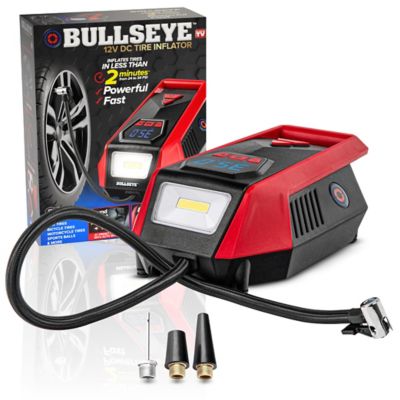
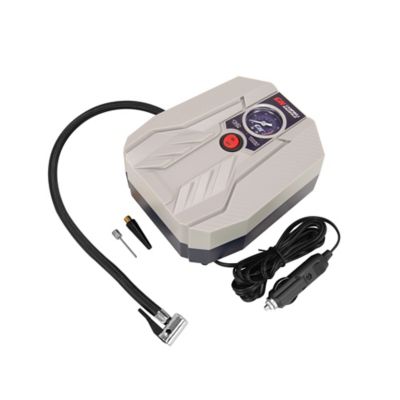
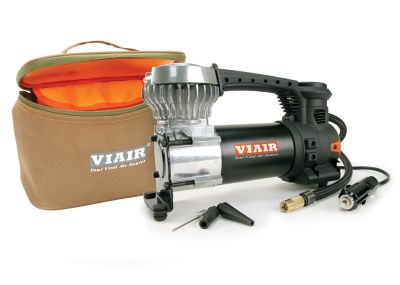
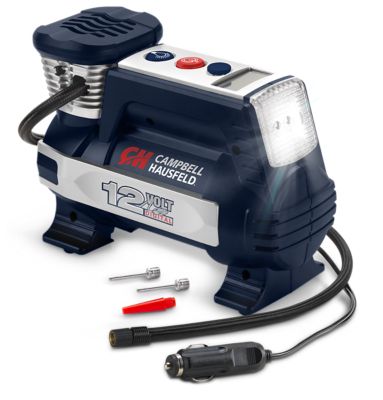
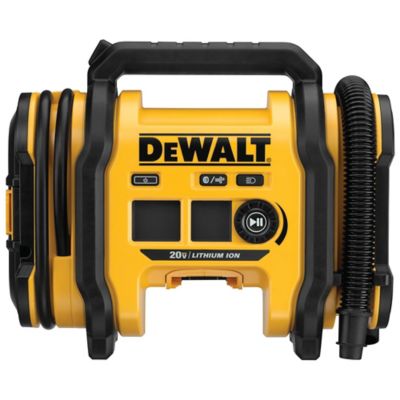
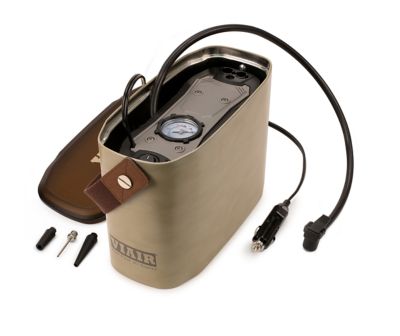
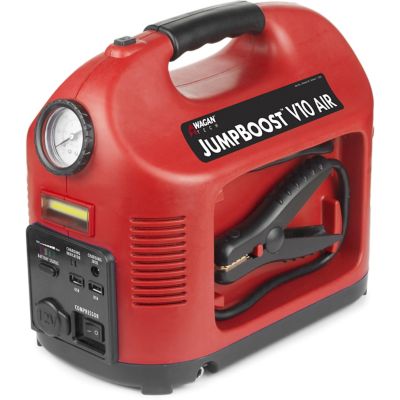
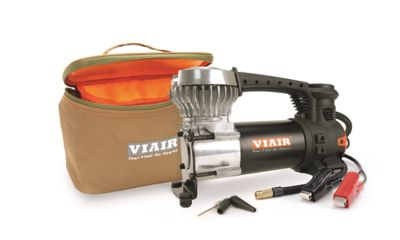
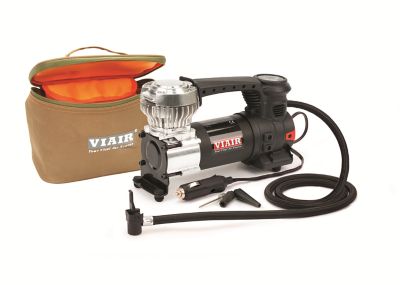
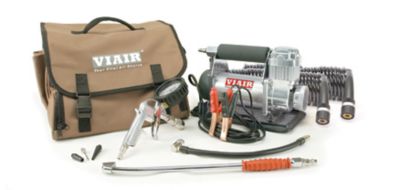
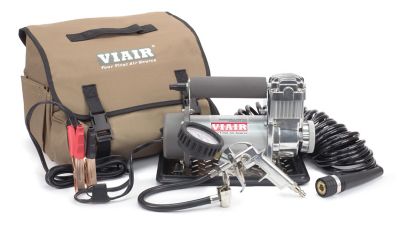
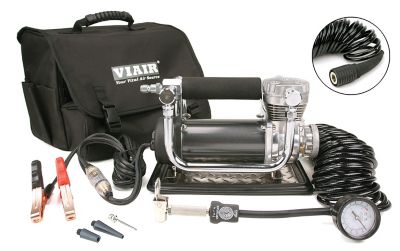
A 12V tire inflator is a portable air compressor that runs on a vehicle’s 12-volt electrical system, connecting through an accessory outlet or directly to the battery with clamps, depending on its design. It puts air within reach when a pickup tire needs a top-off before chores or a utility trailer needs attention ahead of a trip into town. These compact tools suit everyday tire maintenance around the driveway, barn, campsite and roadside, without requiring a full-size shop compressor or a nearby wall outlet. The best fit depends on more than the maximum pressure printed on the housing. Tire size, airflow, operating pressure and the inflator’s permitted run time all affect how well it handles the job. A small unit intended for passenger-car tires may take considerably longer to fill a larger truck tire, even if its pressure rating looks sufficient. For pickups, trailers and recreational vehicles, the manufacturer’s stated tire-size range and inflation-time testing give useful context, especially when the starting and ending pressures are listed. Electrical compatibility matters just as much. An outlet-powered inflator must stay within the vehicle outlet’s amperage rating, while a battery-clamp model needs the connection method and power supply specified in its manual. A 12-volt plug does not mean every vehicle socket can support every compressor. Cord and hose length also deserve a close look: reaching the far-side rear tire on a long-bed truck is a different task from reaching a front tire on a compact car. For a trailer, the distance from the tow vehicle’s power connection can be longer still. Having enough reach without stretching the cord tight or pulling sideways on the valve stem makes routine pressure checks a lot less awkward. That practical fit is what turns a small compressor into a useful part of the equipment that stays with the vehicle.
Pressure controls, gauges and hose fittings shape the everyday experience of owning a 12V tire inflator. Digital displays can make pressure readings easier to see, while analog gauges offer a straightforward dial with no screen menus to navigate. Some inflators provide a preset pressure setting and automatic shutoff, stopping inflation when the selected target is reached. That feature helps take the guesswork out of topping off a tire, but it does not replace checking the recommended pressure or confirming the finished reading with a separate tire gauge. For passenger vehicles, the cold-tire pressure listed on the vehicle placard or in the owner’s manual is the reference, rather than the maximum pressure molded into the tire sidewall. Trucks carrying changing loads and trailer applications may require additional guidance from the vehicle, tire or trailer manufacturer. A built-in light can help illuminate a valve stem beside a gravel drive after sundown, and a clear display is easier to read when the compressor sits down near the wheel. Threaded air chucks screw onto the valve stem for a secure connection; lever-style fittings offer another way to attach the hose, though wheel openings and valve placement can affect access. Brass fittings, metal compressor components and protective polymer housings are common construction details worth comparing alongside hose flexibility, base stability and handle placement. Cooler weather can make stiff hoses harder to position, especially around recessed valves. Heat matters, too: compressors generate it during operation, and the duty cycle sets limits on how long a unit can run before it needs a cooling break. Those limits vary by model and operating conditions. A larger housing or a higher maximum pressure rating alone does not establish how long the compressor can work. Clear run-time specifications, readable controls and accessible fittings often matter more during a real tire top-off than an extra feature that rarely leaves the storage bag.
Around a rural home, a portable tire inflator can earn its place alongside a tire gauge, work gloves and other vehicle essentials. It is handy for the commuter who leaves before daylight, the landowner moving between properties and the family pulling a small trailer for a weekend away. During the cooler months, falling temperatures can lower tire pressure, making periodic cold-tire checks especially worthwhile before longer drives or hauling days. Some 12V inflators also handle compatible lawn equipment tires, bicycle tires and sports balls, provided their pressure range, valve connection and attachments suit the application. Small tires and balls can reach their target pressure quickly, so fine control matters. Bicycle valves may need a separate adapter, and a tapered nozzle does not turn a tire compressor into a high-volume pump for every large inflatable. For shoppers comparing bundled equipment,
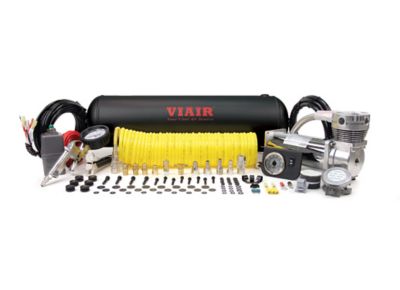
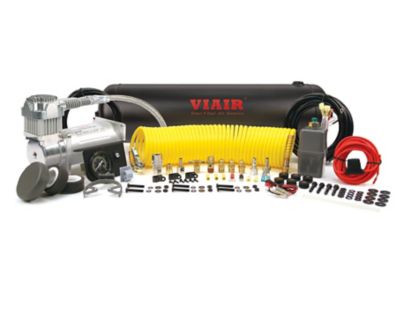
Tire Inflator Kits provide a related category to consider, with the included hose, fittings, carrying case and power connections worth checking against the work ahead. A compact inflator can also make a practical gift for a new driver, a camper or someone who keeps a pickup ready for daily chores, as long as it matches the vehicle and expected tire sizes. Storage and care help keep the tool ready between jobs. A dry compartment or carrying case protects the hose, cord and fittings from loose tools, grit and damp gear; allowing the unit to cool before packing it away protects nearby belongings from hot surfaces. Keeping air vents clear and checking cords, clamps and hoses for damage are sensible parts of regular upkeep. An inflator can restore pressure to an otherwise serviceable tire, but it cannot repair a puncture, reseat every unseated tire or make sidewall damage safe. A tire that repeatedly loses air needs inspection rather than another round of topping off. With the right electrical connection, enough reach and capacity matched to the tires, a 12V inflator keeps everyday air maintenance closer to where the work happens.