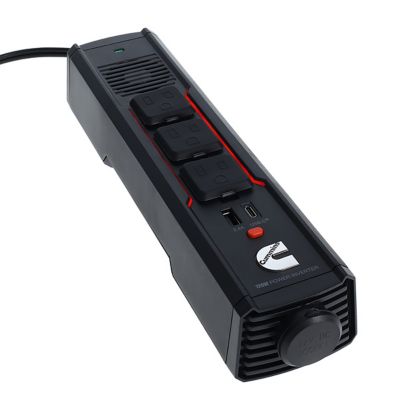
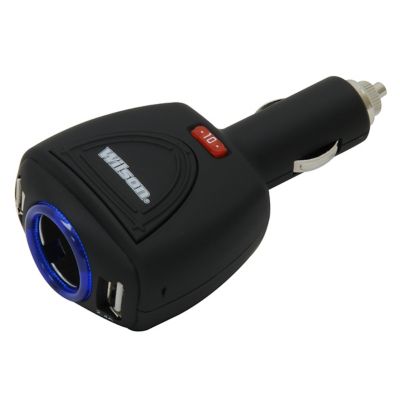
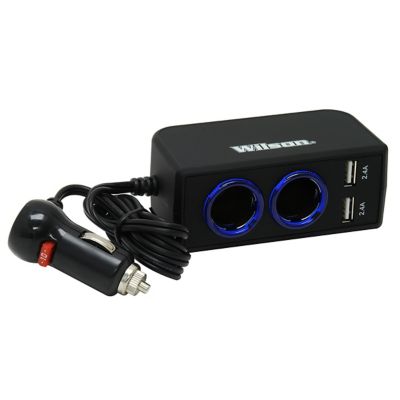
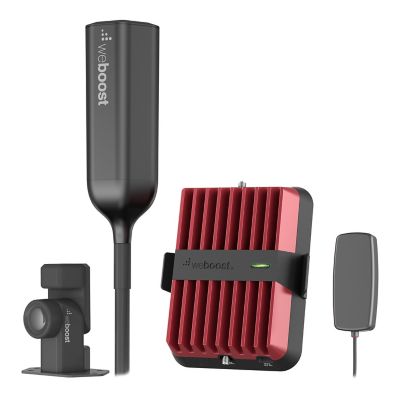
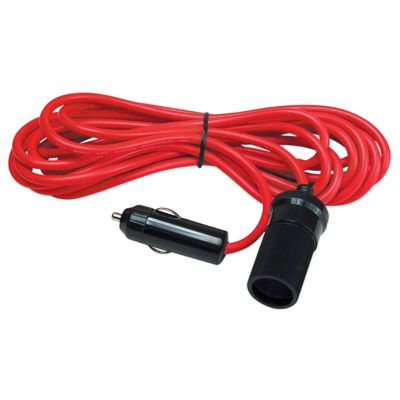
12V outlets supply direct current (DC) power from a vehicle’s electrical system to compatible accessories. Often called auxiliary power outlets or cigarette lighter sockets, these connections provide a handy place to plug in equipment without adding a separate battery for every task. They commonly serve trucks, cars and other vehicles with compatible 12V electrical systems, putting power within reach of the dash, console or cargo area. Around a farm or acreage, that can mean keeping a phone charged between stops, powering navigation equipment on a long haul or connecting a suitable portable air pump near the truck. The outlet is the connection point, though, not a charger or voltage converter by itself. Whatever plugs into it must accept the electrical supply and stay within the limits of the entire circuit. The “12V” name describes a nominal system voltage; actual voltage changes with battery condition and whether the charging system is running. That makes the accessory’s stated input range just as important as the shape of its plug. Not every round socket supports a cigarette lighter heating element, either, even when the opening looks familiar. Check the outlet’s intended function rather than assuming that matching shapes mean matching capabilities. Power behavior also varies by vehicle. Some outlets switch off with the ignition, while others remain energized after the key comes out. A connection that stays live can be convenient when the truck is parked beside a trailer, but an accessory left running can drain the starting battery. For a replacement or an added connection, the right fit starts with the vehicle’s electrical specifications, the accessory’s requirements and a mounting location that keeps plugs and cords out of the way of pedals, shifting controls and passengers. On tractors, utility vehicles and older equipment, confirm the system voltage and grounding arrangement before treating a familiar-looking socket as a match.
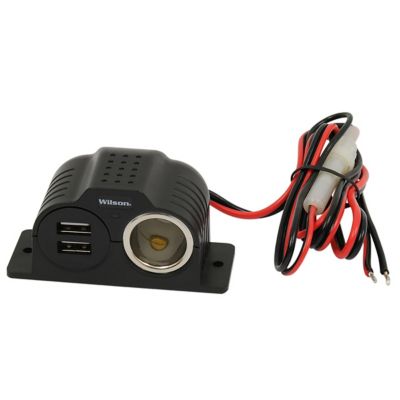
Construction and mounting style make a difference when a 12V power outlet has to live with gravel-road vibration, cab dust and regular plugging and unplugging. Housings may be plastic or metal, while electrical contacts may feature brass, copper alloys or plated surfaces. Those material names tell only part of the story: secure terminals, sound insulation, a firm plug connection and proper mounting all contribute to service life. A loose-fitting plug can interrupt power as the vehicle bounces along a field lane, and a weak connection can create resistance and unwanted heat. Recessed mounting can keep the socket tucked into a panel, while surface-mounted designs can put a connection within reach where there is no suitable dash opening. Check the required hole size, panel thickness, rear clearance and room for the plug body and cord before choosing a mounting style. A socket that fits the opening still needs enough space behind it for terminals and wiring without pinching or sharp bends. Covers can help keep dust and debris out when the socket is empty, but a cap alone does not establish that an outlet can handle water exposure. Any protection rating should match the intended mounting environment, including whether that rating applies while a plug is connected. Electrical capacity deserves the same attention as physical fit. Outlet, plug, wiring, fuse and accessory ratings must work together; the lowest applicable rating limits what the connection can supply. At nominal 12V, a 120-watt load draws about 10 amps, which shows how quickly a compact accessory can reach a circuit’s limit. Startup demand can be higher than running demand, particularly with motor-driven equipment. A larger fuse does not make an existing socket or wire capable of carrying more current. Wire size, circuit protection and the length of the wiring run also affect performance, especially when power has to reach farther from the battery. For installation decisions involving vehicle wiring, a qualified technician can help match the connection to the electrical system without compromising nearby circuits.
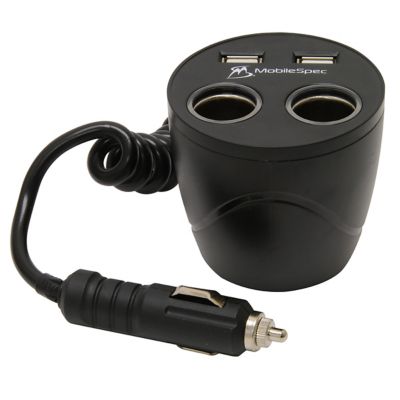
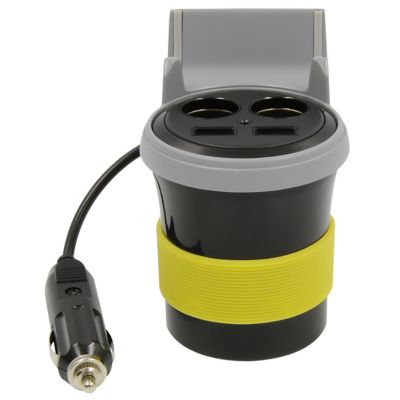
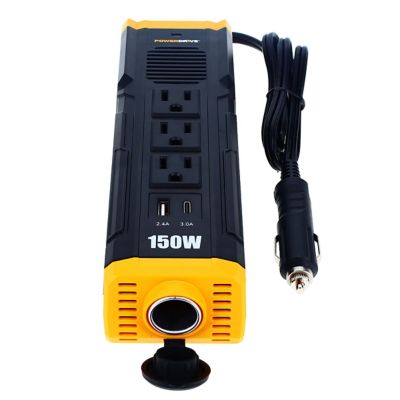
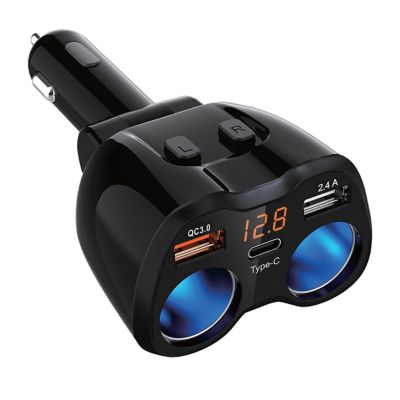
Matching the outlet to the job also means recognizing the difference between a 12V socket, a USB charging port and a household-style receptacle. A compatible USB adapter converts the socket’s supply to the voltage and charging format a phone or other device requires; the round socket itself does not provide USB power directly. Equipment with a household plug needs a different kind of conversion.
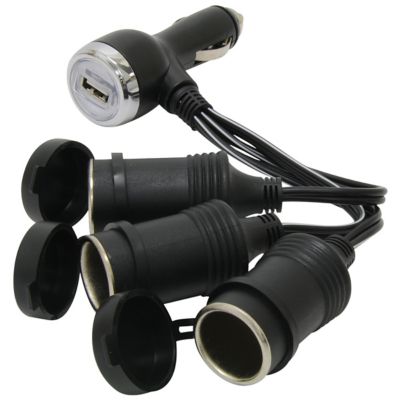
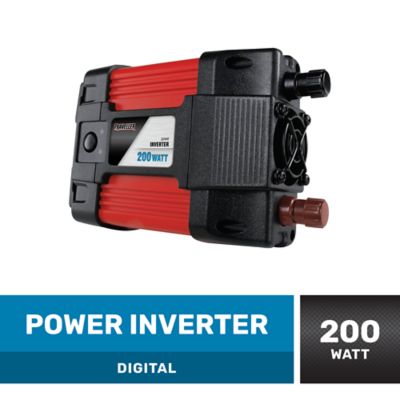
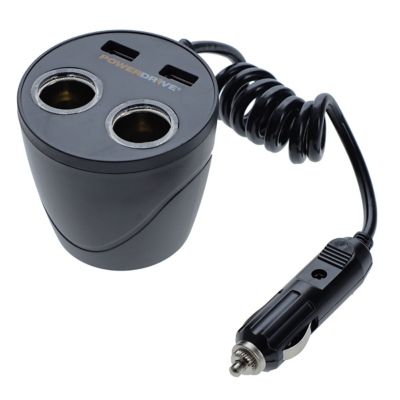
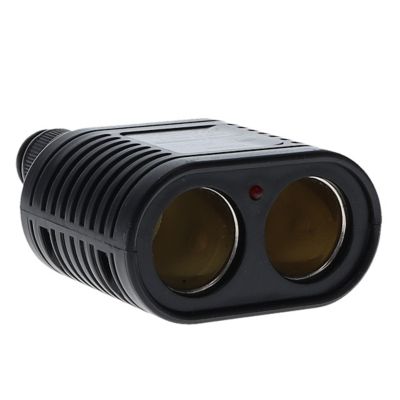
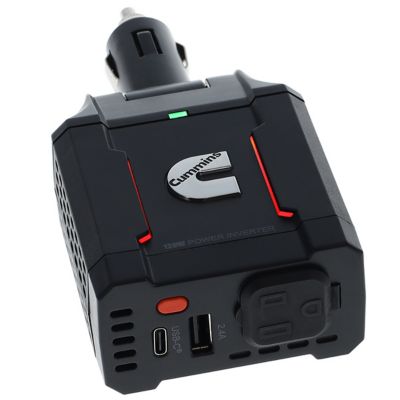
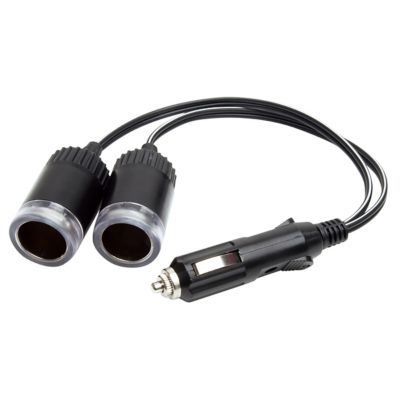
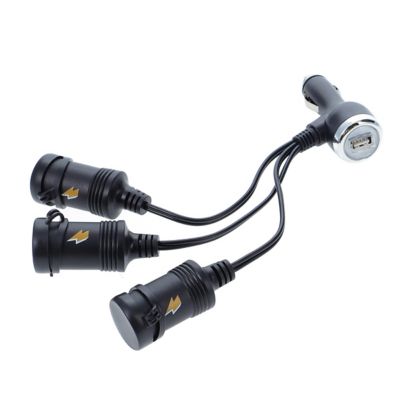
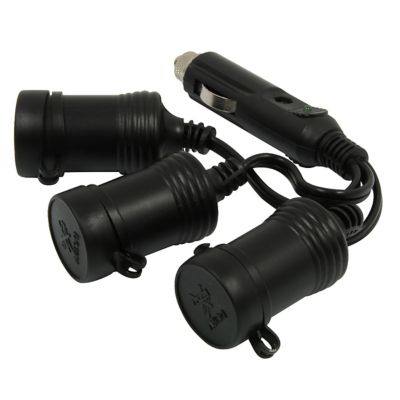
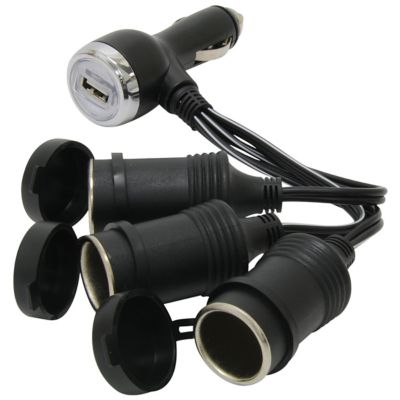
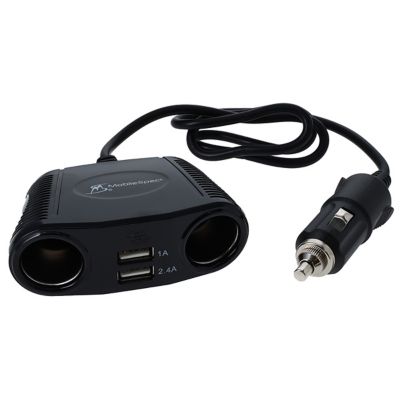
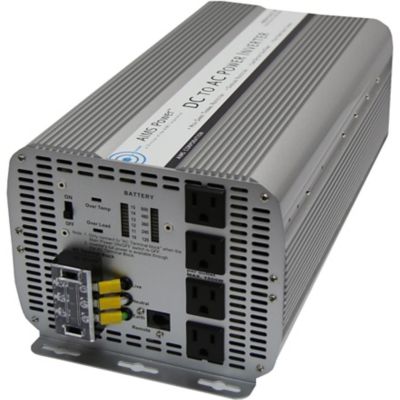
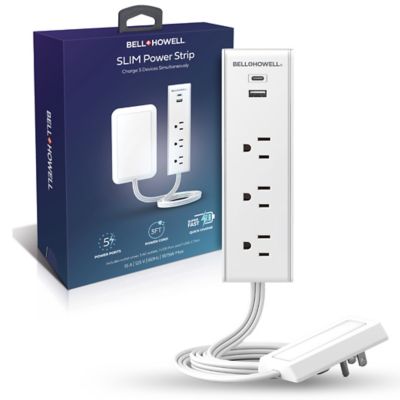
12V DC Inverters convert direct current into alternating current for compatible equipment, but adding an inverter does not increase the capacity of the outlet feeding it. The inverter’s input demand, conversion losses and the connected equipment’s starting requirements all matter. Higher-demand equipment may require a properly protected battery connection rather than a dash socket, according to the equipment and vehicle manufacturers’ instructions. Even a splitter with several openings shares the capacity of its single supply connection; each opening does not gain a separate full circuit rating. That distinction matters when a phone charger, navigation unit and another accessory share the same outlet during a day of hauling. For everyday care, keep the socket free of loose metal objects, dirt and other debris, and disconnect power before inspection or cleaning as directed by the manufacturer. Avoid spraying cleaner into the opening or scraping contacts with metal tools. Check plugs, cords and mounting hardware periodically, especially where a cord rubs against a console edge or gets tugged when someone climbs into the cab. Discoloration, a burning smell, intermittent operation or a plug that becomes excessively hot calls for disconnecting the accessory and having the cause checked before reconnecting it. A blown fuse can signal an overloaded circuit or another fault, not simply a need for a replacement fuse. Whether the connection serves a daily driver, a farm truck or compatible equipment around the property, a well-matched 12V outlet keeps everyday power close at hand without asking the electrical system to do more than it should.