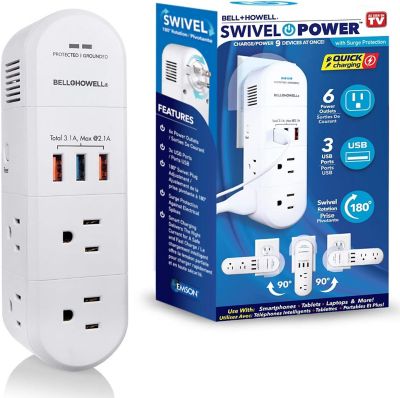
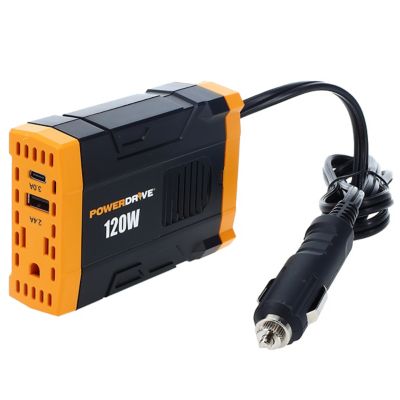
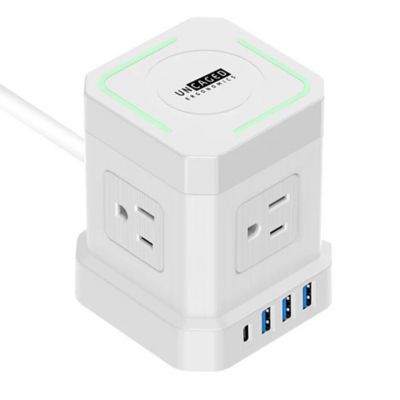
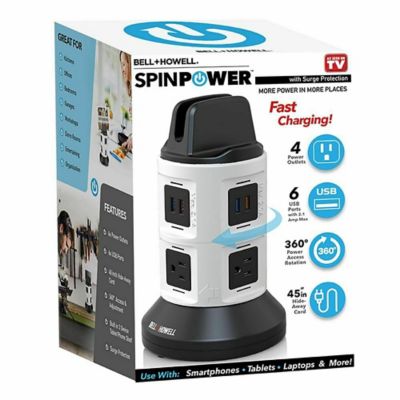
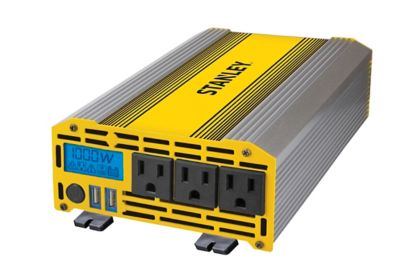
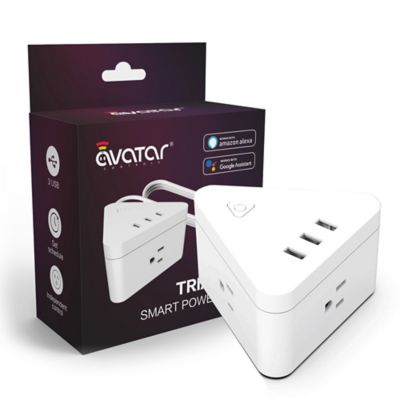
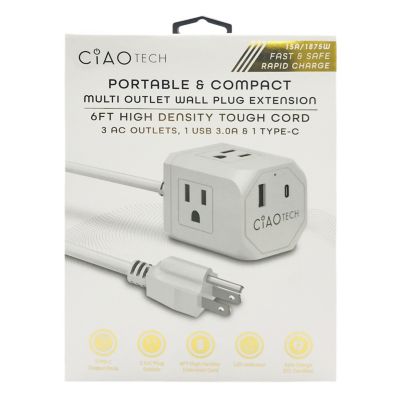
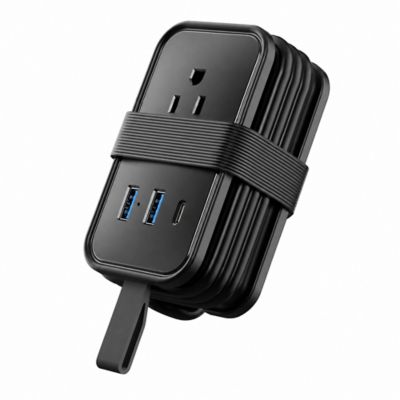
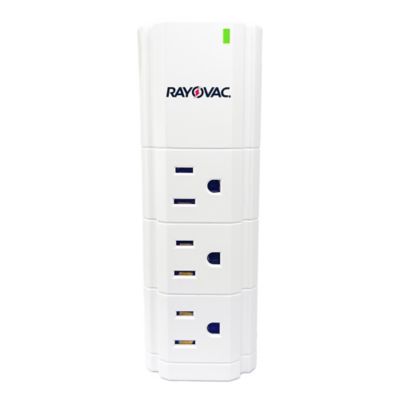
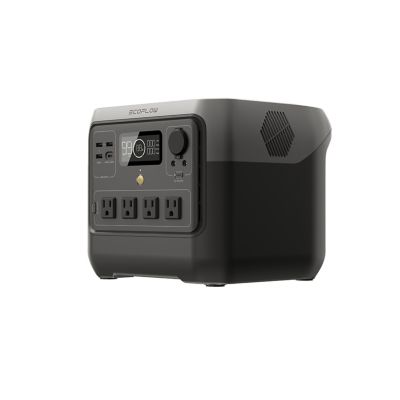
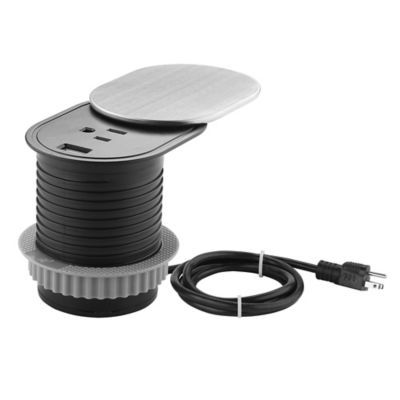
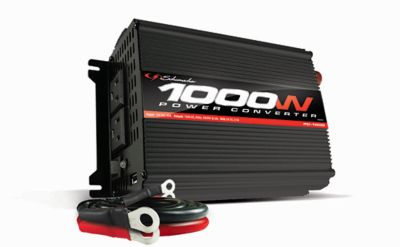
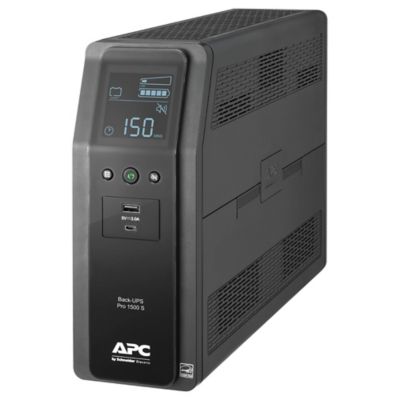
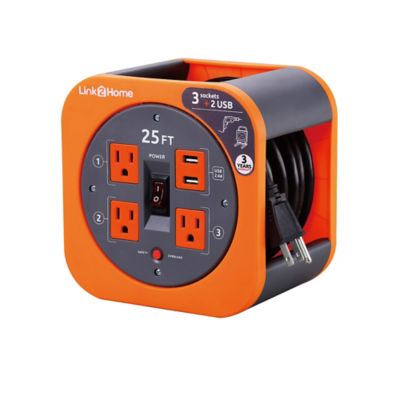
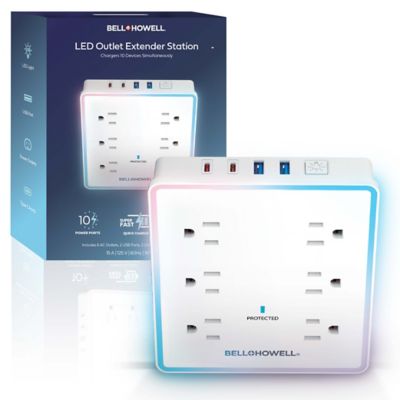
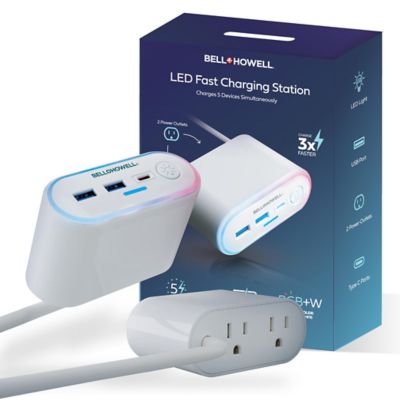
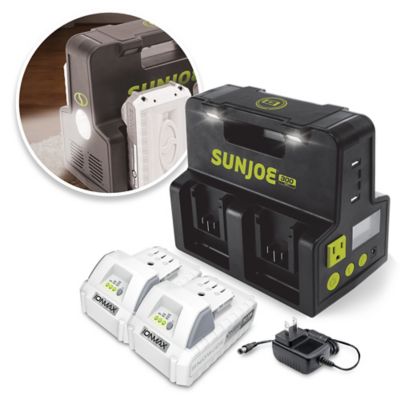
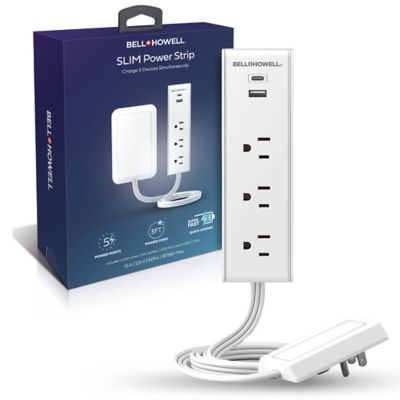
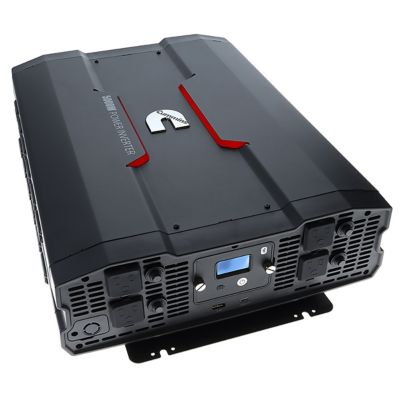
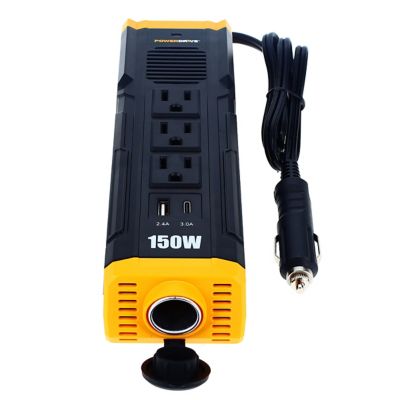
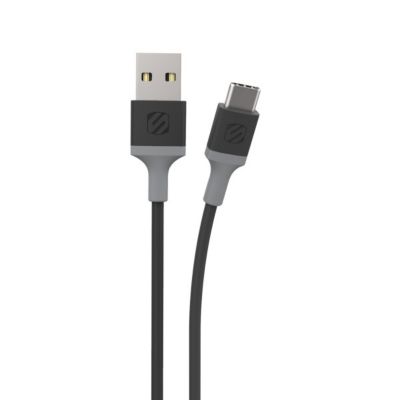
USB power outlets make it easier to keep everyday electronics charged without tying up a wall receptacle with a separate plug adapter. Depending on the style, they may replace a standard wall outlet or add USB charging ports to a plug-in power strip, giving you room for phones, tablets, watches, lights, radios and other small electronics. A wall-mounted option can be a smart fit beside a bed, at a kitchen counter, in a home office or near a workbench where cords tend to gather. A power strip can be moved from a desk to a nightstand, a travel trailer, a hunting cabin or a seasonal workspace as needed. For homes with a mix of older and newer devices, look for a combination of USB-A and USB-C ports. USB-A remains common for many existing charging cords, while USB-C is found on many newer phones, tablets, handheld game systems and other devices. If your phone or tablet uses a Lightning connector, you can pair the right outlet with
Lightning USB Cables for a simple charging setup. Think about where the outlet will sit and how many cords are likely to reach it. Beside a bed, two ports may be enough for a phone and a watch. At a family charging station, a kitchen counter or a busy desk, several ports can help keep everyone from searching for an open adapter. It also helps to check whether the outlet has standard AC receptacles along with USB ports, especially if you still need to power a lamp, fan, printer, drill charger or other plug-in equipment.
Charging speed is another important point when comparing USB power outlets. Look at the total amperage or wattage listed for the USB ports, as well as how that power is shared when more than one device is connected. A higher total output may help phones and tablets charge in less time, though the actual speed also depends on the device, charging cord and port type. USB-C Power Delivery support can be useful for newer electronics that are designed to accept higher wattage, while standard USB-A ports may be all you need for smaller accessories. Check the charging requirements printed on your devices or their original adapters, then choose an outlet that matches those needs rather than focusing only on the number of ports. Outlet shape and fit matter too. A wall replacement should match the existing electrical box and cover plate, and the available space should allow the outlet to sit flush against the wall. For plug-in power strips, consider cord length, spacing between outlets and whether the strip can rest securely on a desk, shelf or workbench. Features such as an on-off switch, a power indicator, surge protection and a mounting option can make the setup easier to manage. In a barn office or workshop, extra spacing may help when bulky adapters are plugged in. In a bedroom, a compact profile can keep the nightstand from feeling crowded. During the cooler months, when lamps, heated gear chargers and indoor entertainment may all be in regular rotation, a well-planned charging spot can keep cords from trailing across walkways or getting buried beneath papers and clothing.
Safety deserves close attention, especially in homes with children, pets or busy work areas. For a wall outlet, follow local electrical requirements and consider having a licensed electrician handle replacement work if you are not comfortable working around household wiring. A bathroom or other damp location may require a ground-fault circuit interrupter, while outdoor or agricultural settings call for products rated for the environment and installed in keeping with local code. Look for recognized safety markings, tamper-resistant shutters where appropriate, protected circuitry and clear instructions. Tamper-resistant outlets can add peace of mind in rooms where small children may reach the receptacles. Keep cords away from sinks, heaters, wet floors, sharp edges and places where livestock or pets may chew them. It is also wise to avoid overloading the AC side of a power strip, even when the USB ports are not full. For a guest room, college student, new homeowner or someone setting up a camper, an outlet with built-in USB charging can make a practical gift because it fits into daily routines instead of taking up shelf space. A family member who spends long hours at a desk may appreciate having a phone and tablet charging nearby, while someone managing a rural property may find a dedicated charging station useful in a mudroom, office or shop. Before choosing, count the devices you charge, note which port styles their cords require, check the available electrical space and think about where cords will naturally rest. The right USB power outlet can bring a little order to a crowded counter, keep essential devices ready for the day ahead and make charging more convenient from the first cup of coffee through the evening.