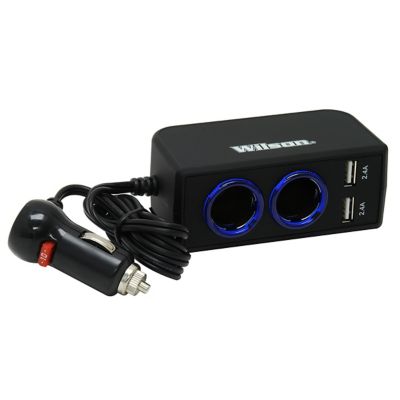
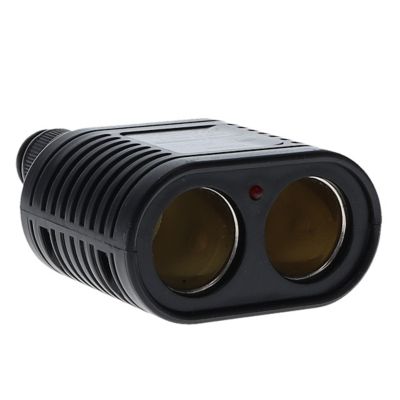
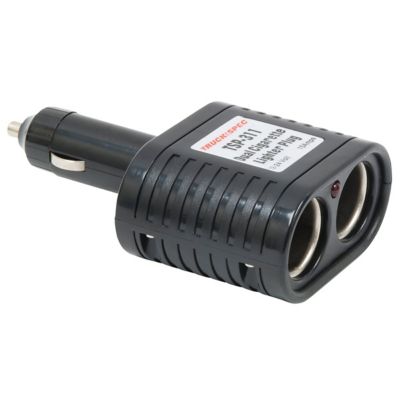
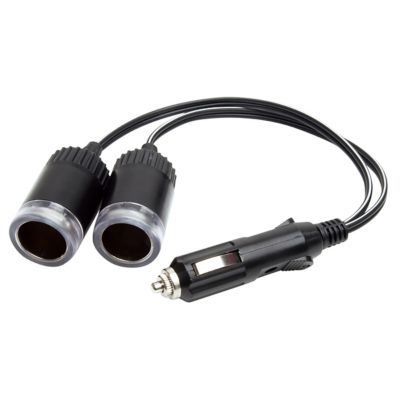
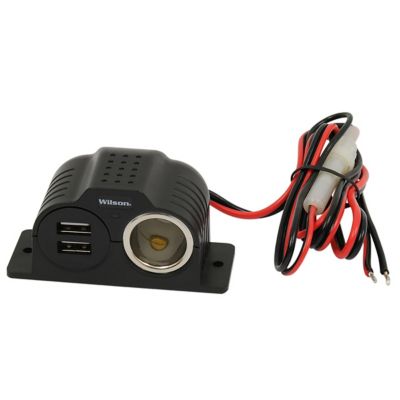
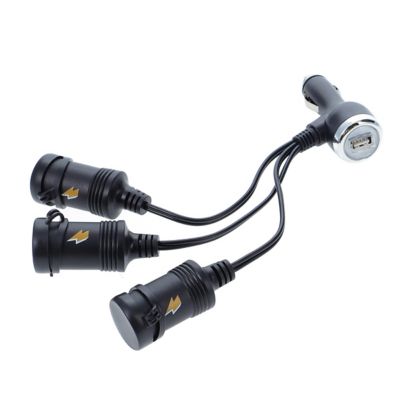
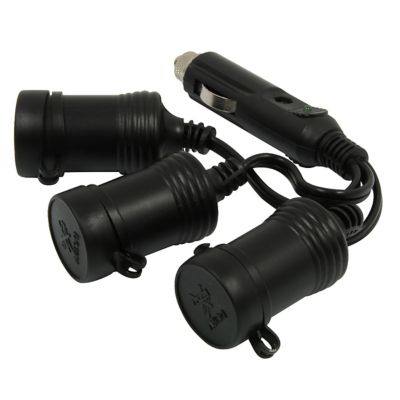
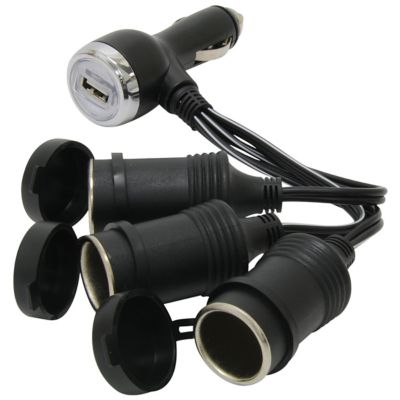
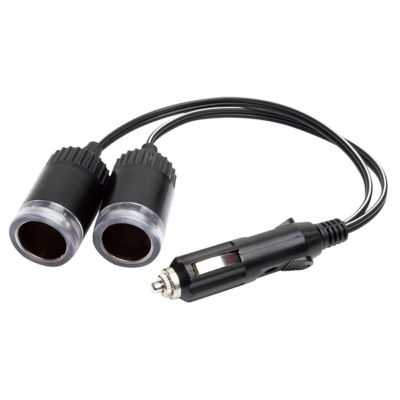
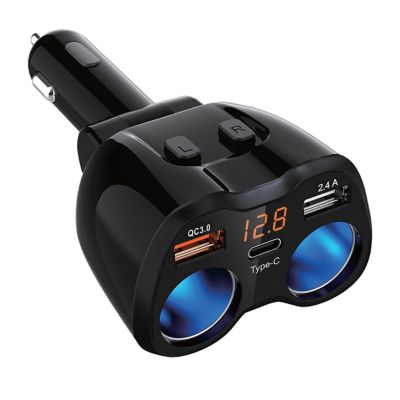
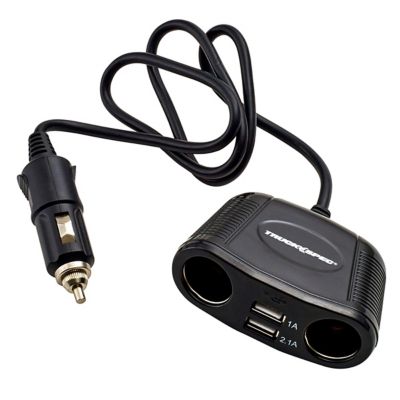
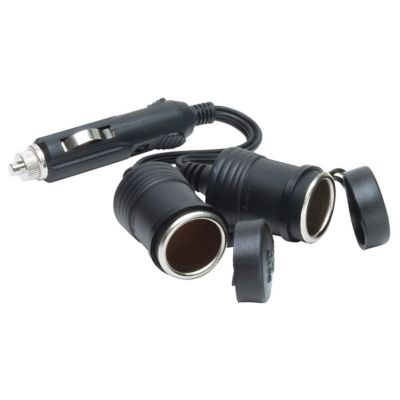
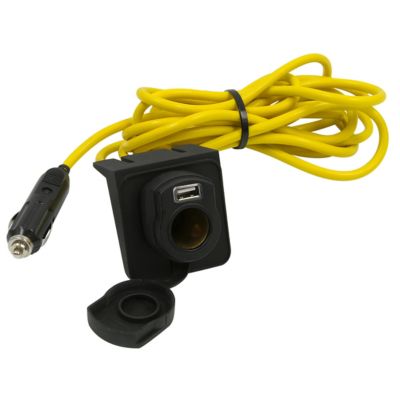
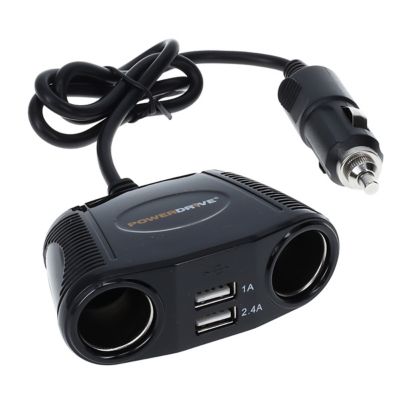
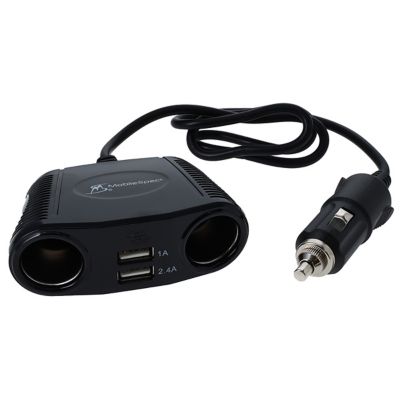
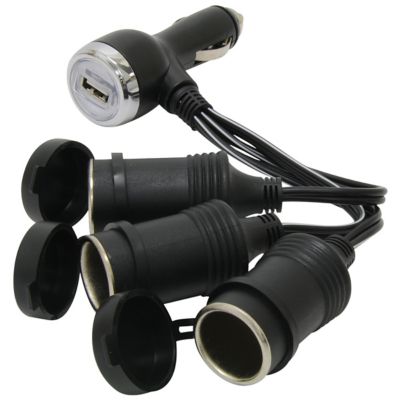
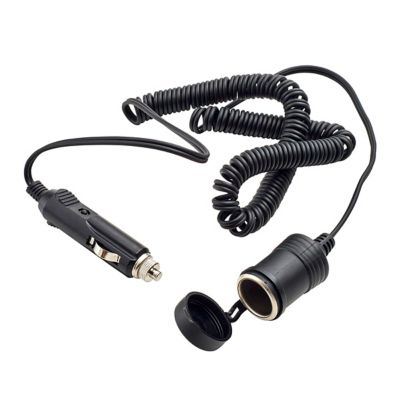
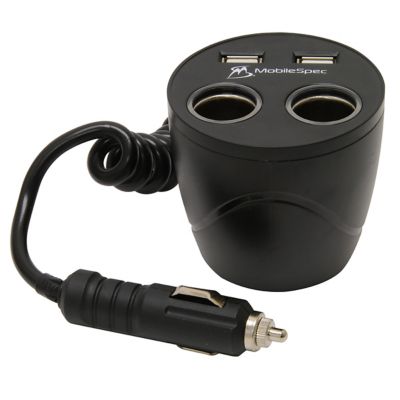
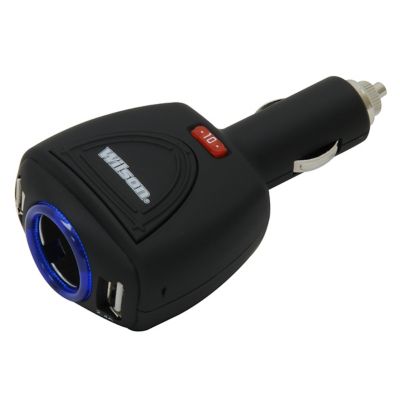
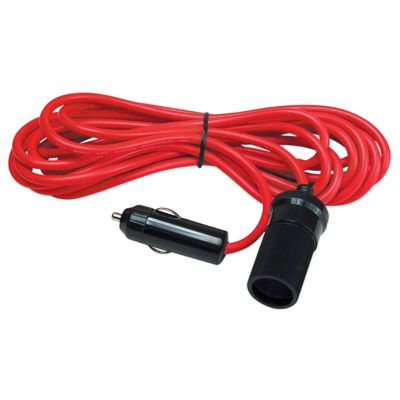
12V outlet splitters turn one vehicle accessory socket into multiple connections for compatible plug-in accessories. They let several devices share a power source, but they do not increase the amount of power the vehicle’s outlet can supply. For a farm pickup, work truck or other vehicle with a compatible 12V socket, that can mean keeping a phone charging while a navigation unit or dash camera stays connected. Instead of swapping plugs every time another device needs power, a splitter keeps those connections together in one spot. The right layout depends as much on the cab as on the number of sockets. A compact splitter that plugs directly into the outlet keeps the setup contained, while a corded design allows the extra sockets to sit farther from the dashboard. That extra reach can help when the factory outlet is tucked beside a console or sits where several accessory plugs would crowd a cup holder. Socket spacing matters, too, since wide adapters and angled plugs can take up more room than their connection alone suggests. A two-socket layout with room between connections may suit a particular setup better than a larger cluster that leaves plugs pressed together. Housing materials, plug construction and cord flexibility all affect how a splitter handles everyday trips between the barn, feed store and jobsite. Molded plastic housings keep weight down, while sound cable insulation and reinforced cord entry points help resist wear from repeated handling. A snug connection matters on gravel lanes, where vibration can interrupt power if a plug fits loosely. Direct-plug designs also need enough clearance to avoid putting sideways pressure on the factory outlet. Corded versions give more placement options, though the lead needs a clear path away from pedals, seat tracks, shifters and doors. A secure resting place keeps the sockets within reach without leaving the assembly swinging from its cord or sliding across the console.
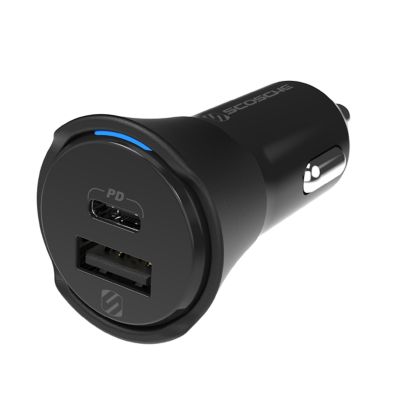
Electrical ratings are just as important as physical fit when comparing 12V outlet splitters. The vehicle outlet, its circuit protection, the splitter and each connected accessory all have limits, and the lowest applicable rating determines what the setup can handle. Several open sockets do not mean every socket can carry the splitter’s full stated capacity at once. The combined draw of connected accessories must stay within both the splitter’s total rating and the vehicle outlet’s limit, with any individual socket limits respected as well. For example, accessories drawing 5 amps and 3 amps place an 8-amp combined load on the source before accounting for any additional devices. Wattage ratings deserve the same attention, especially when an accessory draws more power at startup than during normal operation. A tire inflator or another motor-driven accessory can place a much heavier demand on a circuit than a phone charger, so its manufacturer’s connection requirements matter. Compatibility also goes beyond a plug that physically fits. A splitter intended for a 12V vehicle system should not be connected to a 24V system unless its stated input range permits that connection. Standard accessory sockets and built-in USB ports serve different needs: the sockets accept compatible vehicle power plugs, while USB ports provide the output specified for charging electronics. USB-A and USB-C connections can differ in power output and supported charging methods, and a USB-C port alone does not guarantee fast charging for every phone or tablet. Shared USB output limits can also affect charging when several devices are connected. Features such as individual switches, power indicators or voltage displays may make daily operation more convenient, depending on the design. A voltage display offers a quick look at supply voltage, but it does not replace a battery or charging-system test. Clear ratings and straightforward controls make it easier to match a splitter to the accessories that actually ride in the cab, rather than choosing by socket count alone.
Day-to-day use puts the small details to work. A driver making several stops may want charging leads gathered beside the console, while someone keeping a navigation screen and camera connected may care more about steady plug retention and tidy cable routing. In either case, a splitter should fit the routine without becoming another loose object underfoot. Mounting provisions, where included, can help hold a corded housing in place, provided the location does not interfere with airbags, driving controls or access to the vehicle’s own switches. Care is generally straightforward: follow the manufacturer’s cleaning directions, keep connections free of debris and protect the assembly from spilled drinks and other liquids. An enclosed housing does not by itself mean a splitter is suitable for water exposure or an open vehicle. Frayed insulation, cracked housings, loose contacts or signs of overheating call for taking the splitter out of service. Any replacement fuse must match the manufacturer’s specified type and rating; a higher-rated fuse is not a fix for a circuit that keeps opening. Battery drain also matters when a vehicle outlet remains powered after the ignition is off, since connected accessories can continue drawing electricity while the truck is parked. Switching off or unplugging accessories as directed helps avoid an unwelcome surprise at the next start. For equipment that needs household-style AC power,
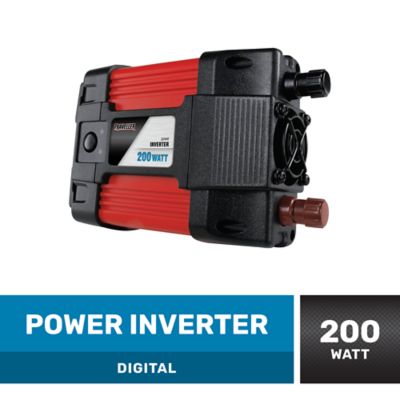
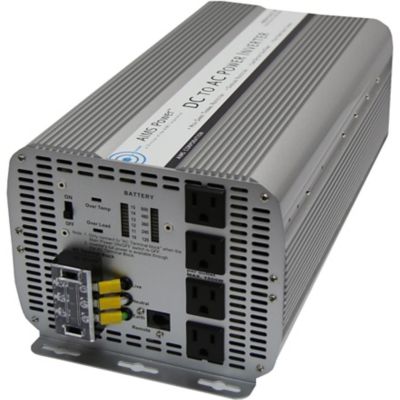
12V DC Inverters serve a different purpose by converting DC power to AC rather than simply adding accessory sockets. An inverter’s input draw still has to fit the source circuit, and higher-draw setups may require a manufacturer-specified direct battery connection instead of a splitter. For everyday vehicle electronics, a properly matched 12V outlet splitter keeps power connections organized and makes a single factory socket more practical without asking that circuit to do more than it was built to handle.