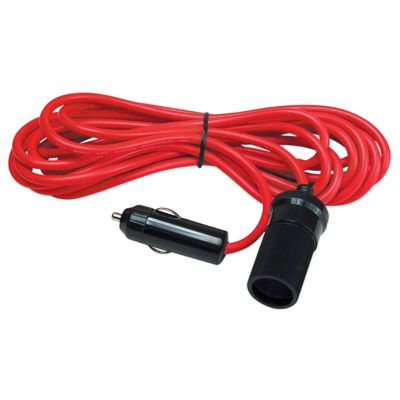
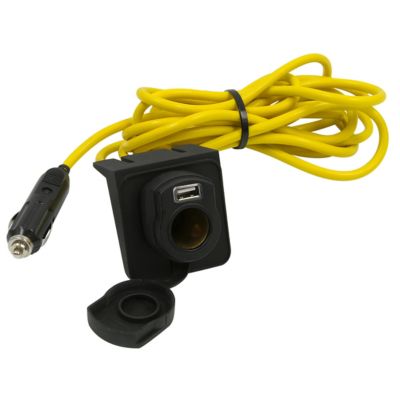
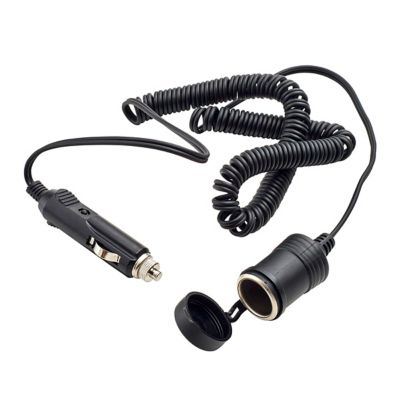
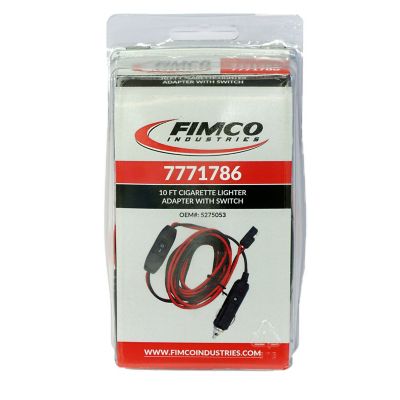
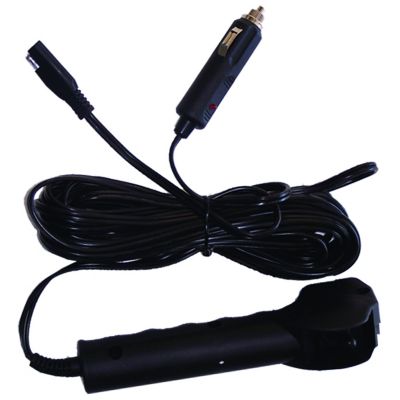
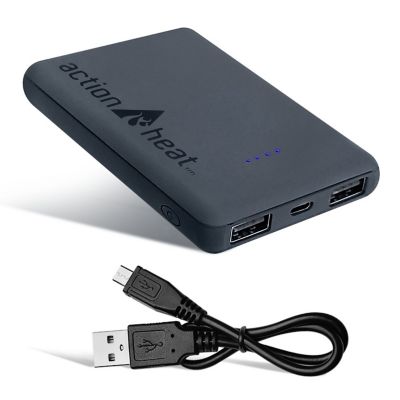
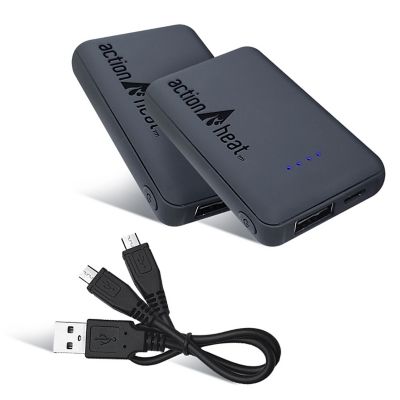
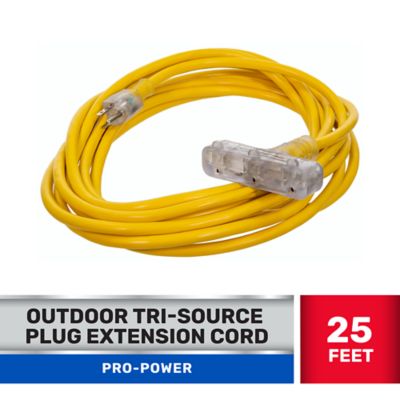
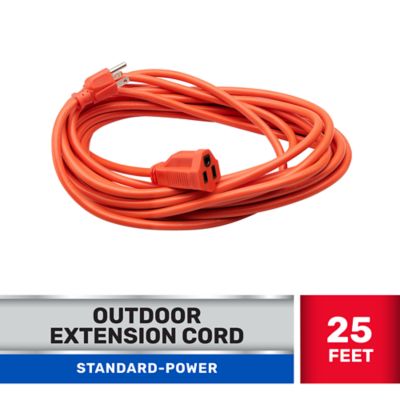
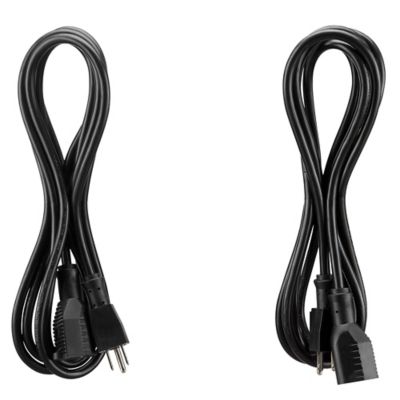
12V accessory extension cords extend the reach of a vehicle’s cigarette lighter socket or 12-volt DC power outlet, bringing power closer to compatible equipment such as tire inflators, portable coolers, and small vehicle vacuums. A typical cord has a male accessory plug at one end and a female accessory socket at the other, creating more room between the vehicle’s outlet and the device being powered. That extra reach can make a difference when an inflator needs to reach a trailer tire or a portable cooler sits behind the front seats instead of beside the dashboard. These cords carry power from an existing source; they do not create power, charge a vehicle battery on their own, or convert household electricity into 12-volt DC power. For folks hauling livestock, tending a property, camping, or keeping a truck ready for everyday chores, their purpose is straightforward: putting a compatible power connection nearer the job. Length matters, but the best fit starts with the whole setup, including the outlet location, the device’s own cord, and the path between them. A straight shot across an empty cab takes less cord than a route around seats or along the edge of a cargo area. Enough slack lets the connection rest without pulling against the socket, while a long loop underfoot adds clutter without helping much. Plug shape matters, too. A long, straight plug may crowd a console compartment, while a right-angle design may fit better where clearance is tight. Some extension cords have a single outlet, while others provide multiple accessory sockets. Those configurations serve different needs, and an extra socket does not increase the amount of power the vehicle can supply. Matching the connector style and electrical rating to both the vehicle and the accessory keeps the choice grounded in what the cord actually needs to do. A cord that reaches comfortably without stretching across a doorway or pulling tight around a seat is a better match than one chosen by length alone.
Electrical ratings help separate a suitable 12V extension cord from one that merely has matching ends. The vehicle outlet, extension cord, and connected accessory each have limits, and the setup must stay within the lowest applicable rating. An accessory plug fitting into a socket does not establish that the circuit can handle its draw. Tire inflators and other motor-driven equipment may demand more current at startup, so the equipment manufacturer’s connection requirements matter just as much as the cord’s stated capacity. Some equipment calls for a direct battery connection rather than an accessory outlet, and an extension cord does not change that requirement. When a cord includes multiple sockets, the combined draw of everything connected counts toward its rating. Wire gauge and cord length also work together: longer runs introduce more electrical resistance, which can reduce the voltage reaching the device. For the same conductor material and length, a lower American Wire Gauge number means a thicker conductor with less resistance. Choosing by the published current rating, wire specifications, and intended application makes more sense than judging a cord by the thickness of its outer jacket. Copper conductors carry the current, while insulation and the outer covering help separate and protect the wiring. Flexible jackets, reinforced plug housings, and strain relief where the cable enters each connector are construction details worth considering for cords that get packed away and brought back out between chores. Where fitted, a replaceable fuse provides overcurrent protection according to the cord’s design, but it does not make an overloaded circuit acceptable. A replacement fuse must match the manufacturer’s specified type and rating rather than a higher value chosen to prevent interruptions. Socket covers can help keep loose debris out when the cord is disconnected, though a cover alone does not establish a water-resistance rating. Published specifications should confirm whether a cord suits the setting where it will work. A power indicator can show that electricity is present at the plug, but it does not confirm that the connection can support every accessory or that the vehicle battery has plenty of charge remaining.
Fit and everyday handling matter once the electrical match is settled. Inside a pickup or SUV, a cord routed along a clear edge is less likely to tangle with boots, seat tracks, or cargo than one stretched across the floor. Connections need to stay clear of pedals, steering components, and airbag deployment areas. Around equipment, routing also needs to account for moving parts, sharp edges, exhaust components, and doors or tailgates that could pinch the jacket. A firm socket connection helps prevent intermittent power when the cord shifts, but a loose or damaged vehicle outlet needs attention rather than a plug forced into place. Some vehicle outlets remain powered after the ignition is off, so a connected cooler or other accessory can draw down the starting battery while the vehicle sits. Other outlets shut off with the ignition; the vehicle manual identifies how a particular circuit operates. For storage, loose coils place less strain on the cable than tight bends wrapped around the plug, and clean, dry connectors help keep the contact surfaces in good shape. Cracked insulation, exposed wire, scorched contacts, or a plug that becomes unusually hot are reasons to disconnect the cord and address the problem before connecting equipment again. These extension leads belong to a different electrical category than household AC cords. For compatible household-powered equipment that needs a longer reach,
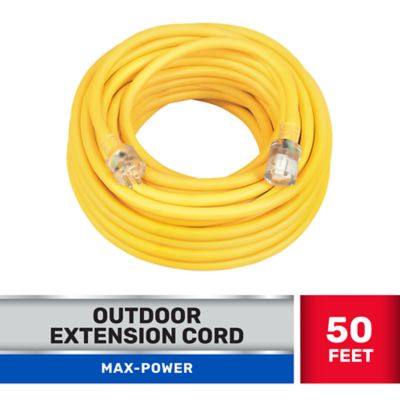
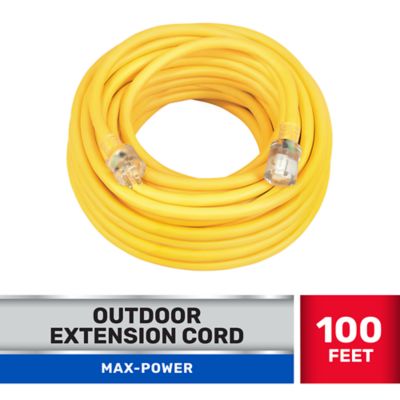
100 Foot Extension Cords serve a separate purpose and are not substitutes for a vehicle accessory lead. An adapter that changes a connector’s shape does not necessarily change voltage or make two power systems compatible. With the right connector, a suitable current rating, and enough length for a clear route, a 12V accessory extension cord can take some of the awkward reach out of routine tasks, whether that means cleaning the back of the cab or placing a compatible cooler where it fits without crowding the front seat.