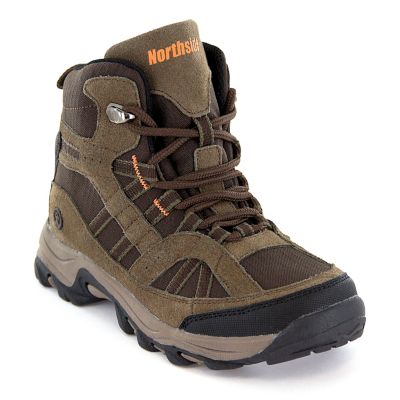
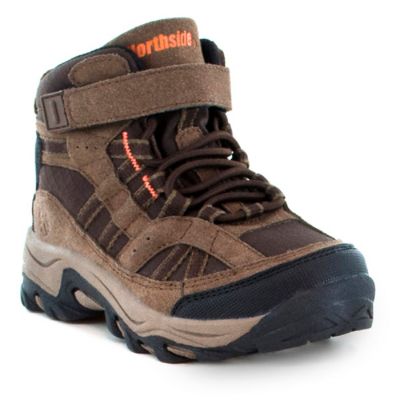
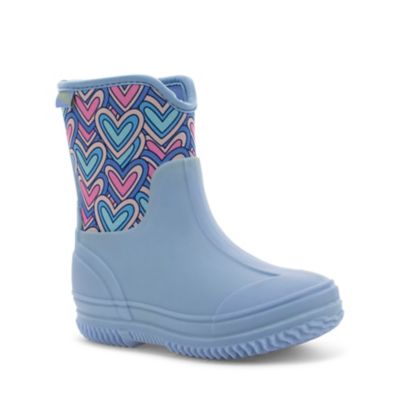
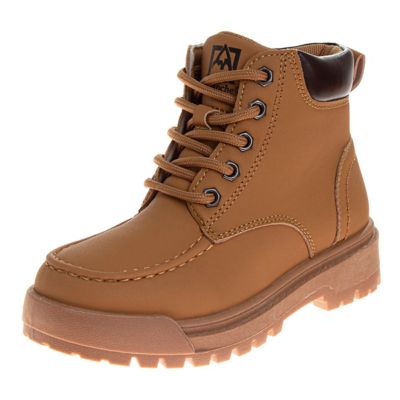
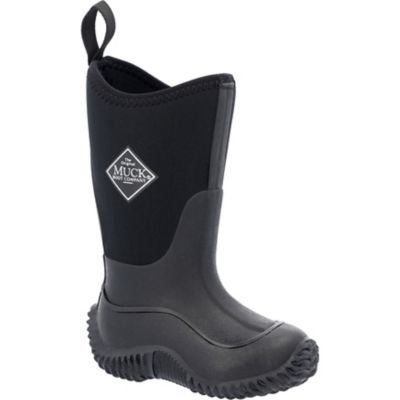
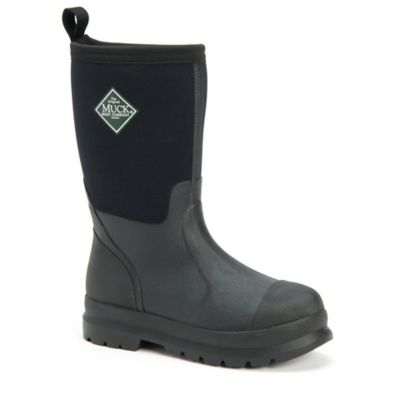
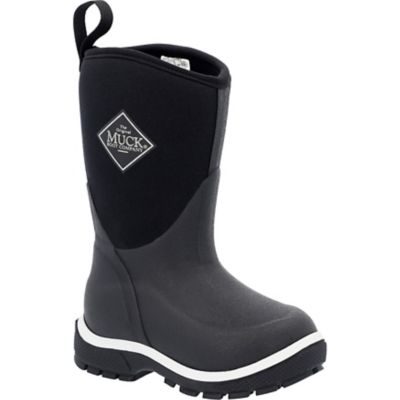
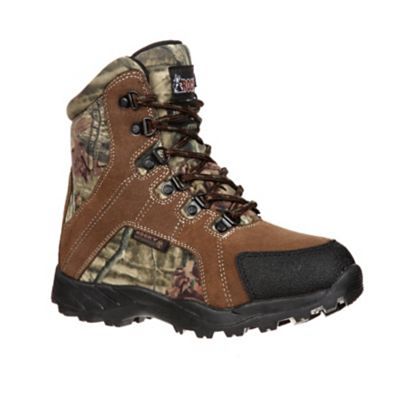
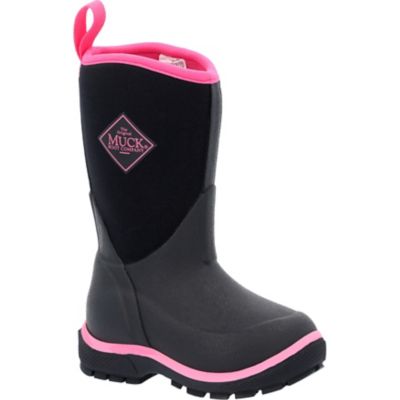
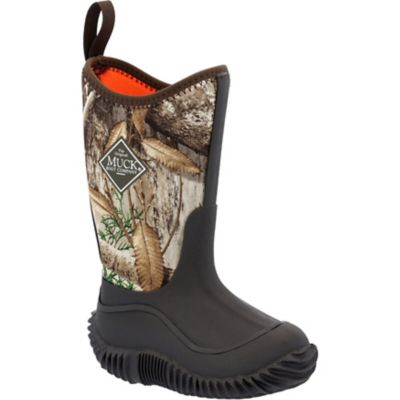
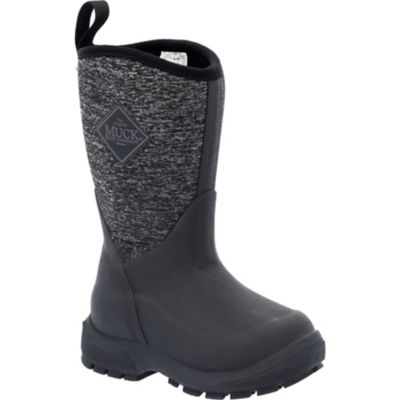
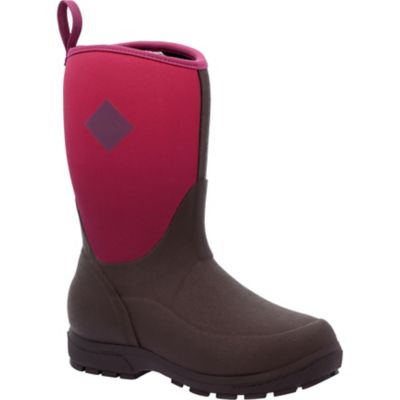
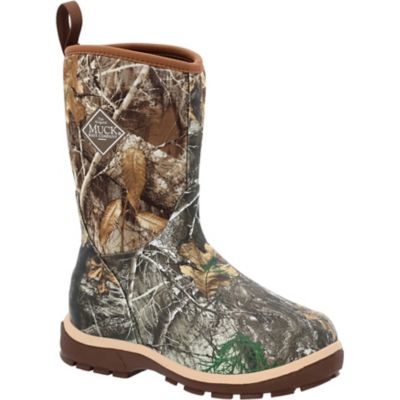
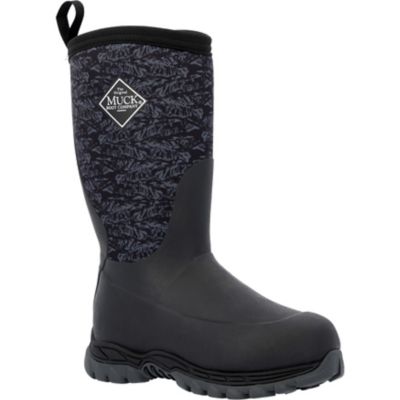
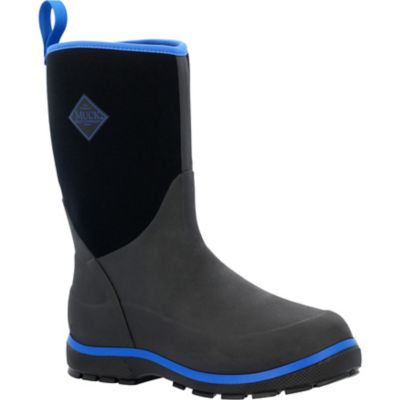
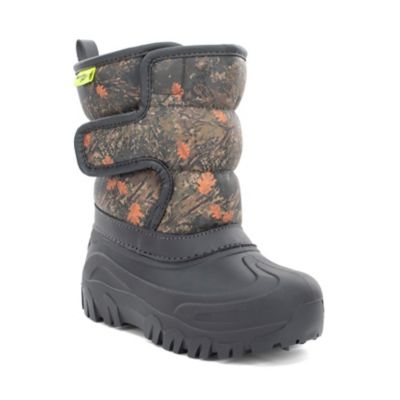
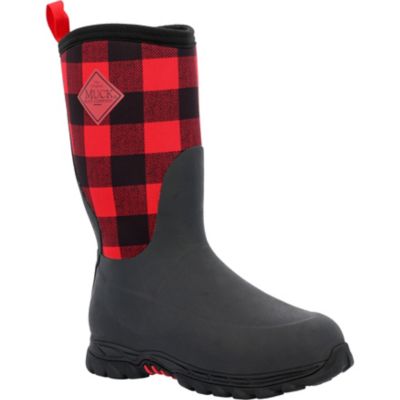
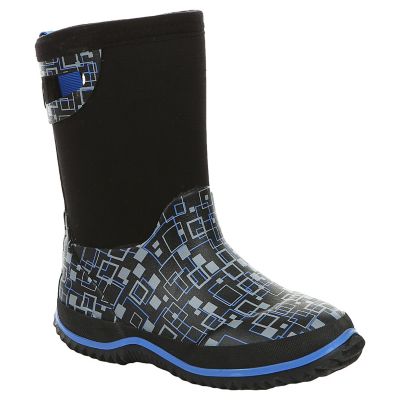
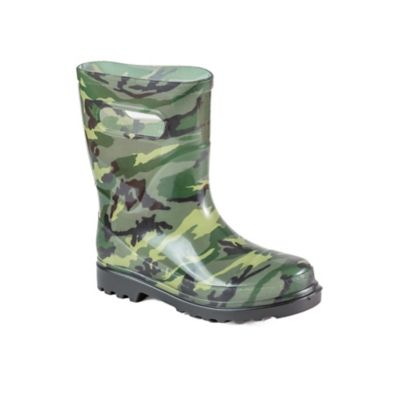
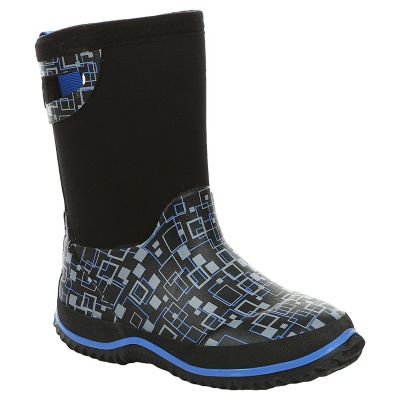
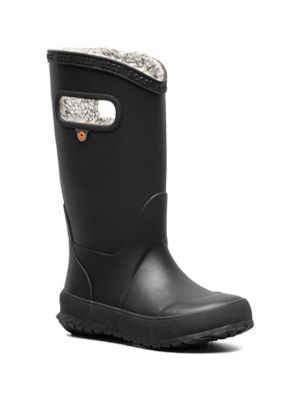
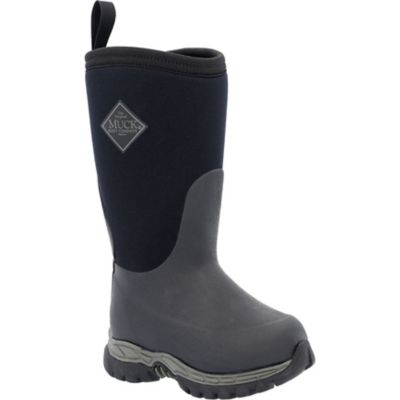
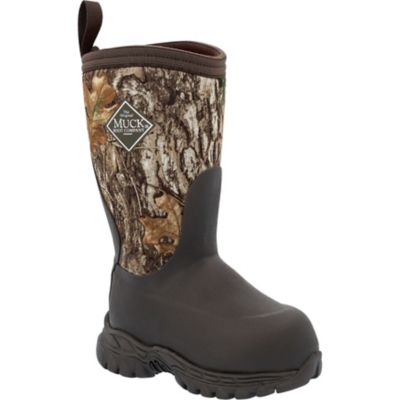
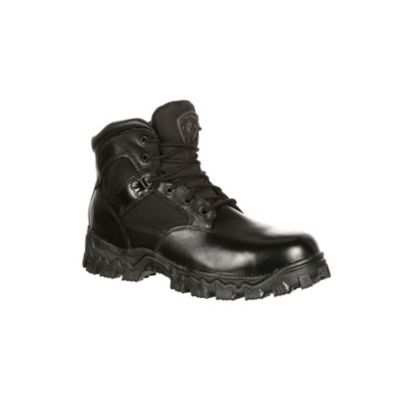
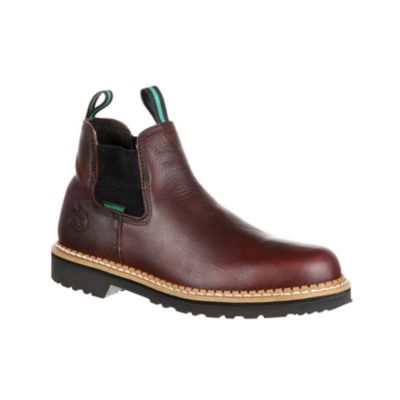
Youth waterproof hiking boots give growing feet coverage for damp trails, muddy paths, and outdoor days that do not stop at the first puddle. Built for walking rather than standing in deep water, these boots combine a water-blocking layer with trail-minded soles and uppers that can handle brush, gravel, and everyday scuffs. They suit kids heading out on family hikes, exploring campground paths, or walking grassy lanes where dew can soak ordinary footwear before breakfast. Waterproof construction varies: some boots have an internal waterproof membrane, while others combine treated materials with sealed seams to help keep moisture from working through stitched areas. Leather uppers offer substantial coverage and can soften with wear; suede, synthetic fabrics, and mesh panels can make a boot lighter and more flexible. Mesh alone is not waterproof, so the construction beneath the outer fabric matters as much as the surface. A gusseted tongue, attached along its sides, helps limit the entry of grit and splashes up to the height of that attachment. Water can still enter over the collar, and no hiking boot is a substitute for footwear intended for wading. Underfoot, rubber outsoles with defined lugs help young hikers find footing on loose dirt and uneven ground. Lug spacing matters, too, since widely spaced tread can shed mud more readily than tightly packed patterns. Grip depends on the rubber compound, tread design, and surface conditions; wet roots, slick rock, and ice still call for careful steps. Mid-height styles add coverage around the ankle, but boot height alone does not prevent a rolled ankle. For kids who bounce between a leaf-covered path and a rocky creek bank, a flexible forefoot, secure heel, and protective toe bumper can be more useful than a stiff, heavy build. The right balance gives them room to move while taking some of the knocks that come with a full afternoon outside.
Fit has a big say in whether kids’ waterproof hiking boots make it past the first bend in the trail without complaints. Growing feet need space at the toes, but buying far too large can let the heel slide and the foot shift on slopes. A comfortable fit leaves room for toes to spread and a little forward clearance without allowing the foot to swim inside the boot. The best size is not always the same across different footwear shapes, and width matters just as much as length. Trying boots with the socks a child will wear outdoors gives a better sense of the fit, especially when cooler weather calls for a thicker pair. Both feet deserve a check while the child is standing, since one may be slightly larger than the other. A short walk on a clean indoor surface can reveal heel lift, pressure across the top of the foot, or a toe that bumps the front during a step down. Removable insoles, where provided, can help parents see how the foot lines up with the available space, though that check does not replace walking in the boot. Laces allow adjustment through the instep and ankle, while hook-and-loop straps or other simple closures can help younger kids manage their own footwear. Closure choice also matters when chilly fingers, muddy hands, or a hurried departure from the campsite are part of the day. Cushioning should soften the feel of hard ground without making each step feel wobbly, and the boot should bend comfortably where the foot bends. Breathable waterproof membranes allow some moisture vapor to escape, but they cannot keep feet from sweating. Wool-blend or synthetic hiking socks help move moisture away from the skin, while a spare pair can make a long outing more comfortable. Waterproofing does not automatically mean warmth, either. Uninsulated hiking boots may suit active walking in cool weather, while prolonged cold or deep snow calls for footwear with insulation and coverage suited to those conditions.
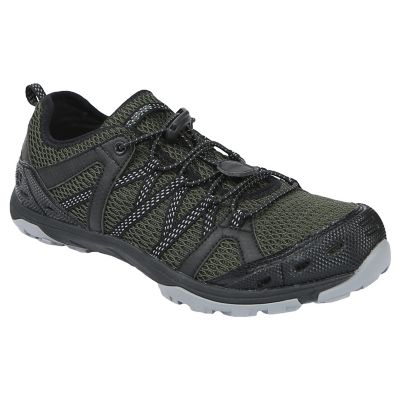
The best match also depends on how a child spends time outside. A lightweight waterproof hiking boot can be a comfortable choice for packed trails, nature walks, and weekend campground exploring, while rougher routes may call for more substantial toe protection, abrasion-resistant panels, and a firmer sole. Boots that feel manageable on a short walk are more likely to stay comfortable when the route includes a long gravel stretch back to the truck. For everyday wandering around the property, reinforced areas at the toe and heel can take the brunt of scuffs from stones and sticks. Hiking footwear is not a replacement for safety-toe work boots or other protective footwear when chores involve equipment or specific hazards. For family outings, adults can pair their own trail needs with
Men's Waterproof Hiking Shoes while keeping the child’s fit and walking pace front and center. Youth hiking boots can also make a practical gift for a young camper or a child who would rather spend the afternoon checking tracks along a fence line than sitting indoors, provided there is a chance to confirm the fit before the first trip. After those outings, simple care helps preserve the materials and waterproof construction. Loose dirt is easier to brush away once it dries, while heavier mud generally calls for a gentle rinse or wipe according to the maker’s care directions. Harsh cleaners and prolonged soaking can harm some materials and finishes. Loosening the closures and removing the insoles, when permitted, helps the inside air out. Room-temperature drying away from a stove, radiator, or clothes dryer protects leather, adhesives, and waterproof layers from excess heat. Leather conditioners and water-repellent treatments should match the boot materials and manufacturer’s recommendations; an outer treatment cannot repair a damaged waterproof membrane. Checking worn tread, separating seams, frayed closures, and changing fit keeps attention on the details that matter before another outing. With the right fit, sensible care, and construction matched to the terrain, youth waterproof hiking boots help keep damp ground from cutting a good outdoor day short.