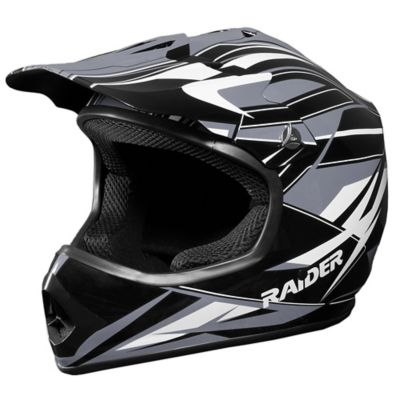
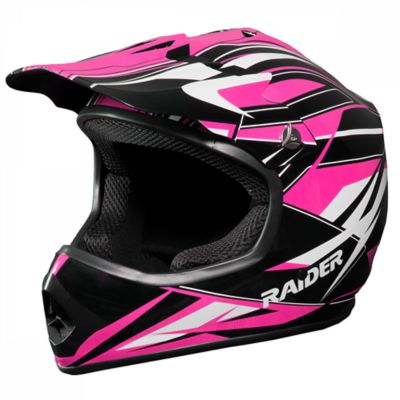
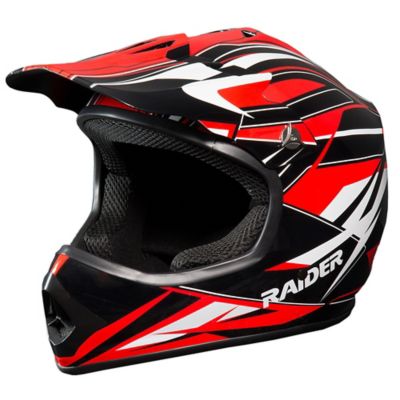
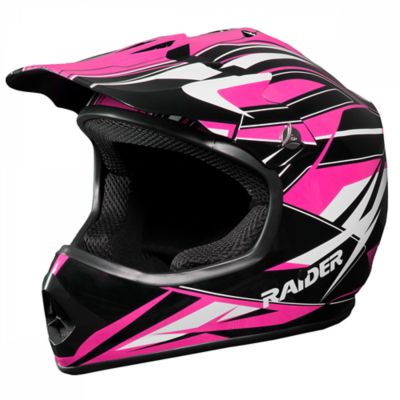
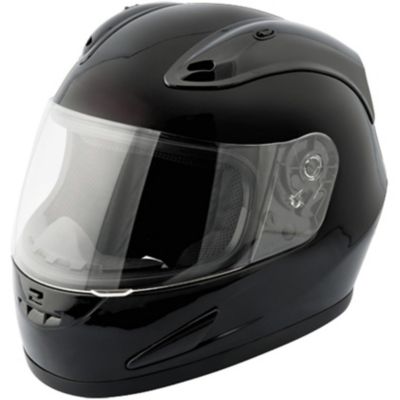
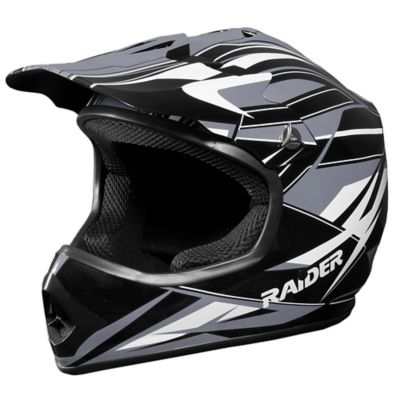
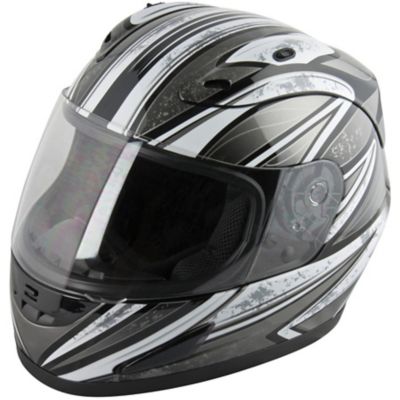
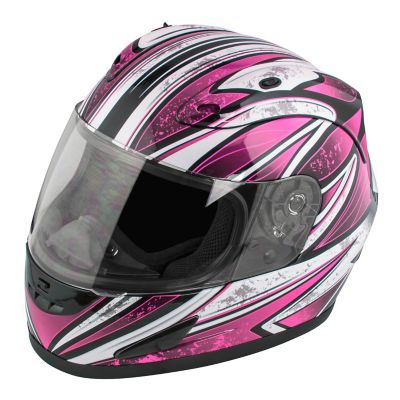
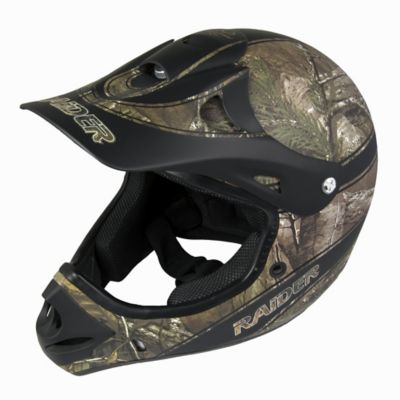
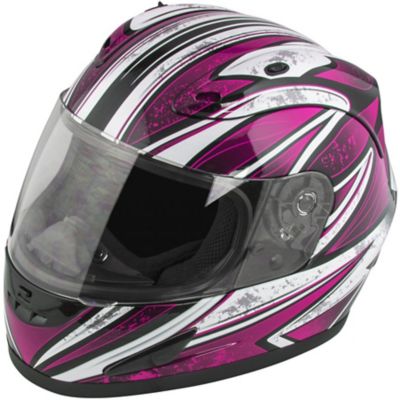
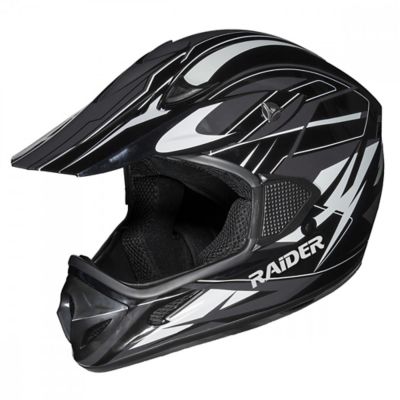
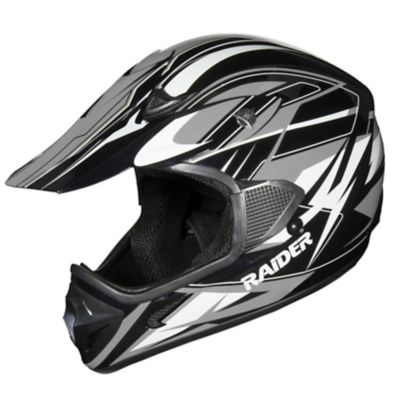
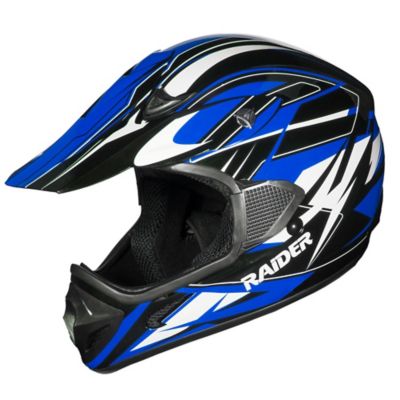
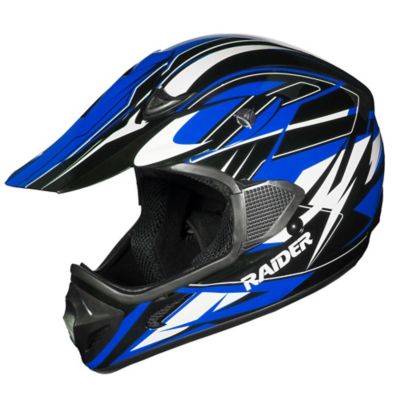
Youth full face helmets give young riders added coverage around the cheeks, jaw, chin and face, making them a practical choice for activities where a fall, branch or flying bit of gravel can come from more than one direction. They are commonly used for dirt bikes, ATVs, BMX riding, downhill mountain biking and other off-road adventures, though the right helmet depends on the activity and the safety standard behind it. A helmet built for a motorized dirt bike or ATV should be approved for that use, with DOT or FMVSS 218 labeling commonly used for motorcycle-style protection. Bicycle and downhill helmets may instead carry CPSC or ASTM F1952 certification. These standards are not interchangeable, so start by matching the helmet to the machine and riding area. A child putting around a pasture trail on a small ATV has different protection needs than a young rider rolling through a pump track or heading down a rocky mountain trail. For families who enjoy weekend rides, youth full face helmets can also make a thoughtful gift for a birthday, holiday or the start of a new riding season, especially when paired with properly fitted gloves, goggles and other protective gear. Before choosing, check the child’s head measurement rather than relying on age alone. Wrap a soft measuring tape around the widest part of the head, generally just above the eyebrows and ears, and compare that number with the manufacturer’s size chart. The helmet should sit level, with the front edge low across the forehead, and it should feel snug without causing a headache or pressure points. Have the young rider shake their head, look up and down, and open their mouth; the helmet should stay put rather than slide, rock or lift away from the brow. A little familiar fussing is normal with new gear, but a helmet that pinches, shifts or leaves room for a finger-sized gap is not the right fit. Hair style, ponytails, winter caps and thick head coverings can change the fit, so try the helmet with the same hair arrangement and riding layers the child will typically wear.
Comfort matters just as much as coverage when a young rider may spend an afternoon circling a track, climbing a wooded trail or waiting for their turn at the starting gate. Look for ventilation ports that allow air to move across the head and out the back, especially for active riding during warmer weather. Good airflow can help reduce sweat and fogging while keeping the helmet more comfortable during long stretches in the saddle or on the bike. Weight is another important consideration for smaller riders. A lighter helmet can help limit neck fatigue, but it should never sacrifice the certification or protection required for the activity. Young riders may be more willing to wear a helmet that feels balanced and does not pull forward or backward. A secure chin strap with an easy-to-use buckle helps keep the helmet in place, and the strap should rest comfortably beneath the chin without hanging loose. For bicycle and trail use, some full face designs have removable chin bars, offering a more adaptable setup for riders who move between casual trail sections and more technical terrain. Convertible designs still need to be used according to the manufacturer’s instructions and certification details; removing a chin bar may change the protection level or intended use. Goggles or eye protection should fit neatly with the helmet opening and leave room for clear vision, while a visor can help shade the eyes and deflect small bits of dirt. Check that the child can see to the sides, hear nearby riders and comfortably turn their head before heading out. The best youth full face helmets are the ones that fit correctly, match the ride and are comfortable enough to stay on from the driveway to the trailhead and back again. Browse
Full Face Helmets to compare full coverage styles for different kinds of riding and outdoor use.
A helmet is only one part of a safe riding setup. Young riders should use the rest of their protective equipment, follow the rules for the trail or riding area, and stay within their training and experience. For dirt bikes and ATVs, look for a helmet specifically made for motorized use, and pair it with eye protection, gloves, sturdy boots and clothing that covers the arms and legs. For BMX, downhill or mountain biking, consider the terrain, speed and type of riding when choosing between a lightweight bicycle helmet and a more protective full face design. Parents and grandparents can help by checking the fit before every ride and making helmet use a regular part of getting ready, much like buckling a seat belt before leaving the driveway. Inspect the shell, liner, chin strap and buckle for cracks, loose parts, frayed webbing or signs of wear. A helmet that has taken a hard impact should be replaced even when damage is not easy to see, since the inner materials may have absorbed force. Helmets also have a useful service life and should be replaced when the manufacturer recommends it, after serious impact, or when a growing child has outgrown the size. Store the helmet in a cool, dry place away from direct sunlight, fuel, solvents and sharp tools that could damage the shell or liner. Avoid decorating it with unapproved stickers, paints or adhesives, since some chemicals can weaken helmet materials. During the warmer riding season, take a moment to wipe away sweat and trail dust, then allow the interior to dry fully before storage. As the weather turns cooler, check that added layers around the neck and ears do not interfere with the fit or chin strap. Whether a young rider is learning on a quiet farm lane, practicing at a local track or tackling a winding trail with family, the right youth full face helmet helps provide dependable coverage while giving them the confidence to focus on the ride.