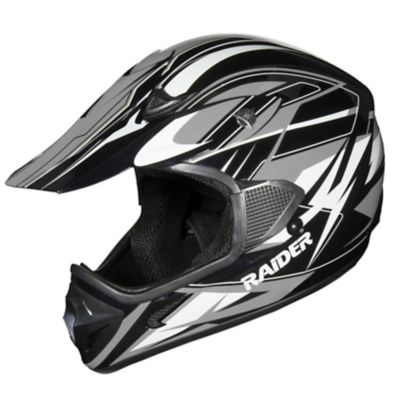
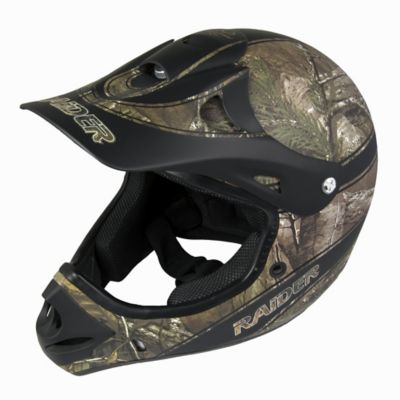
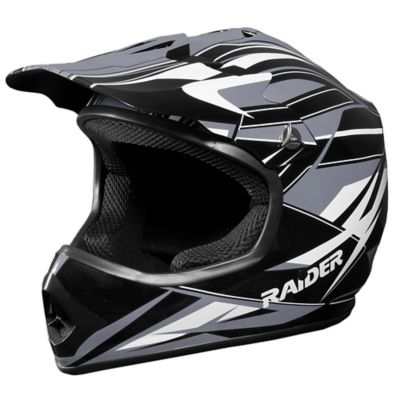
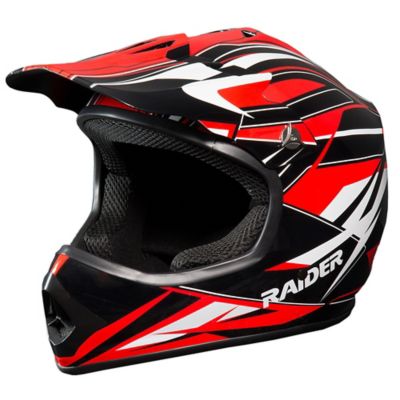
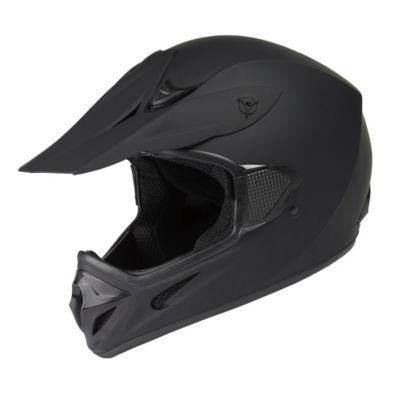
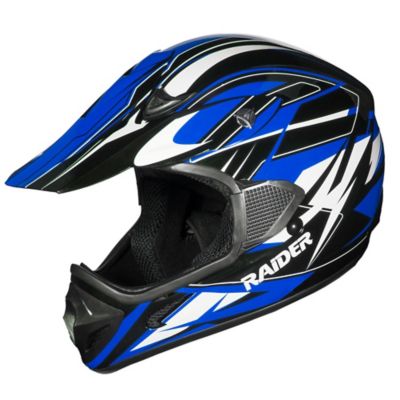
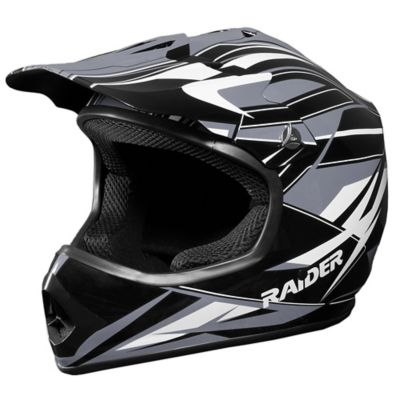
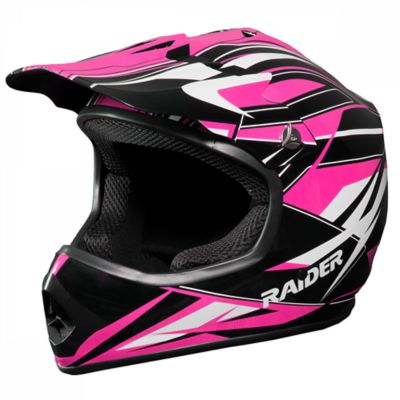
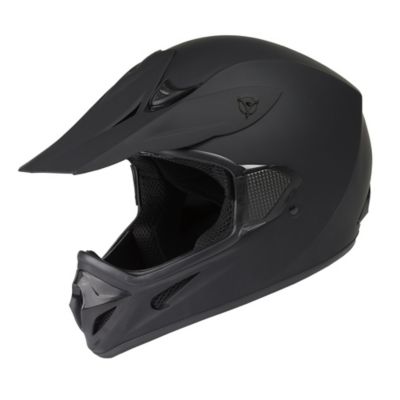
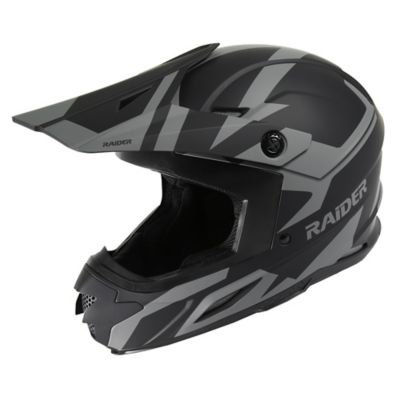
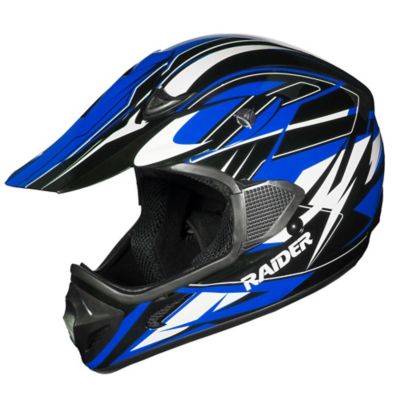
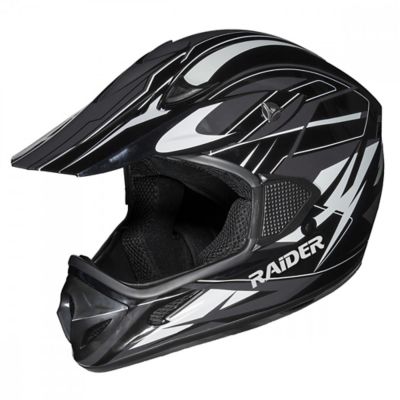
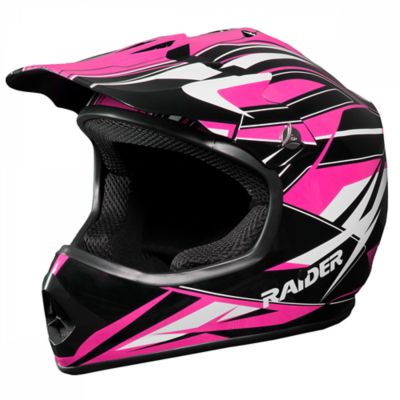
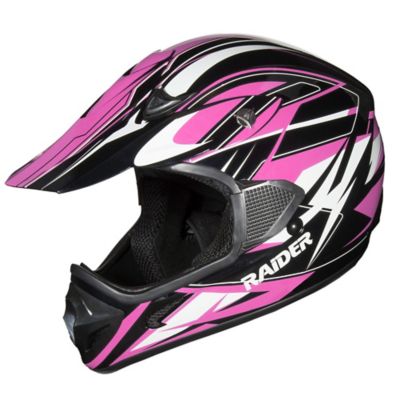
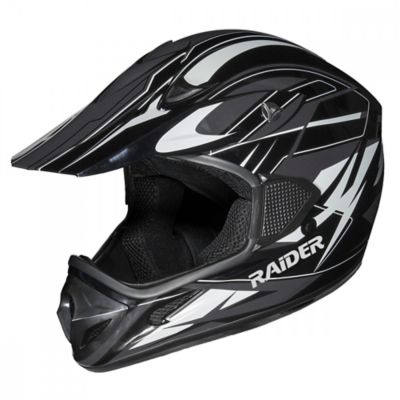
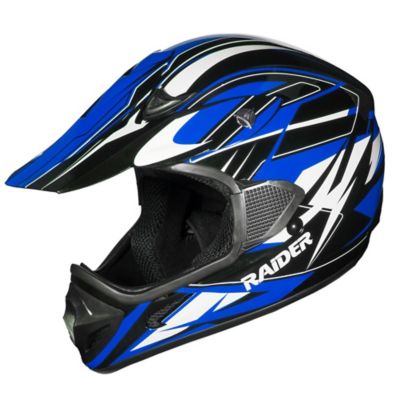
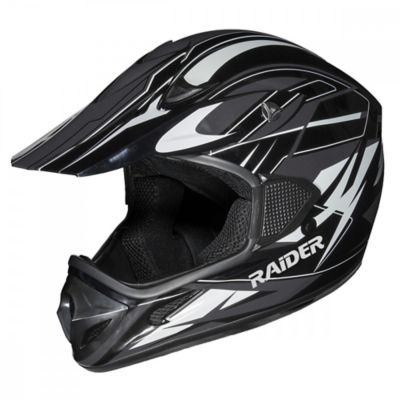
Motocross helmets are built for the demands of off-road motorcycle riding, from laps on a groomed dirt track to an afternoon following wooded trails. Their full-face shape typically includes an extended chin bar, a broad opening for goggles, a projecting peak, and ventilation channels that move air around the head. That layout suits riding where dust hangs over the trail, loose dirt flies from the rear tire ahead, and the rider shifts between sitting and standing on the foot pegs. The peak can help shade the eyes and deflect some roost, but it doesn’t replace goggles for eye protection. Under the outer shell, an impact-absorbing liner helps manage energy during a collision, while the chin strap keeps the helmet secured. Shell materials commonly include polycarbonate, fiberglass composites, and carbon fiber composites. Each construction offers a different balance of weight, stiffness, and manufacturing complexity; shell material alone doesn’t establish how much protection a helmet provides. Expanded polystyrene, often called EPS, is a common impact-liner material, and some helmets combine different foam densities or additional systems designed to manage rotational forces in certain impacts. Those features belong alongside fit, helmet condition, and applicable safety standards when comparing motocross helmets. In the United States, a DOT marking indicates the manufacturer certifies compliance with the federal motorcycle helmet standard; it isn’t a separate government product approval. ECE approval and Snell certification involve different testing requirements, and an organized riding event may specify which standards it accepts. No helmet can prevent every head injury, so a recognizable marking is a starting point rather than a promise. For riders heading from a gravel staging area onto a practice track, or loading a dirt bike for a weekend away, the right helmet is one that meets the requirements for the ride, fits securely, and works comfortably with the rest of their protective gear.
Fit makes a difference long before the first turn. A motocross helmet should sit level on the head with firm, even contact around the crown and cheeks, not rock from side to side or slide independently when the rider moves. Head circumference provides a starting point for the manufacturer’s sizing chart, but head shape matters, too. Two helmets carrying the same size label can feel different through the forehead, temples, and back of the head. A snug fit is expected; sharp pressure, persistent pain, or numbness isn’t. Trying a helmet on long enough to notice pressure points gives a better sense of comfort than slipping it on for a few seconds. Cheek pads may settle with wear, but an oversized helmet won’t become a secure fit later. The retention system should fasten as directed, with no loose strap hanging where it could catch. Goggles deserve the same attention: the frame should fit inside the eye opening without being pushed against the nose, and the strap should stay properly positioned around the shell. Riders who wear eyeglasses also need room for the temples without creating painful pressure or disrupting the goggle seal. Helmet weight and balance become noticeable on rutted ground, where repeated bumps and constant head movement can make a poorly balanced setup tiring. Vent placement matters during slow trail sections as well as faster laps, especially when hard riding builds heat beneath several layers. During cooler weather, any thin helmet-compatible head covering needs to preserve the helmet’s intended fit; a thick cap can interfere with seating and retention. For younger riders,
Youth Dirt Bike Helmets belong in the conversation because children need sizing and proportions suited to their heads, not an adult helmet with extra room to grow. A helmet can be a thoughtful gift for a rider getting into the sport, but checking the recipient’s measurements, preferred fit, and riding requirements helps make that gift practical rather than a guess based on color or graphics.
Everyday comfort and care help determine how well a motocross helmet fits into a rider’s routine. After a dusty ride along field edges or a muddy session at the track, removable comfort liners and cheek pads can make cleanup easier when the manufacturer permits washing. Gentle cleaning with approved products helps lift sweat and grit without exposing the shell, foam, or adhesives to harsh chemicals. Solvents, fuel, strong cleaners, and unapproved paints can damage helmet components, sometimes without leaving an obvious mark. Letting washable padding air-dry fully before reassembly helps keep the inside comfortable for the next outing, and clearing vents according to the care instructions keeps packed dirt from blocking airflow. Storage matters between rides as well: a dry place away from direct heat, prolonged sunlight, and fuel fumes is better than leaving a helmet bouncing around in a truck bed. A protective bag can limit scratches during transport, but the helmet still needs a secure spot where heavy tools or riding equipment won’t fall onto it. Before heading out, a quick check of the strap, buckle, shell, peak fasteners, and visible liner can reveal problems that need attention. Comfort padding and an impact liner serve different jobs; fresh cheek pads cannot restore foam that has absorbed a significant impact. A helmet involved in a crash may need replacement even when the outside looks intact, and the manufacturer’s inspection and replacement guidance should govern what happens next. Avoid drilling holes, altering the shell, or attaching accessories in ways the manufacturer hasn’t approved. Long service life depends on construction, care, exposure, and riding history, not simply how clean the finish looks. Whether the day involves a few practice laps or hours of trail riding, motocross helmets work as part of a broader setup that includes suitable goggles, boots, gloves, and body protection. A secure fit, clear view, manageable weight, and straightforward upkeep make that setup easier to wear consistently, from unloading the bike to the final ride back to the trailer.