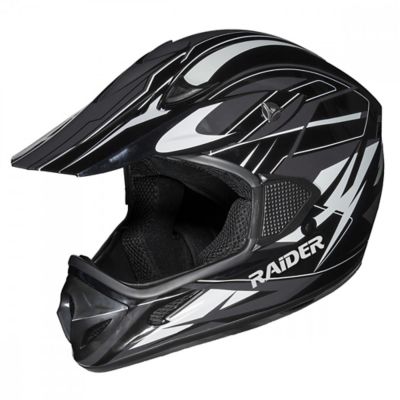
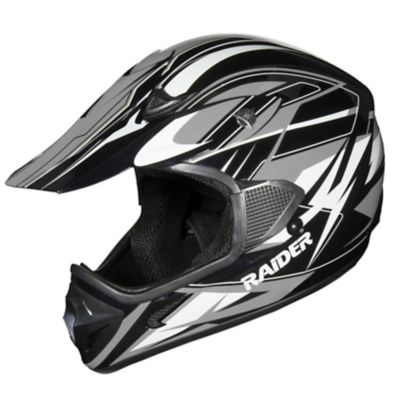
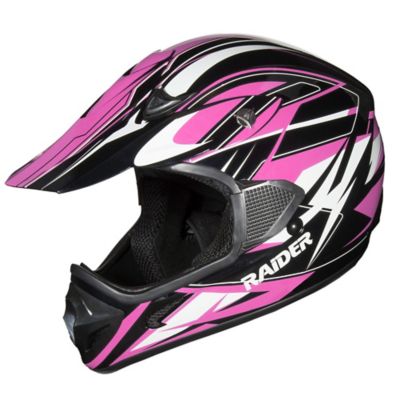
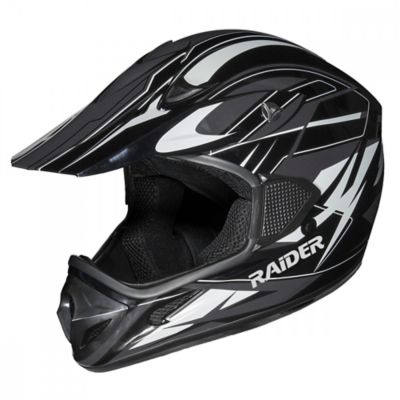
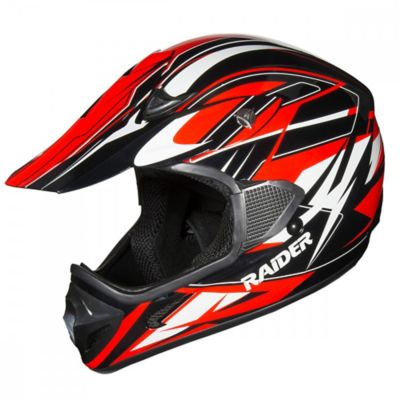
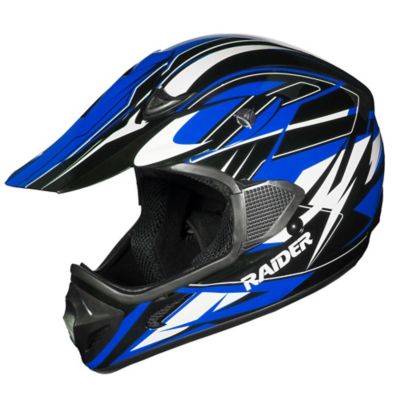
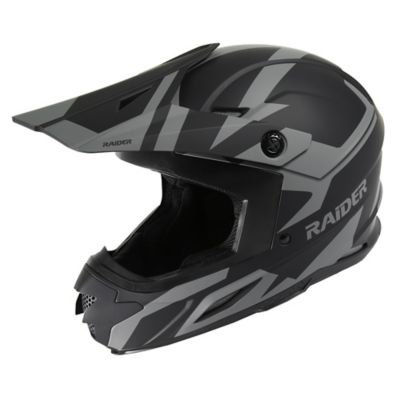
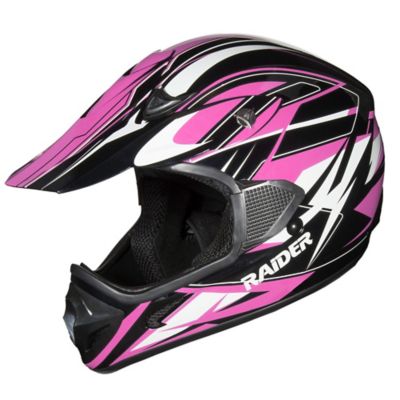
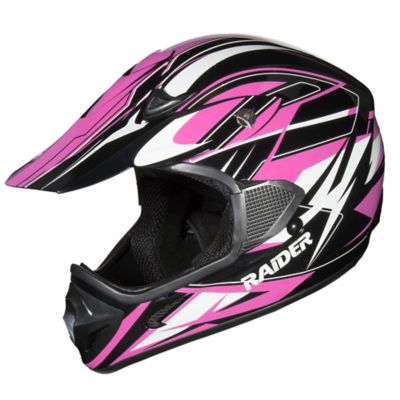
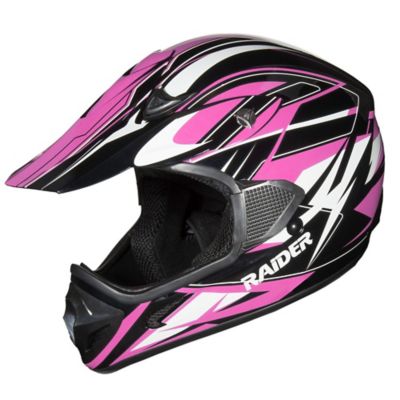
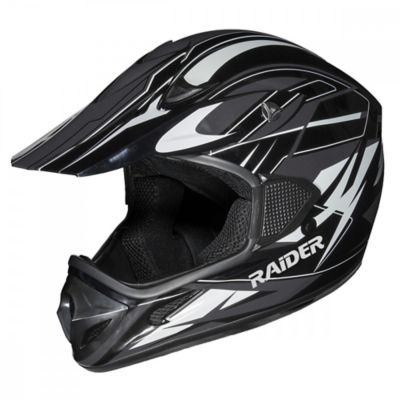
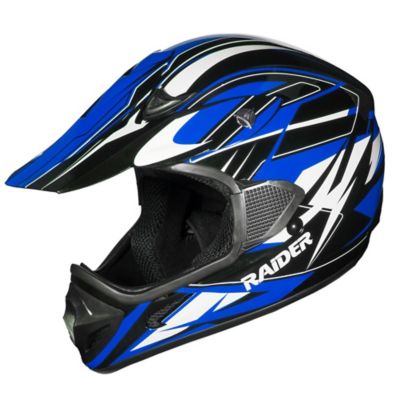
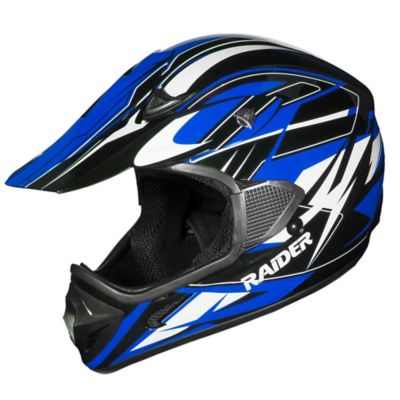
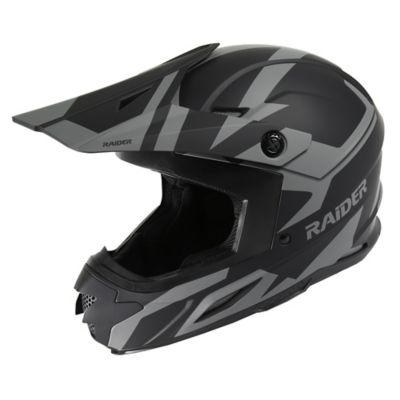
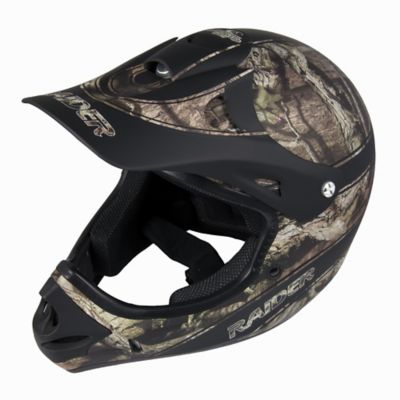
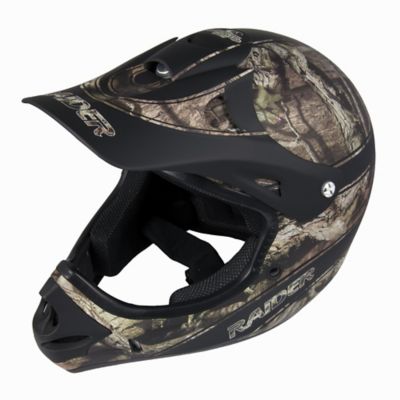
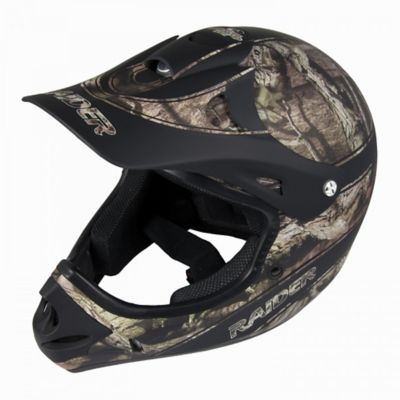
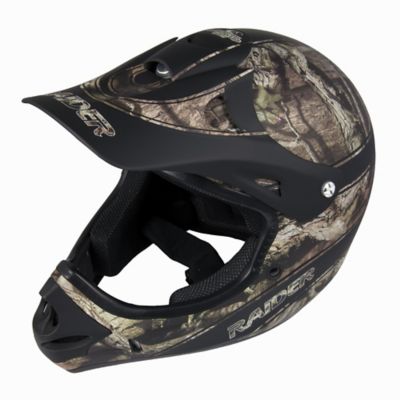
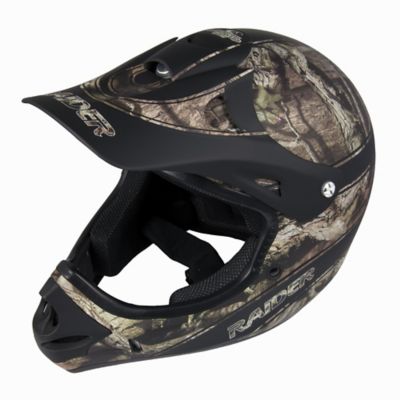
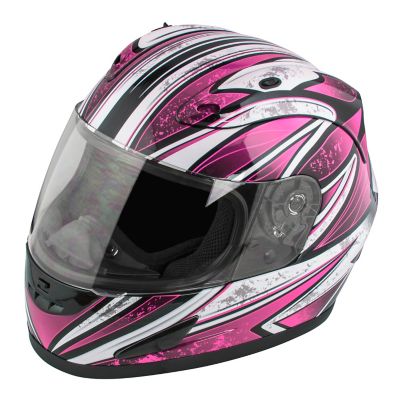
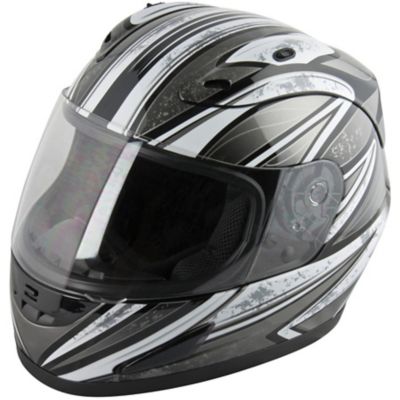
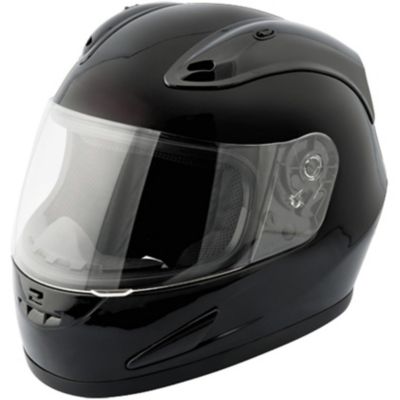
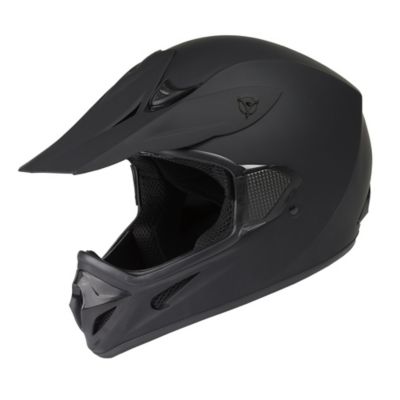
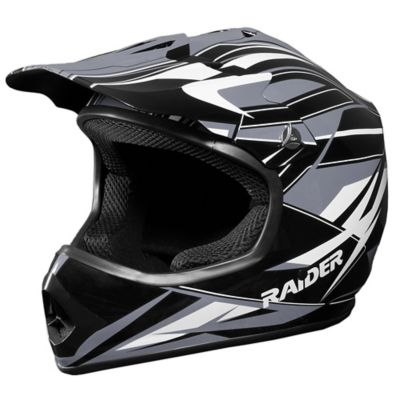
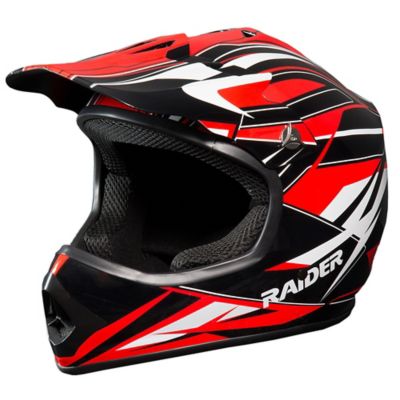
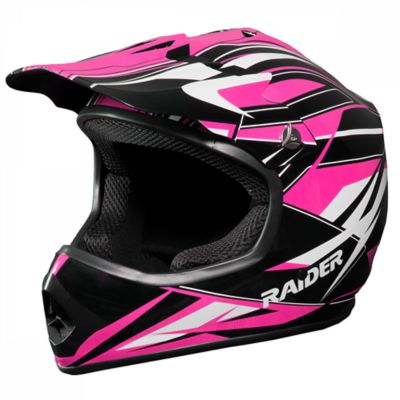
Adult ATV helmets are protective headgear built for the demands of off-road riding, from checking fence lines across a pasture to following a rocky trail through the woods. Full-face off-road and dual-sport designs cover the head and include a chin bar, adding coverage around the lower face that an open-face helmet does not provide. That coverage matters whether the day involves chores on an acreage or a longer ride over unfamiliar ground. A helmet’s outer shell helps spread impact forces and resist penetration, while its energy-absorbing liner helps manage impact energy. Common shell materials include thermoplastic, fiberglass, and other composites, with construction affecting weight, feel, and resistance to everyday wear. The soft padding against the head serves a different purpose: it supports fit and comfort rather than replacing the protective liner beneath it. Some designs also include systems intended to help manage rotational forces in certain impacts, though no helmet can prevent every head injury. Safety markings deserve attention alongside construction. A DOT marking indicates that the manufacturer certifies the helmet meets the Federal Motor Vehicle Safety Standard No. 218; it does not mean the Department of Transportation individually approves each helmet. An ECE certification refers to a separate helmet safety standard, and the version shown on the label matters. Certification details, riding-area requirements, and the manufacturer’s stated application help distinguish protective riding equipment from headgear meant for other activities. Adult ATV helmets should suit the rider and the terrain, not just match the machine. A short trip out to a gate can still involve ruts, loose gravel, or an unexpected turn, so a properly fitted helmet belongs on every ride. Chin coverage, a secure retention system, manageable weight, and suitable eye protection all contribute to a setup that makes sense for the work or recreation ahead.
Fit is where adult ATV helmets become personal, because an adult size label alone does not tell the whole story. Head circumference provides a starting point, but head shape and the manufacturer’s sizing chart also matter. A cloth tape measured around the widest part of the head, generally just above the eyebrows and ears, helps establish the size to try. The right fit feels snug and even around the head, with firm cheek-pad contact in a full-face design and no sharp pressure at the forehead or temples. With the chin strap fastened as directed, the helmet should stay seated rather than roll forward, lift away, or shift independently when the rider turns their head. Wearing it for several minutes can reveal a pressure spot that a quick try-on misses. Sizing up simply to make room for a thick winter hat can undermine that fit; any thin riding liner should be compatible with the helmet and leave its retention and position unchanged. Eye protection is another practical difference between helmet styles. Traditional motocross-style helmets generally have an open eyeport intended for separate off-road goggles, while dual-sport helmets often pair a projecting peak with an integrated face shield. Goggle frames need to fit within the eyeport without pressing painfully on the nose, and the strap should sit securely where the helmet design allows. A clear view matters when a shaded creek crossing gives way to bright open pasture or daylight fades on the ride back to the barn. Appropriate impact-rated eye protection helps shield the eyes from dust and flying debris; a helmet peak alone cannot do that job. Vent placement, breath management, and shield or goggle fog resistance also affect comfort, especially during the cooler months. For family riding, adult sizing is not a substitute for a child’s correct fit.
Youth Full Face Helmets belong in a separate sizing conversation, with the same attention to secure retention, suitable coverage, and the individual rider’s measurements.
Long-term helmet care starts with recognizing what an off-road day leaves behind. Dust settles into vents, sweat collects in cheek pads, and mud can work its way around a shield hinge or strap buckle. Removable, washable comfort liners make routine cleanup easier when the manufacturer permits washing, while accessible vents and straightforward shield mechanisms can simplify upkeep. Mild soap, water, and a soft cloth are often appropriate for exterior cleaning, but the helmet’s care instructions take priority. Solvents, strong cleaners, paint, and unapproved adhesives can harm certain shell or liner materials, even when the surface looks fine afterward. Liners should dry fully before reassembly, away from direct heat, and storage should keep the helmet out of prolonged sunlight, extreme heat, and contact with fuel or other chemicals. Tossing it loose into a truck bed with fencing tools exposes it to knocks and contamination that a clean storage spot can help avoid. Regular checks of the chin strap, fastening hardware, shell, energy-absorbing liner, and eye protection can uncover fraying, cracks, loose parts, or scratches that interfere with vision. A helmet involved in a crash should be retired and replaced according to the manufacturer’s guidance, even if damage is not visible; an impact liner can be compromised beneath an intact-looking shell. Replacement timing also depends on age, condition, and the maker’s recommendations, rather than appearance alone. For riders who spend hours crossing uneven ground, comfort details such as balanced weight, smooth strap contact, and ventilation can matter as much to everyday wearability as a bold color or finish. Bright colors may help a rider stand out against brush or dark timber, but they do not replace lights, careful operation, or other protective gear. An adult ATV helmet can also be a thoughtful gift for a trail rider or someone tackling chores around a rural property, provided the recipient takes part in confirming fit. The best match is protective equipment that suits the rider’s head, works with their eye protection, and stays comfortable enough to wear properly whenever the ATV heads out.