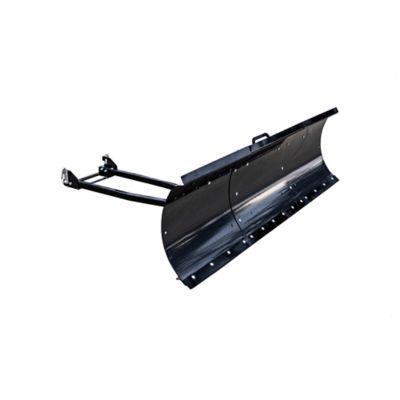
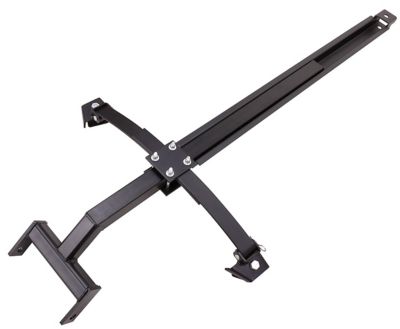
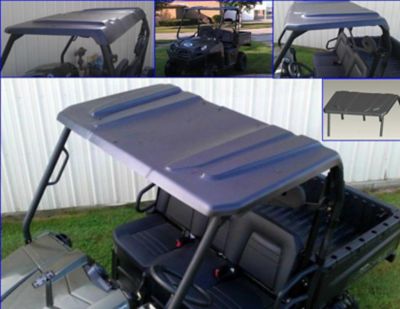
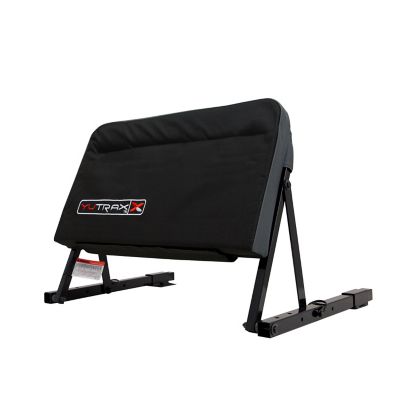
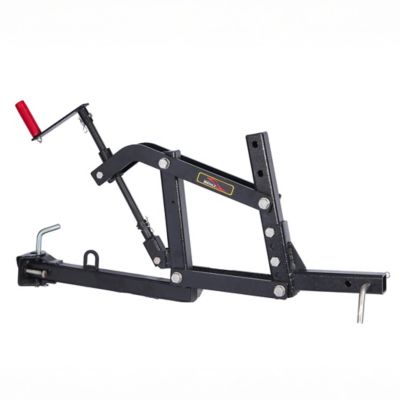
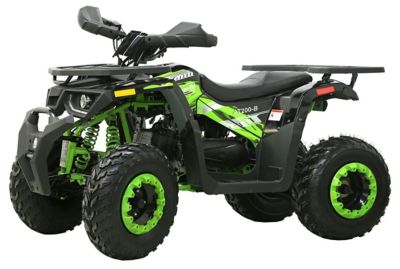
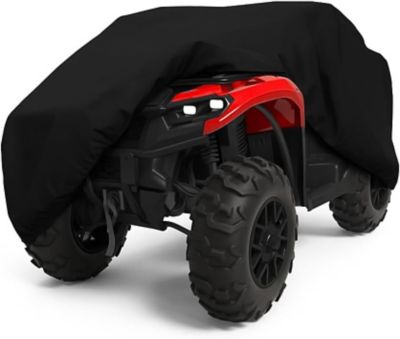
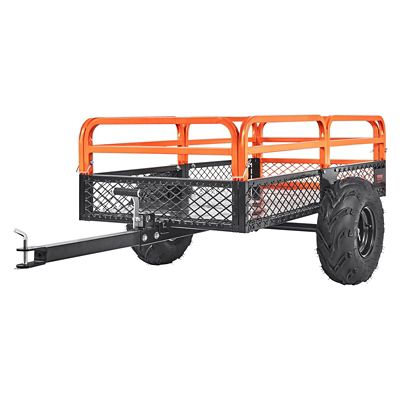
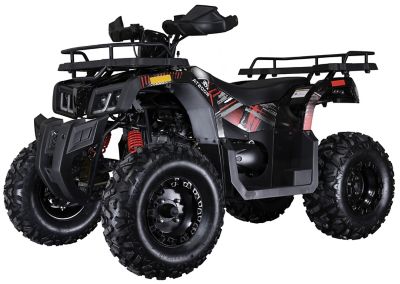
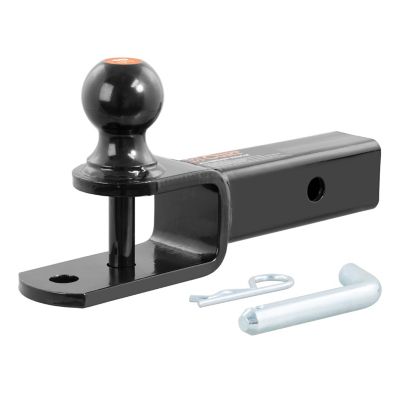
Universal ATV parts and accessories are designed to fit a range of four-wheelers rather than just one make and model. The term describes a broader mounting or sizing range, not a promise that every piece fits every machine. Depending on the accessory, compatibility may come down to rack dimensions, tubing diameter, mounting-hole spacing, hitch configuration, or the room around the handlebars and controls. That distinction matters when a four-wheeler earns its keep carrying fence tools across a pasture, checking a distant water trough, or hauling supplies along a property trail. Broad-fit equipment can add carrying space, organize loose gear, or support a particular chore without changing the machine’s basic purpose. Storage, cargo support, protective coverage, and utility attachments each serve different needs, so the best match starts with how the ATV spends its day. A rider moving between gates may value compact storage that leaves room to climb on and off, while someone covering long stretches of private land may need a place for tools, drinking water, and personal gear. Universal fit also does not make ATV and side-by-side equipment interchangeable; their mounting layouts, dimensions, and operating spaces can differ considerably. Fit information should identify the relevant measurements and any required brackets or adapters. Replacement components affecting steering, braking, suspension, or drivetrain operation call for especially close compatibility checks, since appearance alone does not establish a proper match. Riders pairing accessories with
Four Wheel Drive ATVs still need to account for the mounting points and limits of the particular machine. Four-wheel drive does not increase a rack’s load rating or make an attachment suitable for a frame it was not designed to fit. A well-matched accessory leaves controls accessible, keeps moving parts clear, and supports the task without creating an awkward reach or an obstruction around the rider. Even small differences in rack shape or seat placement can affect whether a broad-fit accessory sits where it belongs.
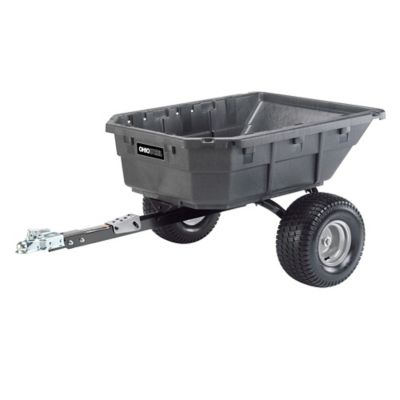
Materials help explain how universal ATV equipment handles the knocks and grit of property work. Steel makes sense for many load-bearing structures because of its strength and rigidity, though its weight counts toward the load the machine carries. Aluminum can reduce added weight, with suitability depending on the design, construction, and stated capacity rather than the material name alone. Molded plastics offer structure without exposed fabric, while textile storage can provide flexible compartments that accommodate gear of different shapes. Reinforced attachment points, well-supported seams, and closures that stay accessible with work gloves all matter when a bag holds the tools for a fence repair. Zippers and lids should open without forcing the rider to unfasten the entire setup, and internal dividers can keep small hardware from settling beneath larger gear. Padding may reduce rattling between contents, but it does not take the place of securing the load. Resistance to dust or water should come from the stated construction and closure design, not an assumption based on appearance. For carrying equipment, useful capacity involves more than the size of the basket or compartment. The weight of the accessory, its contents, and any other cargo must stay within the applicable rack and vehicle limits. Dense supplies can reach those limits well before a roomy carrier looks full. Keeping cargo low, balanced, and secured helps preserve the handling the operator expects, especially on uneven ground or while turning. Hitch-mounted equipment brings another set of considerations, including connection size, tongue-weight limits, attachment weight, and the ATV manufacturer’s towing restrictions. A connection that physically slips into place is only one part of compatibility. Intended use matters just as much: equipment meant to carry loose tools serves a different job from an attachment that places pulling or downward force on the machine. Clear capacity information and mounting instructions help separate a workable setup from one that merely looks close.
Everyday convenience often comes from the details that become noticeable a few miles from the barn. A storage compartment positioned behind the seat should leave the operator enough room to move naturally, and anything mounted near the handlebars must allow the full steering range without pulling on cables or contacting controls. Front-mounted gear should not block the operator’s view, lighting, or access points identified by the vehicle manufacturer. Attachment hardware needs to match the specified mounting method; an improvised bracket or an extra hole in the frame can create problems that a broad-fit label does not address. Removable equipment can be handy when one machine handles several chores, provided its fastening system is suited to repeated installation and checked each time. Care is generally straightforward, but it should follow the accessory’s material and manufacturer instructions. Dirt trapped beneath straps or brackets can rub against finishes, and packed grit around hinges, latches, and fasteners can interfere with movement. Cleaning those contact areas, allowing fabric storage to dry before closing it, and checking for loosened hardware help keep the setup ready for another run down the lane. Coated metal deserves attention where scrapes expose the surface, while textile components benefit from checks for frayed webbing, torn stitching, and damaged buckles. Cracks, bent mounting points, or a latch that no longer closes properly deserve attention before more cargo goes aboard. For an adult who spends plenty of time on a four-wheeler, a thoughtfully chosen utility accessory can also make a practical gift. Knowing the machine’s year, make, model, rack measurements, and the recipient’s usual chores makes that choice much easier. The right fit is not necessarily the largest attachment or the one with the most compartments. It is equipment that carries what the rider actually needs, stays within the machine’s limits, and makes familiar work less cumbersome. Whether the ATV travels between outbuildings or covers a long stretch of fence, useful accessories should earn their place through sensible fit, manageable upkeep, and a clear purpose.