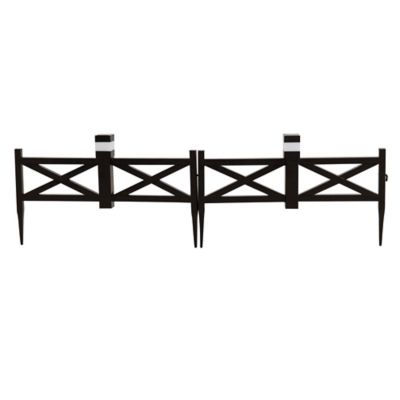
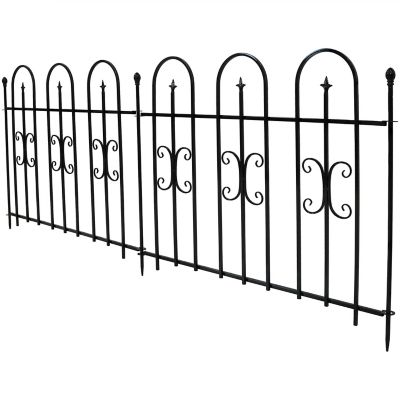
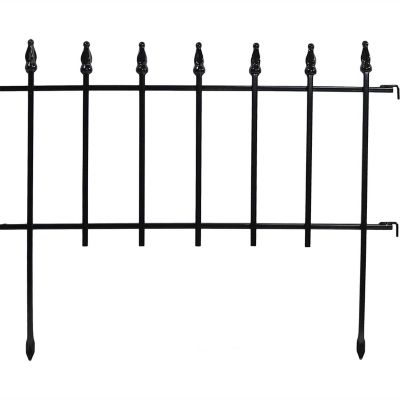
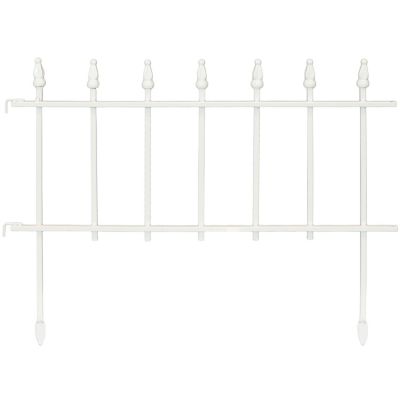
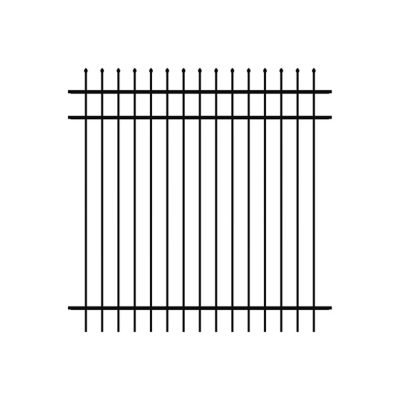
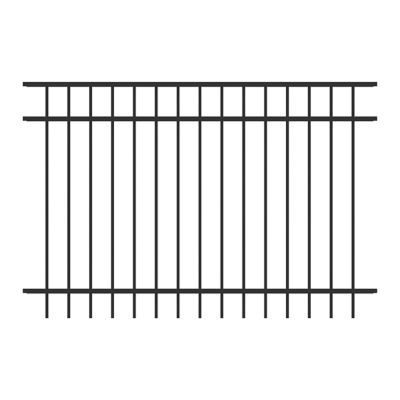
Wrought iron fences bring a strong, open look to a property without closing off the view across the yard. Upright pickets, sturdy posts and framed gates can define the space around a farmhouse, mark the edge of a front lawn or give a garden a clear boundary while keeping flowers and greenery in sight. Straight rails and simple tops tend to blend into the landscape, while scrollwork, finials and arched sections draw more attention to an entrance. The right profile depends on the setting: a modest fence along a walkway serves a different purpose than a taller boundary beside a long driveway. Wrought iron belongs to the broader family of
Ornamental Fences, with an emphasis on open metal construction and architectural detail. Material descriptions deserve a close look, though, because an iron-style appearance does not always mean traditional wrought iron. Traditional wrought iron contains very little carbon and has a fibrous structure, while many modern fences with a similar appearance are made from steel or aluminum. Each material has different weight, strength and care requirements, so the listed metal matters as much as the shape. Solid bars and hollow pickets also differ in weight and construction; a similar outline does not necessarily mean similar performance. Welds, rail connections, post dimensions and the protective finish all contribute to how the fence holds up over time. For a home with a front porch, simple vertical lines can echo porch balusters without competing with them. Around a garden or courtyard, an open fence gives climbing plants a backdrop, though plant growth should not block gates or hide areas that need inspection. Matching the scale of the fence to nearby buildings, paths and planting beds helps the whole property feel settled rather than crowded. A broad lawn can carry a bolder pattern, while a narrow side yard often benefits from cleaner lines and fewer projecting details.
Fit goes well beyond the length of the property line. Fence height, picket spacing, the gap beneath the bottom rail and the relationship between posts and panels all affect how a boundary functions. A low section can clearly separate a garden from a footpath, but it is not a substitute for a containment fence. Taller sections may create a stronger boundary, although open metal fencing still allows views through the rails and does not provide the screening of a solid privacy fence. For households with pets, the smallest opening matters more than the overall appearance; narrow animals may fit between pickets or beneath a gate, and some can climb or jump farther than expected. Children need similar consideration, especially where horizontal rails might provide footholds or pointed tops could present a hazard. Large livestock call for fencing designed for the animal and the setting, rather than an assumption that any substantial metal fence will do. Gates bring another set of everyday details into play. A walk-through opening should suit the path it serves, while access for a mower, garden cart or trailer calls for enough clear width and room for the gate to swing. A gate that opens into a parked vehicle or catches on a rising driveway can become a daily nuisance. Hinges, latches and posts must suit the gate’s size and weight, with enough support to limit sagging. Changes in ground level also affect the finished look: some fence systems follow a slope within specified limits, while others step down between posts and leave varying gaps below. Corners, existing masonry and transitions to other fencing deserve attention before dimensions are finalized. Property boundaries, easements and local requirements can shape the layout, too. Around a pool, appearance alone is not enough; fence height, openings, gate direction, latching and closing features must satisfy applicable barrier rules. For a working property, keeping routine travel routes clear can matter just as much as the pattern of the pickets.
Long service life starts with sound construction and continues with straightforward care. Iron and steel need protection against corrosion, making the condition of the finish an important consideration at welds, fasteners, cut ends and spots where tools or equipment might scrape the surface. Powder coating, paint and galvanized layers serve different roles, and their presence and care requirements should come from the fence specifications rather than appearance alone. A smooth black finish can give a boundary a crisp outline, while a textured surface changes how the metal looks up close and may need extra attention where dirt collects. Gentle cleaning helps remove soil, residue and buildup without needlessly wearing the finish. The manufacturer’s directions should govern cleaning methods and touch-up materials, since an incompatible coating can create more work instead of solving a small problem. Chips, rust spots, loose connections and stiff hinges are easier to address before they turn into larger repairs. Keeping soil and piled mulch away from metal sections also makes the lower rails easier to inspect. Near a gravel drive or mowing route, enough clearance helps limit repeated impacts from equipment and kicked-up stones. Installation plays an equally important part in how a fence performs: posts need the right foundation, gates need firm support, and metal components can be heavy or awkward to handle. Underground utilities should be marked before digging, and property lines should be confirmed rather than estimated from an old fence or a row of trees. Professional installation may make sense for long runs, masonry connections, sloped ground or substantial gates. For homeowners, gardeners and acreage owners, the appeal of wrought iron fencing comes from that balance of presence and openness. A well-matched fence can frame a front walk, separate everyday activity areas and give an entrance a finished look while leaving the land beyond it in view.